A boy wakes up at the end of summer. Something feels wrong. The sun is shining. Friends are laughing. Life should be normal. But somewhere deep down, he knows this story is ending before it ever really began.
This week, we’re revisiting Kingdom Hearts II—the sequel that took a charming Disney crossover and transformed it into one of gaming’s most emotional stories about identity, friendship, and figuring out who you’re supposed to be.
Ask people about Kingdom Hearts II and you’ll usually get one of two responses.
The first: “That’s the best game in the series.”
The second: “I have absolutely no idea what was happening.”
And truthfully? Both are valid.
For many players, Kingdom Hearts II is remembered as the game where the story started getting complicated. Organization XIII arrived. Nobodies appeared. Mysterious cloaked figures started speaking in riddles. The internet began producing charts. Lots of charts.
For newcomers looking in from the outside, KH2 has become shorthand for “that franchise with impossible lore.” People assume the game is confusing because it’s poorly written. Or because the writers got carried away. Or because Disney and anime somehow collided at highway speeds. But that’s not really what happened.
Because beneath all the lore, all the mystery, and all the proper nouns… Kingdom Hearts II is actually telling a surprisingly simple story. A painful one. A human one. A story about kids growing up and realizing they don’t get to keep everything forever.
People think Kingdom Hearts II is remembered because of its complicated lore. It’s actually remembered because of its heartbreak. The lore kept people talking. The characters made people care.
Mechanics — The Series Finds Its Rhythm
The original Kingdom Hearts was fun. Kingdom Hearts II was polished. Combat feels faster, smoother, and more cinematic in almost every way. Sora moves with confidence now. Attacks chain together naturally. Magic flows seamlessly into melee combat. And the game introduces one of the franchise’s most beloved mechanics:
Drive Forms.
Instead of simply getting stronger, Sora temporarily transforms into specialized forms that dramatically alter his fighting style. Valor Form turns him into an aggressive close-range fighter. Wisdom Form transforms him into a magical powerhouse. Later forms become even more spectacular.
Then there are Reaction Commands. Few mechanics better capture the energy of KH2. Boss fights become interactive spectacles filled with cinematic moments that make players feel like they’re starring in their own anime finale.
The result? A combat system many fans still consider the best the series has ever produced. Honestly, they have a strong argument.
Story & Characters — The Boy Who Shouldn’t Exist
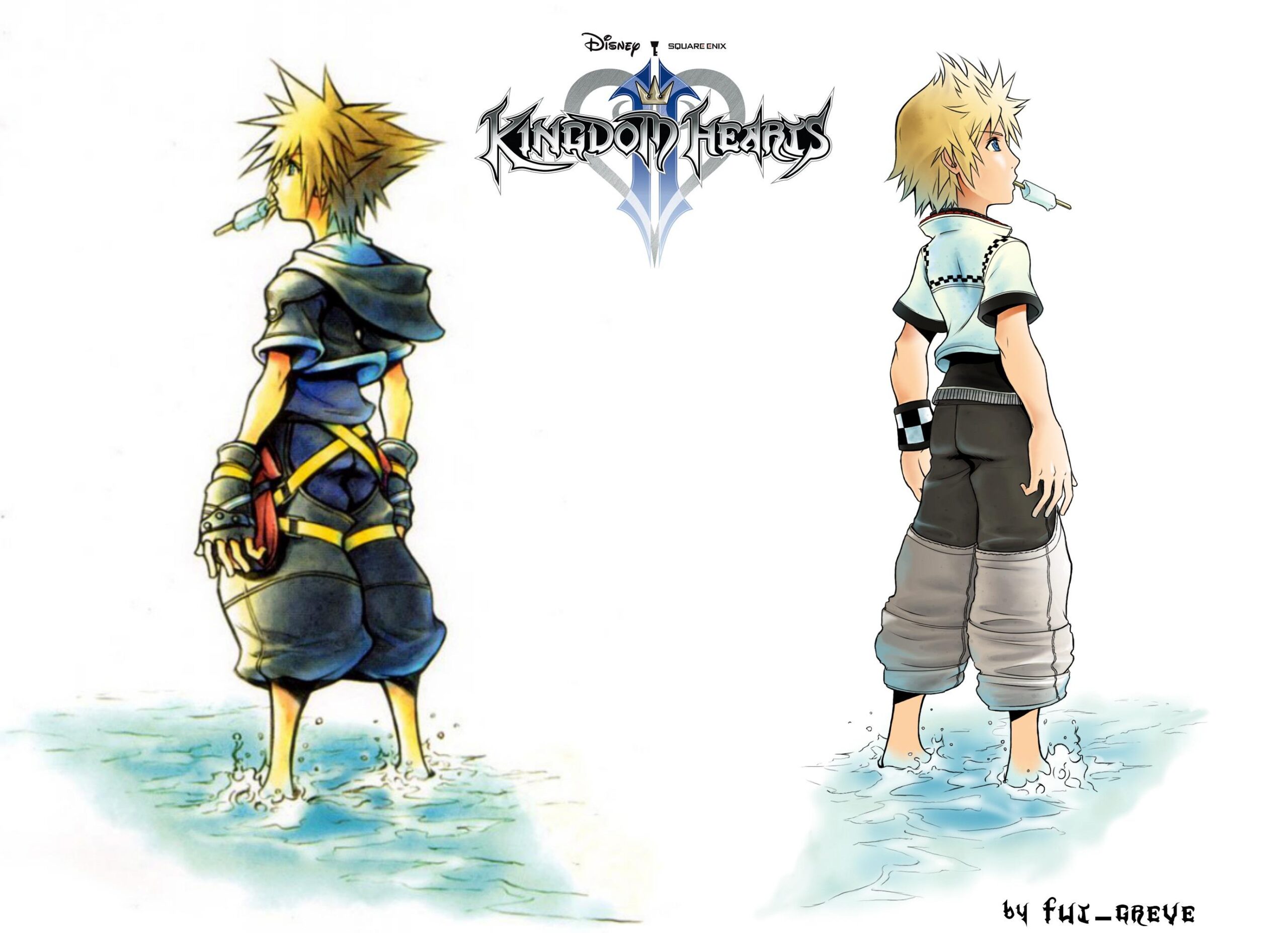
Before we talk about Sora. Before Riku. Before Organization XIII. We have to talk about Roxas.
Because Kingdom Hearts II opens with one of the boldest decisions in gaming. For several hours, you’re not playing as the hero. You’re playing as a boy you’ve never met. Living in a town you’ve never seen. Experiencing a summer vacation that’s quietly falling apart around him.
At first it feels confusing. Then strange. Then heartbreaking. Because Roxas slowly realizes his life isn’t what he thinks it is. And neither is he. That emotional thread becomes the foundation for the entire game.
Kingdom Hearts II asks a question that keeps resurfacing:
- If your memories change, are you still you?
The game explores identity through nearly every major character. Sora struggles to understand his role. Riku wrestles with choices he made in the previous game. Organization XIII searches for meaning. Even the Nobodies—the game’s primary antagonists—aren’t really seeking power. They’re seeking purpose. That’s what makes them compelling. They’re not trying to destroy the world. They’re trying to become whole. And that’s a much more interesting motivation.
World, Visuals & Atmosphere — Disney With a Shadow Over It
On the surface, KH2 looks brighter than ever. The Disney worlds are larger. More detailed and even more ambitious.
You’ll revisit:
- Beast’s Castle
- Halloween Town
- Agrabah
- Olympus Coliseum
- Pride Lands
- Space Paranoids
And many others.
But there’s a noticeable shift in tone. The wonder is still there. The magic is still there. Yet there’s an undercurrent of melancholy running through everything.
Twilight Town captures this perfectly. It’s beautiful, peaceful. and has this air that can only be described as almost nostalgic. Even before you understand why. The entire game feels like it’s standing between childhood and adulthood. Between innocence and experience. Between who these characters were and who they’re becoming.
Sound & Music — Yoko Shimomura Doesn’t Miss
Let’s give flowers where flowers are due. Yoko Shimomura delivers one of the greatest soundtracks in gaming.
Again.
Tracks like:
- Dearly Beloved (Maybe the best version ever is in this game)
- Lazy Afternoons
- The Other Promise
- Roxas
- Sanctuary
They aren’t just memorable. They’re emotional landmarks (or landminds). Fans hear a few notes and immediately remember where they were when they first played.
And speaking of Sanctuary…
Utada Hikaru somehow followed up Simple and Clean with another song that became permanently attached to the franchise. (BANGER) The music doesn’t just support the story. It becomes part of it.
Organization XIII — Villains Who Wanted Something More
One reason Kingdom Hearts II has aged so well is its antagonists. Organization XIII isn’t particularly interested in world domination. They’re chasing something much more relatable.
- Meaning.
- Belonging.
- Identity.
Every member reflects a different version of loss; A different response to emptiness. And because of that, they feel less like traditional villains and more like tragic figures. Some of the best stories aren’t about defeating evil. They’re about understanding why people make the choices they do. Kingdom Hearts II understands that.
WHY IT MATTERS
Kingdom Hearts II arrived during a fascinating moment in gaming. Players were growing up. The audience that fell in love with KH1 wasn’t ten anymore. And KH2 grew alongside them. The first game was about adventure. The second is about consequences and about how to accept change. About realizing that friendships evolve, people grow apart, and some chapters of life eventually end.
That’s why Roxas resonates. That’s why Riku resonates. That’s why players still talk about this game nearly twenty years later. Not because of the lore. Not because of the Disney worlds.
Because Kingdom Hearts II understood something universal:
Growing up hurts. And sometimes the people we become aren’t the people we expected.
MODERN CONNECTION
You can see Kingdom Hearts II’s influence everywhere now. Modern anime thrives on identity crises. Games like Persona explore similar themes of self-discovery. Stories across gaming increasingly focus on emotional journeys rather than simple hero narratives.
And Organization XIII? Let’s be honest. If KH2 released today, the internet would spend years making edits of them on TikTok. Kingdom Hearts II was surprisingly ahead of its time in understanding that audiences connect deeply with characters searching for purpose. Because that’s something everybody understands. Whether they’re carrying a Keyblade or not.
QUESTION
Let’s settle this one. Who’s the emotional heart of Kingdom Hearts II:
Sora… or Roxas?
And yes, you have to pick one.