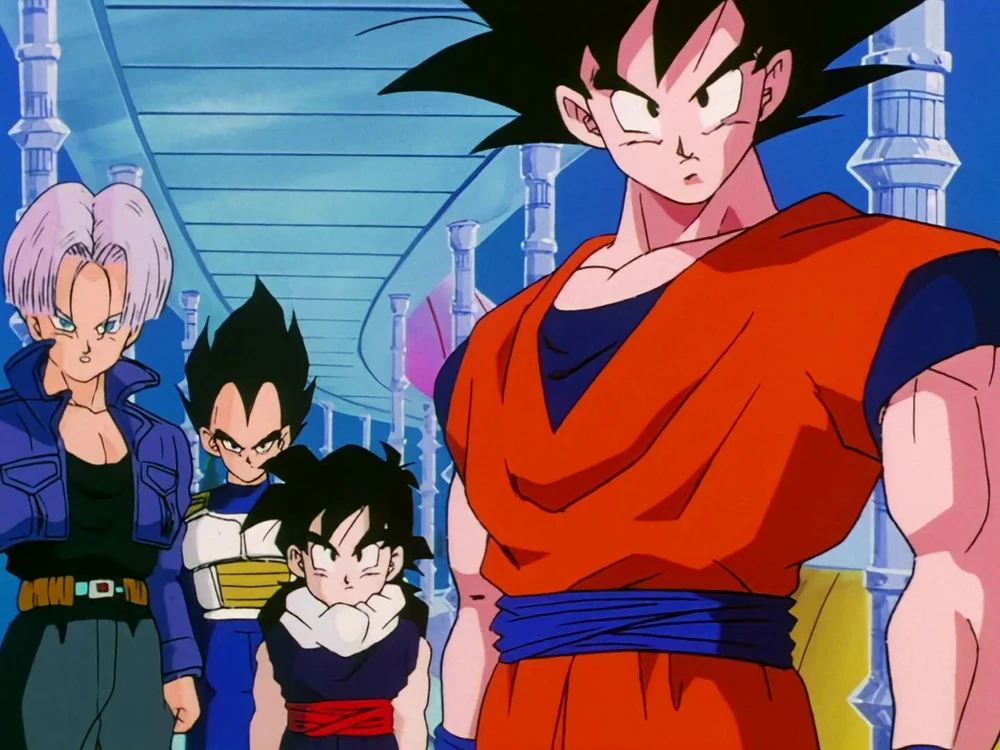
Every great sports story eventually runs into the same question: Are great fighters born or are they built? That question is basically the entire Saiyan race in Dragon Ball.
Because Saiyans are not just strong. They are not just aliens with tails, bad attitudes, and the galaxy’s most aggressive hair genetics. They are a warrior race. Combat is not a hobby to them. It is not even just a profession.
It is culture. It is status. It is identity. It is how they measure themselves. And that is what makes Saiyan combat different.
Most fighters train to survive the fight. Saiyans live to extend it. They want the challenge. They want the wall. They want the opponent who makes their body scream, their pride burn, and their limits start cracking.
A normal fighter sees a stronger opponent and thinks, “How do I win this?” A Saiyan sees a stronger opponent and thinks, “Good. Now we’re getting somewhere.” That is the difference.
But here is where the Dragon Ball franchise gets more interesting than people sometimes give it credit for: Raw Saiyan talent is not enough.
- Raditz has it.
- Nappa has it.
- Vegeta has it.
- Goku has it.
Gohan, Future Trunks, Trunks, Goten, and Broly all have it in different ways. But they do not become the same kind of fighter.
Because Saiyan blood gives you the engine. Training, trauma, pride, humility, control, and purpose decide who gets behind the wheel.
The Surface Version
The easy version is that Saiyans are different because they are powerful. That is true. They are naturally stronger than humans. They are built for battle.
They have ridiculous durability. They can push themselves through punishment that would end almost anyone else. They can transform into Great Apes with their tails and the right moonlight. They can recover from devastating injuries and come back stronger. Eventually, the whole Super Saiyan mythology turns them into the most iconic transformation machine in anime history.
So yes, on the surface, Saiyan combat looks simple:
- They hit harder.
- They survive longer.
- They get stronger.
- They transform.
- They win.
But that is only the highlight reel version. And sports are never just the highlight reel. The real story is not just that Saiyans are powerful. The real story is how they think about power.
Saiyans are not scary because they love winning. Everybody loves winning. Saiyans are scary because they love the fight itself. There is a difference.
For most athletes, competition is something you prepare for. You train, practice, study, and sacrifice so that when the moment comes, you can perform.
For Saiyans, the moment itself is the reward. The fight is not just a test. The fight is the classroom.
Every punch teaches them something. Every opponent gives them information. Every loss becomes fuel. Every stronger enemy becomes a measuring stick.
To most fighters, pain is a warning. To a Saiyan, pain is feedback. That is why they are so dangerous.
How Saiyan Combat Works
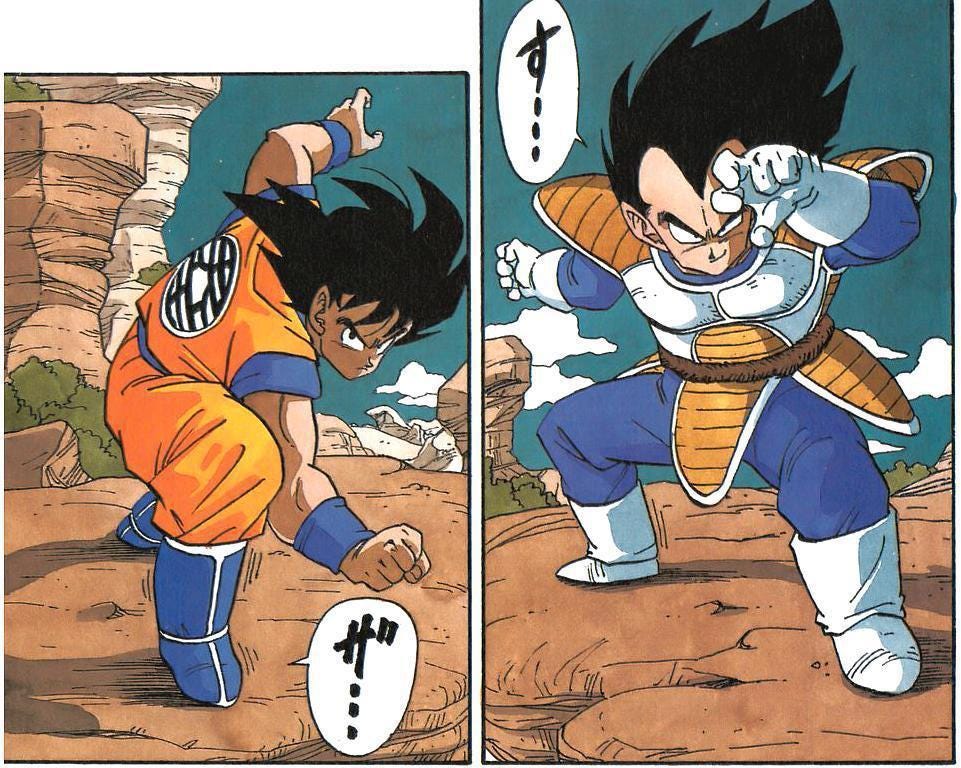
Saiyan combat is built around pressure. Not avoiding it. Not managing it. Feeding on it.
A Saiyan fighter is at their most interesting when they are pushed past comfort. That is when the instincts kick in. That is when the pride starts burning. That is when the body starts adapting and the mind starts chasing a new answer.
That is why Goku gets excited when he meets someone stronger than him. That is why Vegeta gets furious. Those are two wildly different emotional reactions, but they come from the same Saiyan root.
A stronger opponent means there is another level. Goku sees that as an invitation. Vegeta sees it as an insult. Either way, they push harder.
That is what separates Saiyans from a lot of other fighters in fiction. They are not just chasing victory. They are chasing escalation. They want the fight to reveal something.
Sometimes that is noble. Sometimes it is reckless. Sometimes it is outright stupid. But it is always Saiyan.
What Makes Them Hard to Beat
The obvious answer is physical ability. Saiyans are strong, fast, durable, and naturally suited for combat. They can take punishment, dish it out, and keep going long after the fight should be over.
But the harder thing to deal with is their adaptability. A Saiyan who survives the first round may not be the same fighter in the second.
That is where the famous near-death recovery idea becomes such a perfect combat sports metaphor. Saiyans can grow stronger after recovering from brutal injuries, but thematically, the idea is even better than the biology.
Saiyans turn damage into development. Every great fighter has to learn from getting hurt. Saiyans just make that literal.
A boxer gets dropped and learns to keep their guard higher.n A quarterback throws a bad interception and learns to read the safety. A wrestler gets caught in a bad position and drills the escape until it becomes instinct.
Saiyans do the same thing, except sometimes the lesson comes with broken bones, exploding planets, and several episodes of screaming.
Still, the sports idea is familiar: The best competitors do not just survive adversity. They metabolize it.
The Scouting Report: Raw Talent Is Not Enough
This is where the Saiyan race gets fascinating. Because Dragon Ball does not treat Saiyan blood as destiny. It gives multiple fighters access to absurd potential, then shows how differently that potential develops depending on the person carrying it.
Same warrior foundation. Completely different outcomes.
Raditz: Natural Power Without Growth
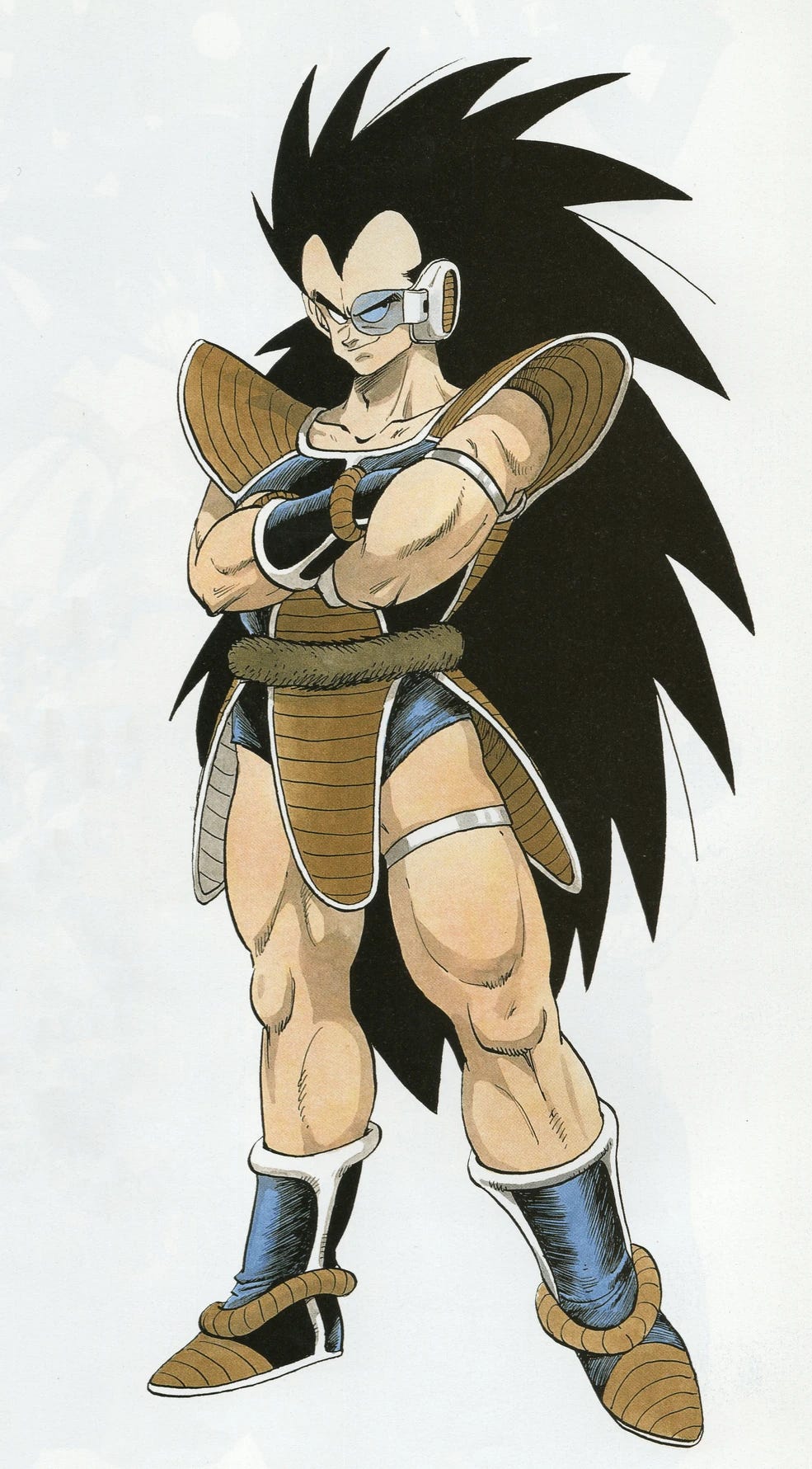
Raditz arrives on Earth stronger than almost everyone. At that point in the story, he is a nightmare.
He is faster, tougher, and more experienced than the heroes expect. His arrival changes the scale of the entire series.
Suddenly, Goku is not just a strange martial artist with a tail. He is part of something much bigger and much more violent.
But Raditz is also limited. He fights like someone who has spent his life being stronger than the room.
He has Saiyan confidence, Saiyan aggression, and Saiyan physical gifts, but he does not show the same hunger to evolve that defines the best Saiyan fighters.
He is the five-star recruit who coasted on talent.
Dangerous? Absolutely. But there is a ceiling there.
Nappa: Strength Without Discipline
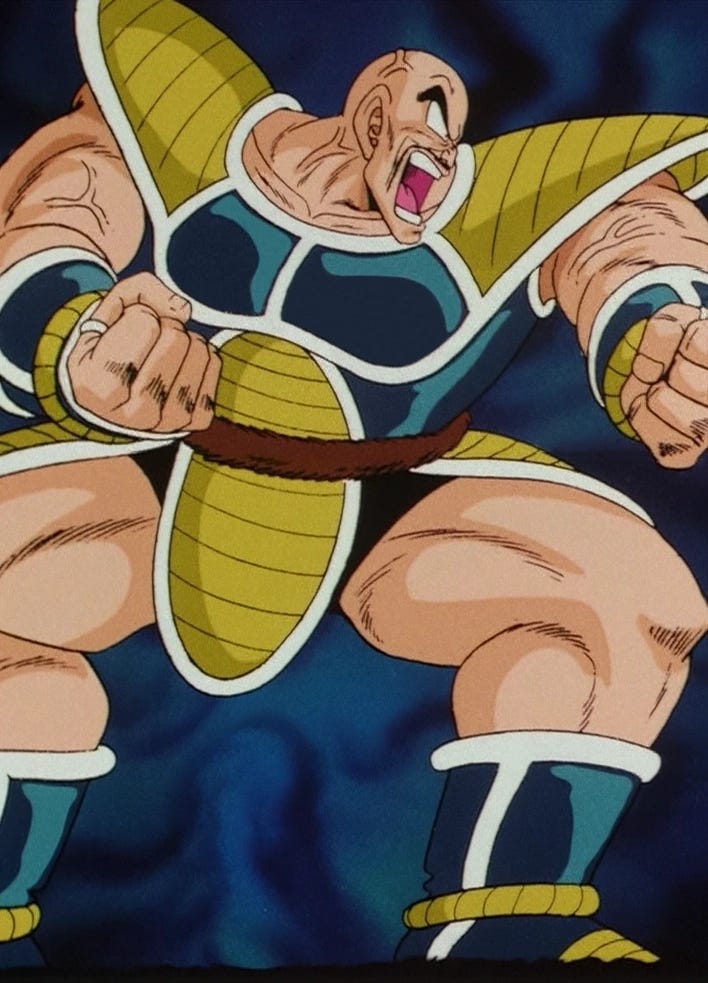
Nappa is terrifying because he is a tank.
He is the kind of fighter who walks into the arena and makes everyone immediately understand the weight class has changed. He is physically overwhelming, brutally confident, and fully aware that he can dominate weaker opponents.
But that is also his flaw.
Nappa enjoys domination more than improvement.
He is strong but not disciplined enough. He is experienced, but not adaptable enough. He is powerful, but too comfortable bullying opponents who cannot match him.
In sports terms, Nappa thinks power is a strategy.
And against weaker opponents, it is. Until it is not.
The moment the fight changes, Nappa does not have another gear that matters. His arrogance leaves him exposed. He is a monster, but he is not a complete fighter.
Vegeta: Elite Talent Trapped Inside Pride
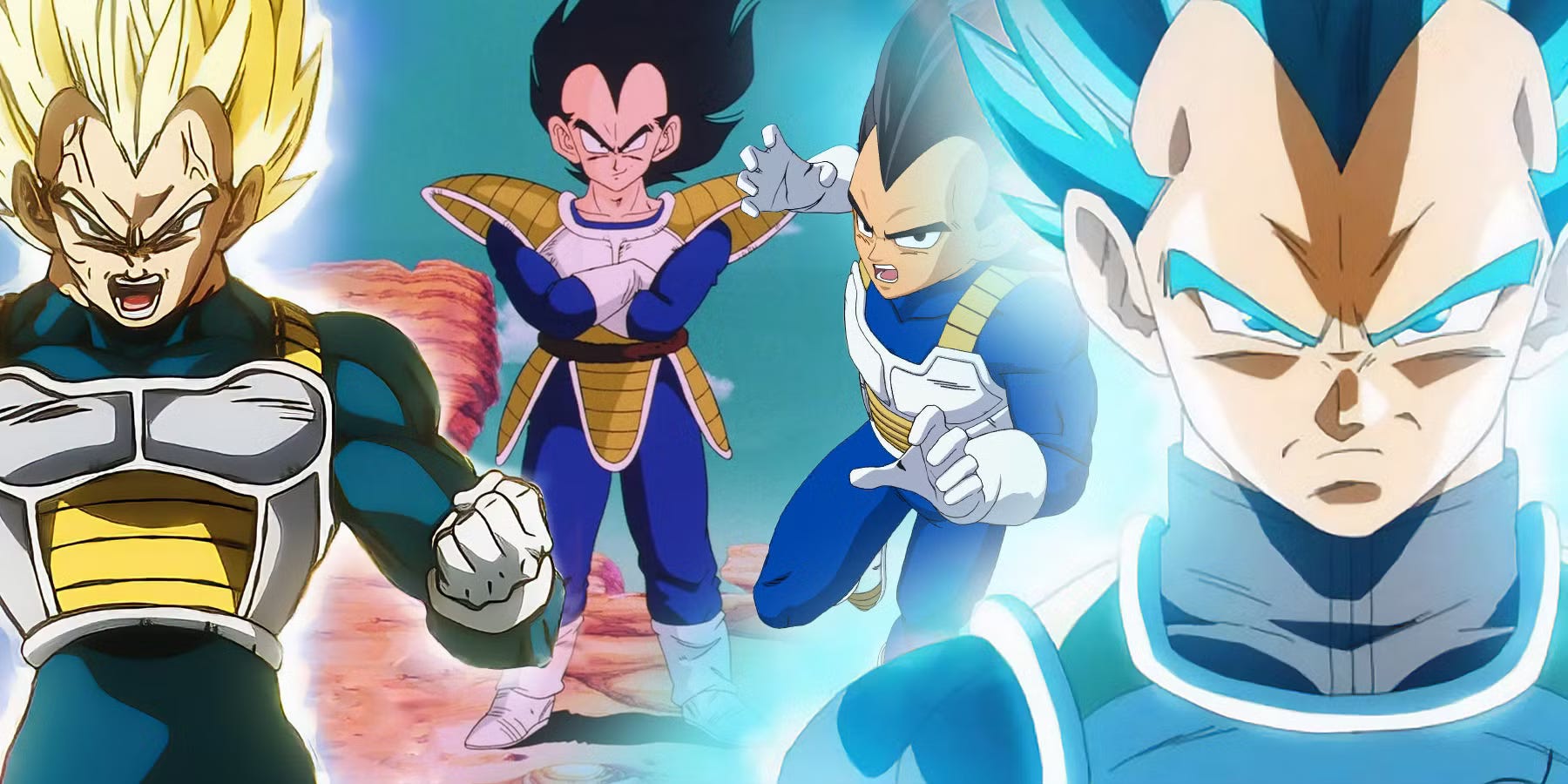
Vegeta is different. Vegeta is not just strong. Vegeta is elite.
He has the talent, the training, the experience, the battle IQ, and the pride of a royal bloodline. He does not fight like a brute. He studies opponents. He adapts. He calculates. He understands combat at a level Raditz and Nappa never reach.
But Vegeta’s greatest weapon is also his greatest weakness; Pride.
Vegeta does not just want to win. He needs victory to confirm who he believes he is.
That makes him incredibly dangerous. It gives him drive, discipline, and refusal. But it also traps him. Every time someone surpasses him, it does not just challenge his skill. It challenges his identity.
That is what makes Vegeta such a great sports character. He is the superstar who cannot stand being second. The champion who hears footsteps behind him. The prodigy who has to learn that greatness is not something you inherit and then protect forever.
It is something you chase.
Vegeta’s journey is not about becoming proud. He already has that. His journey is learning what pride is actually for.
Goku: Saiyan Instinct Raised by Martial Arts Humility
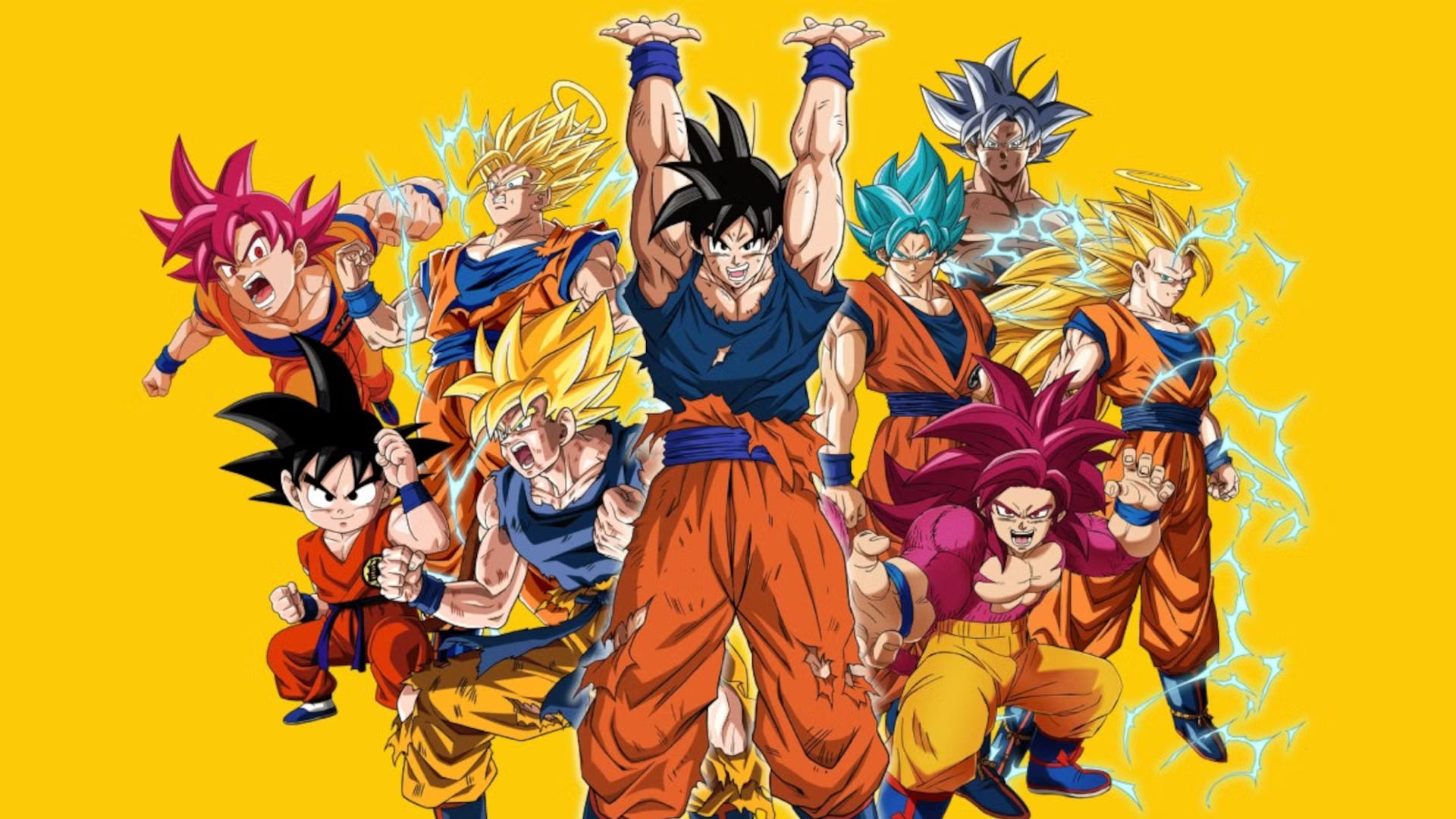
Goku is the great exception. Not because he lacks Saiyan instinct. He absolutely has it.
Goku loves fighting. He loves strong opponents. He loves testing himself. He gets excited in situations where most people would start writing goodbye letters.
But Goku was not raised by Saiyan culture. That changes everything.
His Saiyan hunger gets filtered through Earth martial arts. Through Grandpa Gohan. Through Master Roshi. Through tournament experience. Through losses. Through friendships. Through humility.
That combination creates something special.
Goku has the Saiyan desire to keep climbing, but he does not usually attach that climb to status. He does not need to prove royal superiority. He does not need people beneath him. He just wants to know how far he can go.
That is why Goku keeps evolving. He is not great simply because he is Saiyan. He is great because Saiyan instinct met Turtle School philosophy.
The warrior race gave him the engine. Earth taught him how to drive.
Gohan: The Saiyan Who Does Not Want to Be a Warrior
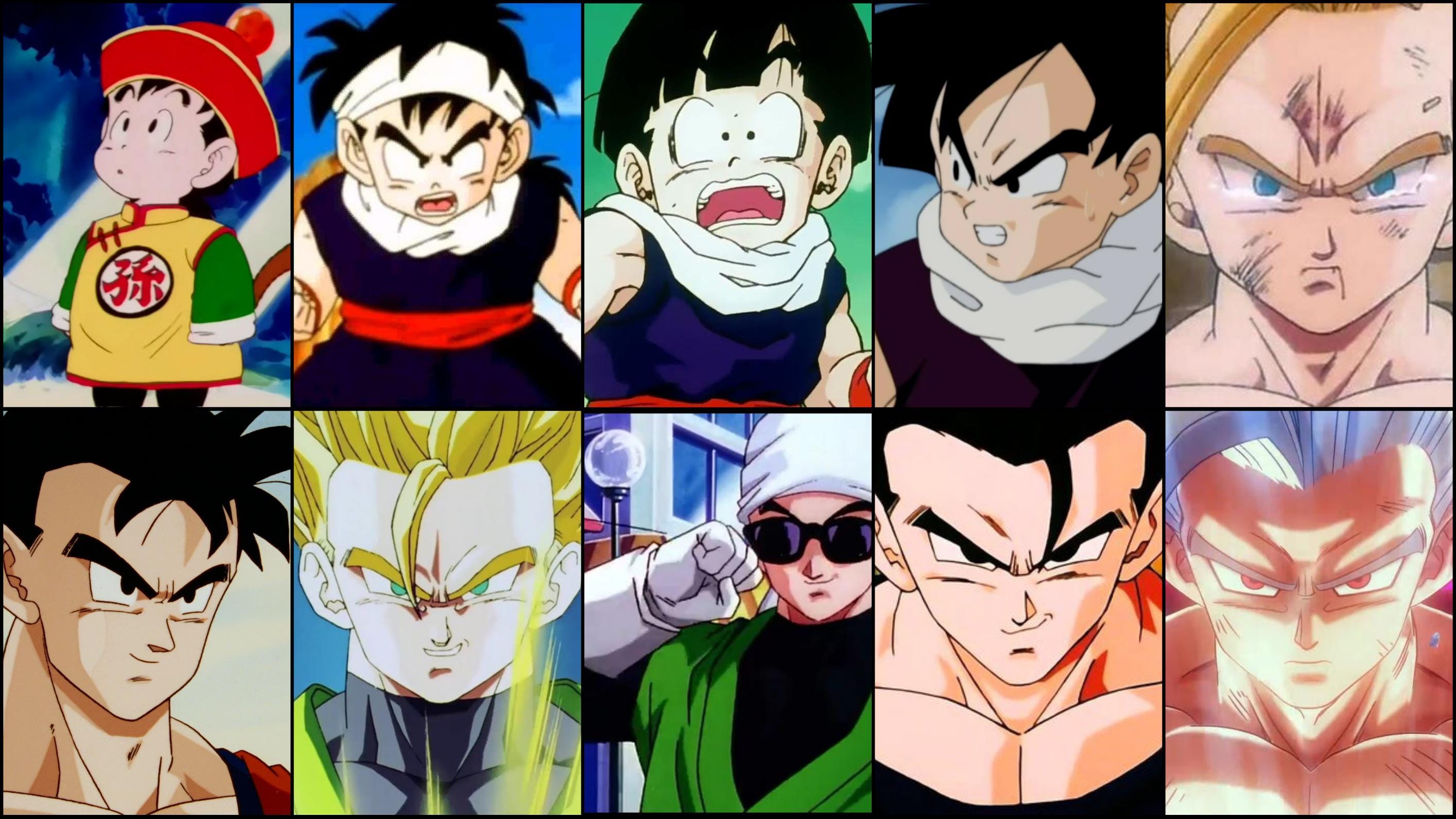
Gohan might be the most interesting case study because his potential is ridiculous.
From the very beginning, Gohan has a ceiling that makes everyone nervous. His power erupts when his emotions break open. When someone he loves is threatened, something terrifying wakes up.
But Gohan does not define himself through combat. That is the key.
Goku loves the fight. Vegeta needs the fight.
Gohan endures the fight.
He can be incredible at it. He can reach levels that stun everyone around him. But left to his own heart, Gohan does not want to live as a warrior. He wants peace. He wants learning. He wants family. He wants a life beyond the arena.
That makes him a perfect counterpoint to Saiyan culture.
Gohan proves that potential does not automatically create desire. You can have world-breaking talent and still not want the sport to be your whole life.
He is the generational athlete who would rather be a scholar. And honestly, that might be the most human thing about him.
Future Trunks: Saiyan Power Shaped by Trauma
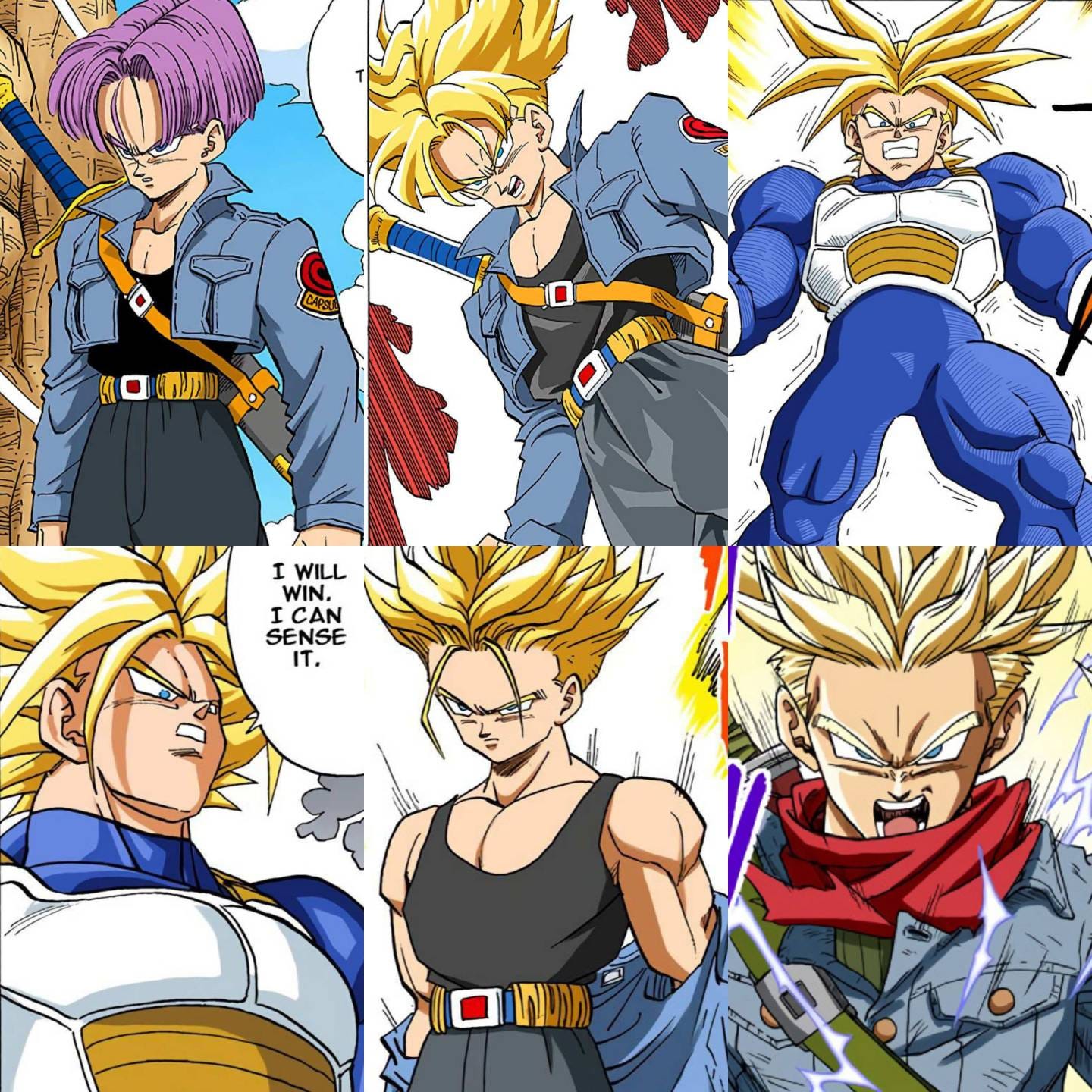
Future Trunks fights differently because his world never gave him the luxury of sport.
For Goku, combat can be joy. For Vegeta, combat can be pride. For Future Trunks, combat is survival.
He comes from a timeline where hesitation gets people killed. There is no tournament atmosphere. No friendly rematch. No thrill of testing yourself against a stronger opponent just because it sounds fun.
Future Trunks does not romanticize combat the same way. He cannot afford to.
That makes him one of the most practical Saiyan fighters. He is decisive. Focused. Heavy. There is sadness in the way he fights because his battles are not about proving anything. They are about preventing the next tragedy.
Future Trunks is Saiyan potential sharpened by apocalypse. And that changes the entire feel of his combat.
Trunks and Goten: Talent Without the Same Weight
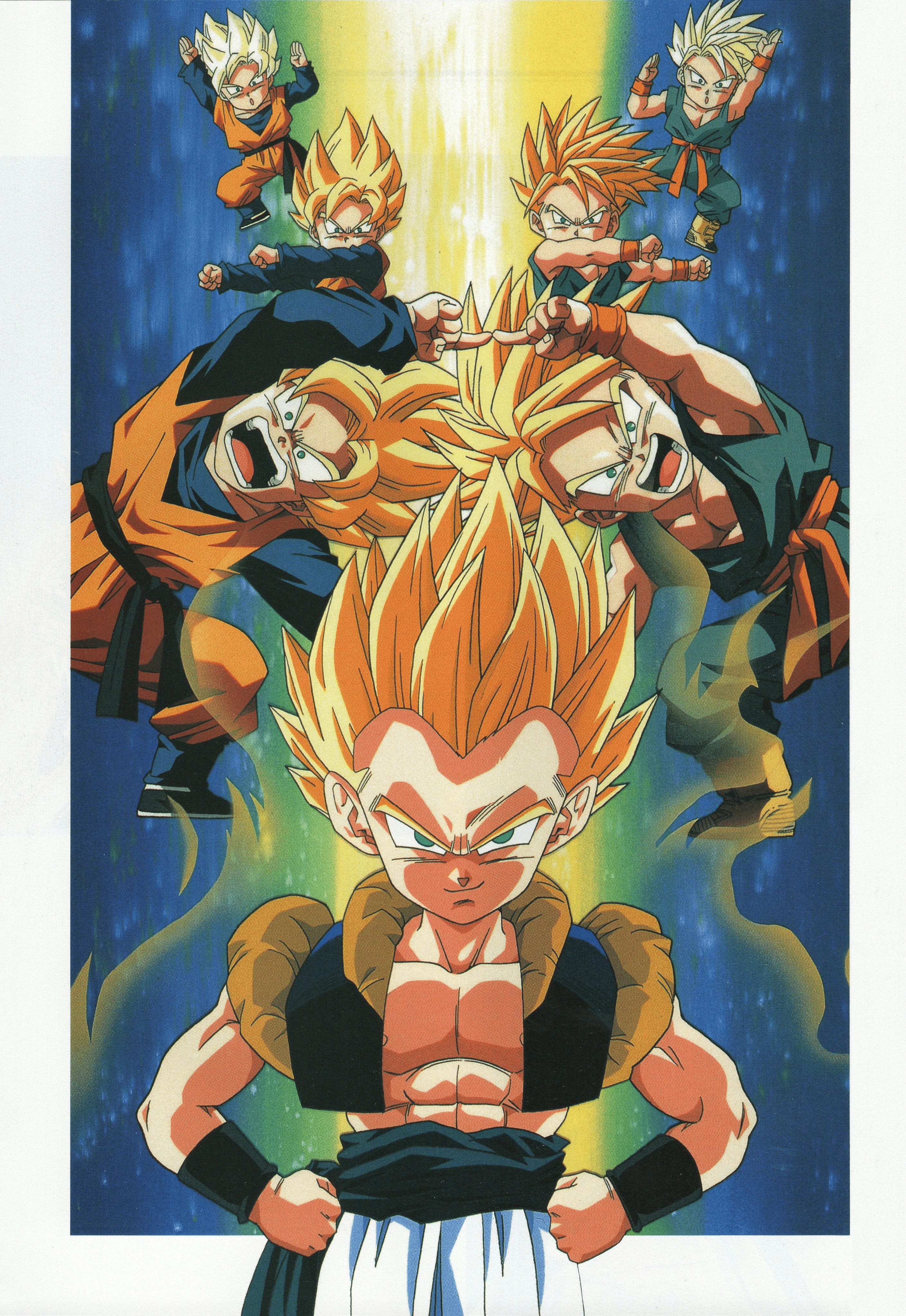
Kid Trunks and Goten are a completely different angle. They are absurdly gifted. Almost hilariously gifted.
They reach levels as children that would have been unimaginable earlier in the story. They grow up around power that previous generations had to bleed for. Their baseline is ridiculous because the world they inherit is already operating on a higher level.
But they also grow up with something the older Saiyans did not have: Peace.
At least more of it.
They are not raised under Frieza’s empire. They are not hardened by Saiyan conquest. They are not shaped by the same desperation as Future Trunks. They are kids with outrageous natural ability, surrounded by legends.
That makes them fascinating from a sports perspective. They are the young athletes with all the tools. Speed, power, instinct, confidence, and access to elite training. But not always the urgency. Not always the edge. Not always the hunger that comes from needing the fight instead of simply being good at it.
Their talent is real. Their ceiling is enormous. But Dragon Ball reminds us that talent without weight can drift.
Broly: Talent Without Control
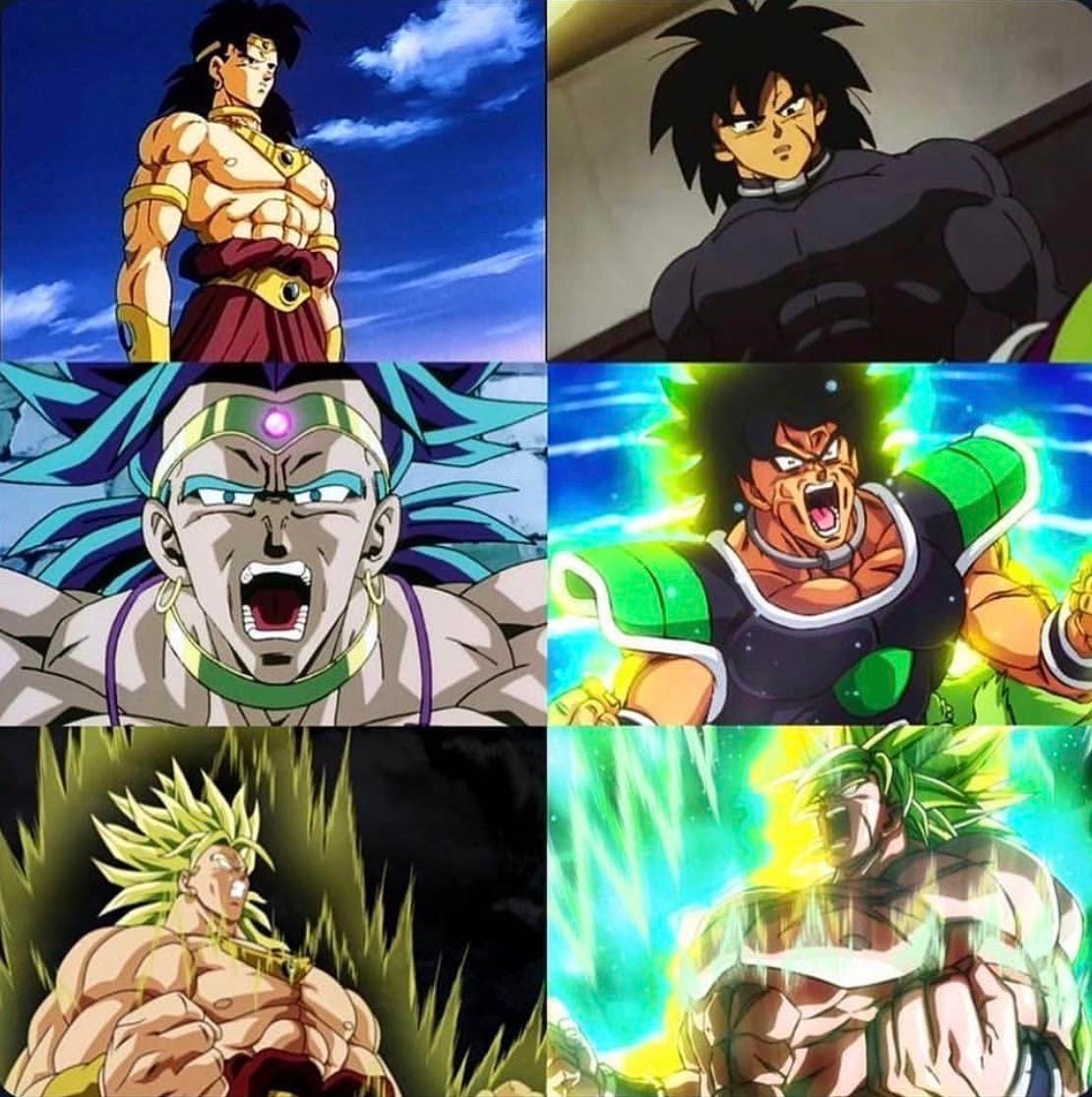
Then there is Broly.
Broly is what happens when Saiyan potential becomes a natural disaster.
He is not just strong. He is overwhelming. His power feels less like a trained skill and more like a storm system. He does not simply climb during battle. He erupts.
That makes Broly one of the most important angles in any conversation about Saiyan combat. Because he shows the danger of power without control.
Goku and Vegeta chase growth. Broly is growth with the safety off.
His strength outpaces his ability to understand it, regulate it, or direct it. He is not a polished fighter in the traditional sense. He is raw capacity pushed into motion.
From a sports lens, Broly is the athlete with once-in-a-generation physical gifts who never received the structure needed to shape them.
- No healthy program.
- No emotional regulation.
- No real support system.
Just power. And power by itself is not mastery.
That is the point. Broly is terrifying not because he is evil, but because his potential is bigger than his control.
Pride: The Saiyan Strength and the Saiyan Trap
If there is one emotional thread running through Saiyan combat, it is pride.
Saiyan pride can be incredible. It creates confidence. It creates fearlessness. It creates refusal. It makes a fighter stand up when common sense says stay down.
But pride is dangerous. Because pride can become arrogance.
- Raditz underestimates Earth.
- Nappa toys with opponents.
- Vegeta cannot stand being surpassed.
- Even Goku, in his own way, can let his love of the fight create risk.
That is the double edge of Saiyan combat.
The same trait that makes them push beyond limits can also make them ignore danger, underestimate opponents, or choose the harder fight because their instincts demand it.
In sports, we see this all the time. Confidence is necessary. Arrogance is expensive. The best athletes learn the difference. Saiyans often have to learn it the painful way.
Why This Matters
Saiyan combat matters because it takes one of the oldest sports debates and turns it into a species.
- Talent vs. training.
- Instinct vs. discipline.
- Pride vs. humility.
- Power vs. control.
- Winning vs. growth.
The Saiyans are born with incredible tools, but Dragon Ball constantly shows that the tools are not enough.
Raditz has the blood, but not the adaptability. Nappa has the strength, but not the discipline.
Vegeta has the elite gifts, but has to reshape his pride.
Goku has the instincts, but becomes great because he learns humility.
Gohan has the ceiling, but not the desire to live for combat.
Future Trunks has the power, but his fighting is shaped by loss.
Trunks and Goten have the talent, but not the same urgency.
Broly has the potential, but not the control.
That is what makes the Saiyans more than just “the strong alien race.” They are a full scouting report on what greatness can become depending on what shapes it.
Same engine.
Different drivers.
Different roads.
Different wrecks.
Different finish lines.
Modern Connection
Every sport has athletes who seem built different. The fighter with a chin that makes no sense. The running back who bounces off contact like physics forgot him. The basketball player who jumps like the floor personally offended him. The quarterback who sees the field before the play develops. The competitor who does not just handle pressure but seems to get stronger inside it.
Dragon Ball took that idea and built an entire race around it. Saiyans are the fantasy version of every athlete fans describe as “wired differently.”
But the best part is that Dragon Ball does not stop there. It asks what happens after the gift.
What happens when talent meets ego? What happens when power meets trauma? What happens when instinct meets discipline? What happens when a warrior is raised by kindness instead of conquest?
That is why Goku and Vegeta work so well together. They are not just rivals. They are two answers to the same Saiyan question.
Goku fights to discover what he can become. Vegeta fights to prove what he already believes he is. And over time, both of them change because the other keeps forcing the question.
That is great sports storytelling. Not just who wins. But what the competition reveals.
Final Whistle
Saiyans are different because combat is not just something they do. It is how they understand themselves.
For some, that becomes arrogance. For some, it becomes discipline. For some, it becomes trauma. For some, it becomes joy. For some, it becomes a burden they never asked to carry.
That is why the warrior race works. Not because every Saiyan is the same. Because every Saiyan shows a different version of what power can become.
Raditz shows talent without growth. Nappa shows strength without discipline. Vegeta shows pride trying to become purpose. Goku shows instinct transformed by humility. Gohan shows potential without the hunger for violence. Future Trunks shows survival sharpened into combat. Trunks and Goten show talent growing up without the same weight. Broly shows power without control.
Together, they prove the real lesson. Saiyan blood can make you dangerous. It cannot make you complete.
Most warriors fight to win. Saiyans fight to find out what they can become. But Dragon Ball makes one thing clear: Even the warrior race needs more than talent to get there.
The Ctrl+Binge Question
Which Saiyan combat style is the most dangerous?
Or Broly’s raw power?
Goku’s growth?
Vegeta’s pride?
Gohan’s hidden ceiling?
Future Trunks’ survival instinct?