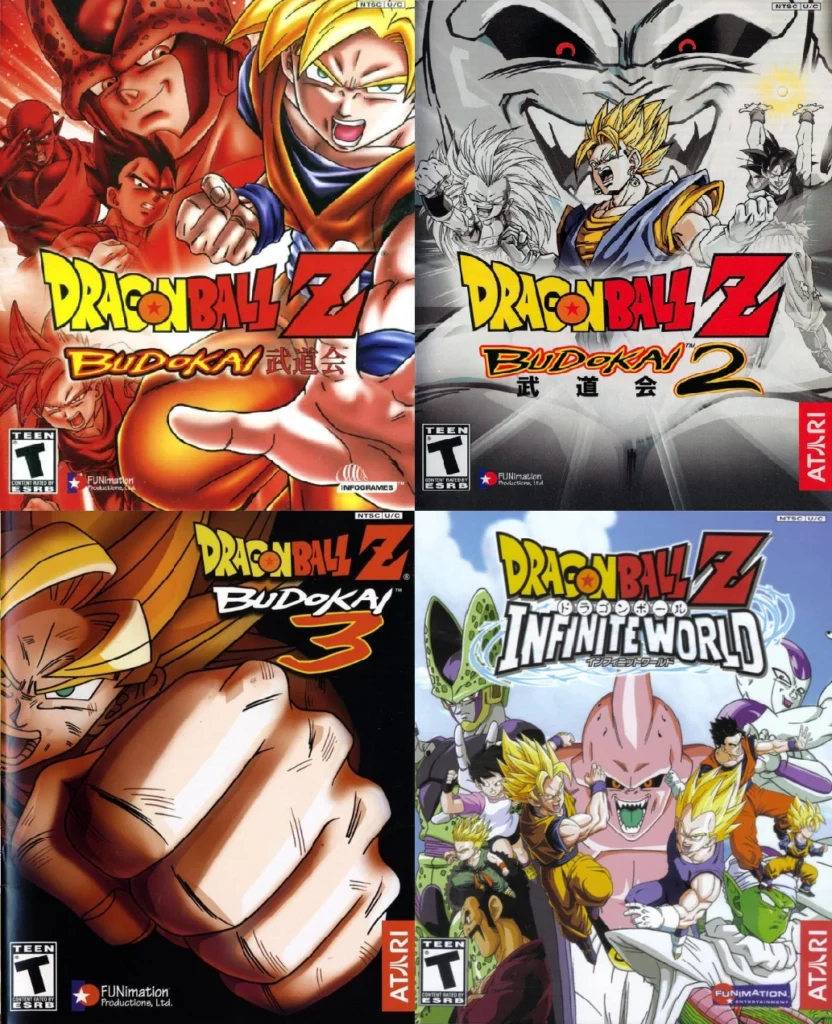
For an entire generation of fans, Dragon Ball didn’t truly arrive when they watched it. It arrived when they played it.
The controller vibrated. Goku screamed. Energy crackled across the screen. Two friends sat on opposite sides of a couch; each convinced they were about to become the strongest fighter in the universe.
And then someone launched a Kamehameha. For the first time, Dragon Ball wasn’t something we were watching. We were living it.
The Budokai games didn’t just become popular. They became the moment Dragon Ball gaming finally found its identity.
Everyone remembers Budokai.
- The beam struggles.
- The transformations.
- The capsule system.
- The endless hours spent replaying story mode.
- The arguments over who was stronger.
For many fans, Budokai was simply “the Dragon Ball game.”
It arrived at the height of Dragon Ball Z’s popularity in the West, riding a wave created by Toonami, after-school television, and playground conversations about Super Saiyans.
From the outside, it looked like perfect timing. The Dragon Ball Franchise was huge. Budokai was fun. Success followed. Simple. Except it wasn’t.
Because Dragon Ball gaming had already existed for more than fifteen years before Budokai ever arrived. Developers had experimented with adventure games, RPGs, card systems, and countless other approaches. Some were successful. Some were forgotten.
But none of them fully captured the feeling of being inside the anime. Then Budokai arrived. And everything changed.
Budokai wasn’t important because it was a good Dragon Ball game. Budokai was important because it was the first Dragon Ball game that truly made fans feel like they were controlling the anime itself.
DEEP DIVE
Mechanics — The Formula Finally Clicked
The greatest achievement of Budokai wasn’t innovation. It was translation. For years, developers had been trying to translate Dragon Ball into gameplay. Budokai finally figured out how.
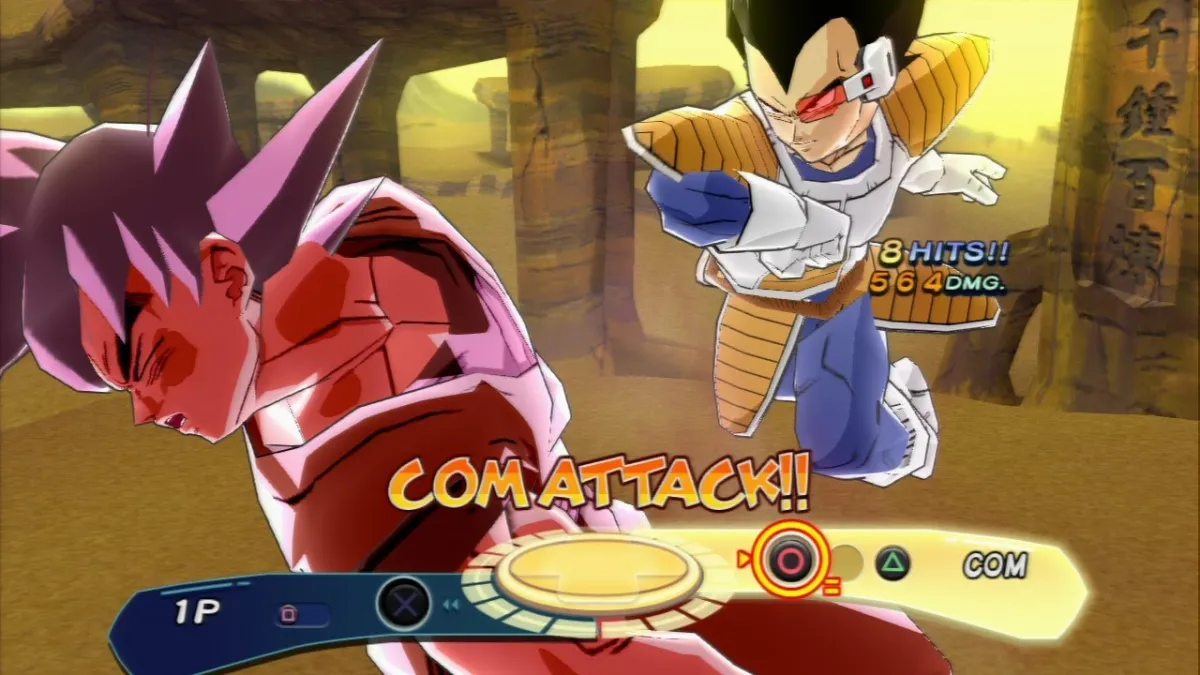
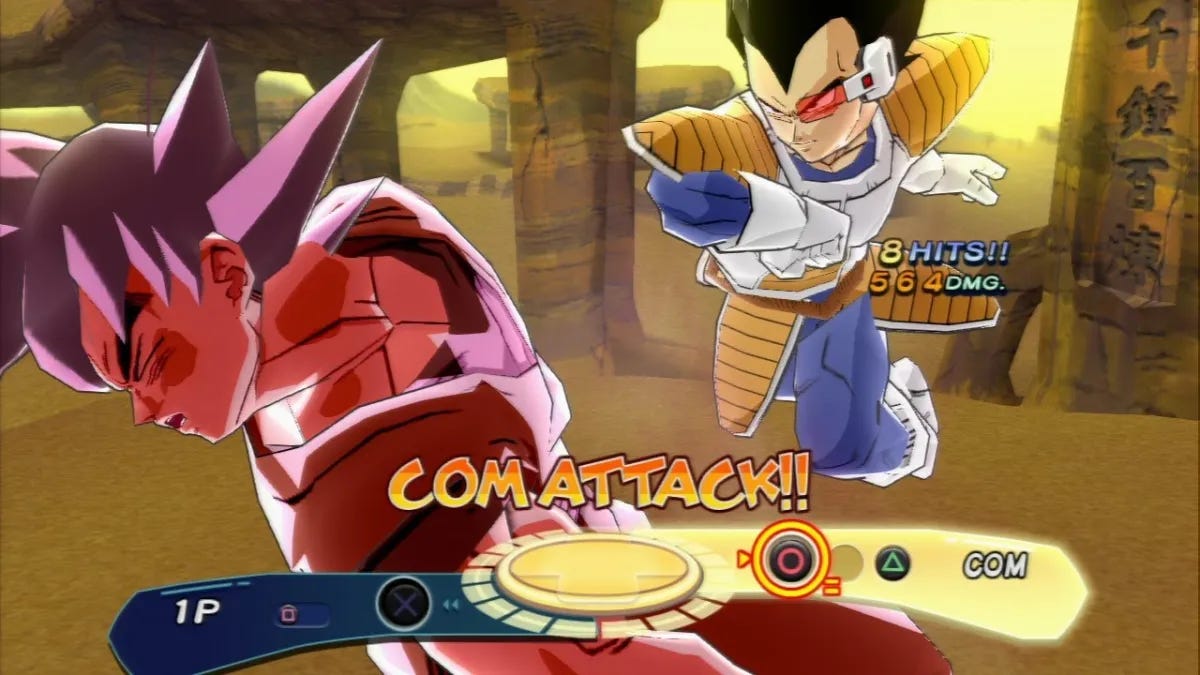
The fights were fast. The attacks were explosive. Transformations mattered. Special moves felt powerful. And for the first time, players could recreate the moments they had spent years watching on television.
The beam struggles became legendary. Friends mashed buttons with every ounce of strength they had, convinced effort alone could overpower a rival’s attack.
The capsule system added customization and experimentation. Characters gained new abilities. Players developed favorite builds. Suddenly there was strategy beyond simply choosing Goku or Vegeta.
Most importantly, every fight felt dramatic. Not realistic. Not balanced. Dragon Ball. And that’s exactly what fans wanted.
Story & Characters — Reliving The Greatest Anime Story of the Era
Modern audiences have streaming services. They have Blu-rays. They have YouTube clips. Dragon Ball fans in the early 2000s didn’t have those luxuries. Budokai became something more than a fighting game. It became a playable version of the series.
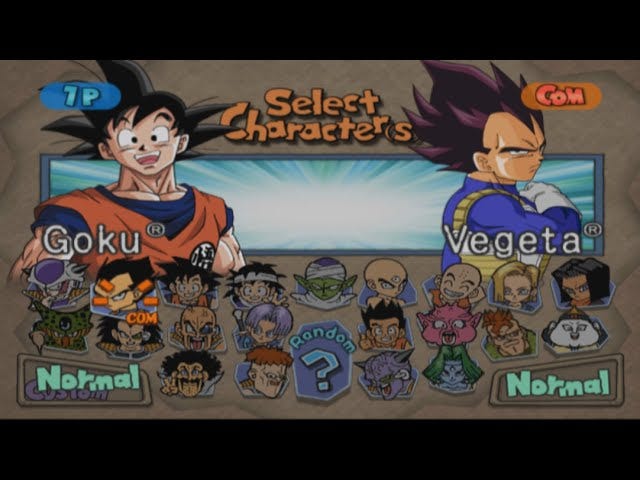
Players experienced the Saiyan Saga. The Frieza Saga. The Cell Saga. The Buu Saga. They unlocked characters. Watched iconic scenes. And stepped directly into some of anime’s most memorable moments.
For many younger fans, Budokai wasn’t supplementing Dragon Ball Z. It was helping tell the story. Every unlocked character felt like a reward. Every transformation felt like an achievement. Every new saga felt like turning another page in a story we already loved.
World / Visuals / Atmosphere — Anime Comes to Life
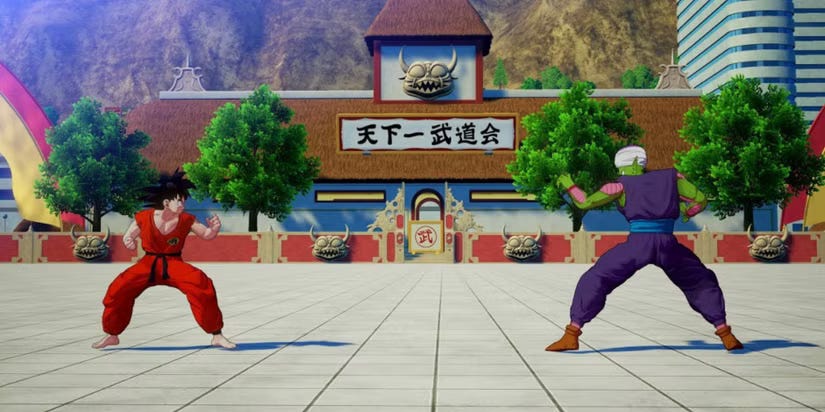
It’s easy to forget how impressive Budokai looked when it first launched. Today we’re used to anime games recreating television visuals almost perfectly. Back then, that wasn’t normal.
Budokai’s cel-shaded visuals helped bridge the gap between anime and gaming. Characters looked recognizable. Attacks looked authentic. Environments felt familiar.
The menus, loading screens, character portraits, and presentation all reinforced one idea: This wasn’t merely a licensed game. This was Dragon Ball.
The developers understood that authenticity mattered. Fans wanted to feel like they had stepped inside the show. Budokai delivered that fantasy.
Sound & Music — The Sound of a Generation
Close your eyes. You can probably still hear it.
- The charging energy.
- The impact of a heavy punch.
- The unmistakable sound of a Kamehameha.
The Budokai games understood how important audio was to the Dragon Ball experience. Voice lines carried weight. Transformations sounded powerful. Ultimate attacks felt dramatic. The soundtrack amplified every battle. Together, it created an experience that felt larger than life.
Even today, many fans can instantly recognize Budokai sounds after hearing them for only a few seconds. That’s the mark of something memorable.
The Budokai Arms Race
What makes the Budokai era fascinating is how quickly it evolved.
Budokai was successful. Budokai 2 became bigger. Budokai 3 became deeper.
Every release expanded the roster. Every release added new mechanics. Every release pushed closer toward the fantasy fans wanted.
The games became annual events. Players debated which entry was best. Friends discovered new transformations and secret characters. Entire afternoons disappeared into local multiplayer matches.
The franchise wasn’t just making games anymore. It was building memories.
WHY IT MATTERS
Budokai arrived at the perfect moment. Dragon Ball Z had exploded in popularity. Toonami was creating a generation of anime fans. Kids were drawing Super Saiyans in school notebooks. The internet was growing. Gaming was becoming mainstream. And suddenly there was a game that delivered exactly what those fans had imagined.
You could become Goku. You could become Vegeta. You could become Gohan. You could settle arguments yourself. You could recreate your favorite battles. You could create entirely new ones.
That’s why Budokai mattered. Not because it was technically perfect. Not because it invented Dragon Ball gaming. Because it fulfilled a fantasy. For millions of fans, it was the first time Dragon Ball felt truly interactive.
MODERN CONNECTION
Every major Dragon Ball game released today owes something to Budokai.
- Budokai Tenkaichi expanded the scale.
- Raging Blast expanded the spectacle.
- Xenoverse expanded the role-playing elements.
- FighterZ expanded the competitive fighting scene.
- Sparking! ZERO expands the roster and chaos beyond anything imaginable twenty years ago.
But all of them trace part of their DNA back to the Budokai era. Not because Budokai was the first Dragon Ball game. Because it was the breakthrough. The moment Dragon Ball gaming stopped searching for its identity and finally found it.
QUESTION
When you think of Dragon Ball gaming, which Budokai game comes to mind first? The original Budokai? Budokai 2? Budokai 3? Or was there another Dragon Ball game that defined your childhood?
For more than fifteen years, developers searched for the perfect Dragon Ball formula. Then Budokai arrived. And for a generation of fans, Dragon Ball gaming would never be the same again.