It sounds fictional.
A ball flying faster than most race cars on city streets.
Players catching it with curved baskets strapped to their hands.
A game once tied to gambling, danger, and packed arenas.
And somehow… most people have never seen it.
If you’ve heard of jai alai at all, it’s probably as a weird trivia answer.
That bizarre sport with the curved scoop things.
Maybe something your grandparents mentioned seeing in Florida. Maybe a passing reference in pop culture. Maybe just one of those “is that even still a thing?” sports.
And honestly? That’s fair.
Because jai alai does look strange at first glance.
It’s fast. Loud. A little intimidating. Like racquetball if someone handed anime characters weapons and told them to go full speed.
That’s the version most people know.
A forgotten oddity.
But that’s not the whole story.
Jai alai (pronounced HI-uh-lie) traces its roots to the Basque region of Spain and France, where a handball game called pelota had been played for centuries. Jai alai itself developed in the 19th century as a faster, more theatrical evolution of that tradition. Even the name means “merry festival” in Basque—which feels hilariously understated for a sport where the ball can come screaming at you faster than 180 miles per hour.
And yes.
That speed thing?
Real.
Jai alai has long been marketed as one of the fastest ball sports in the world. Players use a curved wicker cesta (that scoop-like basket strapped to the hand) to catch and launch a hard pelota off a three-walled court called a fronton.
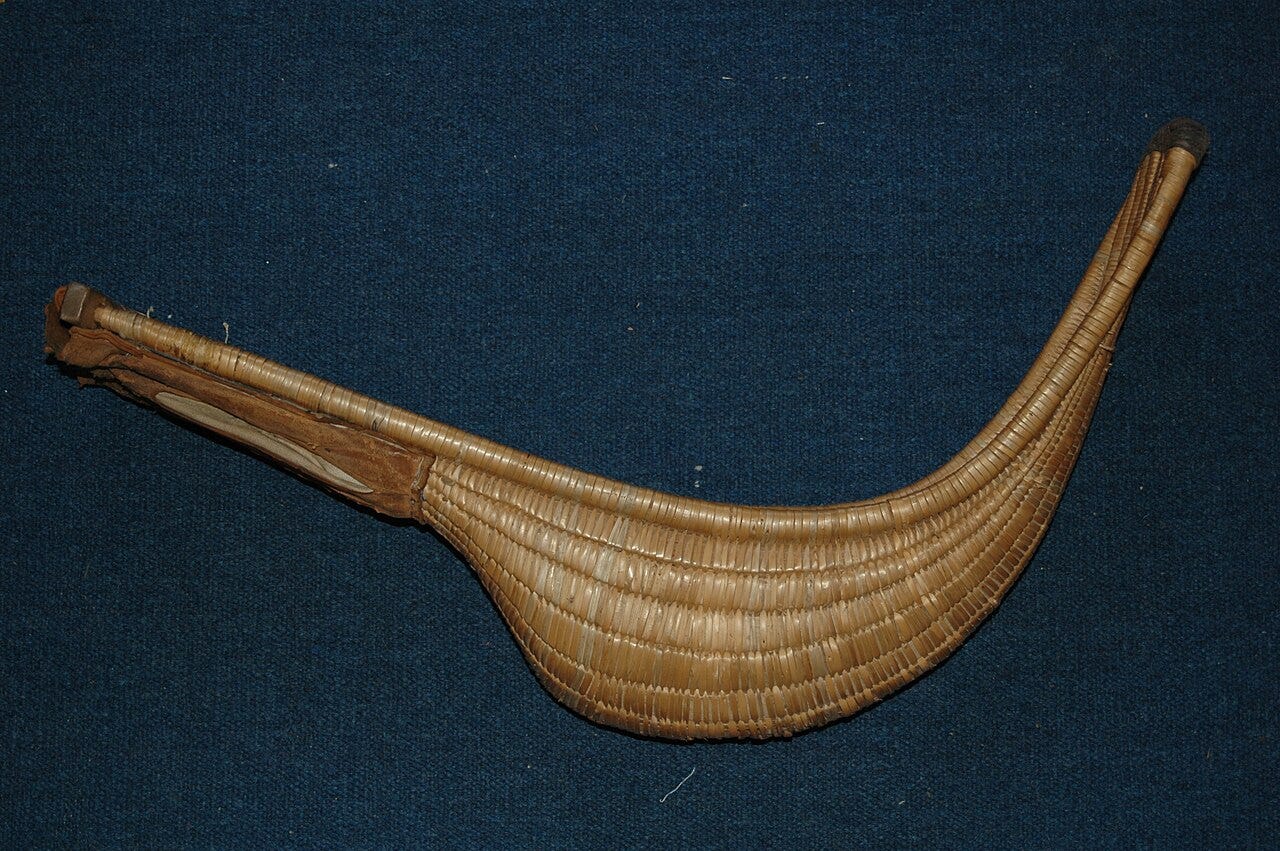
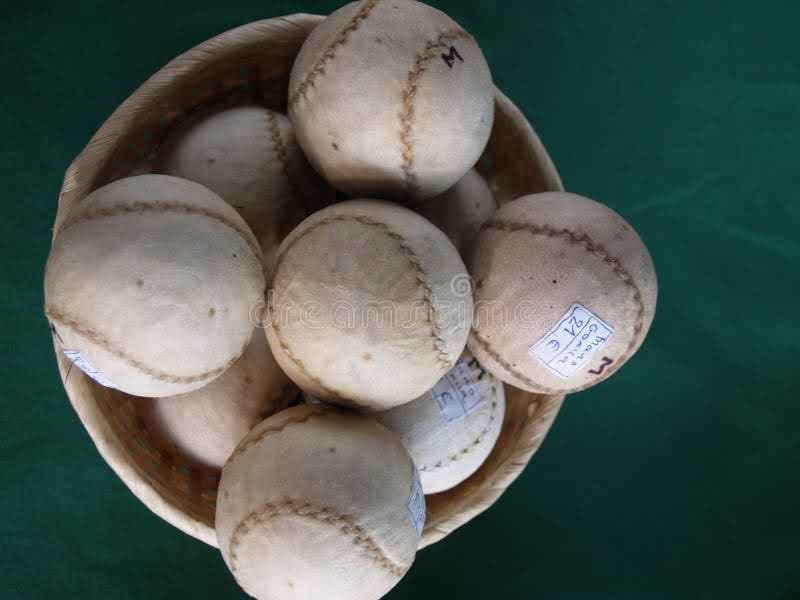
Think of it like racquetball, baseball pitching mechanics, and gladiatorial reflexes all had a very intense child.
The objective is beautifully simple: don’t let the other side return the ball legally.
Points are scored when your opponent:
- Fails to catch the ball cleanly
- Lets it bounce illegally
- Throws it out of bounds
- Misses the required return
Traditionally, matches could be singles or doubles, and classic scoring had a “king of the court” energy where players rotated in and out based on results. Modern formats vary, but the core remains the same:
Catch. Fire. React.
Immediately.
There’s almost no dead time.
Which makes it feel insane to watch.
And culturally? Jai alai absolutely exploded in the United States during the mid-20th century, especially in Florida.
Why?
Two reasons:
Speed.
And gambling.
Jai alai became deeply connected to betting culture, much like horse racing or greyhound tracks. Massive frontons drew crowds who weren’t just there for the sport—they were there for action. Money on outcomes changes the emotional temperature of any game.
But that relationship became part of the problem.
Labor disputes hit hard in the 1980s. Betting culture shifted. New entertainment options arrived. Casinos evolved. The audience aged.
And suddenly, this once-electric phenomenon started fading from mainstream relevance.
Not because the sport got worse.
Because culture moved.
Jai alai is one of those perfect reminders that popularity and greatness are not the same thing.
Some sports dominate because they’re accessible. (Soccer)
Others because they’re marketed well. (American Football)
And some?
Some are absolute spectacles that somehow slip through the cracks.
Jai alai feels like discovering a forgotten boss battle.
A game so extreme it almost doesn’t make sense that it exists.
And maybe that’s why it sticks with people who find it.
Because it feels like a relic from an alternate timeline where this became the mainstream sport.
Honestly?
Jai alai feels absurdly anime.
The speed.
The impossible reaction times.
The weaponized equipment.
Tell me this doesn’t feel like something from a sports anime where the rival school’s captain throws a ball so hard it leaves scorch marks.
Or a fighting game mechanic where timing and counters are everything.
If Blue Lock made soccer feel like psychological warfare…
Jai alai already is that.
It’s also weirdly perfect for the internet age.
Short bursts. Highlight-friendly. Instant tension.
The kind of sport TikTok should’ve rediscovered by now.
QUESTION
If a sport this fast, this intense, and this visually wild launched today with the right marketing…
Do you think jai alai becomes huge?
Or was it always destined to be a fascinating niche?