From Ancient Folklore to Dracula, Blade, and Beyond
Everybody knows vampires.
- Pale skin.
- Sharp fangs.
- Black capes.
- A castle somewhere in Eastern Europe.
Maybe they sparkle. Maybe they brood dramatically while staring into the distance. Maybe they’re immortal aristocrats with suspiciously perfect hair.
For most of us, the vampire arrives fully formed. Dracula. Then everything that came after him. But here’s the strange thing: The first vampires didn’t look like Dracula.
They weren’t charming. They weren’t seductive. And they definitely weren’t romantic.
The earliest vampire stories describe something much worse. Bloated corpses. with rotting bodies. The dead returning home. Family members wasting away from mysterious illnesses. Entire villages digging up graves in the middle of the night because they believed someone buried beneath the earth was still feeding on the living.
Long before vampires became creatures of temptation… They were creatures of fear. And that raises a fascinating question: How did one of history’s ugliest monsters become one of pop culture’s most beloved?
Because the answer takes us through ancient myths, medieval panic, a real-life warlord, and one Irish author who accidentally changed vampire lore forever.
If someone says “vampire,” most of us picture roughly the same thing; A supernatural being that survives by drinking blood.
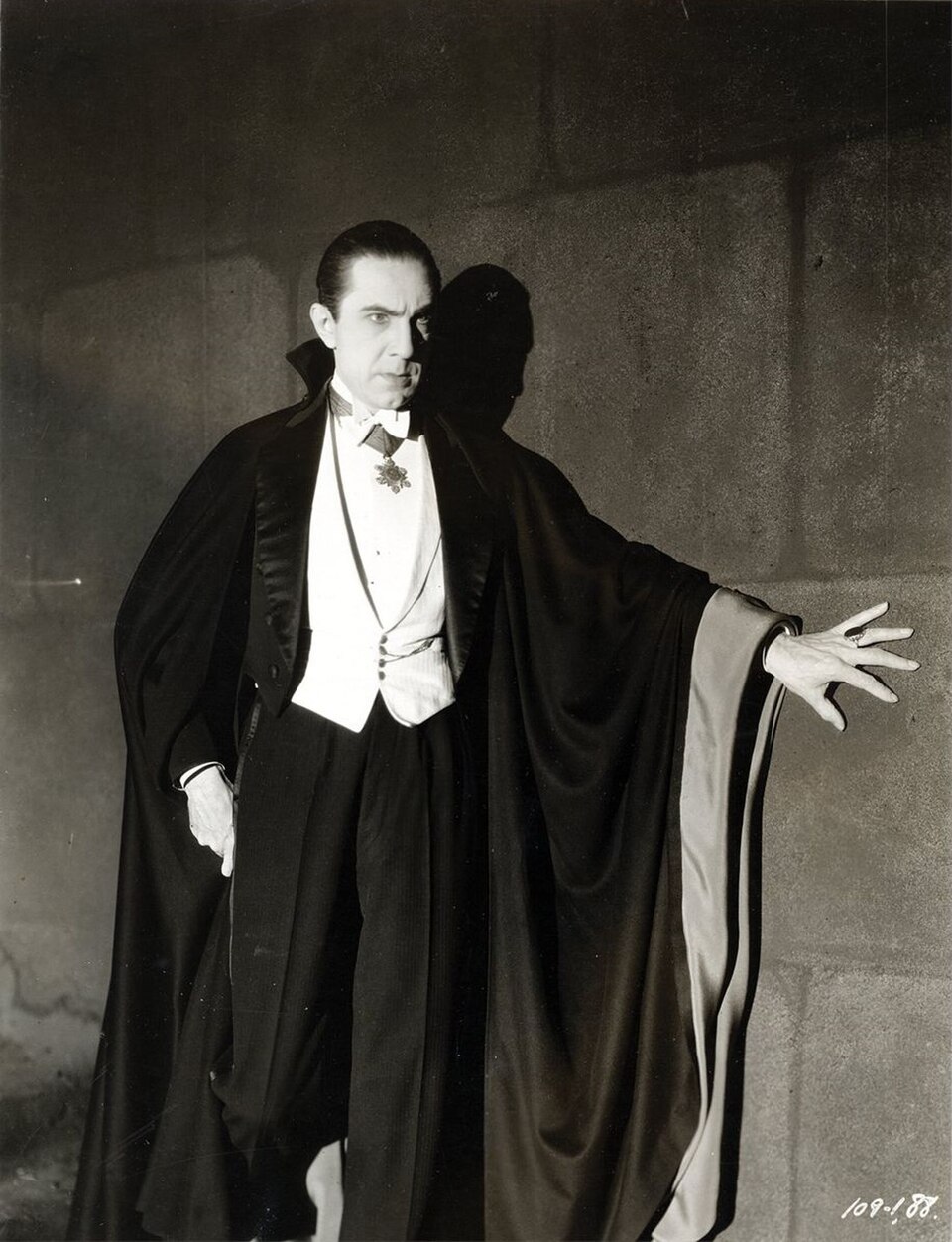
Usually that being is immortal, pale and powerful. It is not unusual for vampires to be elegant and dangerous They are almost always charismatic. They sleep in coffins. and avoid sunlight. And some transform into bats. A lot of vampires also possess some combination of hypnotic powers, superhuman strength, and an impressive wardrobe budget.
Most modern vampire stories trace their DNA back to Dracula. Published in 1897 by Bram Stoker, Dracula introduced many of the traits we now consider standard vampire lore. The mysterious nobleman. The Transylvanian castle. The connection to bats. The blend of horror and seduction.
From there, vampires exploded into popular culture.
- Universal Monsters.
- Hammer Horror.
- Anne Rice.
- Buffy.
- Twilight.
- Castlevania.
- What We Do in the Shadows.
The vampire became endlessly adaptable. A monster then a villain. A tragic hero then love interest. Sometimes all four at once. But there’s one problem. The folklore that inspired Dracula looked almost nothing like Dracula himself.
Then history takes a hard left turn.
ORIGINS: BEFORE DRACULA
One of the biggest misconceptions about vampires is that they began in Transylvania.
They didn’t.
The idea of something returning from the dead to feed on the living is ancient.
…Really ancient.
Some of the earliest examples appear in Mesopotamian mythology thousands of years ago. Stories describe malevolent spirits that preyed upon the living, particularly at night. Many scholars point to figures like the Lilitu as distant ancestors of later vampire traditions.
Ancient Greece had its own versions. So did Rome. So did countless cultures across Europe, Asia, and the Middle East. The details changed. The fear stayed the same.
Because at their core, vampire stories weren’t really about blood. They were about death. More specifically: They were about death refusing to stay dead.
Imagine living in a village centuries ago.
- No electricity.
- Limited medicine.
- Little understanding of disease.
A family member dies. Then another. Then another. Something is killing people. Nobody knows what. What explanation do you reach for? For many communities, the answer became simple: Someone who died wasn’t staying dead.
THE AGE OF VAMPIRE PANIC
The vampire truly takes shape in Eastern Europe. Particularly in regions that now include Serbia, Romania, Bulgaria, Hungary, and neighboring areas. During the 1600s and 1700s, reports of vampires spread like wildfire. And here’s the wild part: People genuinely believed them. Not as stories. Not as folklore. As real threats.
Entire villages accused deceased neighbors of returning from the grave. Officials documented investigations. Military officers recorded reports. Religious authorities became involved. When someone was suspected of being a vampire, graves were opened. What they found only reinforced their fears. Because nobody understood decomposition.
A body buried for weeks might appear:
- swollen
- red-faced
- bloated
- leaking fluids
To modern science, that’s normal decomposition. To someone in 1720? It looked like the corpse had been feeding. The dead appeared healthier than expected. More alive than they should have been. And panic followed.
People drove stakes through bodies. Decapitated corpses. Burned remains. Scattered ashes. Not because they were monsters. Because they were terrified. The original vampire wasn’t an elegant nobleman. It was your dead neighbor. And to be fair?
That’s much scarier.
ENTER VLAD THE IMPALER
Eventually, we arrive at the most famous name in vampire history.
Dracula.
Except Dracula wasn’t originally a vampire. He was a real person. Vlad III Dracula ruled Wallachia in the 15th century. His father belonged to the Order of the Dragon. The Romanian word “Dracul” became associated with dragon imagery and eventually evolved into the family name Dracula. Vlad earned a different nickname.
“The Impaler.”
Because he really liked impaling enemies on wooden stakes. A lot. Historical accounts vary.
Some are undoubtedly exaggerated. But even the conservative versions paint a picture of a brutal ruler.
Stories describe forests of impaled bodies. Enemies left as warnings. Psychological warfare on a scale that would make modern horror writers jealous. Was Vlad a vampire? No. Did Bram Stoker use him as inspiration? Sort of.
Stoker discovered the name “Dracula” during his research and thought it sounded fantastic. And honestly? He was right. The real Vlad contributes surprisingly little to Dracula’s actual personality. But the name? The name was perfect. And it would become immortal.
Stoker’s novel, Dracula, didn’t invent vampires. But it did something arguably more important. It standardized them. Dracula gave the world a vampire that could travel.
· A vampire that could seduce.
· A vampire that could think.
· A vampire that could plan.
Count Dracula wasn’t simply a corpse wandering out of a grave. He was intelligent, patient, cultured, and terrifying. And perhaps most of all…he was memorable.
The novel blended Eastern European folklore, Victorian anxieties, superstition, modern technology, religion, and horror into one package. Suddenly the vampire wasn’t just a local legend. It was a global phenomenon.
Dracula became the template. Not because he was first. Because he was the version everyone remembered. In many ways, Bram Stoker did for vampires what Tolkien later did for fantasy. He didn’t create the idea. He defined the version that survived.
THE WEIRD STUFF THEY DON’T TELL YOU
This is where vampire lore gets wonderfully strange. Because the original folklore doesn’t always match what movies taught us.
Sunlight Didn’t Originally Kill Vampires
This surprises almost everyone. The classic “burst into flames at sunrise” weakness is largely a modern invention. Many early vampire stories describe creatures that could move during daylight hours. They might be weaker. They might avoid crowds. But sunlight wasn’t automatically fatal. That rule became popular much later through film and television. One of the most famous vampire weaknesses? Basically, a Hollywood patch note.
Some Vampires Didn’t Drink Blood
Another surprise. Many folklore vampires weren’t obsessed with blood. Some spread disease. Some drained life force. Some suffocated victims while they slept. Some simply caused bad luck and illness.
The blood-drinking aspect became dominant over time, but folklore vampires often acted more like supernatural explanations for unexplained death.
The Original Vampire Was Ugly
Very ugly. Forget pale aristocrats. Forget perfect hair. Forget romantic immortals. Many early descriptions portray vampires as:
- swollen
- bloated
- red-faced
- decomposing
- foul smelling
Why? Because people were observing real corpses. Bodies naturally bloat during decomposition. Without understanding the science, people interpreted these changes as evidence the dead had been feeding.
The original vampire looked less like a gothic heartthrob and more like a walking nightmare.
Governments Actually Investigated Vampires
That sounds made up. It isn’t. During several vampire panics in Eastern Europe, officials documented investigations.
· Military officers.
· Priests.
· Local authorities.
All recorded reports of suspected vampire activity. Graves were opened. Bodies were examined. Testimonies were collected. People were absolutely convinced they were dealing with a real threat. For a brief period, vampires weren’t folklore. They were considered a legitimate public concern. Which is somehow both fascinating and deeply unsettling.
POP CULTURE TAKEOVER
If Bram Stoker made the modern vampire… Pop culture spent the next century reinventing it. First came Dracula.
Then came Hollywood.
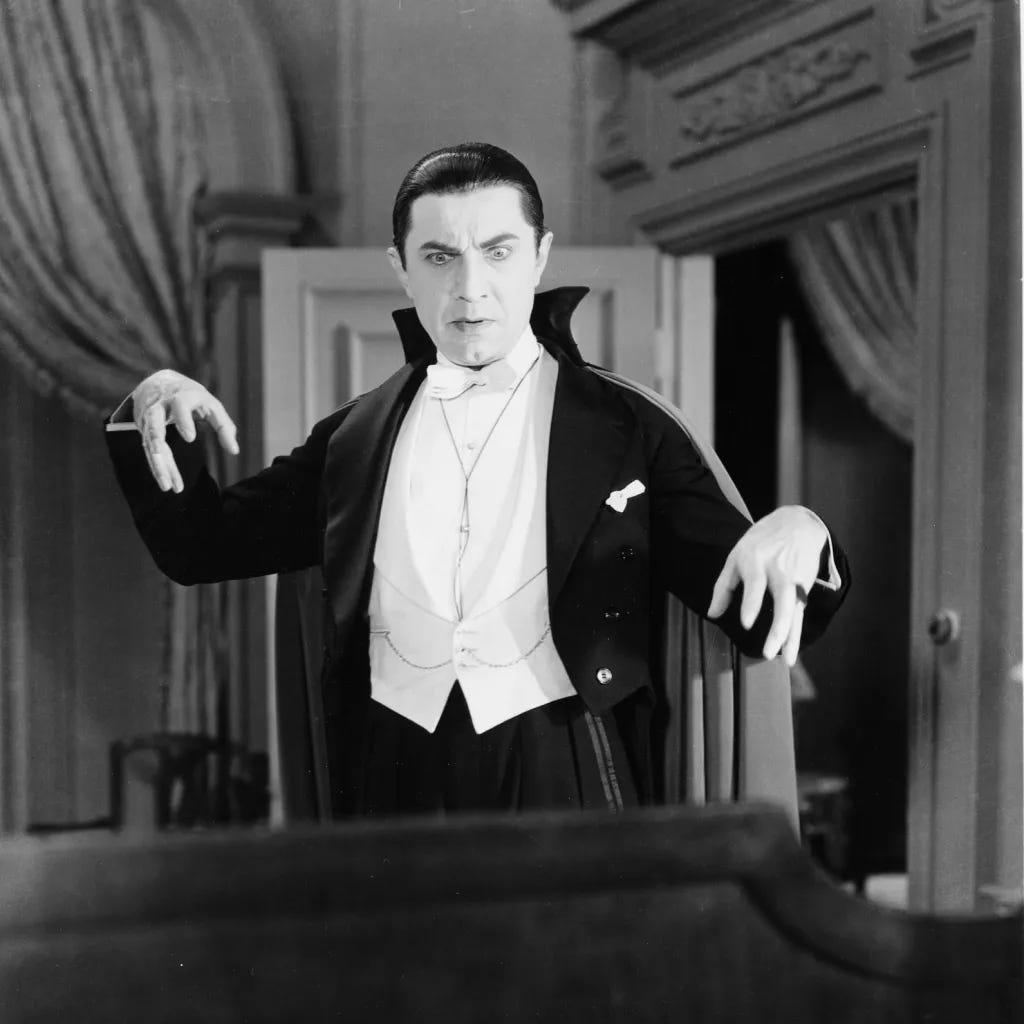
Bela Lugosi transformed Dracula into the elegant, hypnotic aristocrat most people still picture today.
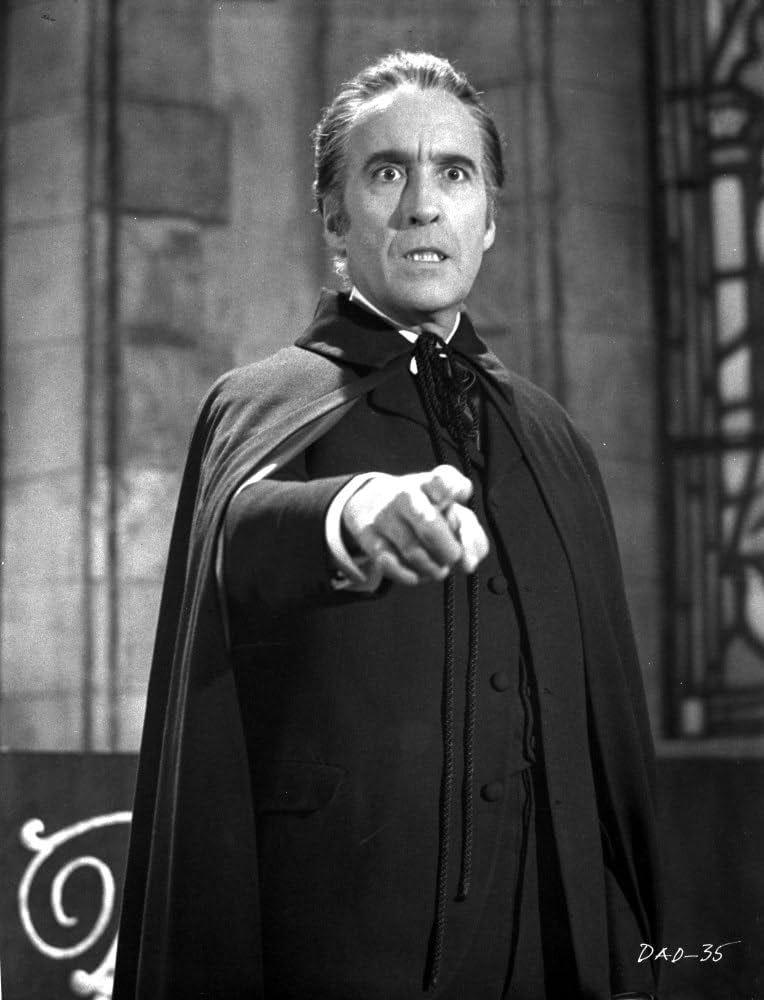
Christopher Lee added physical menace and gothic grandeur.
The vampire became sophisticated. Dangerous. Seductive. Then came another transformation.
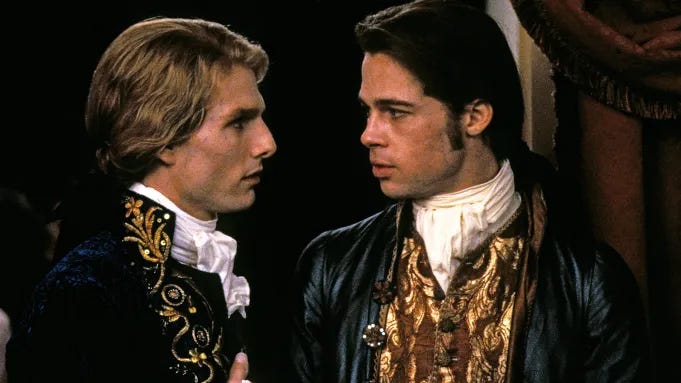
Anne Rice’s Interview with the Vampire asked a new question: What if being a vampire wasn’t power fantasy? What if it was tragic? Suddenly vampires were wrestling with guilt. Loneliness. Identity. Immortality itself. Then everything changed again.
Enter Blade.
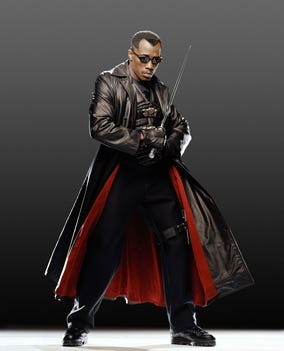
The Daywalker. For generations, vampires had been the monsters. Now a vampire was the hero. Blade didn’t run from vampires. Vampires ran from Blade. Marvel and Wesley Snipes helped transform vampire fiction into comic strips and action cinema, opening the door for a new generation of supernatural storytelling.
From there, the floodgates opened.
· Buffy the Vampire Slayer became a kickass superheroine who’d kill and sometimes love vampires.
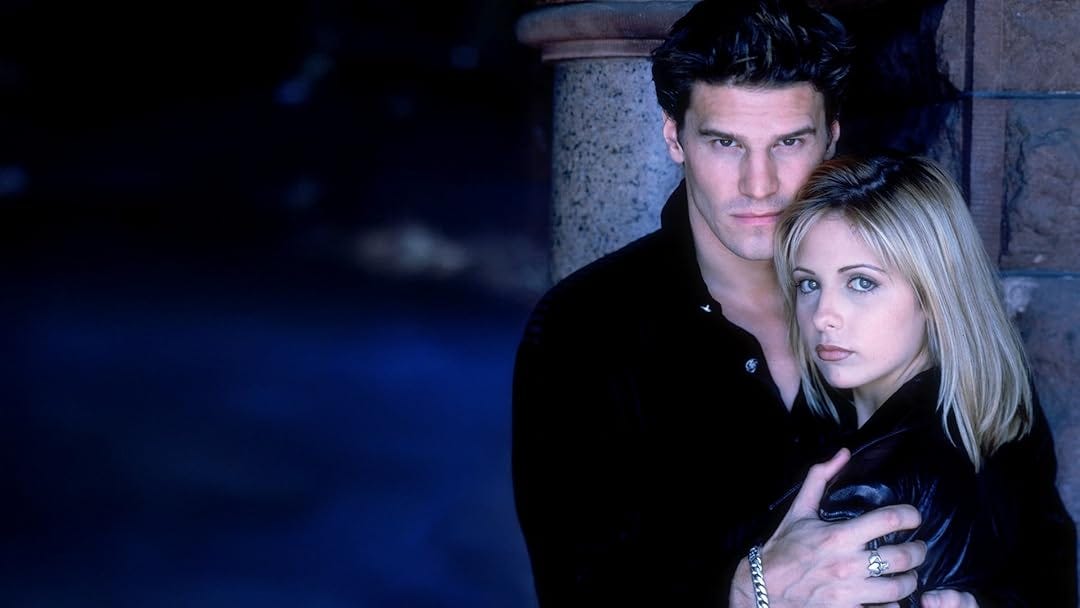
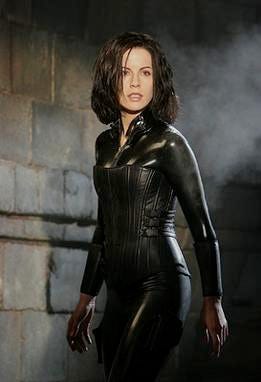
· Underworld introduced us to Selene and a kind of Vampire Society and their war with Werewolves.
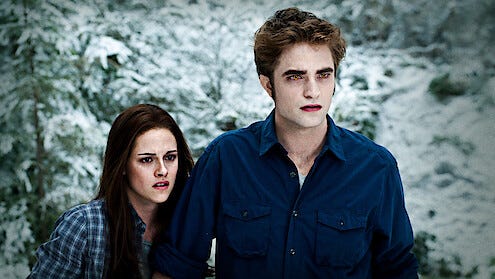
· Twilight featured a human falling in love and turning into a vampire for love.
The Vampire Diaries. Castlevania. What We Do in the Shadows. Hellsing. Every generation built a new vampire. The corpse became a count. The count became a tragic immortal. The immortal became an action hero. And somehow the monster survived every transformation.
WHY WE KEEP TELLING THIS STORY
Because vampires evolve alongside our fears. The earliest vampires reflected fear of death. The fear that the grave wasn’t the end. The fear that something buried might come back. Then they became symbols of disease. A way to explain illness before science understood infection. Then they became symbols of temptation. Power. Sexuality. Forbidden desire.
Dracula isn’t scary because he’s strong. He’s scary because people want to follow him. Modern vampires added another layer. Identity. Isolation. Immortality. The question stopped being: “What if a vampire gets me?” And became: “What if I became one?”
That’s why the vampire survives when so many monsters fade away. Most monsters represent one fear. Vampires represent whatever fear society is currently wrestling with. They’re infinitely adaptable. Which makes them immortal in a way even vampires would appreciate.
CTRL+BINGE CONNECTION
This is why vampires show up everywhere. Not just horror. Everything.
· Anime.
· Games.
· Comics.
· Movies.
· Tabletop RPGs.
The vampire may be the most successful monster ever created. Horror fans get Dracula. Comic fans get Blade. Anime fans get Alucard from Hellsing. Gamers get Castlevania. Fantasy fans get Vampire: The Masquerade. Romance readers get Twilight. Comedy fans get What We Do in the Shadows.
Same monster. Different audience. Different century. Different fear. That’s an incredible amount of staying power for a creature that started as a village nightmare.
FINAL PUSH
Maybe vampires never really die because they were never one thing to begin with. They’re folklore.
· History.
· Fear.
· Desire.
· Death.
· Transformation.
Wrapped into a single creature. The bloated corpse in a forgotten grave became a count in a castle. The count became a tragic immortal. The immortal became a superhero. And somehow, after thousands of years… We’re still inviting them inside. Maybe that’s the real magic of vampires. Not that they live forever. That their stories do.
THE QUESTION THAT LINGERS
What is the definitive vampire? The monster from folklore? Dracula? Blade? Alucard? Edward Cullen?
Or does every generation create the vampire it needs most?