He’s fourteen. He skips school. He fights. He mouths off to adults. Teachers expect the worst from him.
Most people around town have already decided exactly what kind of kid Yusuke Urameshi is going to become.
Then he sees a child about to be hit by a car. Yusuke pushes him out of the way. And dies.
Welcome to Yu Yu Hakusho.
Happy Bingetober.
There may not be a better anime for kicking off spooky season because ghosts, demons, Spirit World and supernatural investigations are baked directly into its foundation.
But the best thing about Yu Yu Hakusho isn’t that its hero comes back from the dead. It’s why he gets the chance.
Yusuke begins the story thinking his life doesn’t mean very much. Then he dies and discovers something horrifyingly beautiful: People cared.
His death hurt them. The delinquent everybody had written off had left a hole behind.
The demons come later. The tournaments come later. The Spirit Gun comes later.
At its heart, Yu Yu Hakusho begins with a boy dying for someone else… and becomes the story of that boy slowly learning that his own life was worth fighting for too.
The Elevator Pitch
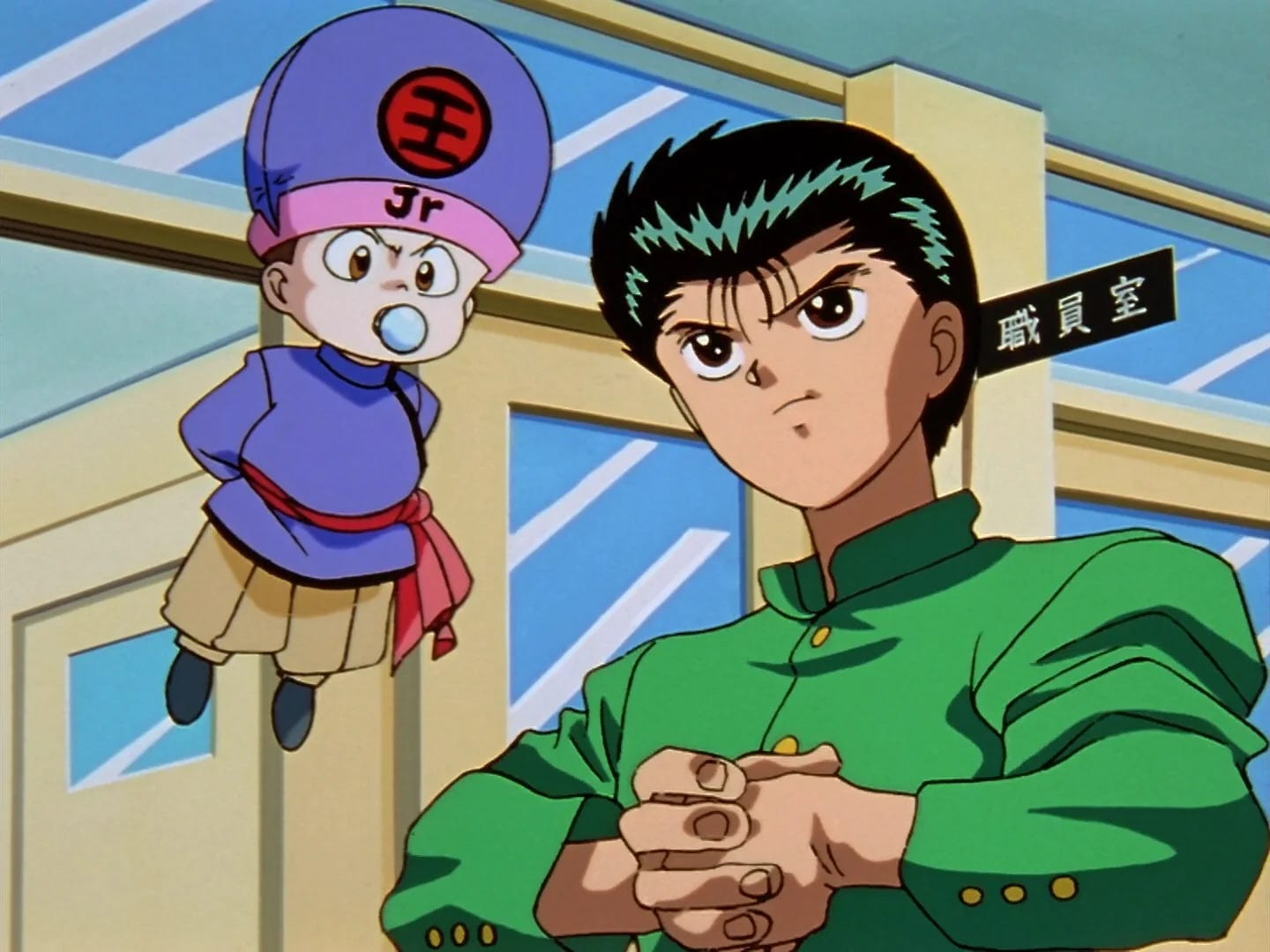
Yu Yu Hakusho comes from Yoshihiro Togashi, the creator who would later give us Hunter x Hunter.
The manga began in 1990, with the anime adaptation following in 1992.
Our protagonist is Yusuke Urameshi, a teenage delinquent who dies almost immediately after unexpectedly sacrificing himself to save a child.
There’s just one problem.
- He wasn’t supposed to die.
Even Spirit World apparently looked at Yusuke’s file and went: Wait… HE did something heroic?
His death was so unexpected that the afterlife isn’t prepared for him. So, Yusuke is given an opportunity to return.
From there, he eventually becomes a Spirit Detective, investigating supernatural activity involving ghosts, demons and the increasingly complicated relationship between the Human World and Demon World.
That premise gradually grows.
Small supernatural cases become dangerous missions. Dangerous missions become battles. Battles become tournaments.
Tournaments become conflicts involving incredibly powerful demons, complicated morality and questions about what separates humans from monsters in the first place.
But through all of that escalation, Yu Yu Hakusho remains remarkably character-driven.
Because this isn’t really the story of Yusuke becoming powerful.
It’s the story of Yusuke finding people worth becoming powerful for.
The Familiar Version
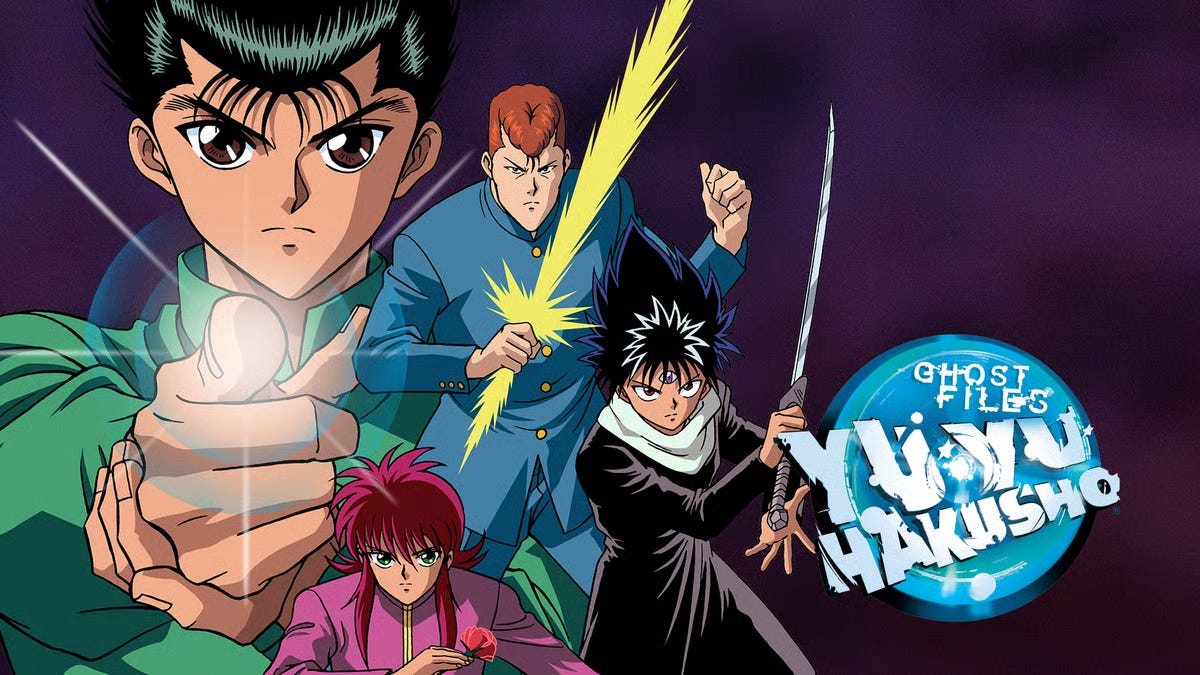
Most anime fans know Yu Yu Hakusho as one of the great old-school battle shōnen. And that’s completely fair.
- Spirit Gun.
- Dark Tournament.
- Toguro.
- Hiei being Hiei.
- Kurama politely explaining exactly how dead somebody is about to become.
- Kuwabara refusing to stay down because apparently common sense has never defeated friendship.
The series absolutely helped define the kind of battle anime that would dominate for decades afterward.
You have training. Signature techniques. Power escalation. Tournament brackets. Rivals. Demons. Transformations.
Characters revealing they were considerably stronger than you thought approximately twelve seconds after you were convinced they had reached their limit.
If you grew up on Naruto, Bleach, Jujutsu Kaisen or countless other action series, Yu Yu Hakusho contains DNA that will feel immediately recognizable.
But reducing it to “great fighting anime” leaves out the reason people still care about these characters more than thirty years later.
Because beneath the Spirit Energy and demon fights is something much smaller.
A group of people who probably shouldn’t fit together… becoming the people each of them trusts most.
That’s where Yu Yu Hakusho becomes special.
The supernatural hook gets Yusuke through the door. The battles make the series legendary.
But neither is the real reason Yu Yu Hakusho sticks.
The real story is about a kid who begins convinced nobody expects anything from him…
and gradually builds a life filled with people who expect him to come home.
Yusuke Urameshi — The Kid Everyone Already Gave Up On
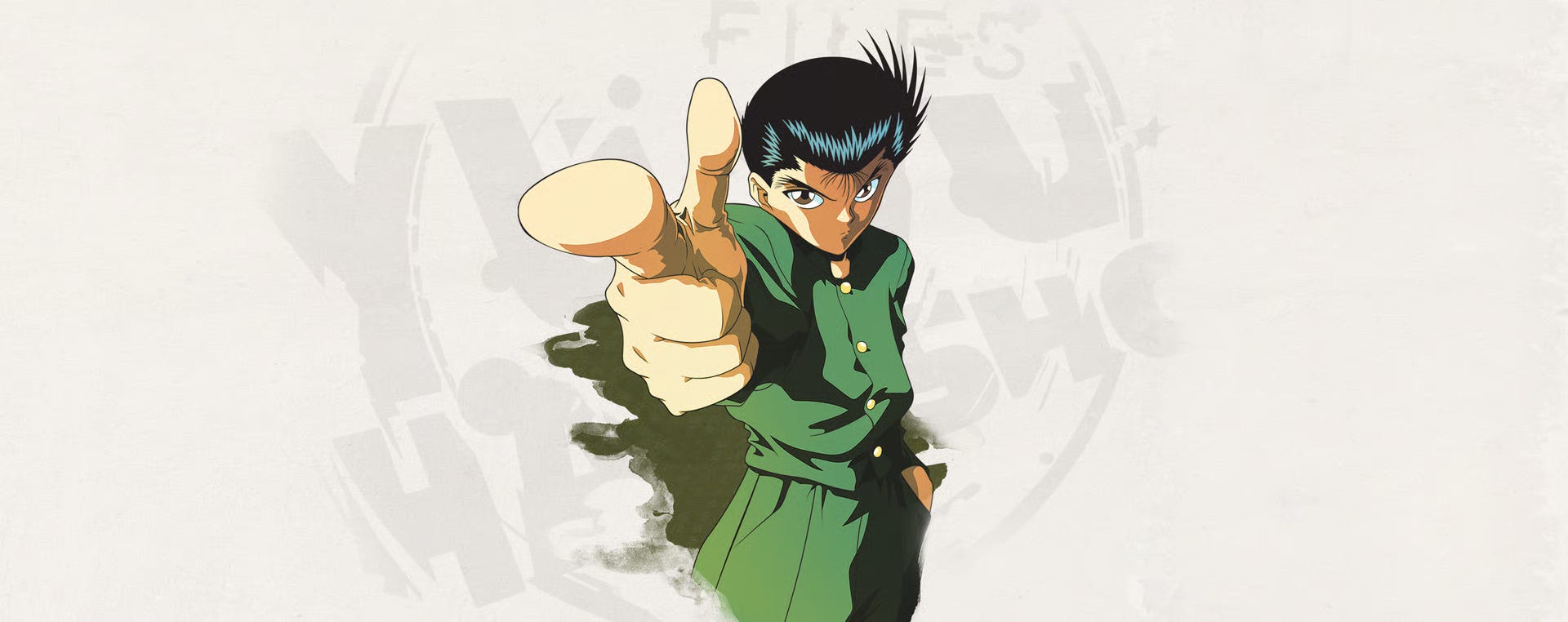
Yusuke is one of anime’s great protagonists because he is allowed to be difficult.
- He’s rude.
- Impulsive.
- Lazy.
- Quick to fight.
- Suspicious of authority.
He can be selfish. He can be incredibly stupid.
And he is also deeply compassionate in ways he doesn’t always know how to express.
That’s important.
Because the story never reveals that everyone was secretly wrong about Yusuke because he was actually a perfectly behaved sweetheart underneath everything.
No.
Yusuke can absolutely be an asshole.
But being an asshole and being worthless are not the same thing.
That distinction sits at the heart of his character.
Adults look at his behavior and decide they know his future.
Troublemaker. Delinquent. Lost cause.
Then his very first major action proves there is more inside him than anyone bothered to look for.
He dies saving a child.
Not because someone promised him a reward. Not because he knew it would lead to supernatural powers. Not because destiny demanded it.
He just saw someone who needed help.
And moved.
Yusuke spends much of the series pretending things don’t matter as much as they actually do.
That’s one of his defense mechanisms.
But the people around him slowly make that impossible.
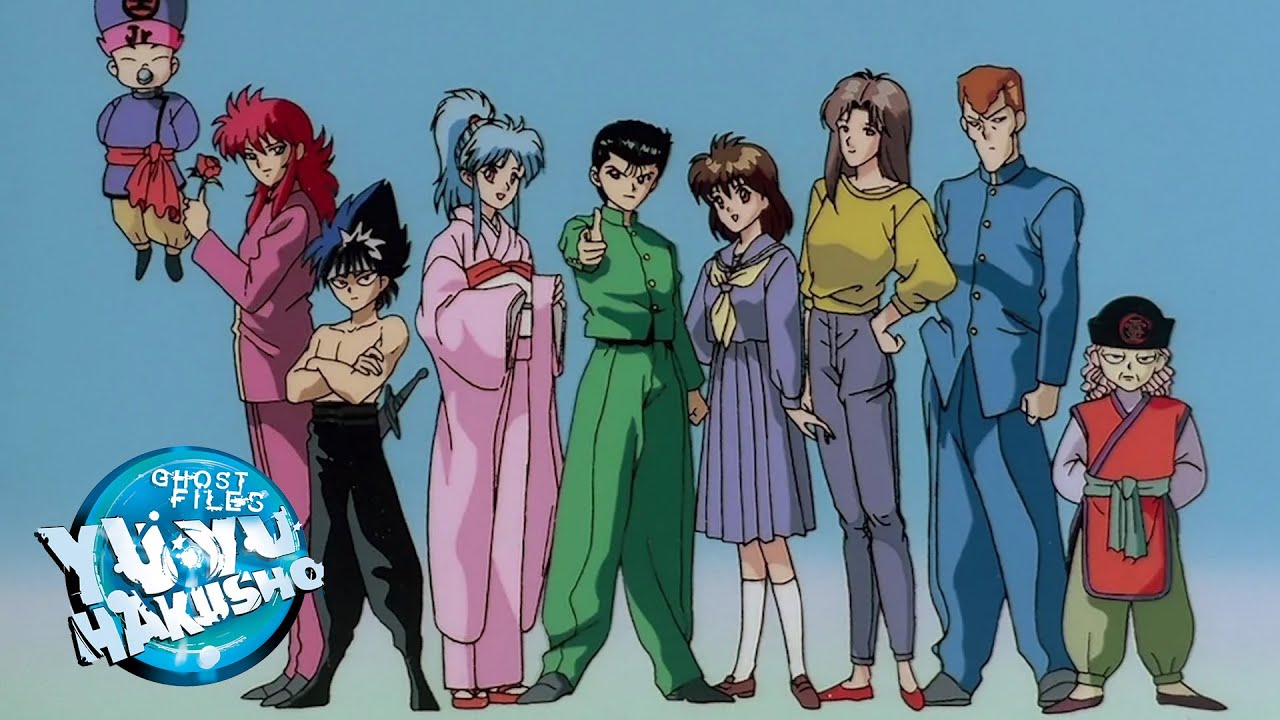
Keiko matters. Kuwabara matters. Genkai matters. Kurama matters. Hiei matters.
And eventually Yusuke has to confront the possibility that maybe he matters too.
Kazuma Kuwabara — The Realest One in the Room
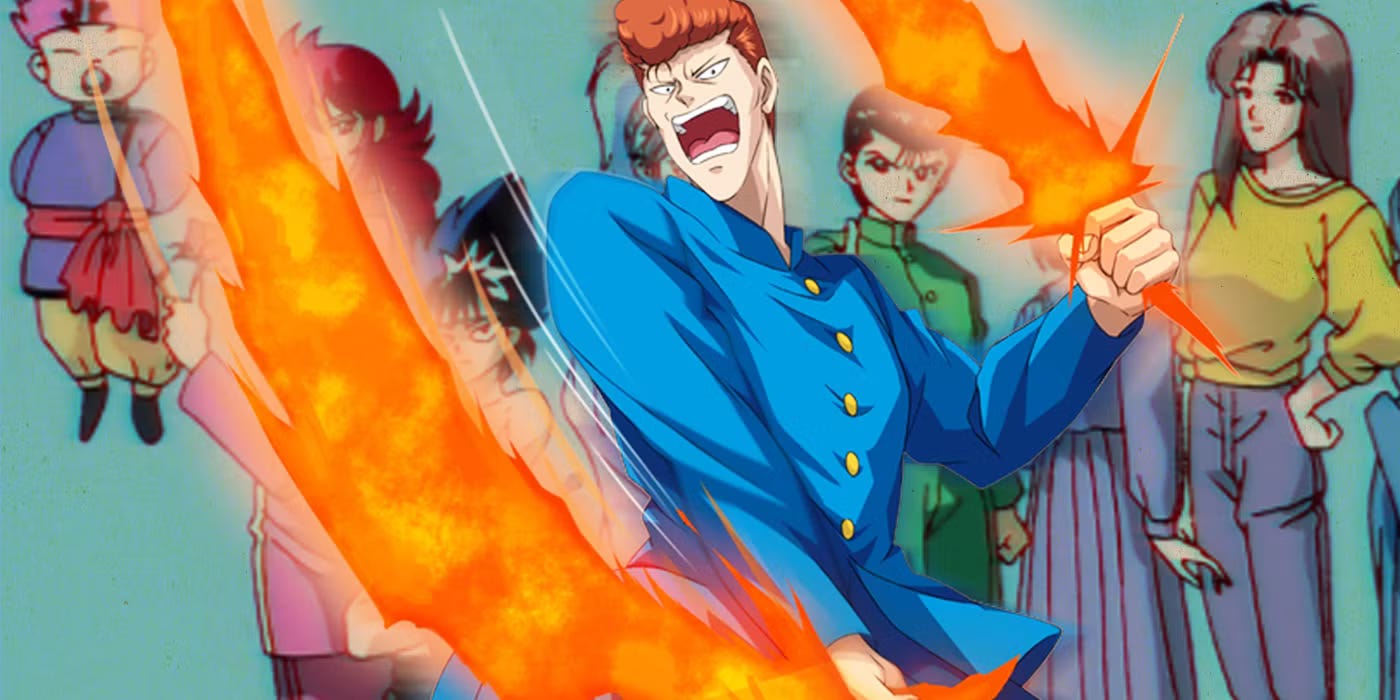
Kuwabara deserves respect.
Full stop.
If Yusuke is the gifted delinquent with enormous potential, Kuwabara is something arguably more inspiring:
the guy who keeps showing up anyway.
He’s loud. Dramatic. Not always especially bright. Romantic to a catastrophic degree.
And possessed of an almost indestructible moral center.
Kuwabara may not always be the strongest member of the group.
But you know exactly where he stands.
Friendship matters. Honor matters. Keeping your word matters. Protecting people matters.
And if somebody he loves needs help?
He’s coming. That’s it.
Discussion over.
There is something incredibly refreshing about a character whose strength comes as much from integrity as raw power.
Kuwabara doesn’t need to become the coldest person in the room to prove he’s tough.
He cries. He cares. He loves his friends openly. He gets scared.
Then he goes anyway.
Honestly?
Absolute real one.
Kurama — Please Do Not Mistake Politeness for Mercy
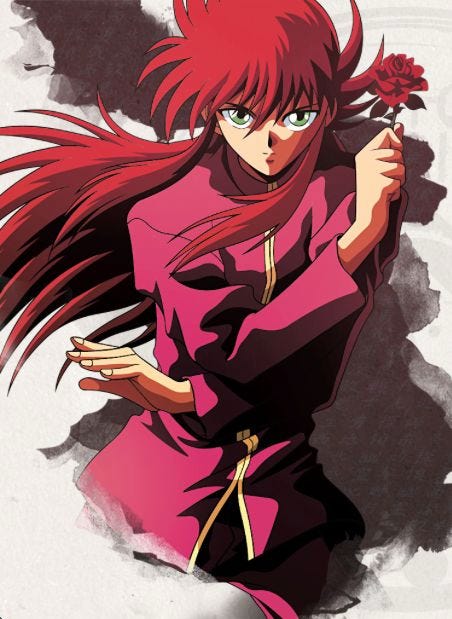
Kurama may be the most dangerous person in the group precisely because he looks like the least dangerous.
- Calm.
- Intelligent.
- Measured.
- Polite.
Beautiful enough that you’re briefly wondering whether this anime has wandered into a completely different genre.
Then somebody threatens a person Kurama cares about.
And you realize:
Oh.
This man is terrifying.
Kurama’s appeal comes from contrast.
He possesses experience and instincts from the demon world, but his human existence gives him attachments that complicate those instincts.
He’s analytical where Yusuke is impulsive. Strategic where Kuwabara charges forward. And capable of a level of frightening creativity that makes his battles some of the most memorable in the series.
Kurama doesn’t merely overpower opponents.
He understands them.
Then he figures out exactly how to dismantle them.
Usually while remaining infuriatingly calm.
Hiei — The Guy Who Definitely Isn’t Joining Your Team
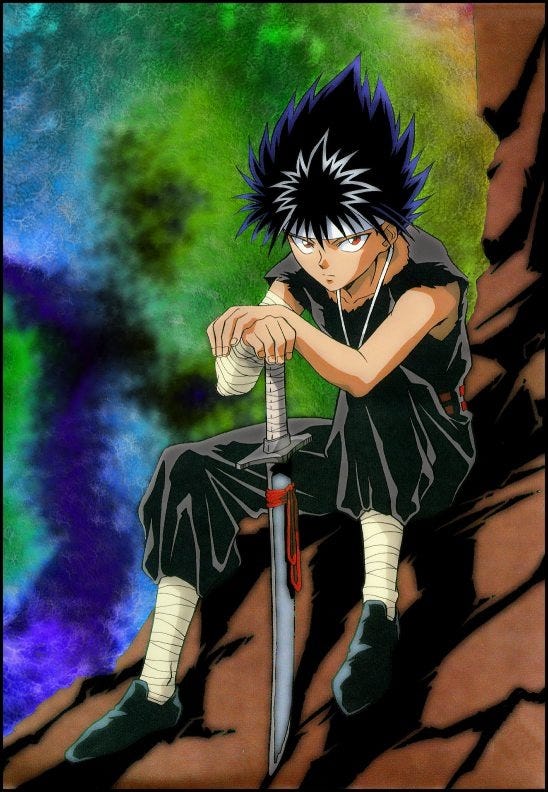
Hiei arrives with basically every warning sign imaginable.
- Hostile.
- Aloof.
- Violent.
- Extremely powerful.
Approximately four feet of concentrated irritation.
He has absolutely no interest in friendship. Which naturally means he’s going to become one of the most beloved members of the group.
Hiei is the classic dangerous outsider.
The rival.
The guy standing apart from everyone else insisting that he doesn’t care.
And Yu Yu Hakusho understands exactly how satisfying it is to watch someone like that gradually begin showing up when the others need him.
Hiei isn’t suddenly transformed into a cheerful buddy.
Thank God.
He remains Hiei. That’s why it works.
His loyalty develops in the language he actually speaks:
Presence. Action. Occasional threats. Standing beside everyone else when it matters.
Sometimes found family doesn’t look like a group hug. Sometimes it looks like Hiei pretending he just happened to be nearby while saving your life.
Four Guys Who Shouldn’t Work
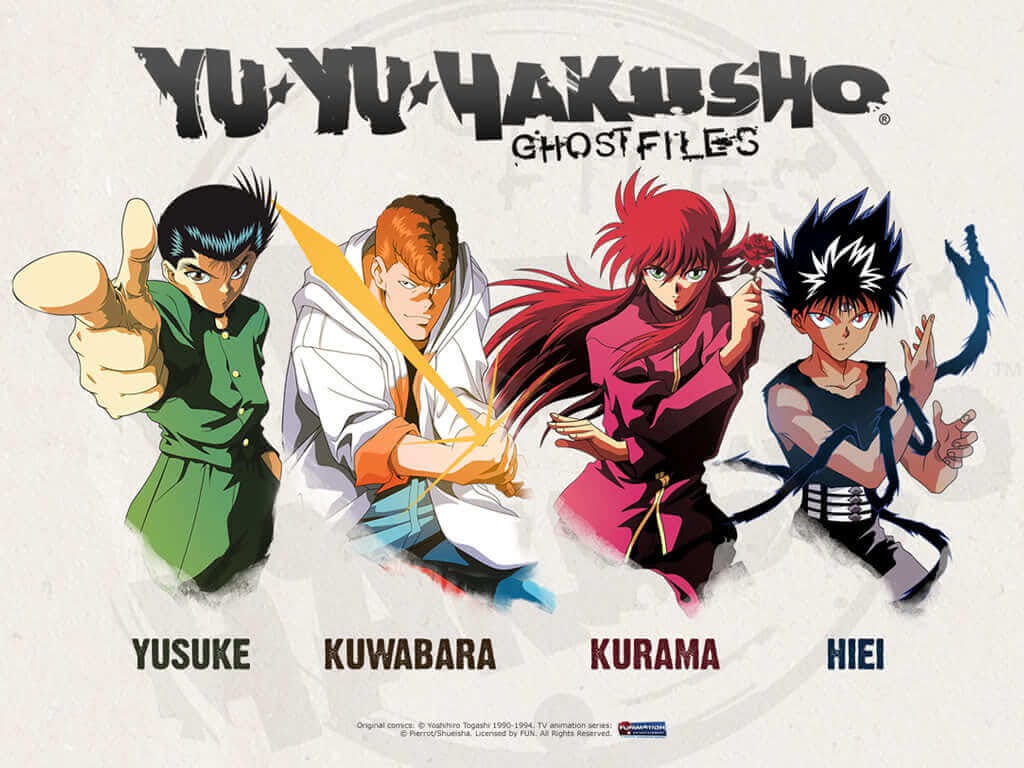
Yusuke. Kuwabara. Kurama. Hiei.
Put them next to each other and they almost look like four different anime protagonists accidentally wandered into the same show.
- The delinquent.
- The honorable goofball.
- The elegant strategist.
- The dangerous loner.
And that’s why the chemistry works.
Nobody duplicates anyone else’s role. Nobody feels like background support for Yusuke.
Each character has relationships with the others. Each brings a different worldview. Each fights differently. Each has different reasons for being there.
By the time the group truly feels like a team, Yu Yu Hakusho has earned it.
They don’t become friends because the script announced:
You are now friends.
They fight together. Argue. Save each other. Insult each other. Trust each other.
And somewhere along the way, the collection of weirdos becomes a family.
Genkai — The Mentor Who Refuses to Baby Him
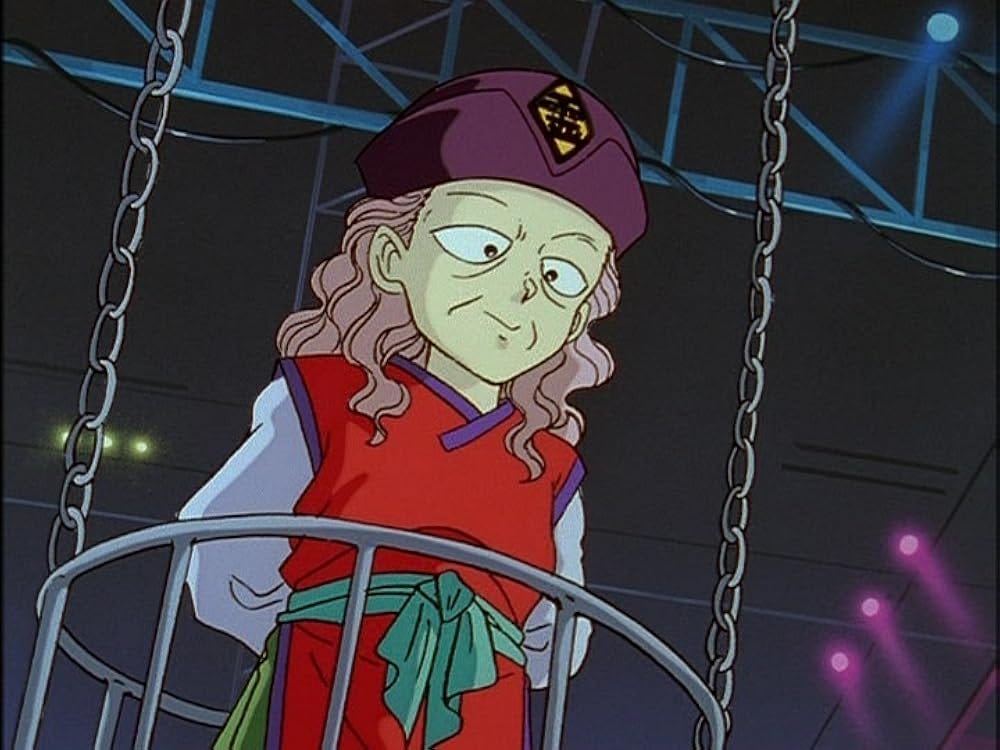
And then there’s Genkai.
One of the great manga/anime mentors.
Genkai doesn’t look at Yusuke and see a hopeless delinquent.
She also doesn’t look at him and see some precious Chosen One who deserves constant praise.
She sees potential. And potential, as far as Genkai is concerned, means:
Great. Get to work.
Her relationship with Yusuke works because she understands exactly how little patience he has for authority while also being one of the few authority figures strong enough that he can’t simply brush her off.
She challenges him. Mocks him. Trains him. Pushes him. And eventually becomes one of the people whose opinion genuinely matters to him.
Genkai gives Yusuke something many adults in his life never bothered giving him:
Expectations.
Not assumptions.
Expectations.
There’s a difference.
One says:
“I already know what you’ll become.”
The other says:
“I know you’re capable of becoming more.”
The Supernatural World — Bingetober Has Arrived
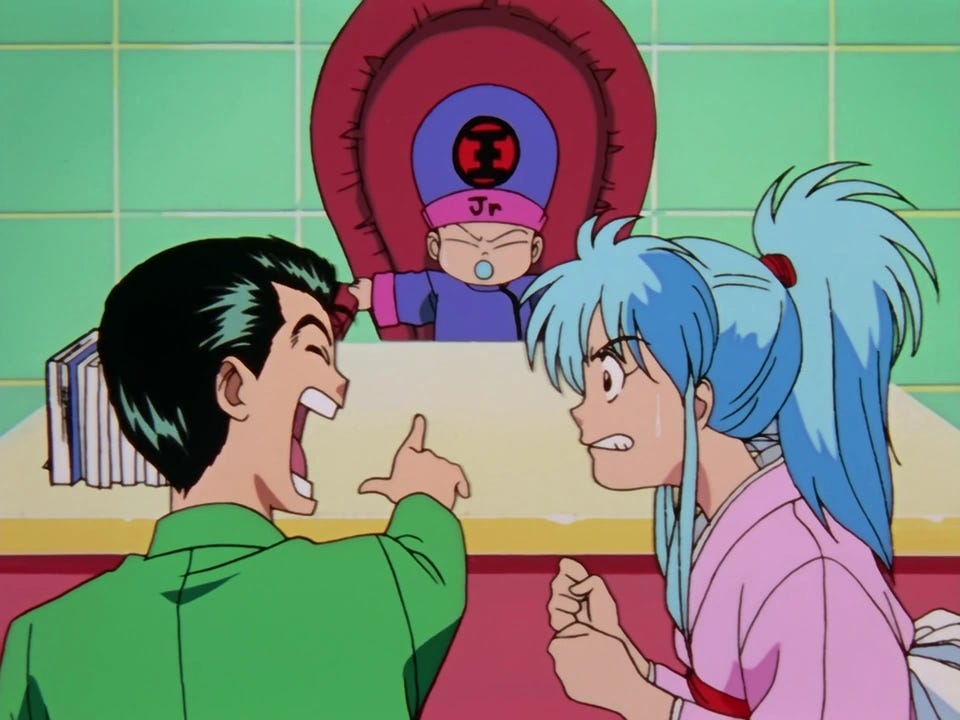
Now let’s talk ghosts.
Because this is still Bingetober.
Yu Yu Hakusho starts closer to supernatural detective fiction than the tournament-heavy battle anime many fans remember.
- Spirits.
- Ghosts.
- Possessions.
- Demons.
- Artifacts.
Spirit World bureaucracy.
Supernatural cases bleeding into ordinary human life.
Yusuke essentially becomes an investigator working at the boundary between worlds. And I love how casually strange the universe can be.
Death has administration. The afterlife has paperwork.
Koenma—who helps oversee Spirit World—is simultaneously important cosmic management and occasionally a child with a pacifier.
You know. Government.
The world gradually expands from isolated supernatural incidents into something much larger.
- Human World.
- Spirit World.
- Demon World.
- Barriers.
Different classes of demons.
Different understandings of what monsters actually are.
And eventually the simple distinction between “human good, demon bad” starts getting considerably more complicated.
That’s where the world grows with Yusuke.
At first, he’s basically dealing with things that go bump in the night.
Eventually he’s asking:
Who gets to decide which side the monsters are actually on?
Botan – The Coolest Reaper Ever
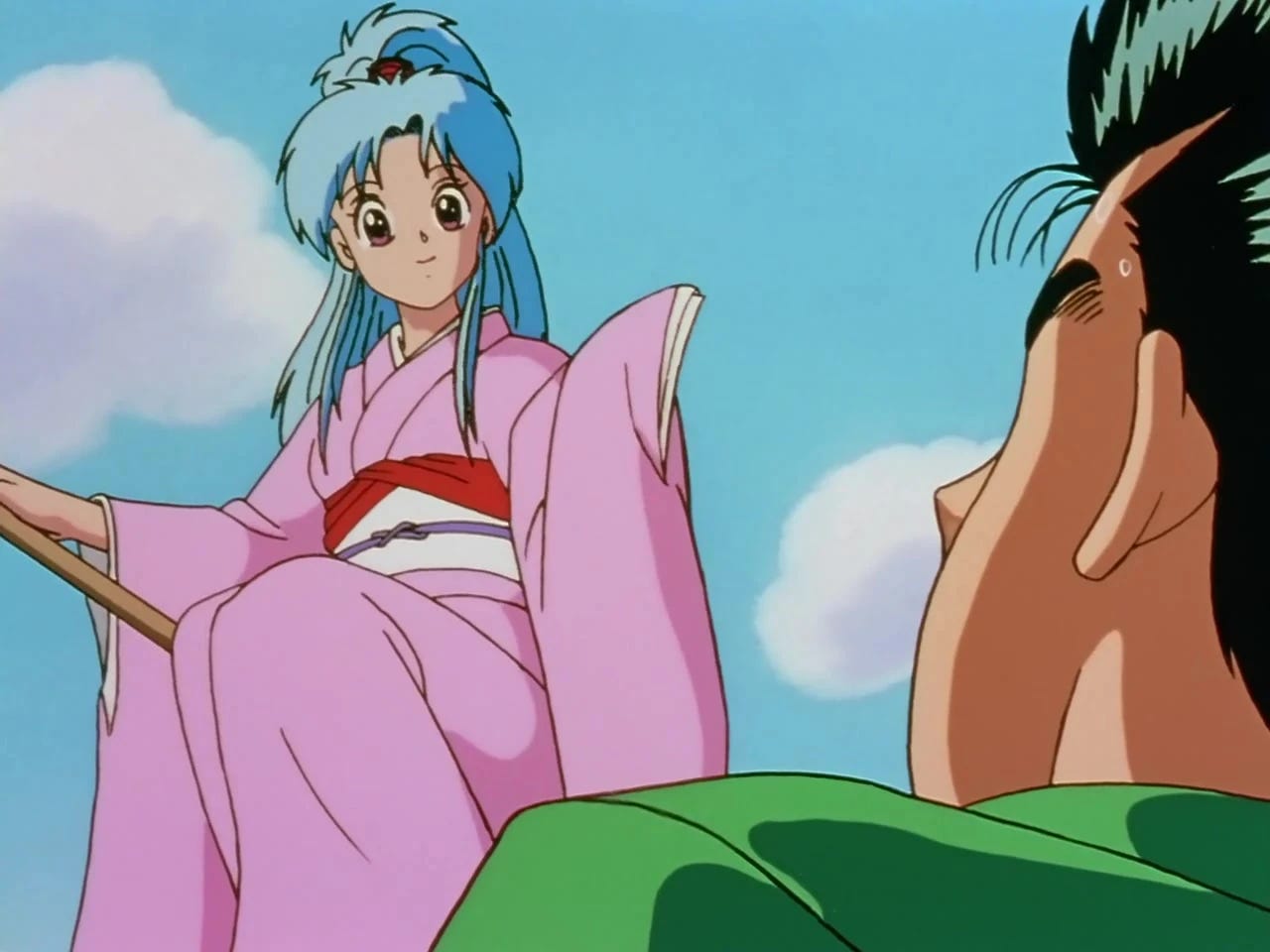
Botan absolutely deserves her flowers.
She’s Yusuke’s first real guide into the supernatural world, but more importantly, she keeps that whole early stretch from becoming too grim. She’s cheerful, competent, occasionally exasperated with Yusuke, and somehow makes ferrying souls to the afterlife feel like a customer-service job she’s weirdly good at.
And aesthetically?
Blue hair. Pink kimono. Oar.
Iconic.
She also helps establish one of Yu Yu Hakusho’s best tonal tricks: death, ghosts, demons, and Spirit World can be serious without the show becoming relentlessly miserable.
Botan is basically the first sign that this supernatural world can be spooky, funny, warm, and strange all at once.
The Spirit Gun — Finger Guns Have Never Been Cooler
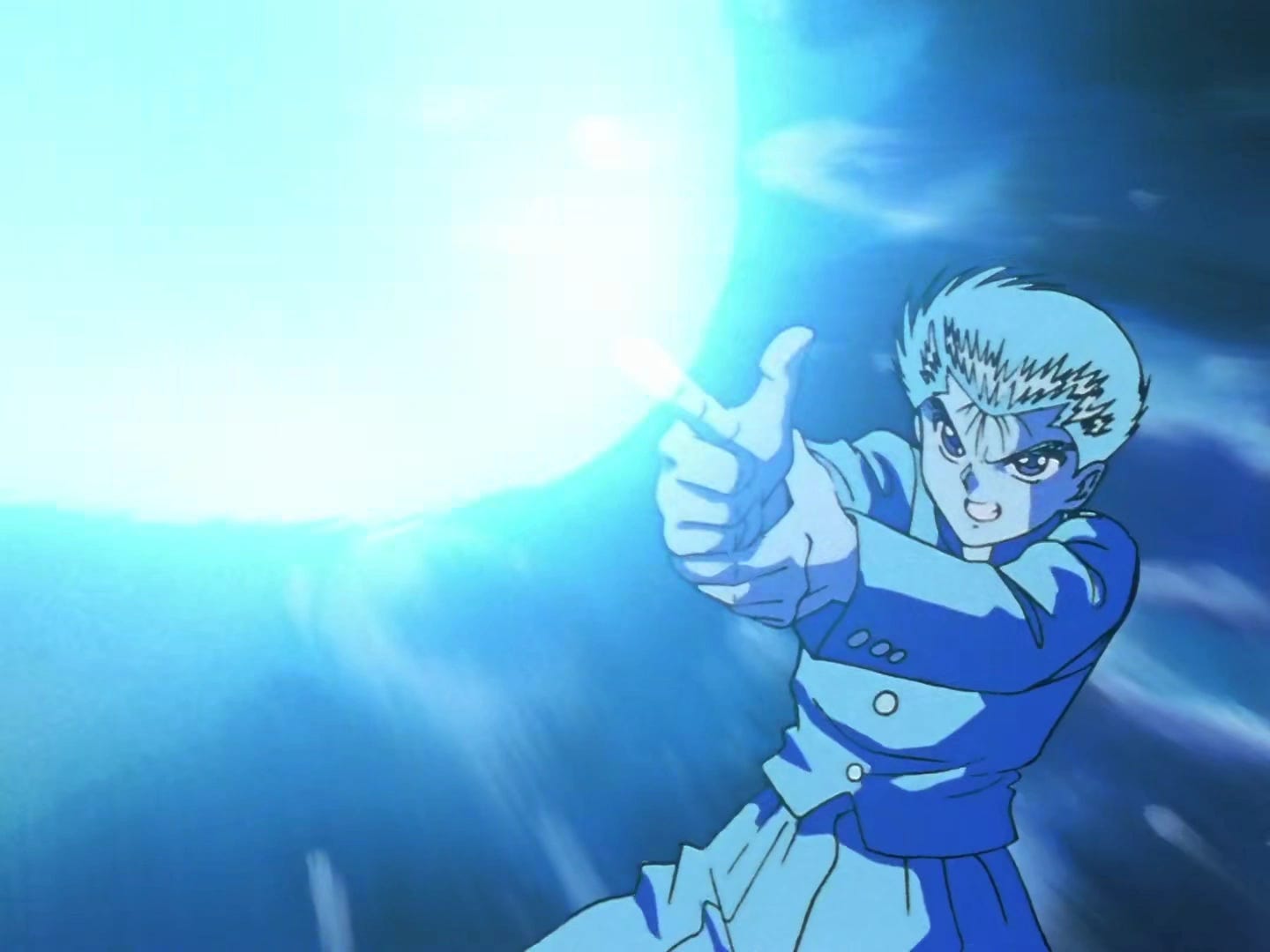
Yusuke’s signature technique is wonderfully simple.
Point finger. Gather Spirit Energy. Bang.
Spirit Gun.
That’s it. And it’s iconic.
Partly because Yu Yu Hakusho understands that a great signature attack needs to be recognizable before it needs to be complicated.
You know exactly what Yusuke is doing the second that finger comes up.
But the broader fighting system works because everyone approaches combat differently.
Yusuke is instinctive. Kuwabara manifests Spirit Energy through his sword. Kurama weaponizes plants with horrifying creativity. Hiei brings speed, swordsmanship and demonic techniques capable of making everyone in the immediate area reconsider their career choices.
Then you have Genkai’s techniques, demon abilities, psychic powers and increasingly strange supernatural matchups.
The series gets plenty of mileage out of raw power. But many of its best fights are about personality.
How does this person think? What are they willing to sacrifice? What happens when their normal approach stops working?
That makes the fights storytelling rather than pauses between story.
The Dark Tournament — Yeah, It Earned the Reputation
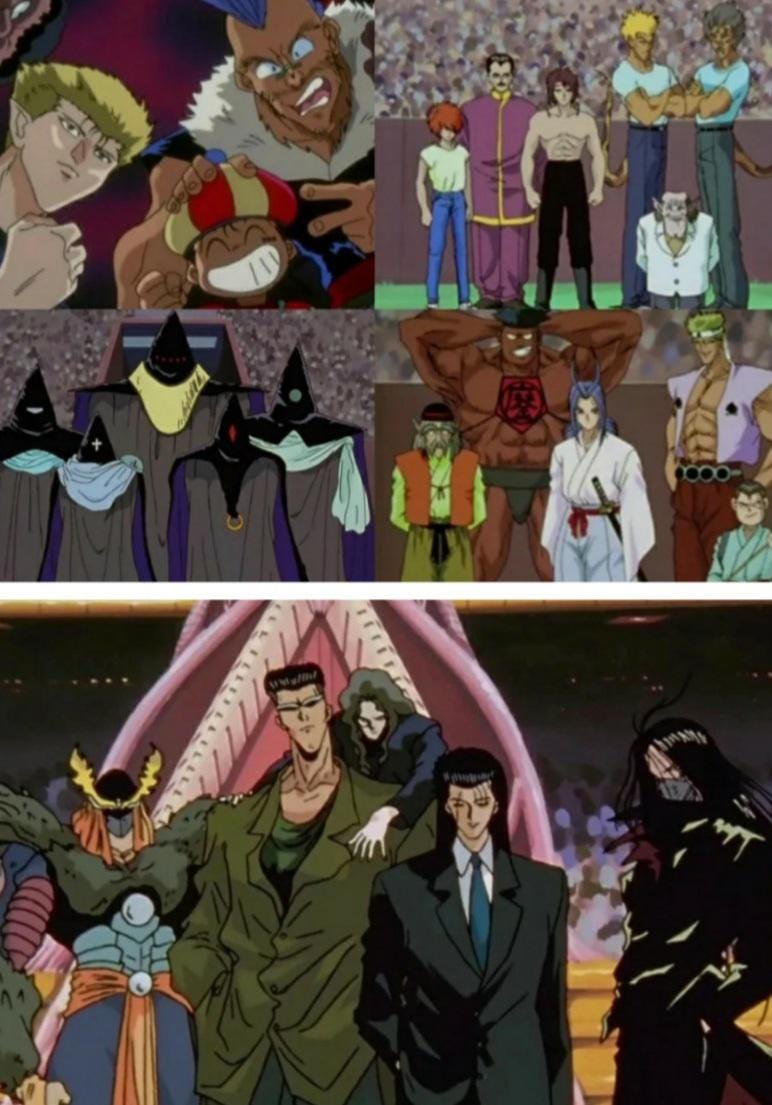
We cannot discuss Yu Yu Hakusho without talking about the Dark Tournament.
Even people who haven’t watched the full series have probably heard the reputation.
There is a reason.
Tournament arcs existed before Yu Yu Hakusho. They certainly existed afterward. But the Dark Tournament became one of those measuring sticks fans still use when discussing the format.
The structure is simple enough:
Teams. Matches. Increasingly dangerous opponents. Escalating stakes.
But what makes it work is how much character development gets packed inside the fighting.
Everyone gets tested differently. Everyone gets moments. Opponents aren’t simply obstacles waiting for Yusuke.
And hanging over everything is Toguro.
Which brings us to…
Toguro — What If Strength Wasn’t Enough?
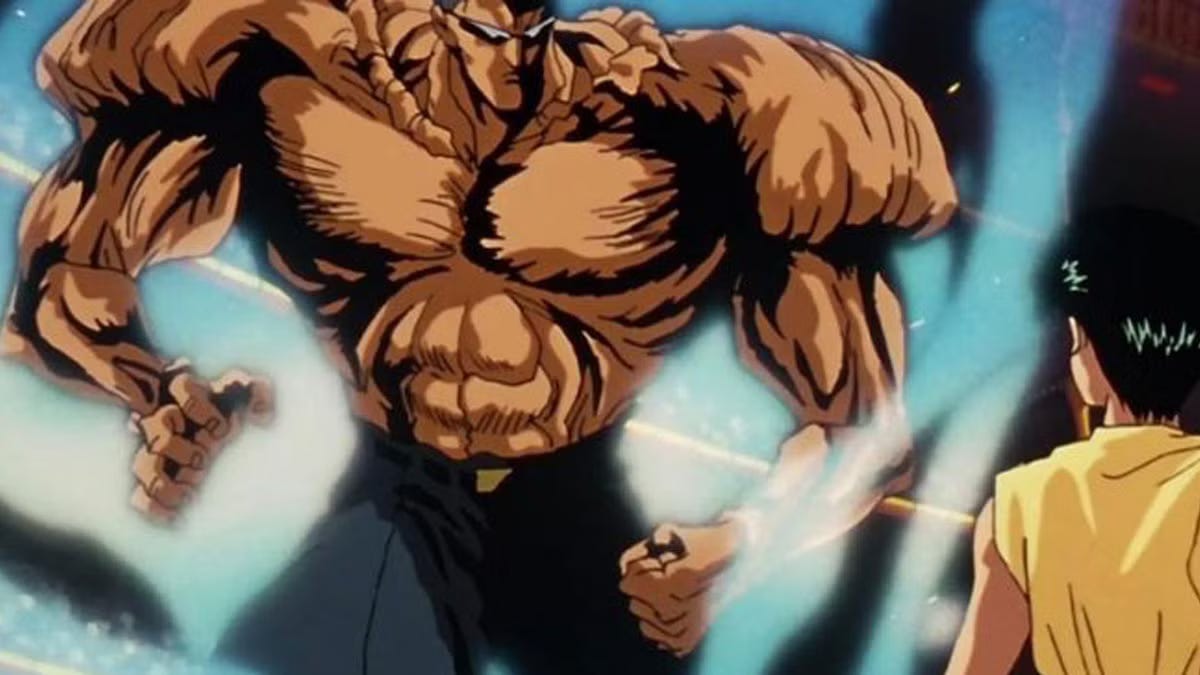
Toguro works because he isn’t merely stronger than Yusuke.
He represents a possible answer to one of the series’ biggest questions.
- What do you do with weakness?
- What do you do with fear?
- What do you do with loss?
What if becoming stronger becomes the answer to absolutely everything?
Toguro pursues power to an almost horrifying endpoint. And that makes him a perfect enemy for Yusuke.
Because Yusuke also has enormous potential. He also loves fighting. He also increasingly defines himself through what his body can do.
So Toguro isn’t interesting merely because Yusuke needs enough power to defeat him. He’s interesting because he represents what can happen when strength becomes the only thing left.
That’s what makes great battle-shōnen villains work.
They’re not just walls.
They’re warnings.
What Is Yu Yu Hakusho Really About?
Life.
Which is funny considering our protagonist starts the story dead.
But I mean it.
Yu Yu Hakusho keeps returning to people deciding what makes a life valuable.
Yusuke begins believing his doesn’t have much value. Kuwabara builds meaning through loyalty. Kurama finds attachments capable of complicating an entire previous existence. Hiei slowly develops bonds he’d rather die than describe as bonds. Genkai wrestles with aging, legacy and what strength means when strength inevitably fades.
Toguro gives us one answer. Yusuke eventually has to find another.
And that’s why the opening episode remains such a brilliant foundation for everything that follows.
Yusuke sees his own wake.
He witnesses grief he never thought would exist.
He learns that even people who frustrated him, fought with him or failed to understand him are affected by his absence.
He discovers that cynical certainty he carried—
Nobody gives a damn anyway.
—was wrong.
He mattered before he believed he mattered.
The rest of the story is almost him catching up to that revelation.
A Second Chance Isn’t Worth Much Unless You Use It
There’s something incredibly fitting about beginning Bingetober with a resurrection story.
Because ghosts aren’t necessarily frightening because someone died. Sometimes they’re frightening because something was left unfinished.
Yusuke’s entire life feels unfinished. That’s why his resurrection works beyond the supernatural gimmick.
He receives another chance. But the series doesn’t magically turn him into another person.
He still has anger. Still has problems. Still fights. Still skips the occasional step between “problem” and “punch it.”
The second chance doesn’t erase who he was. It gives him room to become more than who everyone assumed he’d be.
That’s a much better idea.
Redemption doesn’t require pretending your past never happened. Growing up doesn’t require becoming unrecognizable.
Yusuke remains Yusuke. Just with more people to lose. More people to protect. More reasons to come home.
Style — Welcome to Peak ‘90s Anime
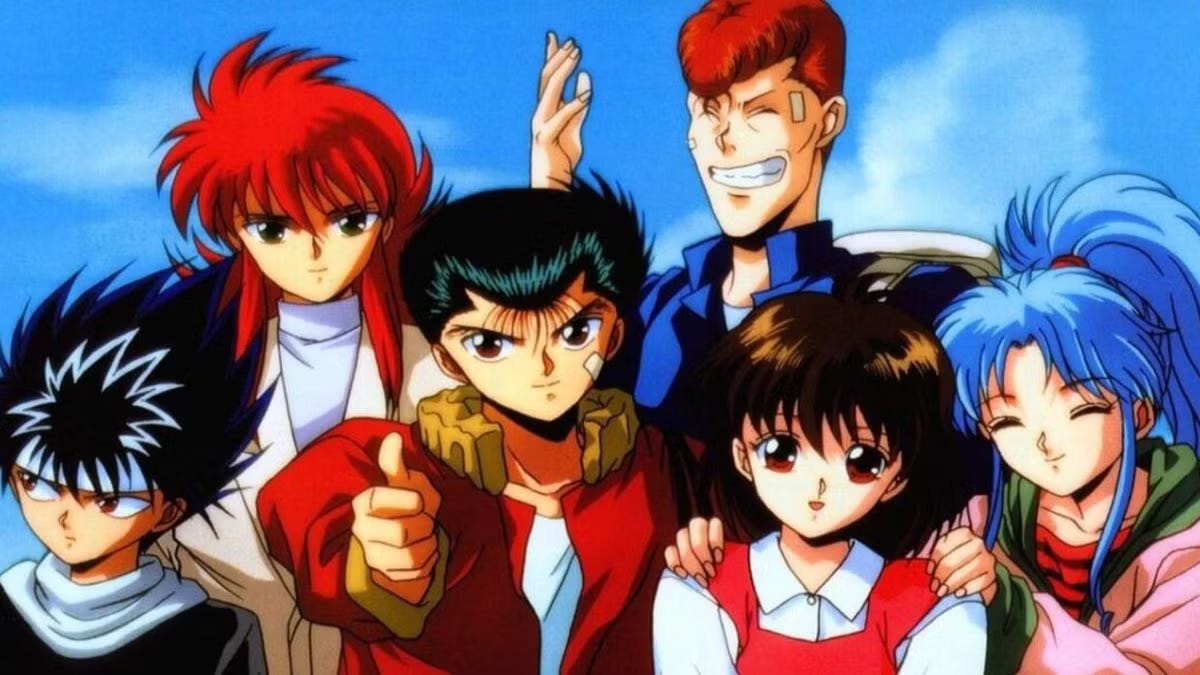
Visually, Yu Yu Hakusho is unmistakably a product of its era.
- And that’s a compliment.
- Hand-drawn animation.
- Heavy shadows.
- Great facial expressions.
- Wild demon designs.
- Colors that immediately scream early-’90s anime.
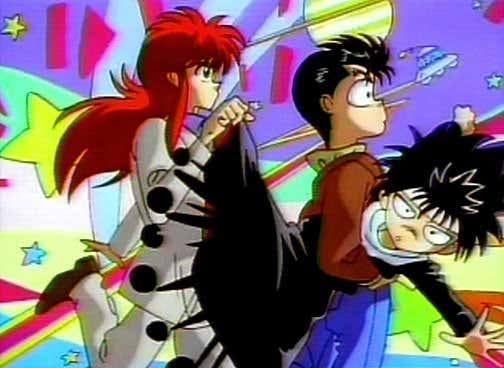
Characters who can look genuinely cool one second and incredibly stupid the next.
There’s texture here.
The series doesn’t always have the polish modern seasonal anime audiences expect, but at its best, the direction has enormous personality.
And then there’s the music.
“Hohoemi no Bakudan.”
Or, for longtime Toonami and Adult Swim viewers:
“Smile Bomb.”
One of those opening themes that doesn’t need to scream “dark supernatural action series.”
Instead, it has warmth. Energy. Almost nostalgia built into it.
And that fits Yu Yu Hakusho better than something relentlessly grim ever could.
Because for all the demons and blood and fights… this is a remarkably warm show.
And we absolutely have to talk about the English dub.
The dub became part of Yu Yu Hakusho’s identity for an entire generation of Western fans.
The performances are lively. The dialogue has personality. The characters bounce off one another beautifully. Yusuke in particular sounds like a teenager who considers sarcasm a survival skill.
It’s one of those rare series where “dub or sub?” isn’t just a technical preference.
The English dub became part of the cultural memory of the show itself.
Let’s Be Fair
Yu Yu Hakusho is a classic. That doesn’t mean age hasn’t touched it.
The early supernatural-investigation material can feel very different from the battle-heavy series it eventually becomes.
Some viewers may actually prefer that early tone and wish the Spirit Detective structure remained more central. Others may be waiting impatiently for the larger fights.
The animation quality naturally varies.
Certain battles and story beats carry the pacing conventions of long-running television anime from the era.
Power escalation can become messy.
And the later portions of the story don’t always receive the same universal love as the Dark Tournament.
That’s worth acknowledging.
The series also comes from a different era of shōnen storytelling. Certain jokes, character beats and presentation choices may feel dated to modern audiences.
But the core?
The characters. The chemistry. The villains. The supernatural identity. The emotional honesty. The ability to transition from comedy to genuine darkness without losing itself.
That stuff holds up remarkably well.
Who Is Yu Yu Hakusho For?
Give Yu Yu Hakusho a chance if you love:
- Classic battle shōnen
- Supernatural anime
- Ghosts and demons
- Tournament arcs
- Great rivalries
- Found family
- Smart fights
- Strong ensemble casts
- Memorable villains
- Old-school hand-drawn animation
- Characters insulting each other because saying “I love you” would apparently kill them
- Anime where getting back up matters as much as powering up
You may struggle with it if you need:
- Modern animation throughout
- Extremely fast pacing
- Complex power systems with extensive rules
- A consistently serious tone
- Battle anime that immediately begins with huge stakes
And if you love Hunter x Hunter but have somehow never gone backward to see Togashi’s earlier major work?
There is something especially fascinating about seeing ideas, character types and storytelling instincts that would continue developing later.
Why Yu Yu Hakusho Matters
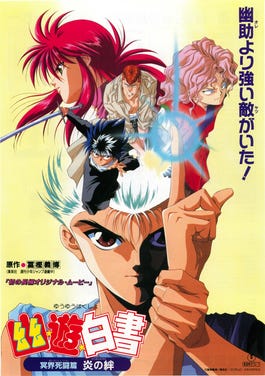
Yu Yu Hakusho matters because it sits at an important point in battle-shōnen history.
It helped prove how powerful a strong ensemble could be. It gave us one of anime’s benchmark tournament arcs. Its villains weren’t simply stronger opponents—they often represented ideas the heroes had to confront.
Its supernatural world expanded without completely losing the street-level personality that made Yusuke appealing in the first place.
And for American fans, its run on television helped introduce another generation to anime that wasn’t primarily about collecting monsters or selling cards.
But legacy isn’t the only reason to watch something. Nobody should watch Yu Yu Hakusho because they’re completing anime homework.
Watch it because Yusuke is still funny.
Because Kuwabara is still one of the realest friends in anime. Because Kurama is still terrifying. Because Hiei is still Hiei. Because Genkai still rules. Because Toguro still works. Because the Dark Tournament can still bring the house down.
Classics survive when the thing underneath the historical significance is still good.
Yu Yu Hakusho is.
Ctrl+Binge Final Take
Yusuke Urameshi begins Yu Yu Hakusho believing the world has already decided who he is.
- Troublemaker.
- Delinquent.
- Lost cause.
Then he dies doing something none of those labels predicted. And in death, Yusuke discovers something he never understood while he was alive:
He mattered.
People missed him. People cried for him. People wanted him back.
The demons come later. The tournaments come later. The Spirit Gun comes later. But that’s where Yu Yu Hakusho really begins.
A boy dies saving someone else’s life. Then gets another chance to discover that his own life was worth saving too.
For a show filled with ghosts, demons and the afterlife, that’s a wonderfully human place to start.
Maybe Yusuke’s greatest second chance wasn’t coming back from the dead.
Maybe it was finally learning how to live.
Join the Conversation
Yusuke begins the story surrounded by people who have already decided exactly what kind of person he is going to become.
So, for our first Bingetober Manga Monday:
If everyone around you has already decided who you are, how much courage does it take to become someone different anyway?