Headlines so loud they shook a nation.
Stories that blurred the line between truth and spectacle.
And one man at the center of it all.
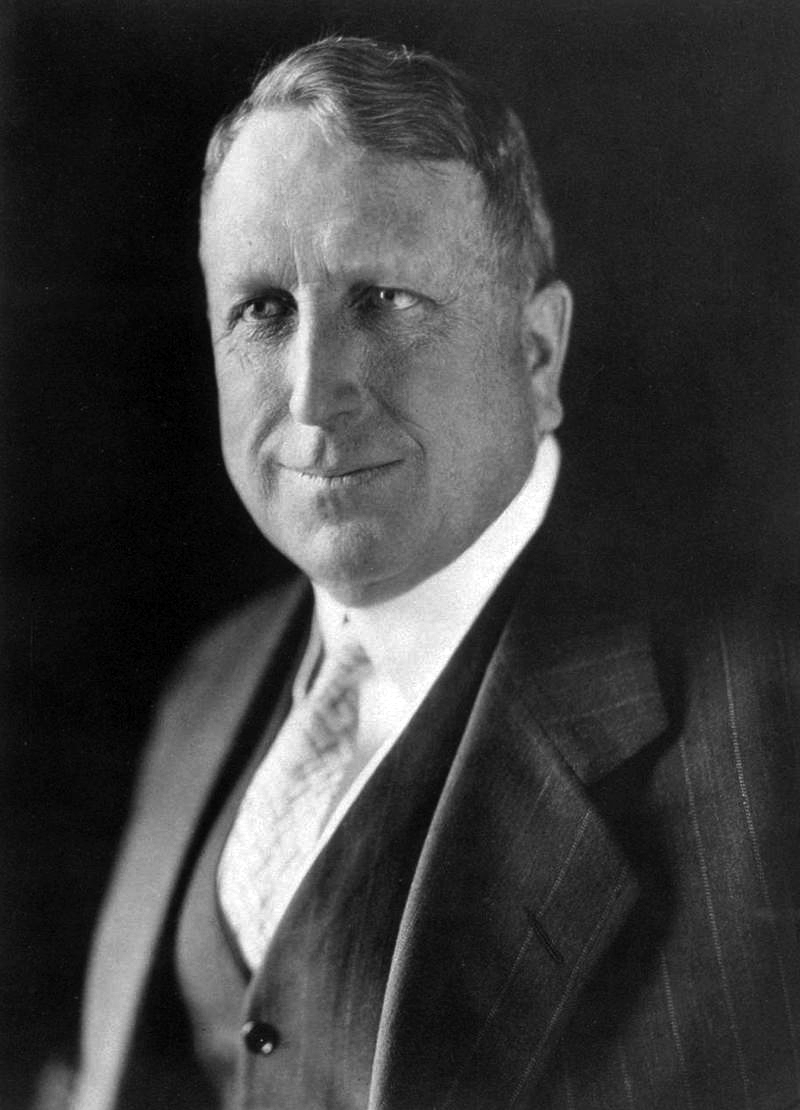
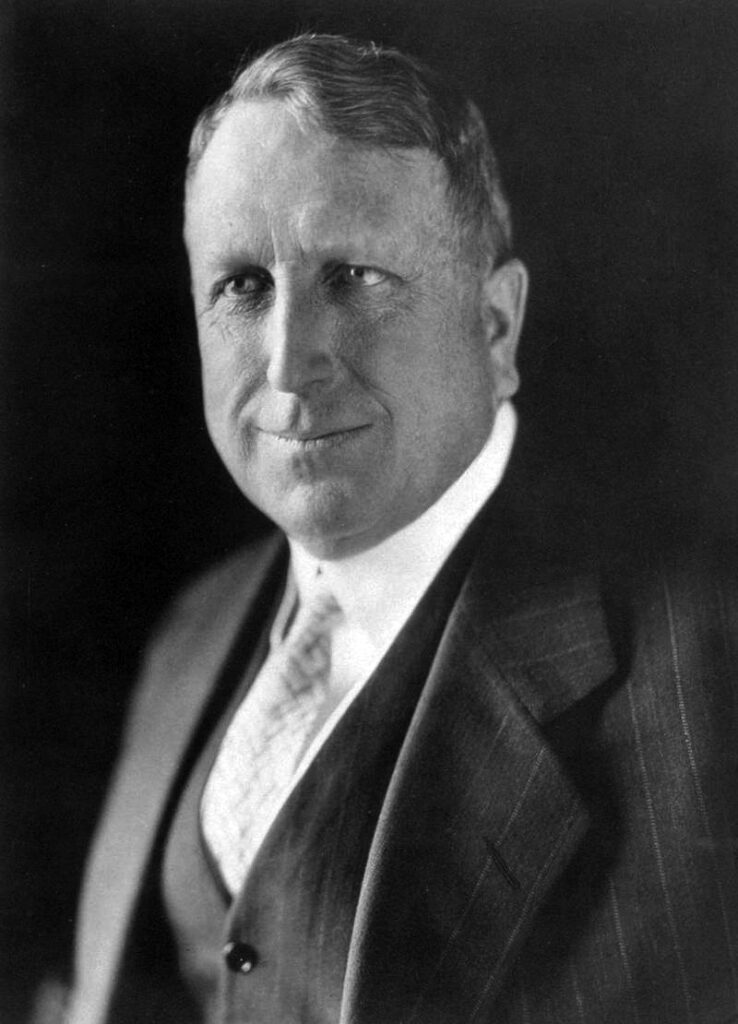
On this day in 1863, William Randolph Hearst was born.
And the way we consume news has never been the same.
Most people know the basics.
Hearst was a powerful newspaper publisher in the late 1800s and early 1900s — the guy who helped build massive media empires and turn newspapers into must-read daily events.
He’s often tied to something called Yellow Journalism — sensational headlines, dramatic storytelling, and stories designed to grab attention more than quietly inform.
There’s even that famous quote (whether fully accurate or not):
“You furnish the pictures, I’ll furnish the war.”
The idea being that newspapers like his helped push public opinion toward the Spanish-American War.
Big headlines.
Big emotions.
Big impact.
That’s the version we remember.
But that’s not the whole story.
Hearst didn’t invent sensationalism.
He perfected it.
In the late 1800s, newspapers were already competing hard for readers. Enter Hearst and his biggest rival, Joseph Pulitzer. Their competition in New York turned into what historians now call the “circulation wars.”
The goal?
Sell more papers.
And the formula that worked was simple:
- Bigger headlines
- More emotional stories
- Eye-catching illustrations
- Crime, scandal, and outrage front and center
It wasn’t about lying outright (most of the time).
It was about how you told the truth.
Stories were exaggerated.
Details were dramatized.
Context was… optional.
That’s where the term “Yellow Journalism” comes from — tied to a popular comic strip (“The Yellow Kid”) both papers fought to publish. It became shorthand for this new, louder style of reporting.
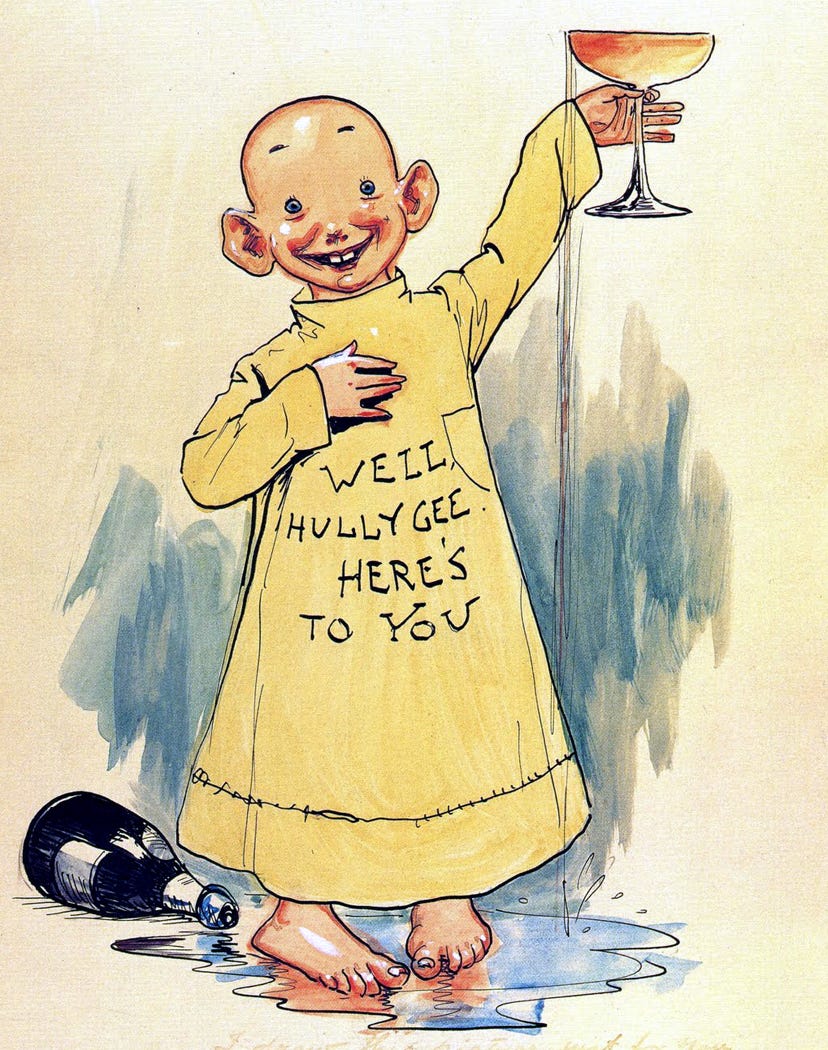
(The Yellow Kid By Richard Felton Outcault – http://en.wikipedia.org/wiki/Image:YellowKid.jpeg Cropped, sized; original from http://www.toonopedia.com/yellow.htm (Yellow Kid is public domain circa 1897), Public Domain, https://commons.wikimedia.org/w/index.php?curid=1302274)
Now, about that war.
When the USS Maine exploded in Havana Harbor in 1898, Hearst’s papers went all in. Dramatic headlines blamed Spain before full investigations were complete.
Did Hearst single-handedly start the Spanish-American War?
No.
But he absolutely helped shape public emotion around it.
And that’s the key shift.
Journalism wasn’t just reporting events anymore.
It was influencing how people felt about them.
And that influence had consequences.
Hearst also understood something else:
People don’t just want information.
They want stories.
Heroes. Villains. Conflict. Stakes.
Sound familiar?
Because that same storytelling instinct is everywhere today.
From sports coverage framing games as “legacy-defining moments”…
to anime debates turning into full-blown character wars…
to viral headlines about cryptids, conspiracies, or video games designed to spark reaction first and reflection second.
The format changed.
The psychology didn’t.
Hearst’s legacy isn’t just about newspapers.
It’s about a question we’re still dealing with today:
Is the goal of media to inform… or to engage?
Because those aren’t always the same thing.
Yellow Journalism showed how powerful storytelling could be when paired with mass communication.
But it also showed the risk:
When emotion leads and facts follow, the line between truth and narrative gets blurry.
And once that line moves…
It’s hard to move it back.
Scroll your feed for 30 seconds.
You’ll see it.
- Clickbait headlines
- Hot takes designed to spark outrage
- “This changes everything” content that… doesn’t
Even in sports:
“A legacy is on the line.”
Even in anime:
“This character solos your entire verse.”
Even in gaming:
“This update RUINED the game.”
Same energy.
Different platform.
Hearst didn’t create modern media.
But he absolutely helped shape the playbook.
QUESTION
Be honest…
Do you think media today is more about telling the truth…
Or telling the most compelling version of it?
Because history says…
We’ve been choosing between those two for a long time.