The moon rises.
Somewhere beyond the last house in the village, a man begins to change.
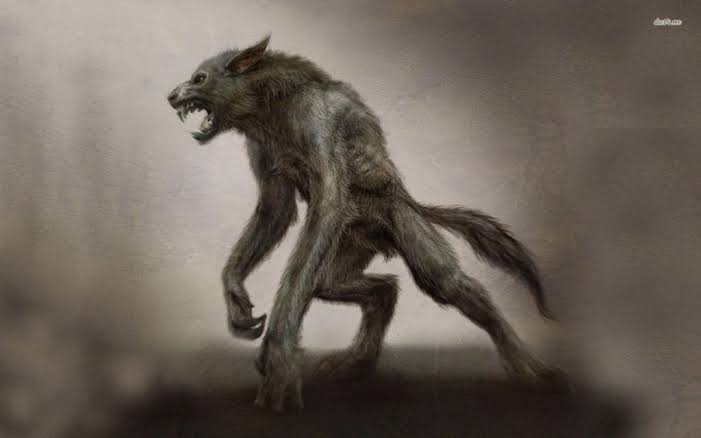
His fingers twist into claws. Hair spreads across his skin. Bones stretch and break before rebuilding themselves into something that can run on four legs. He screams, but the sound emerging from his throat is no longer entirely human.
By morning, the creature will be gone.
The man may awaken naked in the forest, covered in blood and unable to remember what happened. He may find deep scratches carved into a door that should have kept everyone safe. He may discover that someone he loved did not survive the night.
Everybody knows the rules.
- A werewolf bite spreads the curse.
- The full moon forces the transformation.
- Silver kills the beast.
- The human trapped inside is usually an innocent victim.
Except those rules did not arrive together in some ancient handbook of monster hunting.
Werewolves have been cursed by gods, empowered by the Devil, transformed by enchanted clothing, smeared with magical ointments, born into unusual families, and turned by their own choice. Some attacked their neighbors.
Others claimed to fight evil itself.
The werewolf is not one monster.
It is every fear—and perhaps every desire—humanity has ever placed beneath its own skin.
The Rules We Think We Know
The familiar werewolf story begins with an attack.
Someone travels alone after dark and hears movement beyond the edge of the road. A large animal emerges from the trees. It looks enough like a wolf to be recognized, but something about it is wrong.
It is too large. Too intelligent. Too human.
The traveler survives the attack, but the wound does not heal normally. Strange changes follow.
Their senses sharpen. Their temper becomes harder to control. Animals become nervous around them.
Then the full moon appears.
The resulting transformation is violent and involuntary. The victim becomes a wolf or a towering mixture of human and animal. Conscious thought disappears beneath hunger, rage, and instinct.
By sunrise, the human returns.
The monster’s victims do not.
There is usually no easy cure. Wolfsbane might offer protection. Killing the werewolf that delivered the bite may break the curse. A loved one might reach whatever humanity remains inside the creature.
When everything else fails, there is silver.
That is the werewolf most of us inherited from movies, television, novels, comics, and games: a fundamentally human character trapped inside a repeating nightmare.
Unlike Dracula, the classic werewolf rarely enjoys being a monster.
The vampire plans. It seduces, feeds, retreats, and remembers.
The werewolf loses control.
That difference turned the werewolf into one of horror’s most tragic figures.
We are not merely afraid of what it will do. We are afraid for the person who must wake up afterward.
But not every werewolf was bitten.
Not every transformation waited for the moon.
And not every person wearing the wolf wanted to take it off.
Before the Werewolf Had a Rulebook
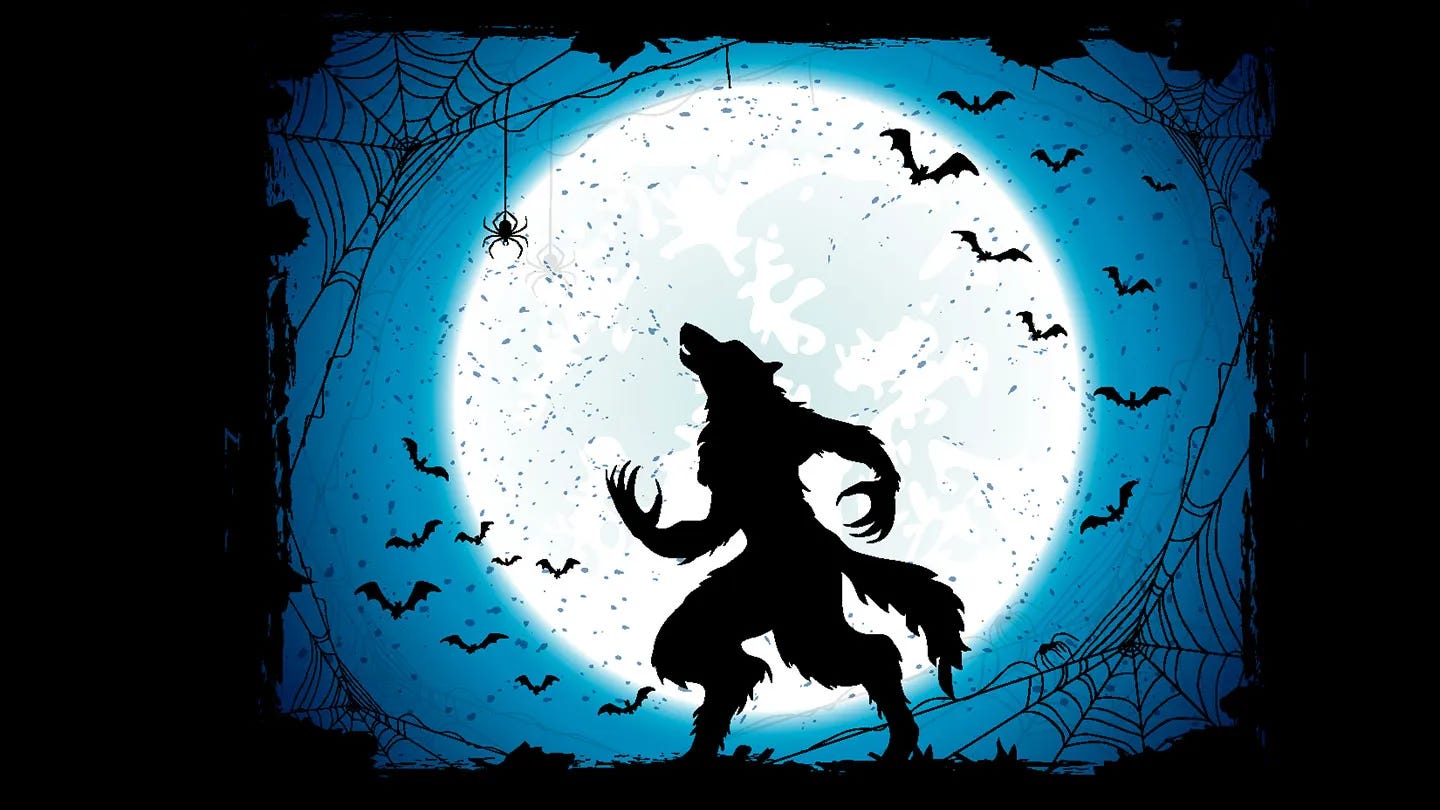
There is no single birthplace for the werewolf.
Stories about humans becoming wolves…or behaving so much like wolves that the boundary ceased to matter, appeared across different regions and centuries. Those traditions influenced one another, collided with religious beliefs, and changed whenever a new storyteller carried them into another community.
Ancient Greece gave us one of the most famous examples.
King Lycaon of Arcadia attempted to test Zeus by serving him human flesh. The god recognized the crime and transformed the king into a wolf.
The details vary between versions. The victim in the meal changes. The punishment changes. Sometimes Lycaon’s sons share in the crime. Sometimes Zeus destroys the household.
The important thing is the transformation.
Lycaon behaves like a beast before he physically becomes one.
The wolf does not create his cruelty. It reveals it.
His name helped give us the language of lycanthropy, but Lycaon should not be treated as the inventor of every werewolf tradition. The ancient world contained a much broader collection of wolf transformations, wolf-associated rituals, and stories about humans crossing the boundary between civilization and the wild.
As the legend traveled, becoming a werewolf required no universal method.
A person might be cursed by a god, saint, witch, or sorcerer. Someone might inherit the condition from their family. A pact with the Devil could provide the ability. Other stories described magical ointments, wolfskins, or enchanted belts that allowed the wearer to transform.
Remove the belt, and the wolf might become human again.
Hide the clothing, and the person could be trapped in animal form.
Historical discussions of European werewolf belief describe witches supposedly transforming through wolfskins, girdles, or ointments obtained through diabolical means.
These were not all stories about helpless victims.
Some people were said to choose the transformation because the wolf offered freedom, strength, revenge, or the ability to satisfy violent appetites without wearing a recognizable face.
The modern werewolf often asks, “How do I stop this?”
The older sorcerer-werewolf might have asked, “Why would I want to?”
The Wolf Could Be Punishment—or Power
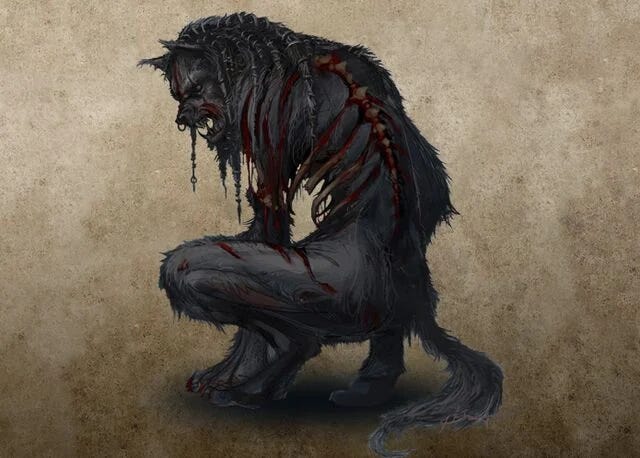
The werewolf changes meaning depending on who controls the transformation.
When the change is imposed, the story becomes a curse. The victim loses their body, their memory, and eventually the trust of everyone around them.
When the change is chosen, the story becomes a fantasy of power.
The wolf can travel where the human cannot. It can escape laws, walls, social expectations, and human judgment. It can cross the forest without asking permission from anyone.
That power always carries danger.
A person who believes they can put on the wolf may eventually discover that removing it is much harder. What begins as liberation becomes appetite. What begins as strength becomes dependence. The disguise may reveal more truth than the human face ever did.
That tension is essential to the werewolf.
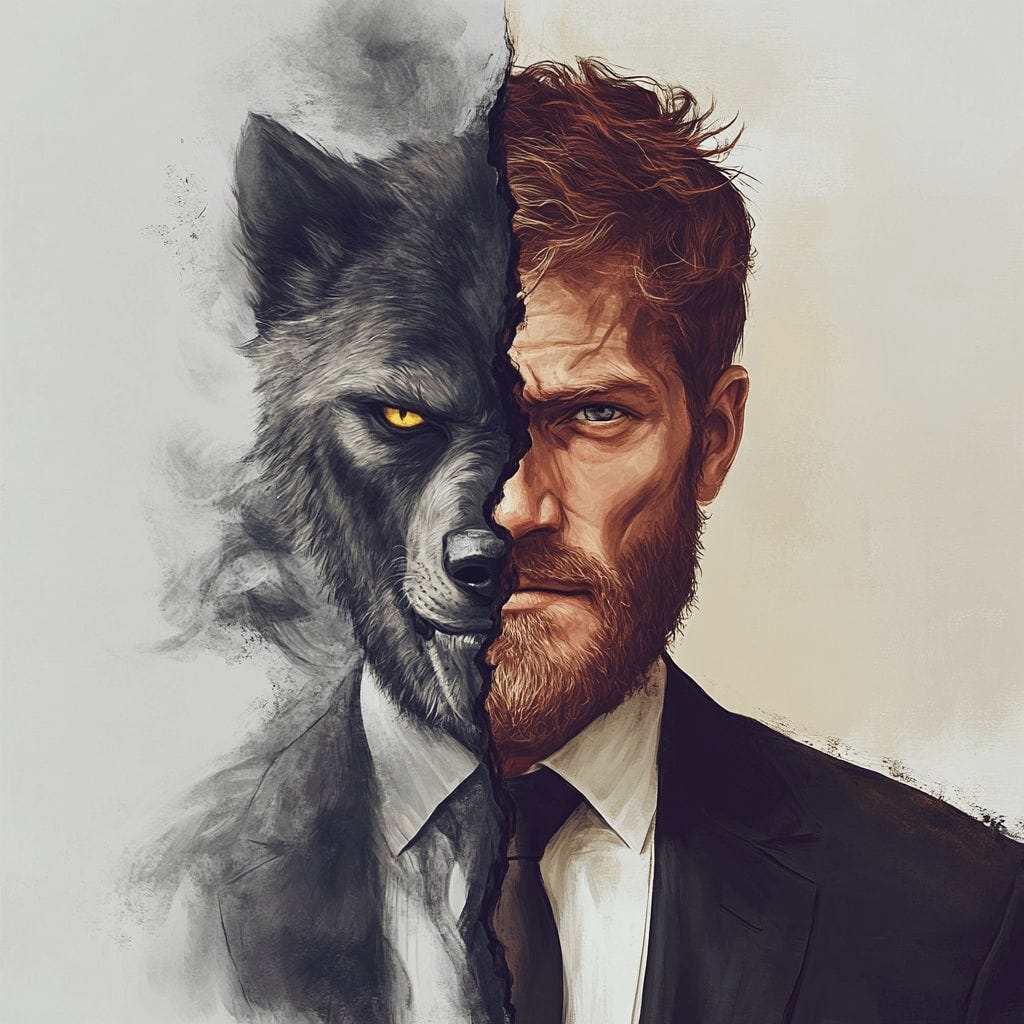
Is the beast an invader that steals the human body? Or is it something the human has been feeding in secret?
Some legends refuse to give us an easy answer.
One twelfth-century story, Marie de France’s Bisclavret, tells of a nobleman who regularly becomes a wolf. His transformation depends on hidden clothing, and when his wife steals it, he cannot return to human form.
Yet the wolf is not portrayed as a mindless killer. He retains intelligence, loyalty, and enough humanity to expose the betrayal committed against him.
The body has changed. The person inside has not completely disappeared.
That possibility makes the werewolf more interesting than a simple animal attack. If thought, love, anger, and memory survive the transformation, then where does the human end and the beast begin?
The Hounds of God
Then we reach one of the strangest werewolf stories ever preserved.
In the 1690s, an elderly Livonian man known as Thiess stood before a court and claimed that he was a werewolf.
That confession should have placed him firmly on the side of darkness. Thiess disagreed.
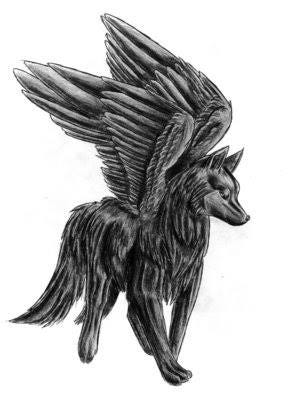
He insisted that werewolves were not servants of the Devil. They were the Hounds of God.
According to his testimony, Thiess and the other werewolves journeyed into Hell several times a year. There they battled witches, sorcerers, and demonic forces using iron whips.
Their mission was not to slaughter the innocent. It was to recover grain and livestock stolen from the living. If the werewolves failed, crops suffered and communities went hungry. If they succeeded, the harvest returned.
Thiess did not confess to becoming a monster. He announced that he was a protector.
The surviving court record turned his testimony into one of the most celebrated werewolf cases studied by later historians.
For Wondrous Wednesday, however, we can remain inside the story for a moment.
Imagine it.
While ordinary people sleep, holy werewolves descend beneath the earth. They chase the Devil through Hell, crack iron whips against witches, and fight for the coming year’s harvest.
That is not the werewolf from the movies. It may be better.
Thiess reminds us that folklore never agreed on whether the wolf was wicked. Sometimes becoming something ferocious was the only way to confront something worse.
Hollywood Gives the Wolf a Schedule
The werewolf existed long before cinema.
The werewolf most people recognize was assembled there.
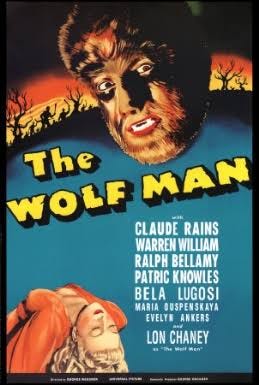
Early films experimented with the creature, but Universal’s The Wolf Man in 1941 gave popular culture its defining tragic lycanthrope.
Larry Talbot is not an evil sorcerer seeking animal power. He is attacked, survives, and inherits a curse he never wanted. His story established the emotional structure that countless later werewolf stories would follow:
A decent person becomes dangerous. The people they love become potential victims.
Death begins to look like the only reliable cure.
Universal continued developing the formula through its monster movies. The full moon became increasingly central. The bite became an easy method of transmission. Silver became the dependable answer when ordinary weapons failed.
The rules were memorable because they were simple.
They were also cinematic.
A full moon provides an immediate visual warning. A bite allows the monster to reproduce. A silver bullet gives the hunter one precious weapon. An involuntary transformation gives special-effects artists the scene everyone came to witness.
The 1941 film helped define the tragic werewolf archetype, while later Universal crossovers further standardized the monster’s relationship with moonlight and other supernatural rules.
Hollywood did not create the werewolf.
It gave the werewolf a schedule.
Werewolves and Vampires Were Not Born Enemies
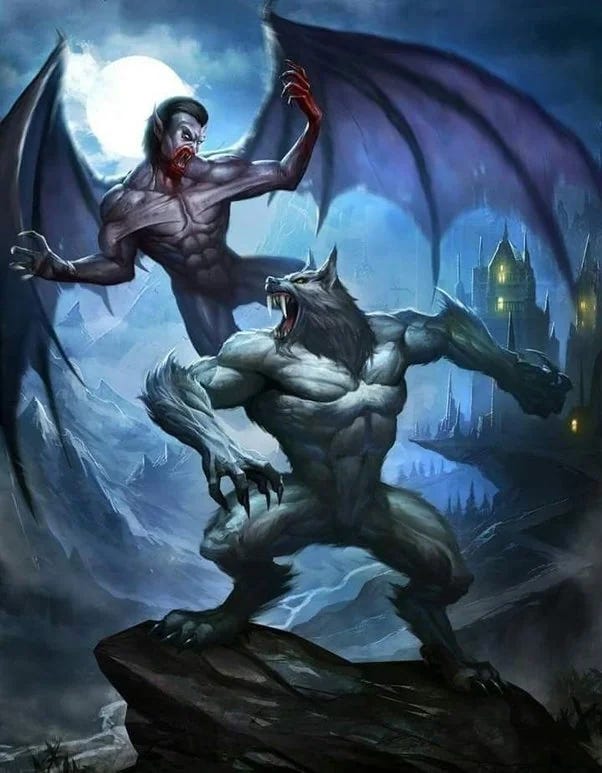
Modern supernatural fiction has another rule:
Vampires and werewolves hate each other.
They belong to different species, factions, bloodlines, or nations. Their war has lasted for centuries. Humans rarely realize it is happening.
The rivalry feels inevitable. It is not.
Traditional folklore did not establish one universal blood feud between organized vampire and werewolf societies. In parts of Central and Eastern Europe, their identities could actually overlap.
Certain traditions suggested that a werewolf might become a vampire after death. Related words could describe both a living shapeshifter and a returning corpse. Instead of natural enemies, the vampire and werewolf sometimes appeared as neighboring expressions of the same supernatural anxiety.
The categories were much less interested in obeying our modern monster charts.
So where did the war come from?
Pop culture placed the monsters in the same universe and discovered that their differences made them perfect opponents.
Universal’s monster crossovers brought Dracula, the Wolf Man, and Frankenstein’s creature into shared stories. In Abbott and Costello Meet Frankenstein, released in 1948, the Wolf Man physically battles Dracula during the climax.
The fight did not establish a complicated ancient war, but it placed the pieces on the board.
Later games and films built the kingdoms.
White Wolf launched Vampire: The Masquerade in 1991, followed by Werewolf: The Apocalypse. Together, they helped popularize the idea of hidden supernatural societies with clans, tribes, politics, territories, histories, and complicated relationships with one another.
Then Underworld made the war the entire point.
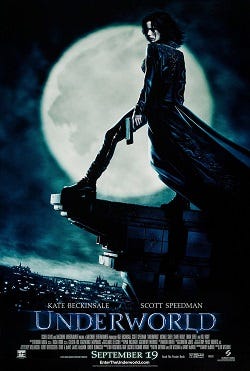
Its vampires are secretive aristocrats. Its Lycans are treated as brutal creatures from the streets and shadows. Later installments reveal a history of enslavement, rebellion, forbidden love, and revenge.
The feud works because it is not merely monster against monster.
It is ruling class against underclass.
- Control against freedom.
- Cold immortality against furious life.
Underworld did not uncover an ancient war hidden inside folklore. It built one so effectively that the conflict now feels as traditional as the full moon.
Twilight carried the vampire-wolf rivalry to an even larger audience, transforming it into territorial conflict, family loyalty, and romantic competition.
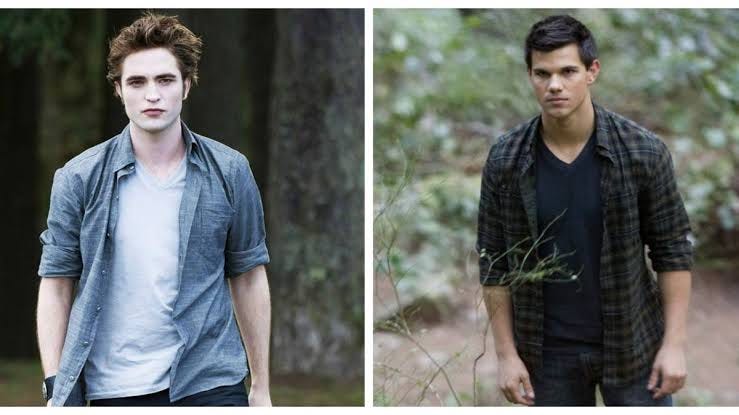
Its own mythology contains a surprise.
Within Stephenie Meyer’s fictional universe, Jacob Black’s pack are technically wolf-shaped shapeshifters rather than the “true” werewolves called the Children of the Moon. Those actual werewolves are forced to transform by the lunar cycle and are treated as a separate supernatural species.
The characters almost everyone calls werewolves are not technically werewolves inside their own story. That is how thoroughly pop culture has rebuilt the monster.
Every fictional world selects the rules it needs.
Why the Feud Feels Right
Vampires and werewolves work as enemies because they represent opposing kinds of monstrosity.
- The vampire is controlled.
- The werewolf is instinctive.
- The vampire dresses well, lives forever, remembers every victim, and turns feeding into ritual.
- The werewolf tears through its clothes, surrenders to the moment, and may awaken horrified by what it has done.
- The vampire fears sunlight.
- The werewolf waits for moonlight.
- The vampire refuses death.
- The werewolf cannot escape a living cycle of change.
One monster is appetite disguised as sophistication. The other is appetite stripped of every disguise.
Their ancient blood feud may be a modern invention, but it succeeds because the monsters were already thematic opposites.
Someone simply introduced them.
Do We Fear the Wolf—or Envy It?

The werewolf survives because it gives physical form to a terrifying suspicion:
Civilization may only be skin-deep.
We learn manners. We obey laws. We control our anger, hunger, jealousy, and fear. We build houses between ourselves and the wilderness.
Then the moon rises, and all those restraints become clothing the body can tear away.
The werewolf can represent rage, addiction, violence, repression, puberty, illness, or the fear of hurting someone we love. Every generation discovers another unwanted transformation inside it.
But fear may not be the only reason the story fascinates us. Perhaps some part of us wants to understand the wolf.
Anyone who has loved a dog has wondered what the world feels like from behind those familiar eyes.
- What do they smell that we cannot?
- What do they understand when they study our faces?
- What are they trying to tell us when they rest against us, guard a doorway, or stare toward something we cannot see?
We learn their habits and recognize the smallest signals of happiness, worry, hunger, and love. They learn our routines, voices, moods, and weaknesses.
Yet an invisible boundary always remains between their world and ours.
The werewolf crosses it.
Transformation brings terror, but it also brings understanding. The human inherits the animal’s senses, recognizes the language of the pack, and enters a world untouched by doors, clocks, roads, or spoken words.
For one night, there is no distance between person and beast.
Perhaps that is another reason the legend survives.
The wolf represents everything civilization taught us to restrain—but also everything civilization made us leave behind.
We fear that the beast understands us because it is human.
We envy the human because, for one night, he understands the beast.
The Monster in Our Games, Movies, and Stories
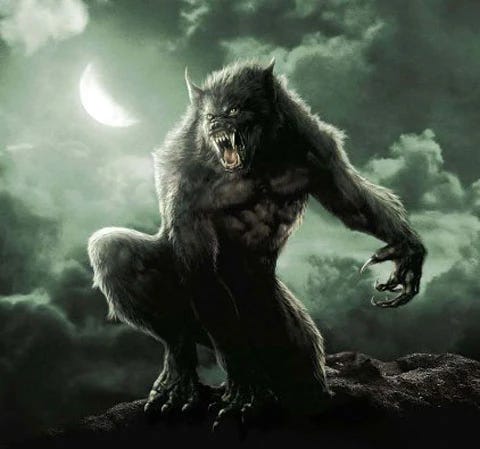
That tension allows werewolves to change with every medium.
An American Werewolf in London makes transformation agonizingly physical. The Howling explores secret communities where the monster may no longer want a cure. Ginger Snaps connects lycanthropy to adolescence, changing bodies, and the terror of becoming someone unfamiliar.
Remus Lupin turns the curse into a story about stigma, isolation, poverty, and the fear that society will judge a person entirely by something they cannot control.
Skyrim presents lycanthropy as both supernatural power and spiritual consequence. Its Companions gain strength from the beast blood, but accepting that strength may determine what claims their souls after death.
The Witcher repeatedly asks whether lifting a curse is wiser—or more difficult—than simply killing the creature.
Teen Wolf converts transformation into identity, belonging, responsibility, and found family.
Underworld turns Lycans into revolutionaries.
The werewolf adapts because transformation can mean almost anything.
- Curse.
- Disease.
- Inheritance.
- Liberation.
- Adolescence.
- Rage.
- Community.
- The loss of identity—or the discovery of it.
The Beast Beneath the Skin
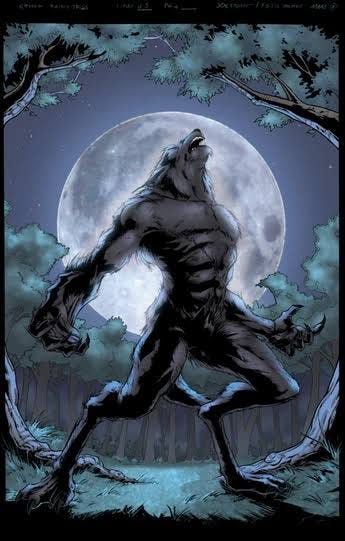
The vampire waits beyond the window. The werewolf is already inside the house.
It sleeps in a familiar body, speaks with a familiar voice, and remembers everything it loves.
Then the moon rises.
Perhaps the legend has never depended on whether human beings can physically become wolves. It asks something far more uncomfortable.
How much of the wolf was already there?
And if becoming a werewolf only removes the restraints, is the monster the creature beneath the moon—or the person who was hiding beneath the skin all along?