No gyms.
No familiar path.
Just sun, surf… and something quietly off beneath the surface.
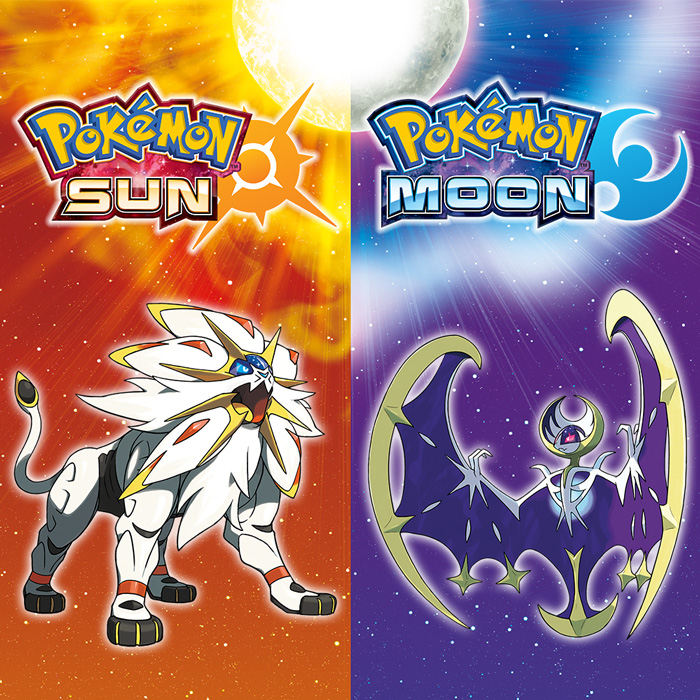
This week, we’re heading to Alola with Pokémon Sun and Moon — the generation that ditched tradition, leaned into personality, and somehow turned a tropical vacation into one of the most emotional stories Pokémon has ever told.
Ask people about Gen VII and you’ll usually hear:
“Oh yeah… the one with no gyms.”
That was the headline.
Sun and Moon replaced the traditional Gym system with Island Trials, introduced regional forms (hello Alolan variants), and leaned hard into a laid-back Hawaiian-inspired vibe.
The marketing sold it as:
- A fresh start
- A more relaxed adventure
- A colorful, tropical escape
And for a lot of players, that’s exactly what it felt like at first.
People remember:
- Cutscenes. A lot of cutscenes
- Hand-holding early on
- Z-Moves as the flashy new battle mechanic
- Team Skull being… more goofy than threatening?
Memes followed quickly.
“This is too easy.”
“Why am I being stopped every five steps?”
“Is this even Pokémon anymore?”
For some, Gen VII felt like a detour.
A break from the formula that maybe went a little too far.
They’re not wrong about the changes.
But they are missing the point.
Because Sun and Moon didn’t just change the structure…
They changed what a Pokémon story could be.
Mechanics — Breaking the Formula on Purpose
The biggest change hits immediately:
There are no Gyms.
Instead, you take on Island Trials — challenges set by captains that test more than just battle strength.
You:
- Complete tasks
- Solve small puzzles
- Then face a Totem Pokémon, a powered-up boss that can call allies mid-battle
It shifts the rhythm.
Battles feel less like checkpoints and more like events.
Z-Moves add another layer — one powerful, cinematic attack per battle that can swing momentum instantly.
They’re flashy, sure.
But they also introduce timing as a strategic element:
When do you go all-in?
The overall experience is more guided than previous gens — but that guidance is intentional.
It’s building something.
Story & Characters — The Real Heart of Alola
This is where Gen VII separates itself.
The story doesn’t revolve around becoming Champion.
It revolves around people.
At the center is Lillie, a character who doesn’t battle, doesn’t chase strength, and doesn’t fit the typical Pokémon mold.
She’s running from something.
Protecting something.
Trying to figure out who she’s allowed to be.
Then there’s Gladion, her brother — angry, distant, but clearly carrying the same weight.
And above them?
Lusamine — one of the most unsettling characters in the series.
Not because she wants power.
But because of how far she’s willing to go for her version of love.
Team Skull, meanwhile, looks like comic relief on the surface.
But spend time with them, and you realize they’re not villains.
They’re people who didn’t fit anywhere else.
That’s the thread running through Gen VII:
Belonging.
Not power. Not victory.
Just… finding where you fit.
World, Visuals & Atmosphere — A Living Culture
Alola feels alive in a way few regions do.
It’s not just tropical.
It’s cultural.
You’re moving through:
- Beach towns
- Dense jungles
- Sacred sites
- Bustling markets
NPCs feel like they live there, not just exist for gameplay.
Regional variants reinforce this idea — Pokémon adapting to their environment over time.
Everything feels connected.
Slower pacing.
Brighter colors.
A sense that life is happening around you, not just because of you.
It’s less “hero’s journey.”
More “world you’re stepping into.”
Sound & Music — Personality in Every Track
Once again, Junichi Masuda and the team deliver — but Gen VII leans heavily into identity.
The music feels:
- Playful
- Rhythmic
- Deeply tied to Alola’s island inspiration
Battle themes carry energy, but it’s the character themes that stand out.
Each major character has a musical identity.
And when emotional moments hit?
The music doesn’t just support them.
It elevates them.
This is one of the most personality-driven soundtracks in the series.
Gen VII didn’t play it safe.
It removed core systems.
Shifted tone.
Focused on characters over structure.
And yeah — that made it divisive.
But it also proved something important:
Pokémon doesn’t have to follow the same formula forever.
It can:
- Experiment
- Tell smaller, more personal stories
- Focus on relationships instead of just progression
Sun and Moon showed that growth isn’t always about getting stronger.
Sometimes it’s about understanding who you are.
You can see Gen VII’s influence everywhere now.
Modern Pokémon continues to:
- Experiment with structure (open worlds, non-linear paths)
- Focus more on character-driven stories
- Lean into regional identity and culture
And outside Pokémon?
This is the same shift we’ve seen across gaming:
From systems-first to character-first storytelling.
From “win the game” to “experience the world.”
Gen VII walked so modern RPGs could balance both.
QUESTION
Gen VII broke the formula to tell a more personal story.
So, here’s the question:
Do you want Pokémon to stick to what works…
Or keep taking risks like this, even if they don’t always land?