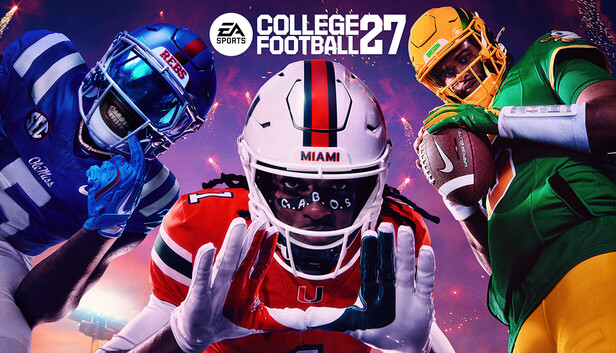
Some traditions announce themselves.
Opening Day. Selection Sunday. The first Saturday of college football season.
Others quietly become traditions through repetition.
For years, summer brought another college football video game. Another cover athlete. Another roster. Another chance to choose a forgotten program and convince yourself that you could transform it into a national powerhouse.
Then one summer, there wasn’t a new game.
At first, it felt like a delay.
Then another year passed. Then another. Then eleven years passed.
Sometimes you don’t realize an annual tradition is a tradition until somebody takes it away.
FAMILIAR VERSION
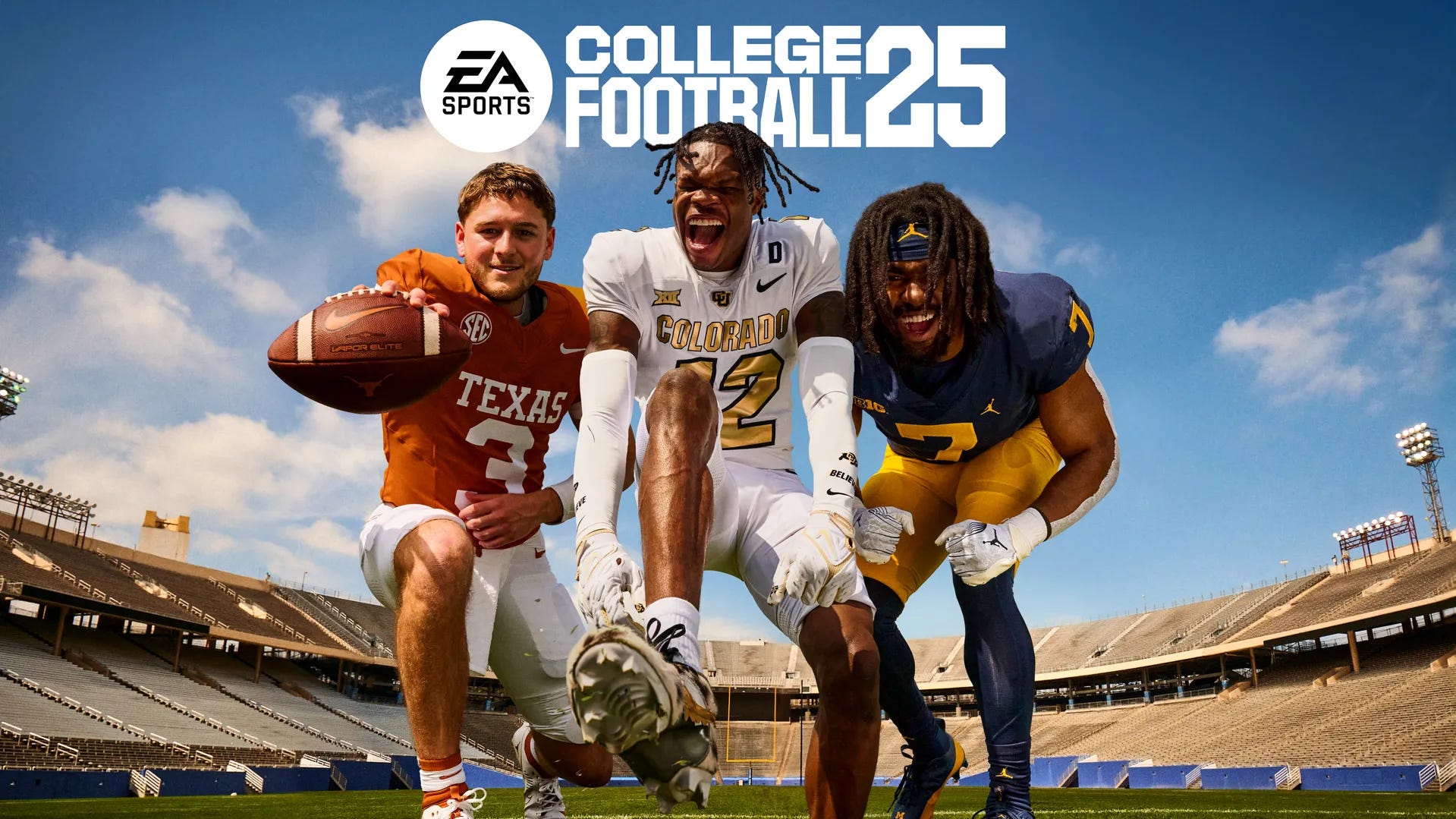
It would be easy to describe EA Sports College Football 25 as the return of a beloved sports franchise.
That is technically what happened.
After more than a decade away, EA released a new college football game in July 2024. Players could return to Dynasty, create a student-athlete in Road to Glory, hear familiar fight songs, and experience the traditions of programs across the country.
The series has continued with College Football 26 and College Football 27, restoring college football to EA’s annual sports calendar.
But this story is bigger than three video games. It is about the tradition fans lost.
The people who refused to let it disappear. The athletes whose rights helped change college sports. And the strange emotional power of finally getting something back after assuming it might be gone forever.
College Football 25 gave us the game back.
College Football 26 gave us another summer.
College Football 27 gave us something even more precious:
The confidence that there would be a next one.
DEEP DIVE
The Last Normal Summer
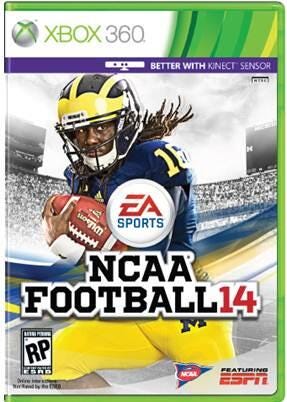
When NCAA Football 14 arrived in 2013, most players had no reason to believe they were holding the final game in the series.
It was simply that year’s edition.
There was a new cover athlete, updated teams, refined gameplay, and another opportunity to start a Dynasty that would almost certainly consume an irresponsible number of hours.
That was how annual sports games worked.
One arrived. You played it until the next one came out. Then you traded it in, bought the new game, and started over.
Except the next one never came.
Behind the scenes, the legal foundation supporting college sports games was collapsing. Although the NCAA Football series did not use the names of current athletes, its digital rosters often recreated their jersey numbers, positions, appearances, hometowns, and abilities closely enough that there was little mystery about who they represented.
A star quarterback might technically be called “QB #2.” Everyone still knew who he was.
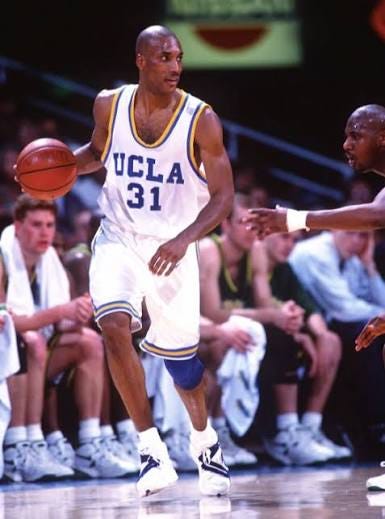
Former UCLA basketball player Ed O’Bannon became the central figure in a legal fight over the commercial use of college athletes’ names, images, and likenesses without compensation. The resulting lawsuits, settlements, licensing withdrawals, and growing legal uncertainty made the old model increasingly impossible to defend or sustain.
In September 2013, EA announced that it would not produce another college football game the following year.
The annual tradition was gone.
The Game That Refused to Die
Most discontinued sports games gradually disappear.
Their rosters become outdated. Their online communities move on. Their discs end up in bargain bins, storage containers, and forgotten corners of entertainment centers.
NCAA Football 14 refused to go quietly.
Fans kept their old Xbox 360s and PlayStation 3s connected. Community members updated rosters every season, replacing players who had graduated with the newest stars of college football. Dynasties continued so far into the future that the real sport barely resembled the one represented on the original disc.
Then College Football Revamped pushed the game’s afterlife even further.
The fan-made project introduced updated uniforms, fields, helmets, menus, logos, and broadcast graphics, helping a game built for 2013 resemble the sport fans were watching years later.
NCAA 14 became more than an old sports title. It became a preserved artifact.
Every updated roster was an act of defiance against time. Every new Dynasty was proof that the desire for college football gaming had never disappeared. Players weren’t merely replaying an old favorite.
They were keeping an entire genre alive.
For eleven years, fans built new seasons inside a game that was never supposed to carry that much weight.
College Athletics Changes
While NCAA 14 remained frozen in place, the sport surrounding it transformed.
Conferences expanded. The College Football Playoff arrived. The transfer portal changed how rosters were built. Players moved more freely between programs.
And the fight over whether college athletes should be allowed to profit from their own identities reshaped the entire business of college sports.
EA announced the return of its college football franchise in February 2021. Several months later, the NCAA adopted an interim policy allowing college athletes to benefit financially from their names, images, and likenesses.
NIL did not settle every argument surrounding college athletics. It did, however, help create a path for real players to appear in the new game with their permission—and receive compensation for doing so.
For College Football 25, EA extended more than 11,000 individual NIL offers. Athletes who opted in received at least $600 and a copy of the game, with additional promotional opportunities available. Players who declined were excluded rather than quietly recreated under another name.
The amount of compensation inspired its own debate, and NIL remains one of the most complicated issues in modern college sports.
But the underlying principle had changed. The athletes were no longer supposed to be included without being asked.
The series that disappeared amid a fight over player likenesses would return with thousands of licensed players participating in it.
The First Kickoff Back
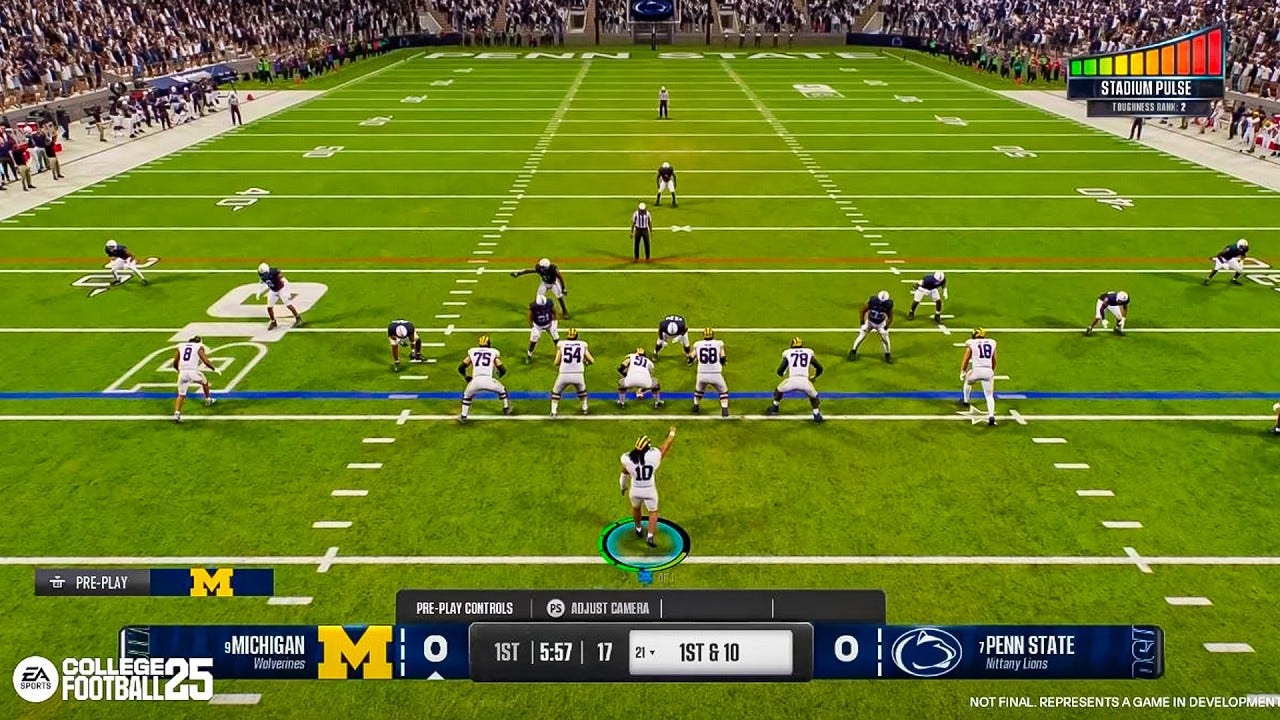
When College Football 25 arrived on July 19, 2024, players weren’t merely purchasing the newest sports game.
They were recovering a piece of their lives.
Thirty-somethings were returning to a series many had last played when they were in college themselves. In the years between releases, they had graduated, begun careers, gotten married, raised children, moved across the country, and watched the sport completely reorganize itself.
Then the game loaded. The fight songs returned. The mascots ran onto the field. The stadiums shook. Recruiting boards filled with prospects. Dynasty Mode asked players to choose a school.
And somewhere, someone immediately selected a one-star program and began planning its completely reasonable rise to national dominance.
EA reported that 2.2 million unique players entered College Football 25 during early access, with another 600,000 participating through the EA Play trial.
That wasn’t ordinary launch excitement. That was eleven years of anticipation being released over one weekend.
Everything We Didn’t Know We Missed
The absence revealed how much of the experience had never been about playing individual football games.
We missed choosing a cover athlete. We missed arguing about team ratings. We missed downloading updated rosters. We missed recruiting a five-star quarterback who had absolutely no logical reason to consider our school.
We missed watching that same quarterback transfer because we left him on the bench for one season.
We missed creating ourselves in Road to Glory and pretending we would have been unstoppable if only a major college program had recognized our obvious athletic potential.
We missed rivalries.
- Fight songs.
- Mascots.
- Bowl games.
- Upsets.
- Home-field advantages.
We missed taking control of a forgotten program and building something that could last longer than any individual player.
Annual sports games are often judged by what changes from one release to the next.
College football’s disappearance reminded us to appreciate what stayed the same.
The Tradition Becomes Annual Again
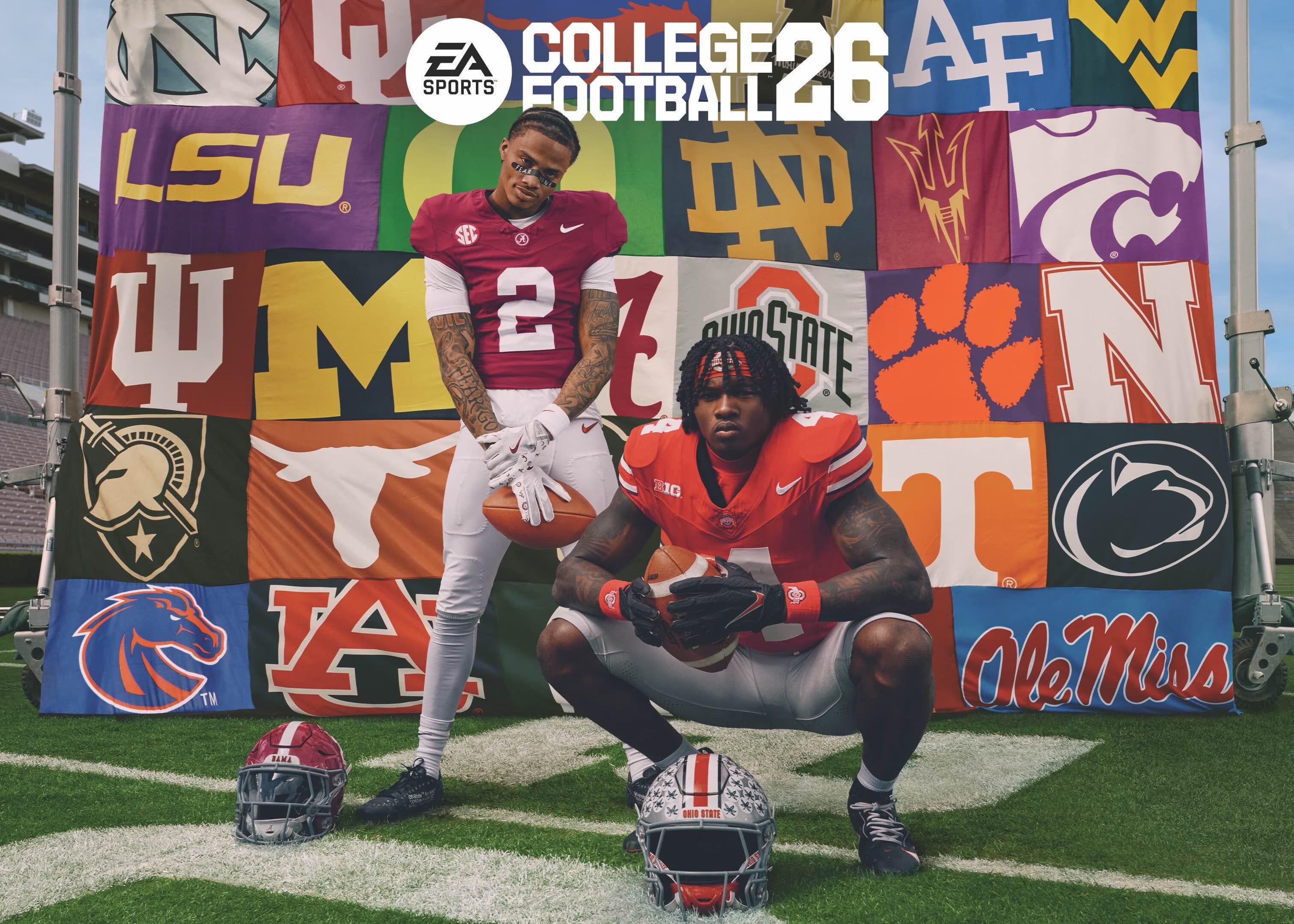
The release of College Football 25 was an enormous moment, but one successful comeback did not guarantee that the tradition had truly returned.
That is why College Football 26 mattered.
It was not surrounded by eleven years of longing. It could not rely entirely on the emotional power of the franchise’s resurrection. It had to become what the series used to be:
The next college football game.
Another cover reveal. Another summer of anticipation. Another round of ratings arguments. Another Dynasty.
College Football 26 expanded the experience with 136 FBS programs, deeper modes, more school traditions, and hundreds of real coaches. More importantly, it arrived the following summer exactly when a college football game was supposed to arrive.
Then College Football 27 completed the restoration.
The 2026 edition continued adapting Dynasty and Road to Glory to the rapidly changing realities of modern college football, while bringing the franchise to PC and mobile for the first time.
By then, the remarkable thing was no longer that college football had returned.
The remarkable thing was that its annual release was beginning to feel normal again.
That normalcy was the victory.
WHY IT MATTERS
Annual sports franchises are easy to criticize.
Sometimes fairly.
Players debate whether each release changes enough to justify another purchase. Features disappear and return years later. Familiar systems get repackaged. The pressure of producing a game every year can make innovation difficult.
But college football showed us the other side of the annual sports game.
These games can become markers on our calendars.
They tell us another season is coming.
They give old friends a reason to restart an online Dynasty. They introduce us to the newest players. They reflect changing uniforms, conferences, rivalries, stadiums, rules, and traditions.
They let us begin the season before the real teams ever take the field.
College Football 25 was exciting because something beloved returned.
College Football 26 was comforting because it happened again.
College Football 27 is worth celebrating because we can finally begin taking the franchise for granted.
For eleven years, players had no idea whether another game would ever arrive.
Now the question is which school they will rebuild next.
That is what we got back.
Not merely a game.
A ritual. A shared language. A digital version of Saturday afternoon. A reason to believe that this summer’s impossible Dynasty will somehow be even better than the last one.
MODERN CONNECTION
College football gaming now reflects a sport that changes almost as quickly as a video game can represent it.
- Players transfer.
- Conferences reorganize.
- Coaches move.
- NIL opportunities grow.
- The playoff evolves.
Every new release becomes a snapshot of college football during one particular season…a snapshot fans can preserve long after the real games have ended.
Perhaps that is why the series means so much.
A real college team is always temporary. Seniors graduate. Stars leave for the NFL. Coaches accept new jobs. The roster that created one unforgettable season will never exist in quite the same way again.
But inside the game, we can keep that season going.
We can rewrite the ending.
We can build the future.
We can press start and hear the fight song one more time.
QUESTION
When college football gaming finally returned, which school did you choose for your first Dynasty—and what part of the series had you missed most?
NEXT FRIDAY
For eleven years, college football fans dreamed about getting their annual sports game back.
Madden players never had to.
Next Friday, Free Play Friday explores the other side of the annual sports tradition: What happens when a franchise never leaves long enough for anyone to miss it?
College Football taught us how precious an annual game can become when it disappears.
Madden may reveal what happens when the annual game becomes permanent.
Until then, enjoy the fight songs. Start another Dynasty. Recruit that impossible quarterback. College football is back. And this time, we finally believe it is staying.