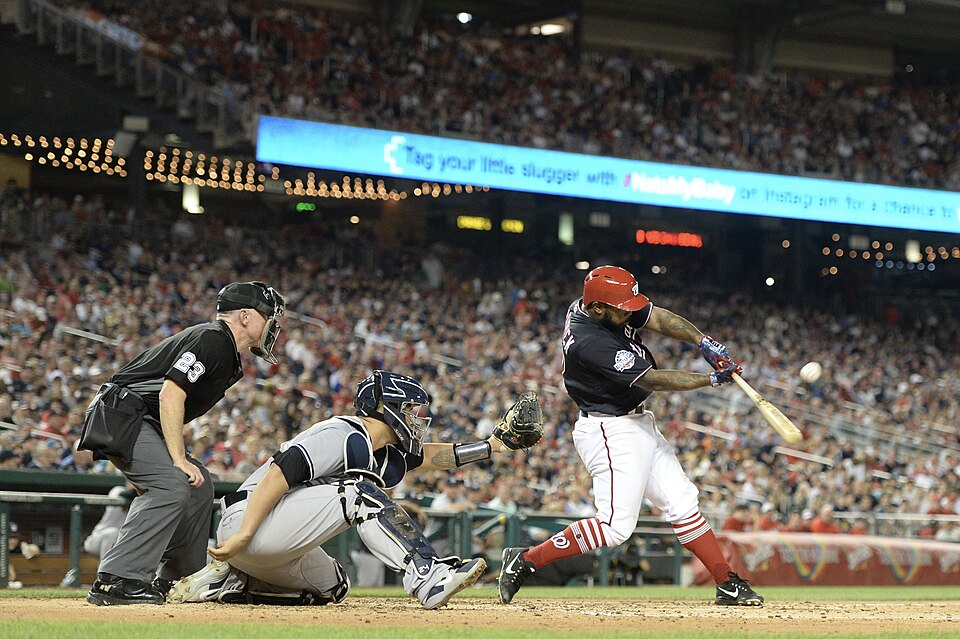
It is August. It is hot. Football is starting to stretch in the distance. Basketball is asleep. Hockey is gone.
The summer air feels heavy, the standings are starting to matter, and somewhere, in some ballpark, two teams are playing a perfectly normal baseball game on a random Tuesday night.
Maybe it is in Cincinnati. Maybe Kansas City. Maybe Pittsburgh. Maybe Los Angeles. Maybe St. Louis. Nothing about it feels historic when the first pitch is thrown.
It is just another game. A lineup card. A starting pitcher. A bullpen phone. A hot dog wrapper blowing under a seat. A radio broadcast humming in someone’s garage. A box score that will exist forever even if most people forget the game by tomorrow morning.
And yet, that game counts exactly the same as Opening Day.
That is baseball.
Beautiful. Stubborn. Exhausting. Eternal.
Baseball’s regular season is 162 games long. Each team plays nearly every day for about six months, creating a marathon that feels absurd compared with most other major American sports. Baseball-Reference lists the modern MLB regular season as 162 games per team, totaling 2,430 regular-season games across the league.
And the natural question is: Why?
Why does baseball need that many games?
Why does the sport ask fans, players, broadcasters, grounds crews, hot dog vendors, and exhausted parents with bedtime routines to keep showing up from spring through fall?
The easy answer is history. The better answer is identity.
Baseball is 162 games long because baseball is not trying to crown the team that had one great night.
Baseball is trying to reveal the team that can survive the summer.
The Surface Version
The surface version is simple: Baseball has 162 games because that is just how baseball works.
That is the number everyone knows.
Football has weekly drama. Basketball and hockey have 82-game regular seasons.
Baseball has 162.
The number feels almost built into the sport now. You hear it and immediately understand the shape of the year.
A long season. A daily season. A slow-burn season.
But 162 did not fall from the sky.
Before the modern 162-game schedule became standard, Major League Baseball used a 154-game schedule for decades. In 1920, when the American and National Leagues each had eight teams, clubs played their seven league rivals 22 times apiece, which produced the 154-game season. Expansion changed the math: the American League added two teams in 1961, then the National League followed with its own expansion in 1962. With 10-team leagues, teams shifted toward playing league opponents 18 times, creating the 162-game structure that became the modern baseline.
So yes, there is a scheduling reason. There is a math reason. There is a history reason. But if we stop there, we miss the real story.
Because the 162-game season is not just a format. It is a philosophy.
Baseball is different because baseball lives with you.
Most sports arrive as events. Baseball arrives as a companion.
Football asks for your Sunday. Baseball asks for your summer. That changes the relationship completely.
A baseball season is not designed to feel like one giant explosion. It is designed to build slowly. It gives you Opening Day hope, April overreactions, May adjustments, June reality checks, July trade rumors, August exhaustion, September panic, and October judgment.
That rhythm is the point.
Baseball is not trying to figure out who can get hot for a weekend. Baseball is asking a much more annoying and much more revealing question:
Can you be good again tomorrow? And the next day? And the day after that? For six months?
That is the beauty of 162.
Why Baseball Can Play So Many Games
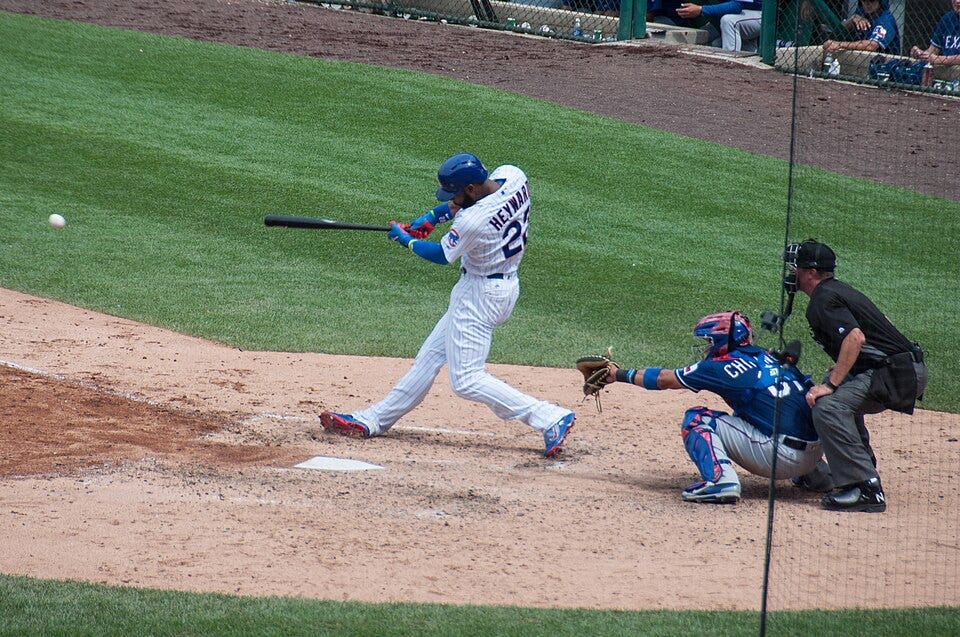
The first practical reason baseball can play 162 games is that baseball is physically demanding in a different way than football, hockey, or basketball.
That does not mean baseball is easy.
Absolutely not.
Try hitting major-league pitching and let me know how relaxing that feels. (Many athletes from different sports, and many more sports reporters say hitting a baseball traveling 90 MPH might be the most difficult thing to do in sports)
But, the physical structure of the sport is different.
Football is controlled violence. You cannot play 162 football games unless the league plans to replace the roster with soup by Halloween.
Basketball and hockey demand constant movement, jumping, cutting, skating, collision, and recovery.
Baseball has a different rhythm. It is built around bursts.
- A pitch.
- A swing.
- A sprint.
- A throw.
- A pause.
- Another pitch.
The game is tense, but not continuous in the same way. That allows baseball to be played almost every day, especially because teams rotate pitchers, manage lineups, use bullpens, rest players, and spread the workload across a long roster.
That daily rhythm is what makes baseball baseball. The sport was built to be part of the calendar.
Not once a week. Almost every night.
A team loses badly? Good news. There is another game tomorrow.
A team wins on a walk-off? Enjoy it quickly. There is another game tomorrow.
That is the blessing and curse of baseball. Nothing lasts. Everything accumulates.
Why 162 Reveals the Real Team
A short season can lie to you. That is true in any sport.
A team gets hot. A star player carries the month. A few lucky breaks swing the standings.
A bad week looks like a disaster. A great week looks like destiny.
Baseball refuses to let one week tell the whole story.
A 162-game season is an argument against overreaction.
You cannot fake your way through six months. Eventually, everything gets tested.
- Your starting rotation.
- Your bullpen.
- Your bench.
- Your manager.
- Your farm system.
- Your veterans.
- Your rookies.
- Your defense.
- Your travel schedule.
- Your ability to survive injuries.
- Your ability to recover after getting swept.
- Your ability to not let one ugly loss turn into seven.
That is why baseball’s long season matters.
It creates a huge sample size, and baseball is a sport obsessed with sample size even when it pretends not to be. One game can be random. One week can be weird. One month can mislead you.
But 162 games?
That starts telling the truth. Not a perfect truth. Sports are never that clean. But a better truth.
The best teams are not the ones that look great for three days. They are the ones that keep showing up when the season gets heavy.
The Dog Days Are the Point
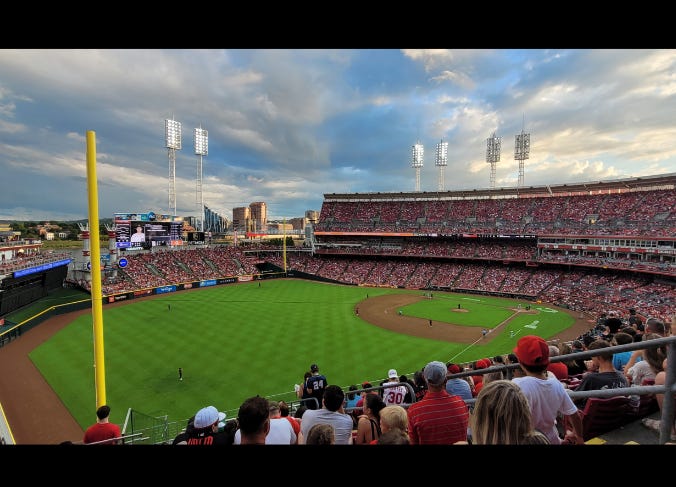
The phrase “dog days of summer” feels made for baseball.
It means the hottest, slowest, most exhausting stretch of the year. The excitement of Opening Day is long gone. The postseason is still too far away to feel real. Football is starting to invade the conversation. Fans are tired. Players are tired. Broadcasters are finding new ways to describe a 4-2 game in 94-degree heat.
And yet, this is where baseball becomes baseball.
The dog days are not a flaw in the system. They are part of the test.
April baseball is hope. October baseball is judgment. August baseball is character.
That is when the long season starts asking uncomfortable questions. Can your ace still carry you? Can your bullpen survive? Can your young guys adjust after the league adjusts to them? Can your veterans keep their legs? Can your manager steal rest without giving away games? Can your team care on a hot Wednesday night against a fourth-place opponent when everybody’s mind is already drifting toward football?
That is the grind. And baseball loves the grind.
Not because every game is dramatic. Most games are not. That is actually the point. Baseball is built on ordinary pressure. Not constant emergency. Ordinary pressure.
Show up. Play. Travel. Adjust. Lose. Win. Do it again.
Every Game Matters, But Not Every Game Feels Important
This is one of baseball’s strangest truths: Every game matters. Not every game feels important.
That is hard for casual fans to accept.
In football, scarcity creates urgency. There are so few games that every Sunday feels like a chapter heading. Lose one game and it can reshape the whole season.
Baseball does not work that way.
A team can lose 8-1 on a Tuesday and still be fine.
A team can win 12-3 and not suddenly be fixed.
Individual baseball games often feel small because the season is so large. But then September arrives. Suddenly, everyone starts counting.
That blown save in May? That extra-inning loss in June? That weird series against a bad team in July? That rookie call-up in August?
It all comes back.
Baseball rewards the people who stuck around.
The long season turns tiny moments into evidence. You may not know when you are watching the game that will matter later, but that is part of the magic.
A random August win can become the difference between a division title and a wild card spot.
A random August loss can become the game everyone remembers when the standings tighten.
Baseball hides meaning inside routine.
That is why the 162-game season works.
Why Fans Love the Marathon
Baseball gives fans something most sports cannot give them: Company.
That sounds simple, but it is powerful.
Baseball is there.
On the radio. On TV. In the background at a bar. In the car during a summer drive. On a porch. In a garage. At dinner. At your grandparents’ house. At your parents’ house. On some random night when nothing else is going on.
Baseball becomes part of the atmosphere.
The 162-game season is too long if you think every game is supposed to feel like a championship event. But that is not what baseball is doing. Baseball is not asking every night to be unforgettable.
It is asking to be present.
That is why people get sentimental about it. The rhythm becomes part of life.
- You check the score.
- You hear the announcer.
- You follow the standings.
- You learn the lineup.
- You complain about the bullpen.
- You convince yourself the new guy might fix everything.
- You watch a team slowly become what it is.
Then one day, summer starts to turn, and you realize you have been living with this team for months. That is different. That is baseball.
Why 162 Is Also Ridiculous
Now, to be fair, 162 games is insane. It is.
Baseball fans can love the marathon and still admit that the marathon is ridiculous.
The season is long enough for entire narratives to form, collapse, and come back from the dead.
A player can be finished in April, reborn in June, exhausted in August, and a postseason hero in October.
A team can look like a juggernaut, then a fraud, then a sleeper, then a contender again.
The long season creates drama because it gives everyone time to change their mind way too many times. It also creates games that test your devotion.
Not every matchup is glamorous. Not every broadcast is electric. Not every inning is poetry. Sometimes baseball is a rain delay, a pitching change, three stranded runners, and a fan wondering why they love this sport.
And then someone hits a walk-off. Or a rookie gets his first hit. Or an old veteran finds one more big swing. Or a closer escapes a bases-loaded jam.
And suddenly, there it is again. The reason you stayed.
Baseball’s ridiculousness is part of its charm.
The season is too long. And somehow, that is why it feels complete.
Why This Matters
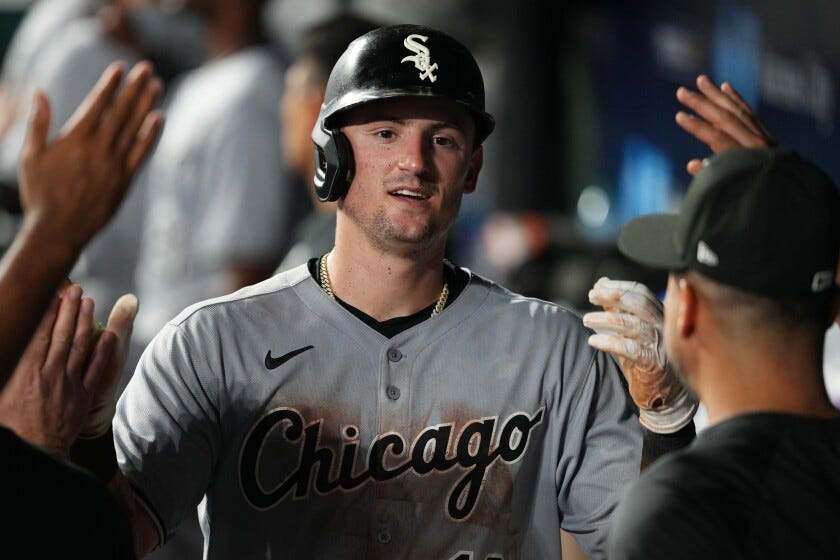
The 162-game season matters because it shapes the kind of champion baseball produces.
Baseball is not built to reward perfection. No one survives 162 games cleanly. Great teams lose 60 games. Good teams look terrible for weeks. Future playoff teams get shut out by last-place teams. A star hitter can fail seven times out of ten and still be considered excellent.
That is baseball’s worldview.
Failure is not an interruption. Failure is baked into the sport. The long season forces teams to live with that.
You cannot panic after every loss. You cannot crown yourself after every win. You cannot let one slump define you. You cannot let one hot streak fool you. The season is too long for pretending.
Eventually, the truth finds you.
That is why baseball people talk about the grind so much.
It is not just a cliché. It is the sport’s entire operating system.
Modern Connection
Baseball is not a 12-episode seasonal anime. Baseball is a long-running shonen.
Some episodes are legendary. Some episodes are filler. Some arcs drag. Some side characters suddenly become important. Some random July villain gives your team problems for no good reason.
The power scaling gets weird. The fan base argues about everything.
And by the time you reach the final arc, half the emotional weight comes from the fact that you have been living with these characters for months.
That is the baseball season.
Opening Day is the premiere. The All-Star break is the midseason recap. The trade deadline is the sudden cast shake-up. August is the training arc nobody asked for but everybody has to survive. September is the final push. October is the tournament arc.
That is why 162 games works from a storytelling perspective. It gives the season room to breathe. It gives teams time to reveal themselves. It gives fans time to care.
A shorter season might be cleaner. But baseball was never meant to be clean. Baseball is meant to unfold.
Final Whistle
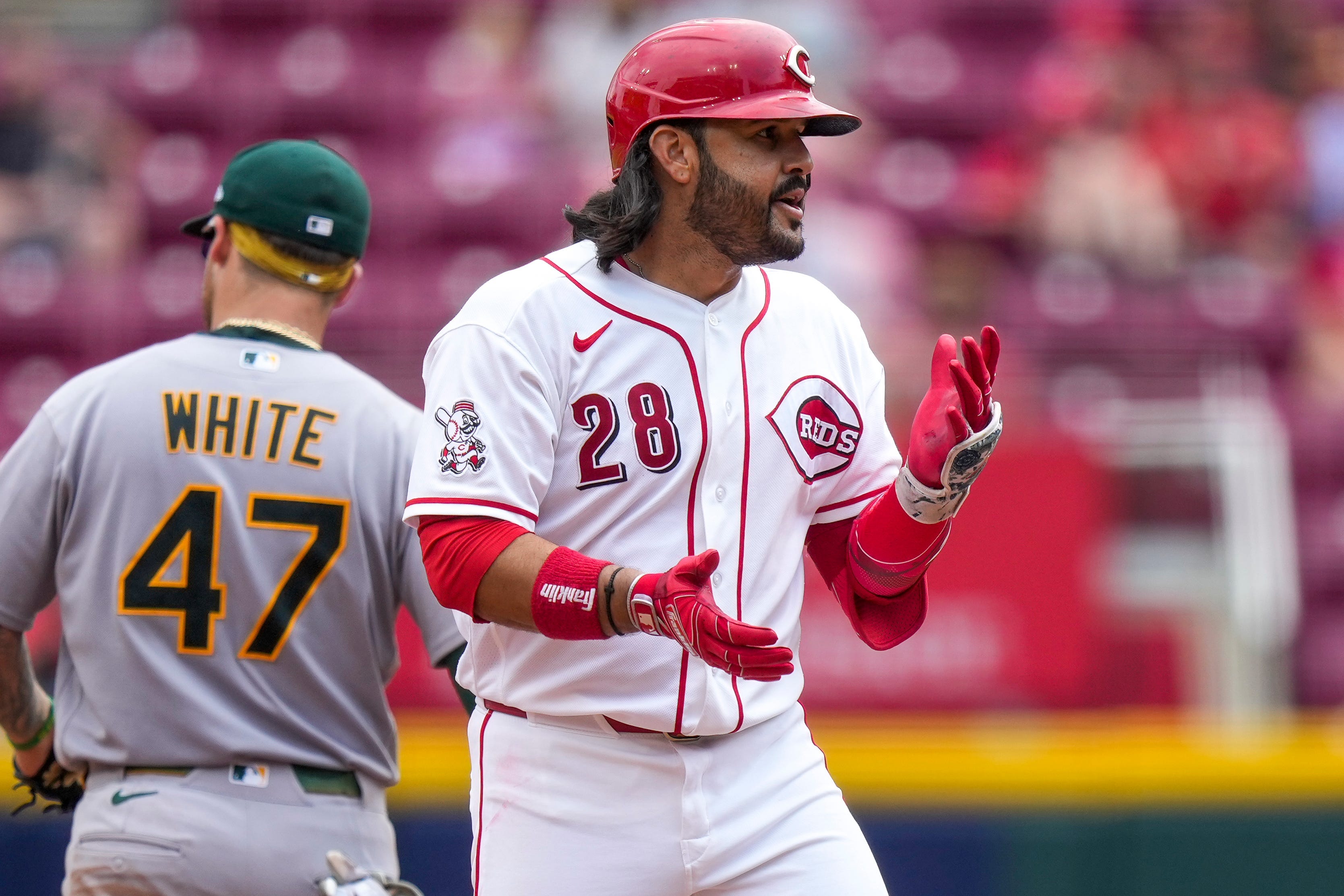
A 162-game season is ridiculous.
It is long. It is exhausting. It creates games that feel pointless until they suddenly are not. It asks too much of players, fans, broadcasters, and anyone trying to maintain a normal sleep schedule during a West Coast road trip. And that is exactly why it works.
Baseball is not asking for your attention once a week. It is asking to be part of your life from spring to fall.
- Through heat.
- Slumps.
- Rain delays.
- Walk-offs.
- Bad bullpens.
- Hot streaks.
- Cold streaks.
- Trade rumors.
- Rookie debuts.
- September nerves.
- And some random game in August that somehow still matters.
That is the beauty of 162.
Baseball does not crown the team that burns brightest for one night. It crowns the team that survives the summer.
The Ctrl+Binge Question
Do you like baseball’s 162-game marathon? Or would you like the sport better with a shorter season?