For years, Dragon Ball had a simple understanding of heaven.
Kami watched over Earth. King Kai watched over the North Galaxy. The Supreme Kais watched over creation itself. That already felt unimaginably vast. Surely… that had to be the top.
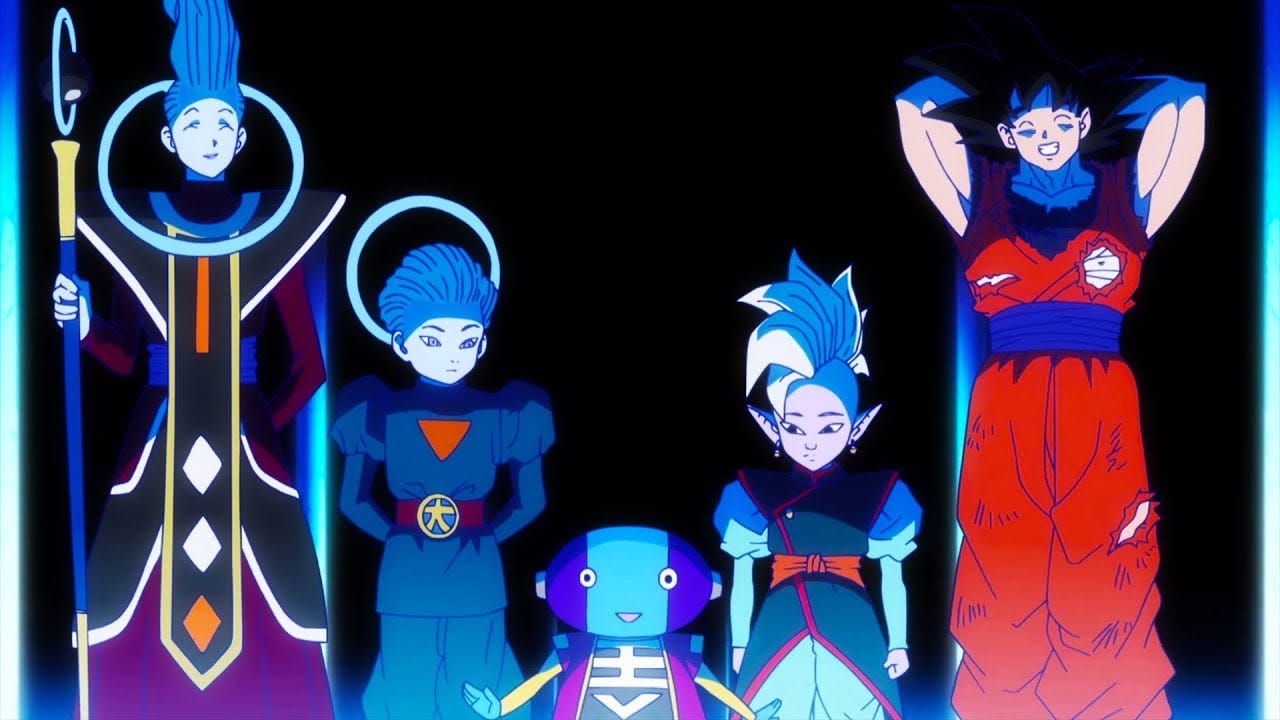
Then Dragon Ball Super asked a question no one had really considered. Who watches over the gods? The answer wasn’t one supreme deity. It was an entire heavenly hierarchy.
Gods of Destruction.
Angels.
The Grand Priest.
And above them all… A cheerful child who could erase an entire universe with a single thought.
It sounds like something only Akira Toriyama could imagine. But the idea behind it is far older than Dragon Ball. For thousands of years, civilizations around the world have imagined heaven as more than one throne.
Kings. Messengers. Judges. Destroyers. Caretakers. Dragon Ball Super didn’t invent that idea. It simply gave it a purple cat who loves good food, an impossibly calm angel, and the most powerful child in existence.
THE FAMILIAR VERSION
Most fans know these three by their roles.
- Beerus destroys.
- Whis trains.
- Zeno rules.
Beerus can erase planets. Whis effortlessly outclasses the Gods of Destruction. Zeno can erase entire universes without lifting a finger.
Naturally, conversations usually become power-scaling debates. Who’s stronger?
Could Beerus defeat… Could Whis… Could Zeno… Those discussions are fun. But they miss what makes these characters so fascinating. They’re not simply stronger than everyone else.
They’re ideas. Each one represents a different responsibility within the universe itself. Dragon Ball Super wasn’t introducing stronger characters. It was introducing a philosophy of heaven.
THE GOD WHO DESTROYS
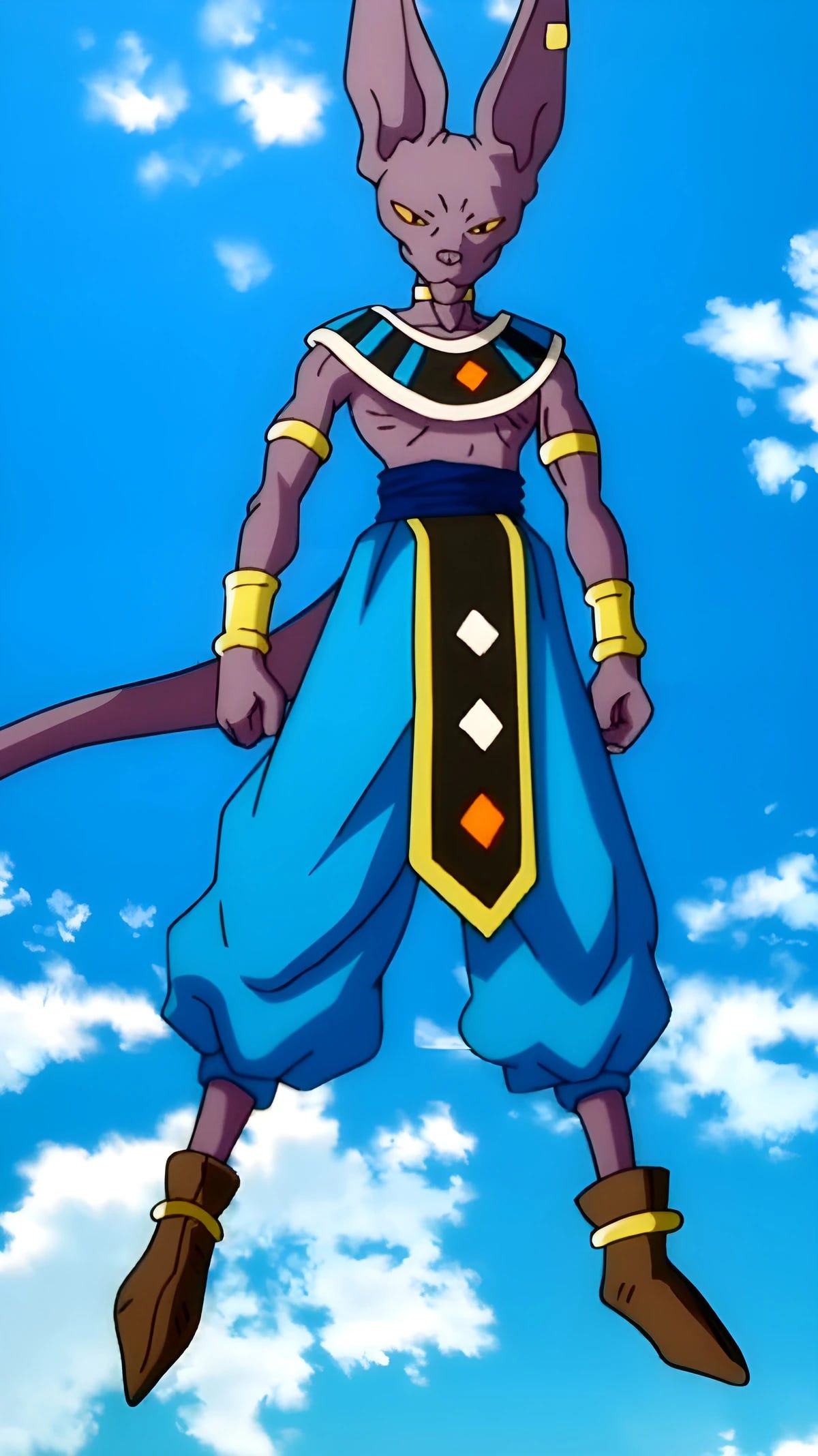
Beerus is introduced as the God of Destruction. For many viewers, that title immediately sounds villainous. Destroying worlds certainly doesn’t sound heroic. Yet Dragon Ball never treats Beerus as evil.
He isn’t driven by conquest. He doesn’t crave suffering. He isn’t interested in ruling mortals. His job is destruction. That distinction matters.
Across history, many cultures viewed destruction not as the opposite of creation, but as part of the same cycle. One of the clearest examples comes from Hindu philosophy through the Trimurti.
- Brahma creates.
- Vishnu preserves.
- Shiva destroys.
But Shiva’s destruction isn’t motivated by hatred. It clears away what has reached its end so something new can emerge.
Beerus occupies a remarkably similar role. His purpose isn’t chaos. It’s balance.
Without endings… Nothing new ever begins.
Suddenly the sleepy purple cat becomes much more than comic relief. He’s entropy wearing Egyptian-inspired clothing.
THE ANGEL WHO NEVER TAKES SIDES
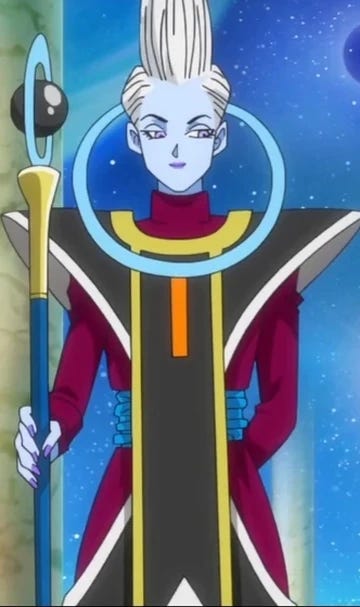
If Beerus represents necessary destruction… Whis represents guidance.
One of the first things that surprises viewers is learning Whis is stronger than Beerus. Normally that would make him the obvious protector of the universe.
Instead… He almost never intervenes.
He teaches. He observes. He corrects. He prepares others. That restraint makes him feel remarkably similar to angelic messengers found throughout many religious traditions.
Not identical. But familiar. Angels often guide rather than rule. They carry wisdom instead of authority. Whis does exactly that.
His greatest lessons aren’t new attacks. They’re new ways of thinking. Relax. Move naturally. Trust your body. Stop fighting yourself.
Those lessons echo ideas found throughout Buddhist and Daoist philosophy—not as direct adaptations, but as familiar themes centered on awareness, discipline, and harmony.
Ultra Instinct isn’t merely another transformation. It’s a change in consciousness.
For perhaps the first time in Dragon Ball, mastery isn’t about becoming angrier. It’s about becoming quieter.
THE CHILD ON THE HIGHEST THRONE
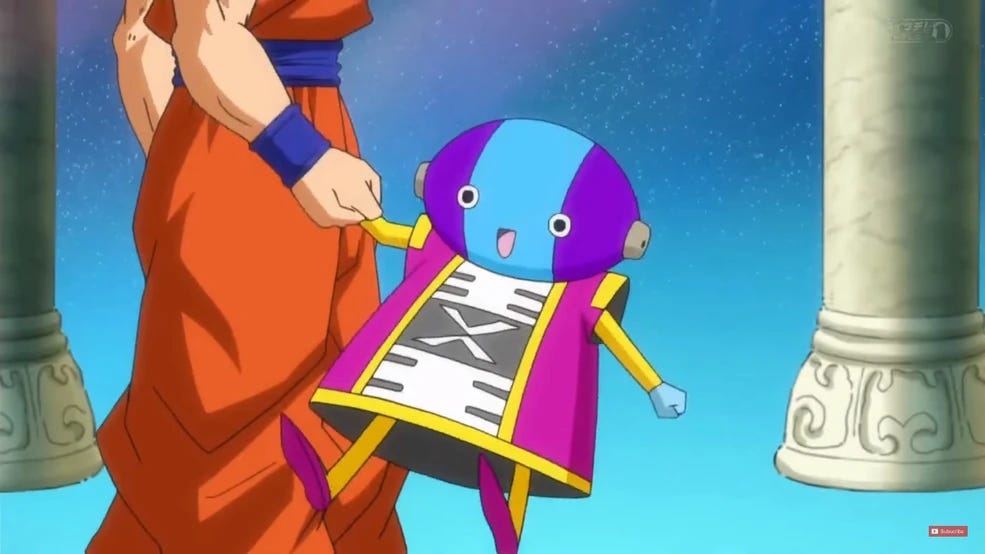
Then there’s Zeno. Perhaps Toriyama’s boldest creation.
Most supreme gods throughout mythology are imagined as ancient. Wise. Distant. Almost impossible to comprehend. Zeno is none of those things.
He’s curious. Playful. Excitable. He gets bored. He wants friends. He laughs at tournaments.
Then… Without anger. Without effort. Without hesitation. He erases universes. That combination is deeply unsettling.
Not because Zeno is evil. Because he isn’t. He’s absolute. Children rarely understand the full consequences of their actions. Zeno doesn’t either.
His decisions don’t come from cruelty. They come from authority so complete that consequences scarcely exist for him.
That’s an ancient mythological idea. The highest power in existence doesn’t answer to anyone beneath it. Not because it’s cruel. Because nothing exists above it.
THE GRAND PRIEST: HEAVEN’S STEWARD
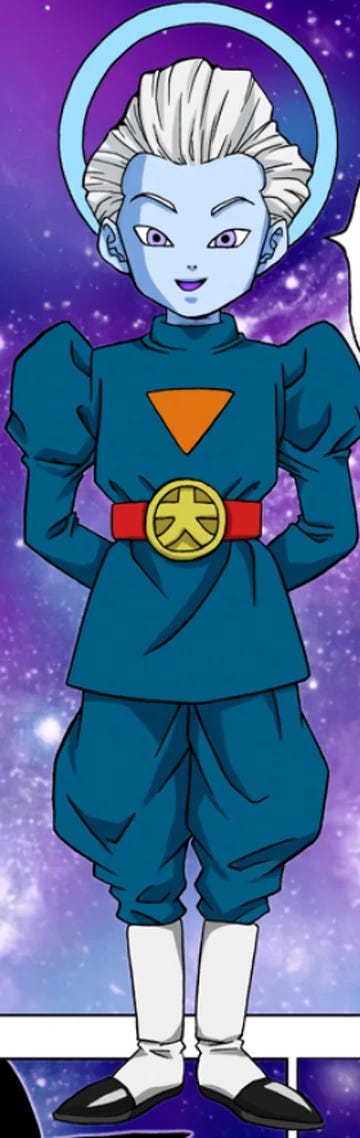
One of Dragon Ball Super’s quietest characters may also be one of its most important.
The Grand Priest rarely raises his voice. Rarely shows emotion. Rarely displays his true strength. Instead… He organizes. Coordinates. Maintains order.
He serves as the bridge between the Omni-King and everyone beneath him. Many religious traditions imagine heaven operating through intermediaries. Messengers. Advisors. Chief attendants.
The Grand Priest fulfills that same role beautifully. He’s less a warrior than the administrator of creation itself.
WHY NONE OF THEM FEEL LIKE VILLAINS
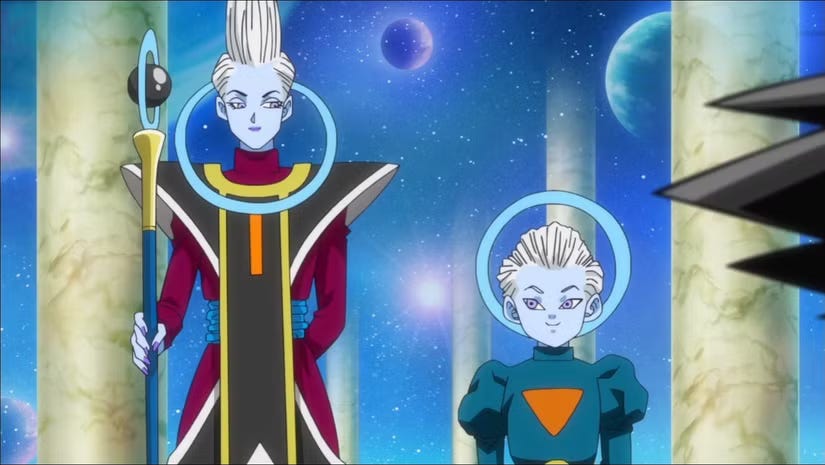
This might be Dragon Ball Super’s smartest decision. Beerus destroys worlds. Zeno erases universes. Yet neither truly feels evil. Why?
Because Dragon Ball treats them like forces of nature. Winter isn’t evil. Gravity isn’t evil. Time isn’t evil. Death isn’t evil. They’re simply parts of existence.
Beerus isn’t meant to be feared because he’s malicious. He’s meant to be respected because endings are inevitable. The same is true for Zeno.
He doesn’t destroy because he enjoys suffering. He destroys because, in Dragon Ball’s cosmic order, that’s simply within his authority.
Super shifts the conversation away from good versus evil. Instead, it asks us to consider responsibility. What happens when power isn’t used for conquest… but for maintaining the universe itself?
WHY WE KEEP TELLING THIS STORY
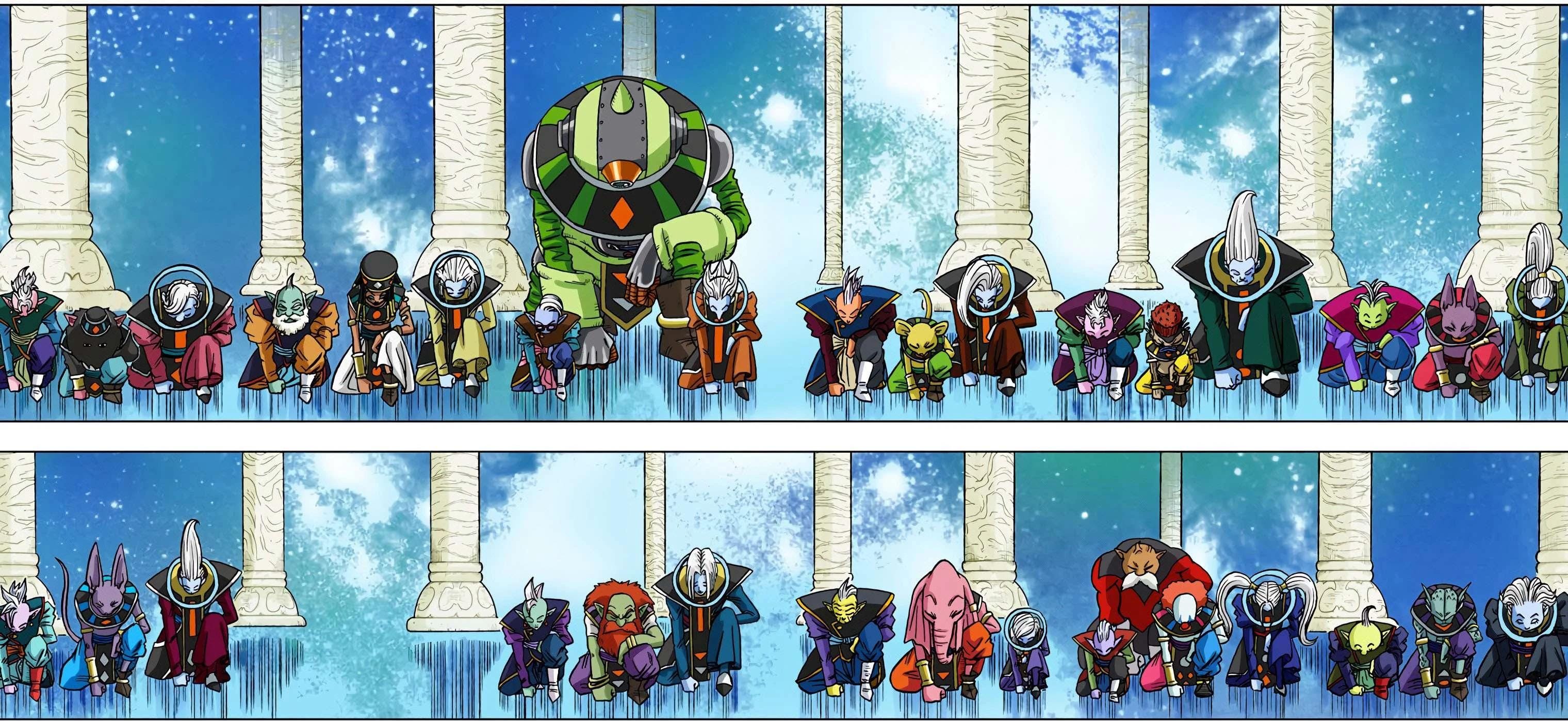
Every civilization eventually asks the same questions. Who created everything? Who decides when things end Who teaches? Who judges? Who watches over those already in power?
Dragon Ball Super doesn’t pretend to answer those questions. Instead… It gives them personalities. A sleepy God of Destruction. An angel who smiles through every lesson. A child sitting atop existence itself.
By making the divine feel approachable, Toriyama does something remarkably human. He reminds us that even the greatest mysteries become easier to understand once they have a face.
THE CTRL+BINGE CONNECTION
One of Akira Toriyama’s greatest strengths was never making the universe feel smaller. It was making it feel friendlier.
Beerus loves gourmet food. Whis gets excited over dessert. The Omni-King wants someone to play with.
Despite possessing unimaginable power… They’re still characters. Dragon Ball has always done this.
King Kai told bad jokes. Kami worried about Earth. Supreme Kai doubted himself. The gods weren’t distant. They were people with responsibilities.
Super simply expanded that family all the way to the top of existence. And somehow… It still feels unmistakably like Dragon Ball.
FINAL PUSH
Dragon Ball began with a little boy searching for seven magical Dragon Balls.
Years later… That same boy would share meals with Gods of Destruction. Train beneath an angel. And become friends with the ruler of all existence.
On paper… That sounds impossible. Yet somehow, it never feels disconnected from the adventure that began in the mountains.
Because Dragon Ball has never truly been about reaching the top. It’s been about discovering that there’s always another world beyond the next horizon.
THE QUESTION THAT LINGERS
If Goku can become friends with kings…
demons…
aliens…
gods…
and angels…
Was Dragon Ball ever really about becoming stronger… Or was it always about learning how much bigger the universe truly is?