Five pilots. Five robotic lions. One enormous combining robot. A blazing sword appears. The monster realizes it has made several poor decisions.If you grew up in America, you probably know where this is going.
Voltron.
- Keith.
- Lance.
- Pidge.
- Hunk.
- Sven.
- Princess Allura.
“Form feet and legs.” Blazing Sword. An entire generation knew the formula.
But buried underneath that childhood classic is something considerably stranger.
Because Voltron: Defender of the Universe wasn’t originally created as Voltron.
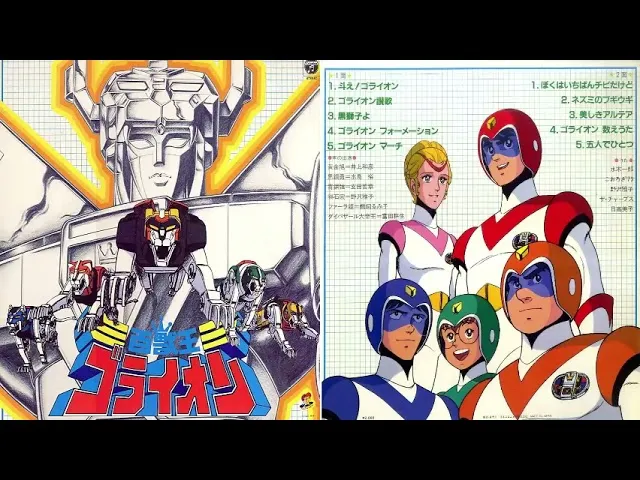
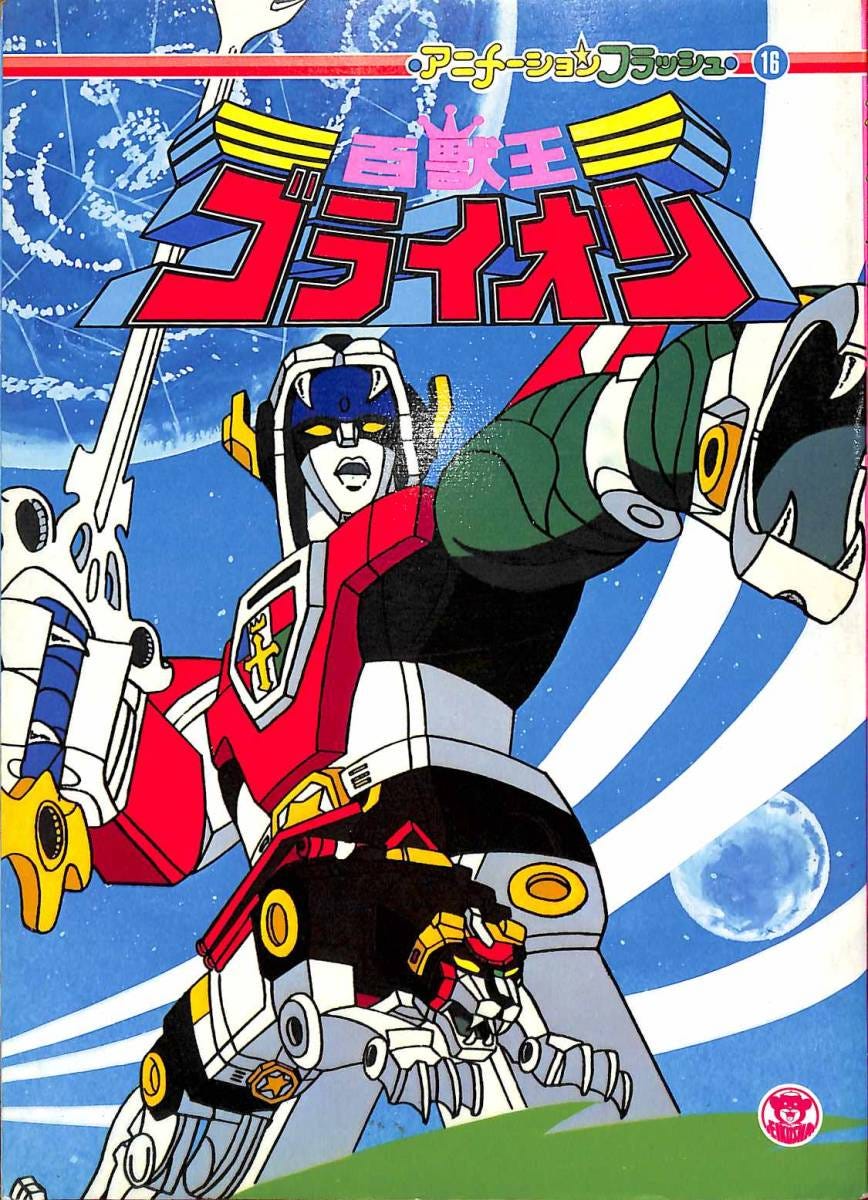
Underneath Lion Force Voltron is a 1981 Japanese anime called Beast King GoLion.
The Lions are there. The robot is there. Many of the battles are there.
But the story?
Not quite.
GoLion is darker. Harsher. More willing to let people die. More interested in the ugliness of war.
And when it was brought to American television, it wasn’t simply translated. It was taken apart. Rewritten. Rearranged.
Softened.
Recontextualized.
And rebuilt into something else.
Which leaves us with a fascinating question:
When does localization stop translating a story and start creating a new one?
Because looking back now, it’s easy to wish America had simply gotten GoLion.
But it’s equally hard to imagine a world where we never got Voltron.
The Elevator Pitch
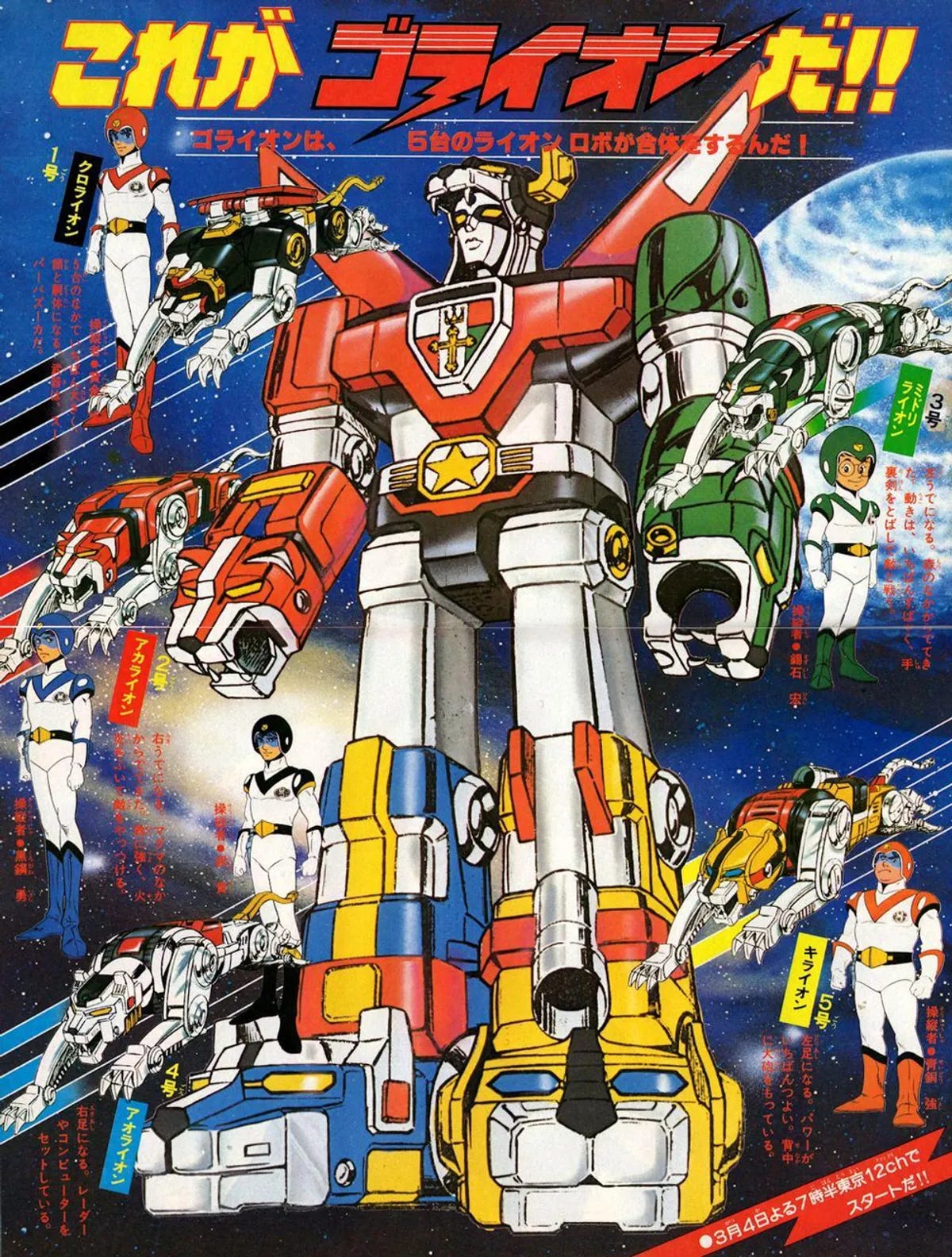
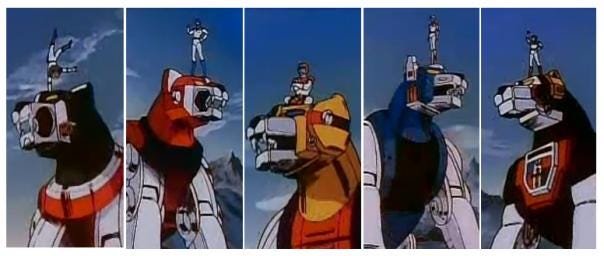
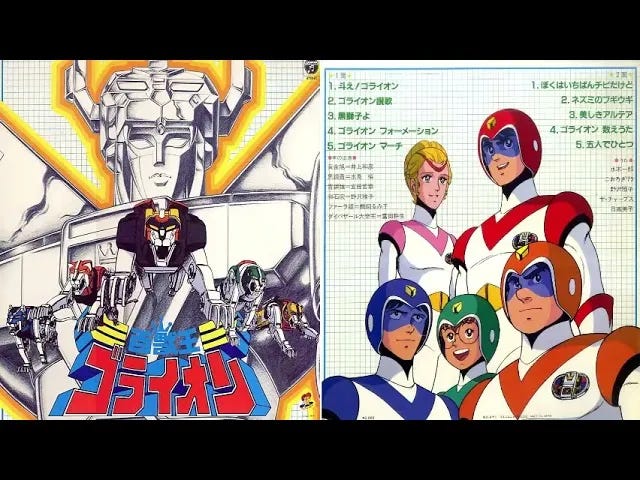
Beast King GoLion is an early-1980s Japanese super-robot anime built around five young pilots who escape captivity and eventually become the operators of five enormous robotic Lions.
- Black.
- Red.
- Green.
- Blue.
- Yellow.
Separately, the Lions are powerful machines.
Together?
They form GoLion.
And if that sounds extremely familiar, congratulations.
You’ve found Voltron’s skeleton.
The Japanese series follows the pilots through a brutal science-fiction conflict involving the Galra Empire, devastated worlds, slavery, war and a resistance centered around Planet Altea.
But this is not simply Voltron with Japanese names.
The tone is considerably darker.
Characters die. Consequences stick. Earth itself has been devastated. War feels less like a colorful weekly obstacle and more like the thing that has already broken the world.
So if your only relationship with this story is Voltron, watching GoLion creates a strange feeling.
You recognize almost everything you’re looking at.And yet…
it doesn’t quite mean the same thing.
The Familiar Version
For American audiences, the familiar version is simple.
Five pilots control five Lions.
The Lions combine.
Voltron appears.
Voltron beats the giant monster.
Children lose their minds.
Toys are sold.
Everyone goes home happy.
And to be clear? That formula works.
There’s a reason Voltron became iconic.
The five-Lion setup is immediately understandable.
Every machine has its own identity. Every pilot has a role. Every kid can pick a favorite Lion. And when the team reaches the point where the individual machines aren’t enough?
Combine.
It’s playground storytelling in its purest form.
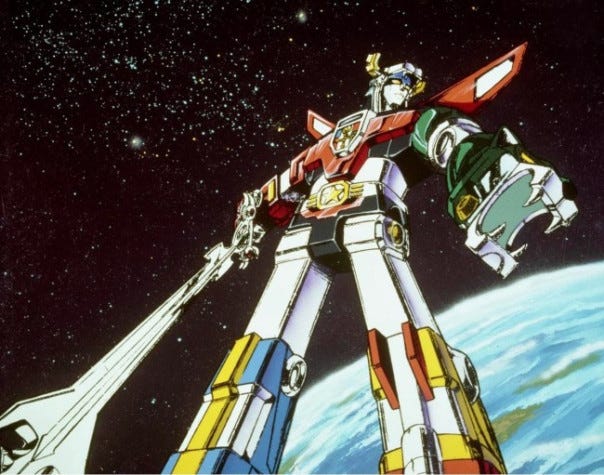
You don’t need an engineering degree. You watch Black Lion become the center. Red and Green become the arms. Blue and Yellow become the legs.
Suddenly there’s a giant robot holding a sword. Your brain handles the rest.
But that’s only the version most Western viewers remember.
Because Voltron wasn’t created through what we would now consider a normal anime localization process.
It wasn’t:
Japanese episode. English script. English voices. Done.
The creators of the American version treated the footage more like raw material. And that changes the conversation completely.
This isn’t really a story about whether GoLion is better than Voltron. And it’s not simply a story about censorship. It’s about a period when localization could mean something far more aggressive:
Take the pieces that work, rebuild the story around them, and create something for a completely different audience.
That’s what happened to GoLion.
And about a decade later, another franchise would make that formula feel very familiar.
We’ll get there.
Five Pilots, Five Lions, One Team
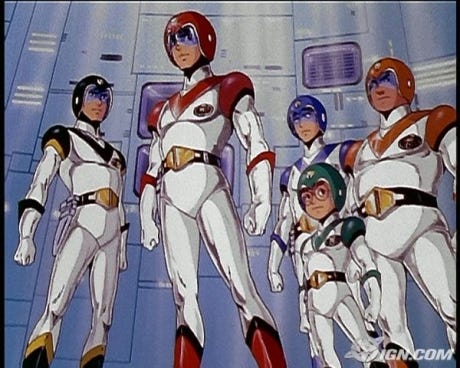
Before we talk about what America changed, it’s worth talking about why the original machinery worked so well in the first place.
Five-person hero teams are almost unfairly effective.
Different personalities. Different machines. Different roles.
Different opportunities for a kid watching at home to decide:
That’s mine.
The pilots aren’t interesting because any one of them can carry the entire premise alone.
They’re interesting because the concept only reaches its full potential when they’re together.
And the Lions make that visible.
One pilot controls one machine.
Each Lion can fight independently. Each has value. Each has a distinct place in the team’s structure. But none of them alone is GoLion.
That’s such a beautifully simple metaphor for teamwork that you barely notice it’s a metaphor at all.
The giant robot only exists when everyone does their job.
That’s probably why combining-robot stories remain so satisfying.
The payoff isn’t merely that the machine gets bigger. It’s that cooperation becomes physically visible.
- Five separate pieces.
- One shared purpose.
Now hand it a giant sword.
The World America Softened
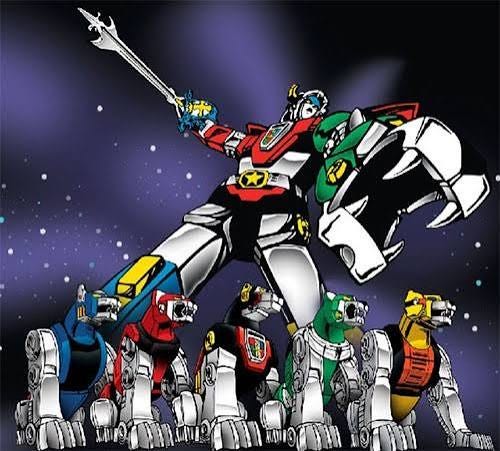
Here’s where the difference between GoLion and Voltron becomes much more than trivia.
The original Japanese world is harsh.
Earth has been devastated by nuclear war.
The pilots begin the story as captives.
The Galra Empire is cruel.
People suffer.
People die.
And the story is often willing to leave those consequences intact.
That’s a very different starting point from the colorful heroic adventure many American viewers remember.
This isn’t simply:
The Japanese version has more blood.
That’s true, but it’s shallow.
The darkness changes how the entire conflict feels.
When death is permanent, sacrifice means something different.
When war has already devastated civilizations, the weekly battle sits inside a larger tragedy.
When people can’t simply be explained as having survived offscreen, the heroes’ failures carry more weight.
And that’s important because GoLion’s violence isn’t only there to shock you.
It establishes a world where victory costs something.
Sven Died?
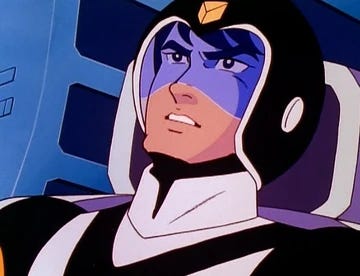
For American Voltron fans, one of the most striking examples involves Sven.
In Voltron, Sven is seriously injured and removed from active duty.
The story allows him to survive.
In GoLion, the character from whom Sven was adapted…Shirogane—dies.
That’s not a cosmetic change. That’s not changing the color of a costume or slightly rewriting a joke.
It changes the emotional architecture of the team.
One version says:
Our friend was hurt.
The other says:
Our friend is gone.
Those are different stories.
And Voltron repeatedly made choices like that.
Violence could be reduced.
Deaths could become injuries.
Victims could be rewritten.
Blood could disappear.
Dialogue could soften what the footage implied.
To a modern anime fan, that can seem almost absurd.
Why not simply let the story be the story?
But that brings us to the historical context.
Why Did They Change So Much?
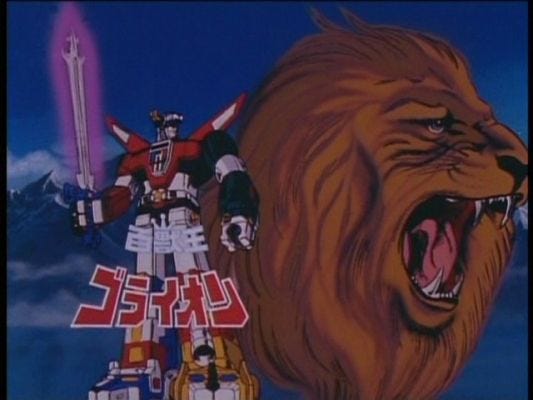
Looking backward from 2026, some of the changes can feel unnecessary.
Modern Western audiences routinely watch animation filled with death, trauma, war, moral ambiguity and subject matter far darker than what American children’s television executives would have tolerated in the early 1980s.
But 1984 wasn’t 2026.
American television had different standards. Animation was overwhelmingly treated as children’s programming.
Syndication had different expectations.
Violence standards were different.
The companies bringing Japanese material overseas weren’t working inside today’s anime marketplace, where audiences routinely expect faithful subtitled releases and carefully produced dubs.
So the adaptation philosophy wasn’t:
How do we preserve every element of this Japanese work?
It was closer to:
How do we make this footage function as an American children’s television series?
That doesn’t mean every choice was good. It doesn’t mean nothing valuable was lost. A lot was.
But understanding why something happened isn’t the same as endorsing every decision.
And judging a 1984 syndicated cartoon entirely by 2026 streaming expectations doesn’t tell us much either.
GoLion’s Action Still Works
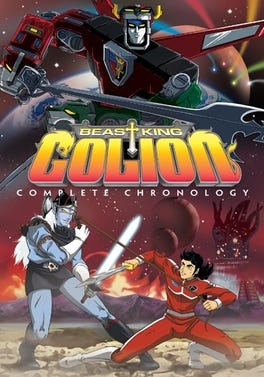
And we shouldn’t get so buried in localization history that we forget the obvious:
The robot is cool as hell.
The Lions are cool.
The transformation is cool.
GoLion’s silhouette is fantastic.
The sword is iconic.
The entire concept works because it understands escalation.
The Lions can fight individually. That gives every pilot something to do. Then the enemy raises the stakes.
The Lions aren’t enough.
And that’s when you get the thing you were waiting for.
The combination sequence.
- GoLion.
- The sword.
- The payoff.
It’s the same reason transformation sequences remain satisfying decades later.
You know it’s coming. You’re waiting for it. And when the music hits and the pieces start moving?
There it is.
The ritual is part of the fun.
The Emotional Core: What Does an Adaptation Owe the Original?
Here’s where things get complicated.
From a preservation standpoint, my instinct is simple:
Let GoLion be GoLion.
If the story is darker, preserve the darkness. If someone dies, let them die. If the original creators made a particular choice, audiences deserve an opportunity to experience that choice.
That’s how modern anime fans generally expect localization to work.
Translate. Adapt language where necessary. Preserve intent.
But what happens when the heavily altered version becomes culturally significant on its own?
That’s where Voltron refuses to fit neatly inside the “bad dub” conversation.
Because Voltron didn’t disappear. It became a franchise.
Its Western character names became iconic. Its version of the mythology continued. Its terminology stuck. Its imagery became part of American pop culture.
Future series were created from the Voltron identity rather than simply returning to GoLion.
At some point, the adaptation stopped being merely a changed version of another show.
It became something with a life of its own.
That’s messy…And interesting.
Because adaptation can lose something. It can distort something. It can even erase something. But occasionally, it can also create something that becomes meaningful to millions of people.
Both things can be true.
Same Images, Different Meaning
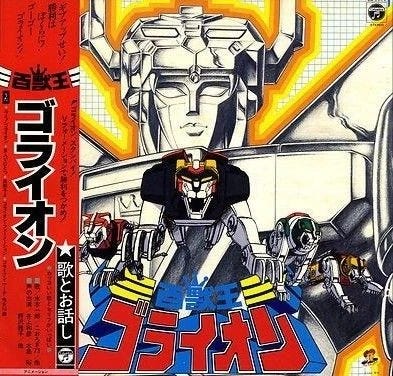
That’s one of the strangest things about watching GoLion after knowing Voltron. You recognize the images.
- The Lions.
- The castles.
- The battles.
- The monsters.
- The combining robot.
Sometimes even the rhythm of a sequence.
But change the dialogue… change the music… change the context… change whether someone lived or died… and suddenly the exact same image tells a different story.
That’s a fascinating reminder that adaptation isn’t only about what you see. Meaning comes from everything surrounding the image.
A scream can become a joke. A death can become an injury. A defeated enemy can become a robot. A grim scene can become a triumphant one.
Localization can change a story without changing the picture.
And Voltron may be one of the clearest examples American animation ever produced.
And Then America Got Even Weirder
Because the story doesn’t stop with GoLion.
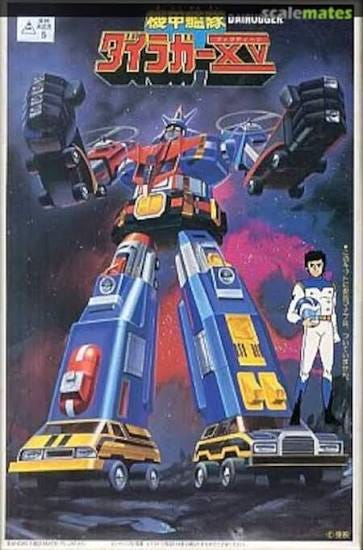
The Japanese series Armored Fleet Dairugger XV had absolutely nothing to do with Beast King GoLion.
Different series. Different world. Different story.
But American audiences would come to know it as:
Vehicle Voltron.
Suddenly two unrelated Japanese anime were being packaged beneath the same American franchise identity.
That’s wild.
Imagine doing that today.
Take two unrelated anime from the same studio. Dub them. Rewrite the continuity.
Then announce:
Good news. They’re one franchise now.
Modern fandom would melt the internet.
But that’s exactly what makes early localization history so fascinating. The goal wasn’t necessarily preserving Japanese franchise boundaries. The goal was building something that functioned for the Western market.
And in this case?
It worked well enough that Voltron became the thing audiences remembered.
Wait… Haven’t We Seen This Before?
If this entire process is starting to sound familiar, there’s a reason.
Fast-forward about a decade.
American television gets another enormous Japanese-derived franchise.
This one takes colorful heroes.
Monsters.
Transformation footage.
Giant robots.
Japanese action sequences.
And rebuilds everything around a new Western story.
Sound familiar?
Power Rangers.
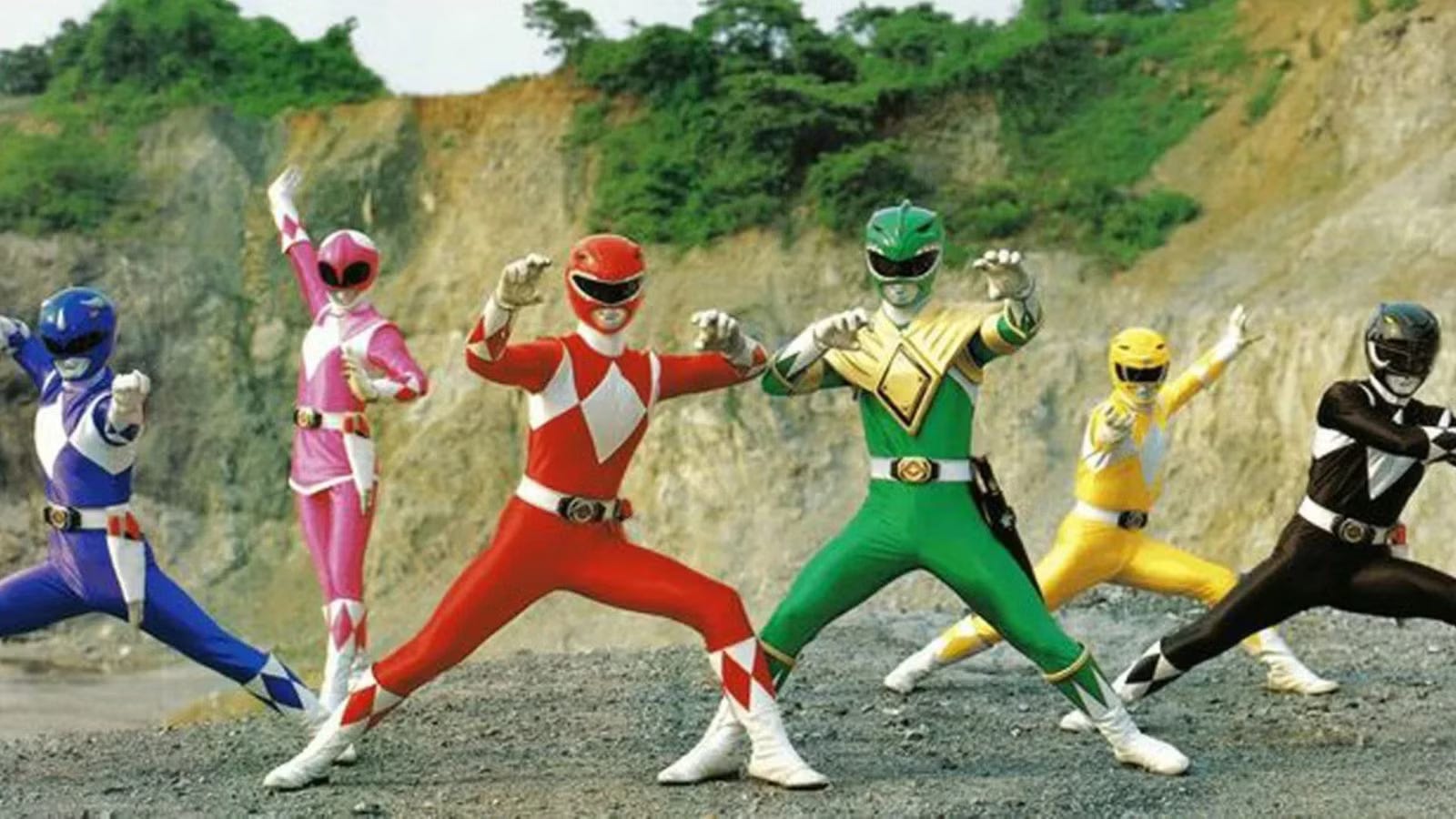
Mighty Morphin Power Rangers used action footage, monster footage, suits and mecha from the Japanese Super Sentai series Kyōryū Sentai Zyuranger.
But Jason wasn’t a character from Zyuranger. Neither were Zack, Billy, Trini or Kimberly.
Angel Grove wasn’t the setting. Zordon wasn’t simply a renamed Japanese mentor.
The American production filmed an entirely new story around Japanese action footage.
Same broad machinery. Different cultural object.
And suddenly the philosophy behind Voltron starts looking less like a weird one-off and more like an early example of a model Western children’s television would later embrace completely.
GoLion to Voltron. Sentai to Power Rangers.
The comparison isn’t perfect.
The production methods are different. Voltron relied much more heavily on re-editing and rewriting existing animation.
Power Rangers famously combined newly filmed American footage with Japanese action sequences.
But philosophically?
They’re cousins.
The question isn’t:
How do we translate this Japanese story?
It’s:
What parts of this Japanese production can we use to build a story for our audience?
That’s a fundamentally different philosophy of localization.
And it’s why Mighty Morphin Power Rangers isn’t simply the English version of Zyuranger.
Just like Voltron isn’t simply the English version of GoLion.
They’re related. Deeply related.
You can see the bones.
- The suits.
- The robots.
- The monsters.
- The footage.
But something new has been constructed around them.
Maybe the best term isn’t even localization.
Maybe it’s reconstruction.
Let’s Be Fair. Reconstruction Loses Things
There’s a reason anime localization largely moved away from this model.
Fans wanted the originals. Distribution improved. Home video expanded what could be released. Subtitles became easier to access.
Anime became recognized as something more than raw material for Western children’s programming. And that’s a good thing.
Because reconstruction can erase context.
It can flatten characterization. It can alter tone. It can remove culturally specific material. It can change consequences.
And sometimes the supposedly “safer” version ends up becoming less emotionally coherent because the footage was originally created to support a different story.
That’s worth criticizing.
GoLion deserves to be understood on its own terms. It shouldn’t exist only as trivia attached to Voltron.
But the reverse is also true now.
After forty-plus years of Western cultural history, Voltron isn’t merely trivia attached to GoLion either.
They’re connected. But they’re no longer interchangeable.
Who Is GoLion For?
Give Beast King GoLion a try if you love:
- Retro anime
- Super robots
- Combining mecha
- Voltron
- Five-person hero teams
- Darker science-fiction
- Anime history
- Localization history
- Seeing the source material behind Western childhood franchises
- Stories where war has real consequences
You may struggle with it if you need:
- Modern animation
- Contemporary pacing
- Subtle villains
- Shorter storytelling
- Modern approaches to characterization
- The exact tone or mythology of the Voltron you remember
And that’s important.
Don’t go into GoLion expecting an extended cut of Voltron.
Go into it wanting to meet the story that existed before Voltron did.
Why It Matters: Before Power Rangers, There Was Voltron
GoLion matters beyond its own story because it gives us a window into a very different period of Western engagement with Japanese media.
Today, anime localization generally asks:
How do we bring this Japanese series to another audience?
Back then, the question could be:
What can we make from this Japanese series?
Those are completely different philosophies.
Voltron sits right at that crossroads.
The original was altered so extensively that the Western adaptation developed a separate identity.
Then Power Rangers took a related idea and turned it into one of the defining children’s franchises of the 1990s.
GoLion became Voltron. Super Sentai footage became Power Rangers.
Japanese visual language entered Western pop culture through characters and worlds that didn’t exist in Japan in the same way.
That’s weird. Messy. Sometimes frustrating. And undeniably important.
Because those adaptations also became gateways.
A generation of American children learned to love combining robots. Color-coded teams. Transformation sequences. Japanese monster design. Martial-arts action. Serialized heroic mythology.
Maybe they didn’t know where those ideas came from yet.
But the door had opened.
Two Stories Can Matter
Nostalgia arguments often demand a winner.
The original is authentic, therefore everything changed afterward is inferior.
Or:
The adaptation is what I grew up with, therefore don’t touch it.
I don’t think we need either extreme.
GoLion deserves to be GoLion.
Its darker tone matters. Its consequences matter. Its characters deserve to be understood as they were originally written. Its creators deserve to have their work seen as something more than the raw material that produced an American franchise.
And Voltron deserves recognition as something culturally meaningful in its own right.
- Keith.
- Lance.
- Pidge.
- Hunk.
- Allura.
“Form Voltron.”
Blazing Sword.
Those things became real to people too.
An adaptation doesn’t retroactively become faithful just because audiences loved it.
But being unfaithful doesn’t automatically mean it became culturally worthless.
Sometimes history is inconvenient like that.
Ctrl+Binge Final Take
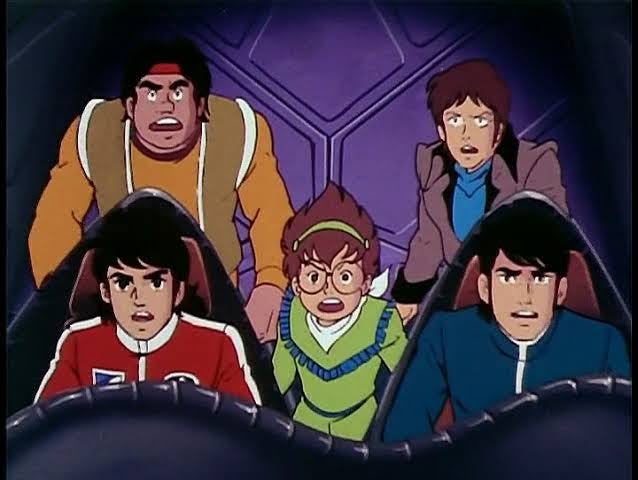
Somewhere underneath Voltron is Beast King GoLion.
The same Lions. The same combining robot. Many of the same battles. Many of the same images.
But not quite the same story.
Looking back now, it’s easy to wish Western audiences had been trusted with more of the original.
More of the darkness. More of the consequences. More of GoLion.
They probably should have been. But history did something stranger.
It took one story, broke it apart, rebuilt it for another audience, and accidentally created another story people loved for decades.
A decade later, Power Rangers would turn a similar philosophy into a cultural phenomenon.
You can still see the Japanese bones underneath both.
But the things built around those bones became real too.
GoLion deserved to be GoLion.
And somehow, Voltron deserved to become Voltron too.
Join the Conversation
So, here’s the question:
When does localization stop being an adaptation and become a completely new story?
And if you grew up with Voltron:
Would you rather America had gotten a faithful version of GoLion—or are you glad the Voltron we know existed at all?