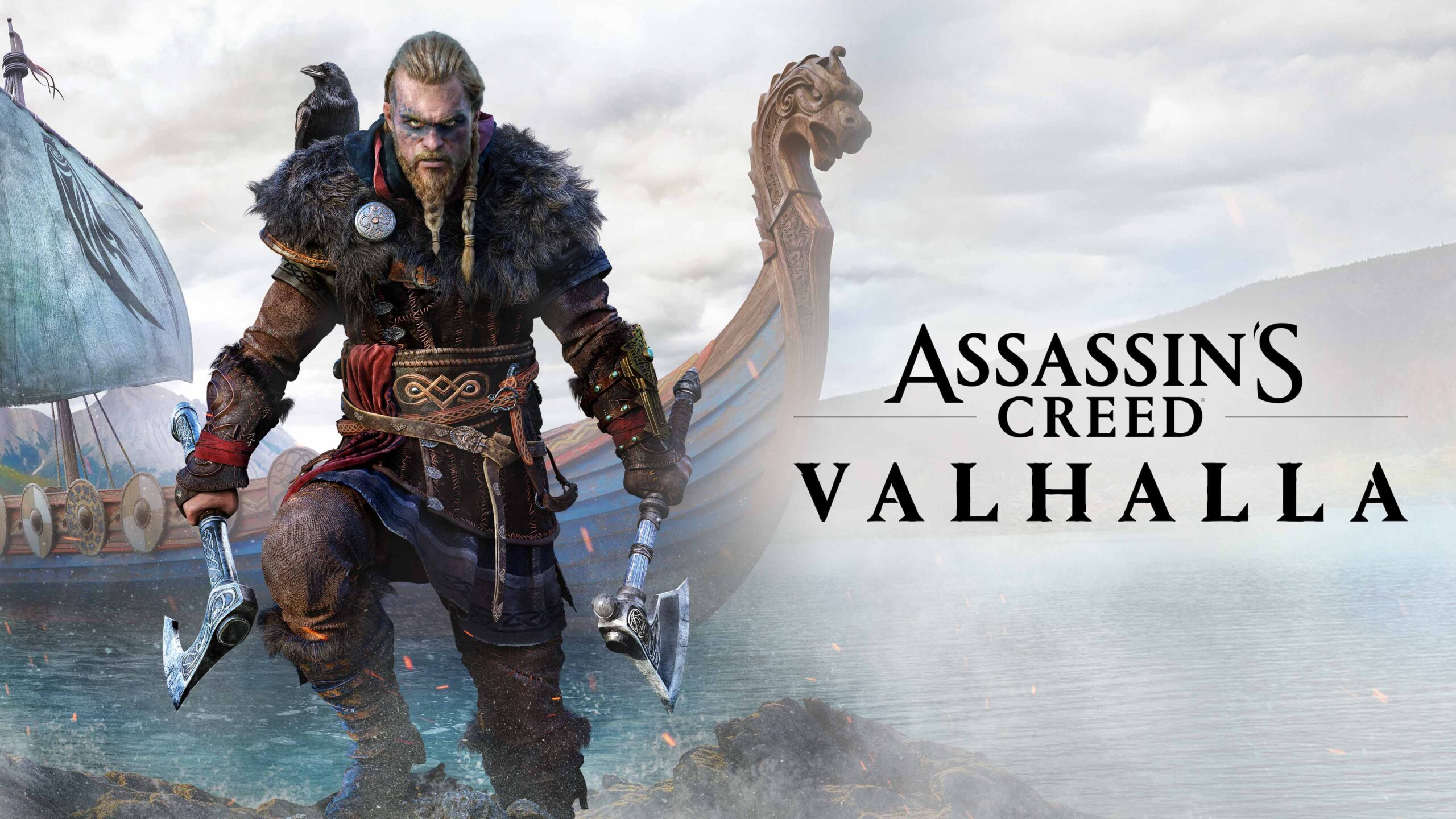
To end our unofficial Viking week, we’re playing Assassin’s Creed Valhalla.
Wednesday, Ragnar Lothbrok belonged to the wondrous.
Thursday, we put down the saga, picked up the chronicle, and asked which pieces of his legend history could actually hold.
Now we get to step into the space between them.
The Familiar Version
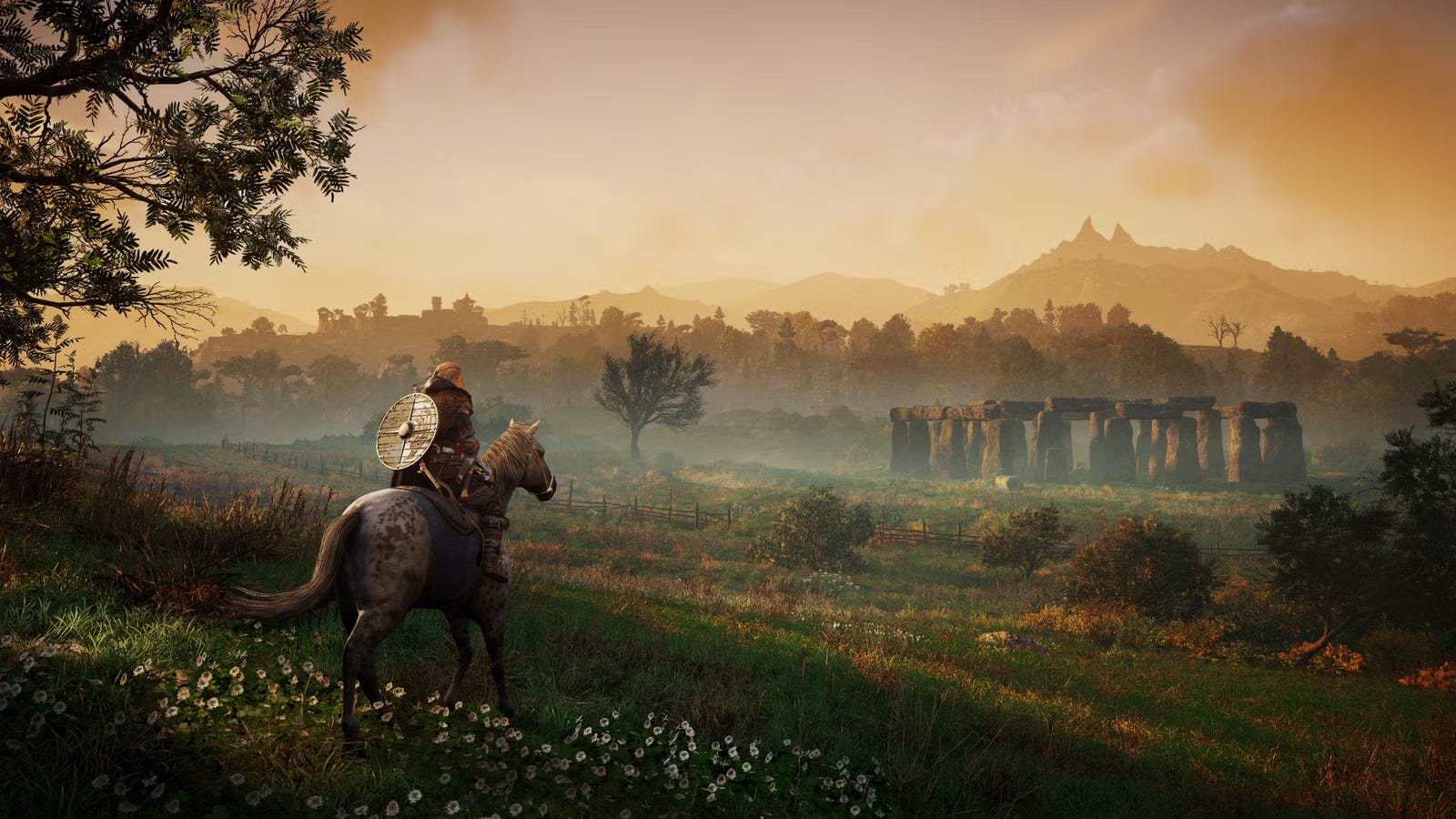
Assassin’s Creed Valhalla is the Viking Assassin’s Creed. That is the easy version: longships cutting through gray water, axes crashing into shields, monasteries waiting along the riverbank to be pillaged, snowy Norway behind us, and the kingdoms of England spread across the horizon.
Its reputation split almost as quickly as its players reached shore. For some, Valhalla delivers one of gaming’s richest Viking fantasies. You raid with a crew, build a settlement, make alliances, challenge warriors, trade insults through flyting, and turn a displaced Raven Clan into a power that English kings must recognize.
For others, it became the game that proved Assassin’s Creed had grown too large. The map is enormous. The campaign is long. Eivor spends more time forging regional alliances than stalking targets from the shadows. The familiar criticism followed: this is a very good Viking game, but is it still an Assassin’s Creed game?
That argument is fair. But it is also incomplete.
Valhalla’s best idea is not the axe, the raid, or even the longship.
It turns the uncertain ground between Viking history and Viking legend into a world the player can inhabit.
The history gives Eivor a road.
The mythology fills the fog around it.
A Saga Built Around a Settlement
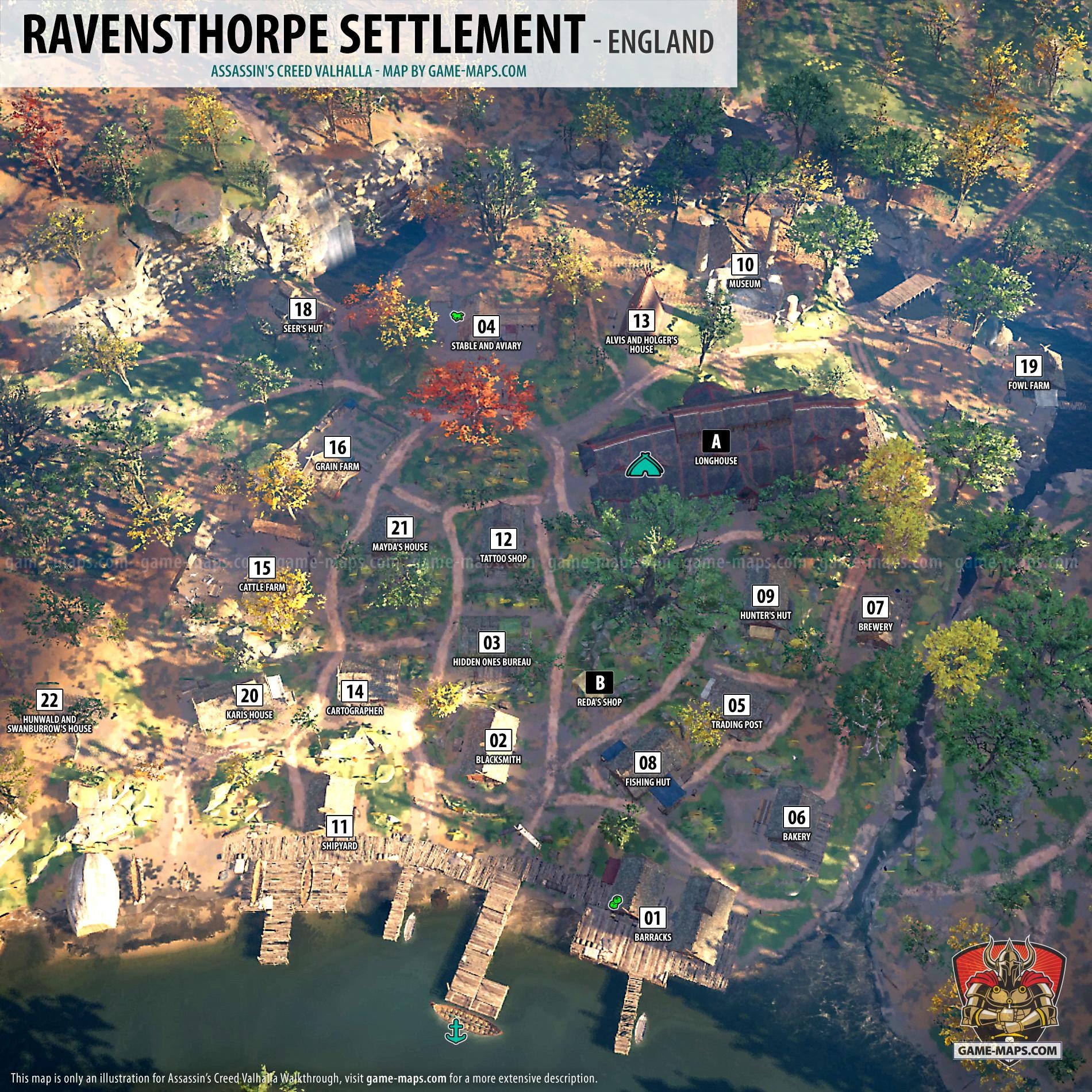
Eivor begins in Norway, but Valhalla truly finds its purpose after the Raven Clan crosses the North Sea and establishes Ravensthorpe. From there, the game’s structure becomes clear. Randvi, your longtime friend, marks territories on the alliance map. Eivor travels across England, enters someone else’s political crisis, earns an ally, and returns home with the clan a little safer than before.
The raids serve that same purpose. Approaching a monastery by longship, blowing the horn, and charging ashore certainly delivers the fantasy Ubisoft advertised. But the supplies and raw materials taken during those raids are carried back to Ravensthorpe. They become a blacksmith, barracks, trading post, Hidden Ones bureau, seer’s hut, and homes for people whose names gradually become familiar.
That loop gives the spectacle an emotional center. Eivor is not conquering England simply to color another section of the map. The clan needs a future. Every alliance and new building makes that future feel more secure.
For a game named after Odin’s hall for the battle-slain, its heart is a place where people are trying to live.
Ragnar Is Dead—and Everywhere
That brings us directly back to Ragnar Lothbrok.
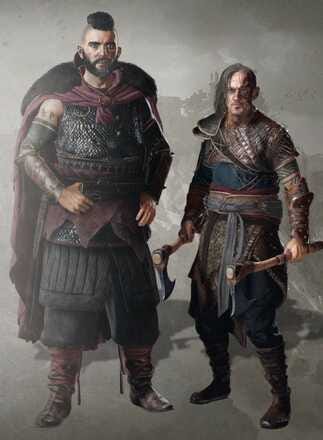
Valhalla does not retell Ragnar’s life. It enters England after his legend has already begun doing its work. Ivarr, Ubba, and Halfdan appear as warriors, rulers, rivals, and allies. Ragnar’s surviving drengir speak about the leader they followed. His victories and death hang over a generation that must decide what inheriting his name actually means.
Earlier this week, we met the Ragnar assembled by the sagas: serpent slayer, doomed king, father of conquerors, and laughing warrior in the snake pit. Then we asked what the historical record could support. Leaders later connected to Ragnar’s legendary sons appear in near-contemporary sources, and armies associated with them transformed England. Their exact family tree is much harder to prove.
The game does not need to settle that argument. It benefits from it.
Ubisoft can borrow the names the chronicles preserve, the relationships the sagas provide, and the personalities modern storytellers imagine. Ivarr becomes fury. Ubba becomes measured strength. Halfdan carries the burden of rule. Each man inherits a different piece of Ragnar because no single son could contain the entire legend.
Ragnar never needs to walk onscreen.
His reputation has already conquered the room.
Where the Chronicle Ends
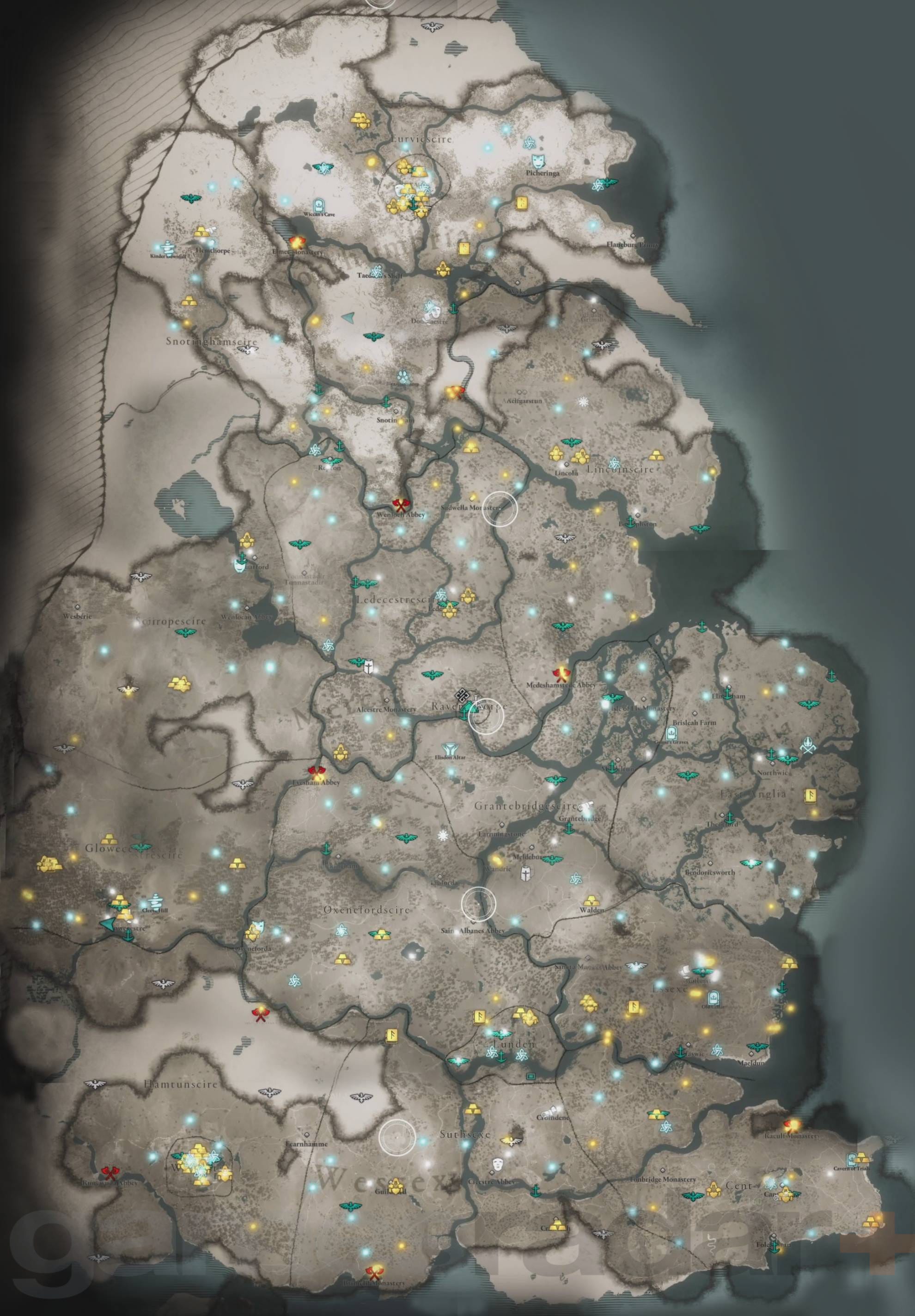
The same blend shapes the rest of England. Eivor moves through Mercia, East Anglia, Northumbria, and Wessex while encountering rulers drawn from the period, including Ceolwulf and Alfred. The game uses the political fragmentation of ninth-century England as the framework for its alliance arcs, then fills the missing conversations, private motives, betrayals, and friendships with fiction.
That is familiar territory for Assassin’s Creed. The series has always built its playgrounds inside history’s empty rooms.
Valhalla goes further by allowing mythology to occupy those rooms too.
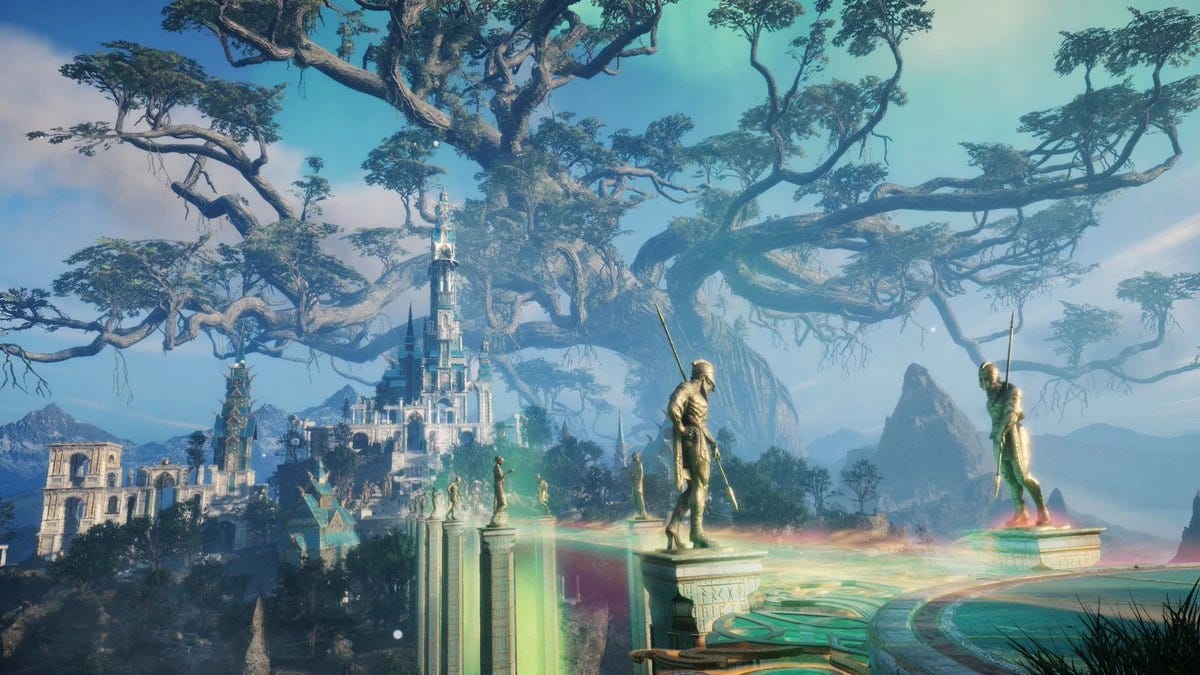
Through visions guided by the seer Valka, Eivor walks through Asgard and Jotunheim, speaks with gods, faces creatures from Norse cosmology, and experiences prophecy as something immediate. The franchise’s larger science-fiction mythology still waits underneath those visions, but Eivor understands them through the stories and beliefs available to a ninth-century Norse warrior.
That distinction matters. The game is not presenting Asgard as a chapter from the Anglo-Saxon Chronicle. It is showing how myth can become part of a person’s lived reality.
Wednesday let Ragnar remain in the firelight.
Thursday moved him toward the archive.
Valhalla keeps both doors open.
A Viking Who Carries a Hidden Blade
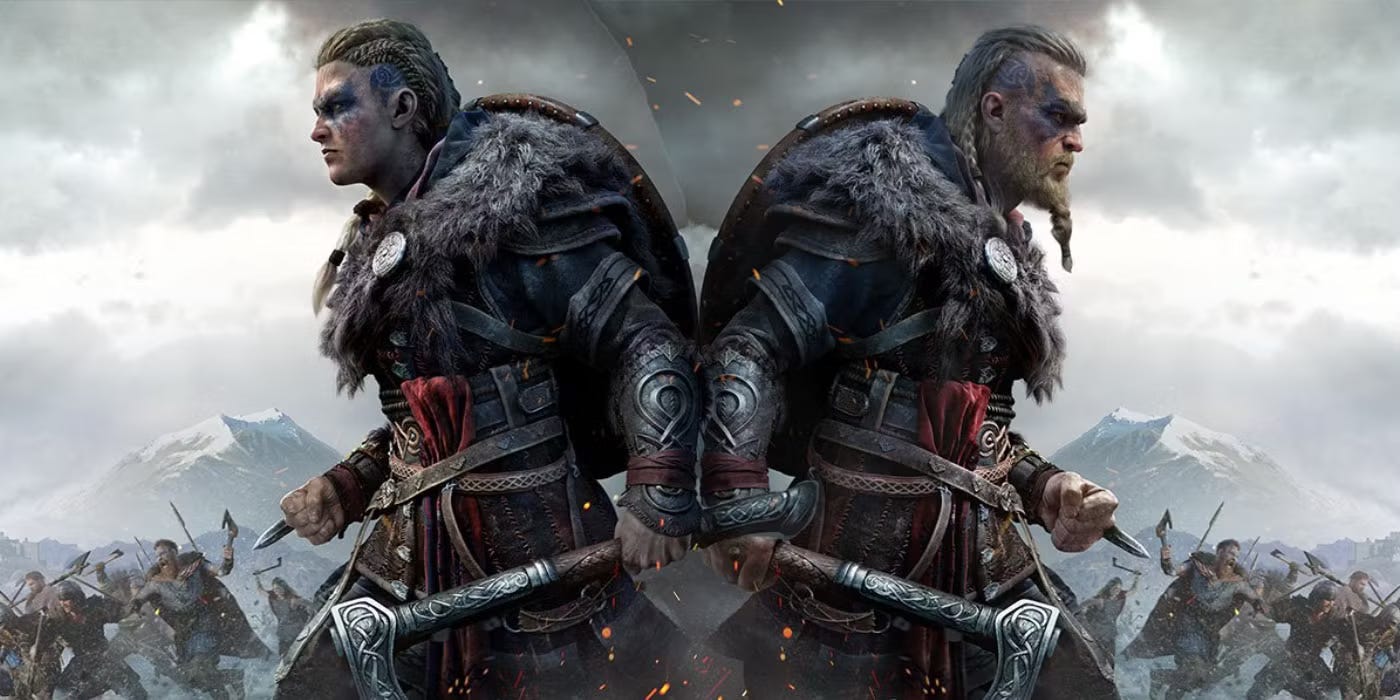
Moment to moment, Valhalla asks the player to move between two identities.
Eivor can charge into battle with axes, shields, hammers, bows, and a crew at their back. Combat is heavy and public. Enemies stagger under blows. Gates break. Oil jars explode. A monastery raid is designed to announce that the Raven Clan has arrived.
Then Basim and Hytham introduce Eivor to the Hidden Ones.
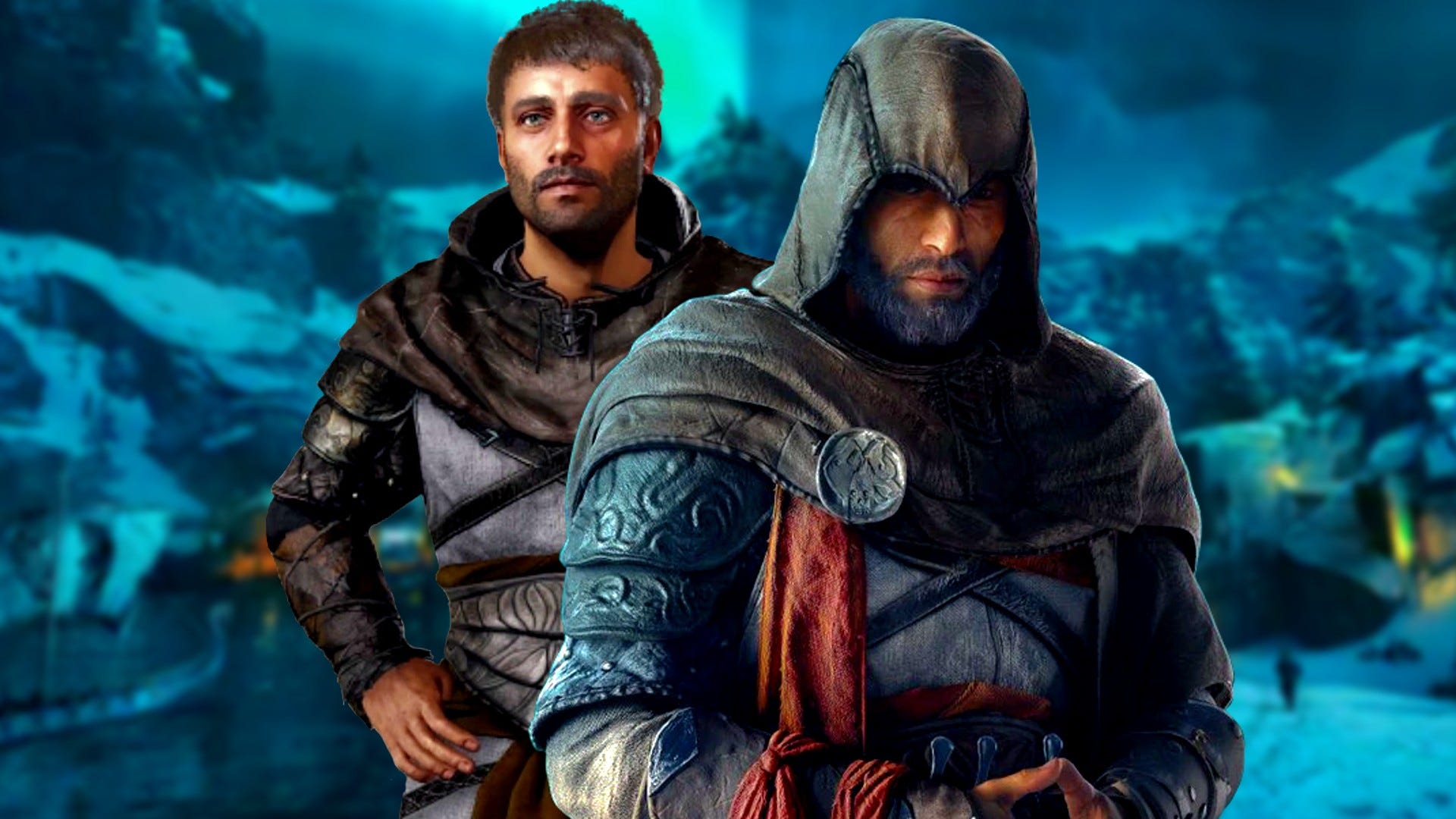
The hood comes up. Social stealth returns. Targets can be tracked through the Order of the Ancients, and the hidden blade offers a quieter answer than the war horn.
Eivor remains a Viking leader rather than a formal member of the Hidden Ones, which explains some of the game’s tension. The player is using Assassin tools without fully adopting the Assassin identity. At times, that distance makes the franchise feel buried beneath the Viking RPG. At its best, it gives us a protagonist standing close enough to the Creed to question it without being defined by it.
The game works best when both approaches remain available. Eivor can enter through the gate as a warrior, through the grass as a hunter, or through the crowd as someone who understands that the cleanest victory is the one nobody sees coming.
An England Built on Other Englands
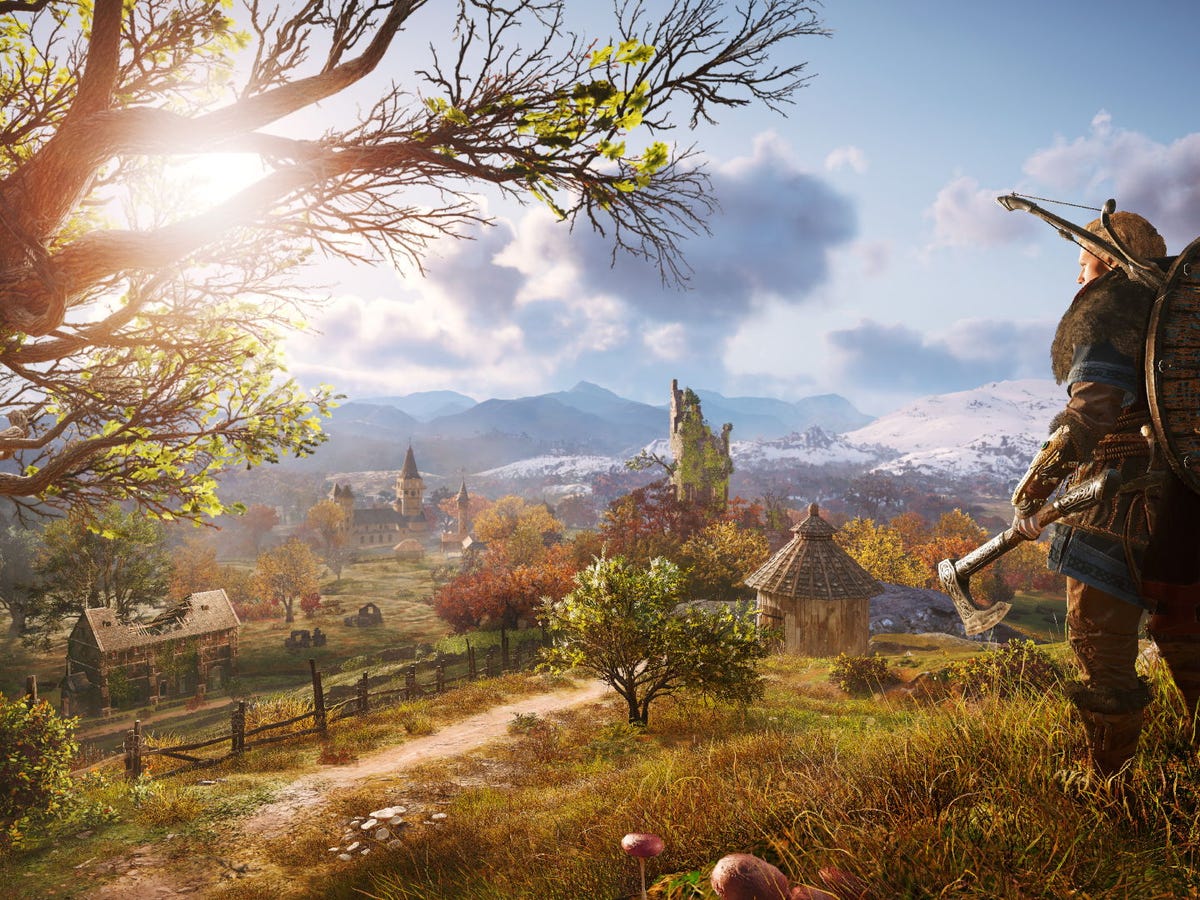
Norway is all snow, black stone, sharp mountains, and cold water.
England opens into green fields, autumn forests, marshes, ruined walls, monasteries, Roman roads, and towns trying to survive another change in power.
The landscape tells its own version of the week’s argument. Eivor arrives as an outsider in a country that already has layers. Anglo-Saxon kingdoms occupy land once governed by Rome. Christian churches stand near older sacred places. Ruins from one age become shelter, warning, or treasure for the next.
The smaller activities give that world personality. Eivor stacks cairns, plays Orlog, trades verses in flyting contests, hunts legendary animals, follows mysteries that may be comic or tragic, and listens to stories while the longship moves downstream.
Not every diversion carries equal weight, and their sheer number contributes to the game’s reputation for bloat. Together, however, they make England feel inhabited rather than arranged solely for combat.
Valhalla understands one of the oldest pleasures in the series: Sometimes history becomes real because you are allowed to walk through it at your own pace.
The Sound of an Age Remembering Itself
The music completes the illusion. Jesper Kyd, Sarah Schachner, and Einar Selvik combine atmospheric electronics, strings, percussion, chants, and reconstructed Norse textures without reducing the score to constant battle music. The result can sound ancient, dreamlike, mournful, or threatening depending on what Eivor finds beyond the next ridge.
The quieter sounds matter just as much: oars entering the water, a sail pulling against the wind, ravens overhead, the horn that begins a raid, a skald’s song on the river, and the low conversation of Ravensthorpe after dark.
Those details give the world room to breathe. They also make the game’s violence feel like one part of Viking life rather than its only available language.
Why It Matters
Assassin’s Creed Valhalla is too large for every idea to land cleanly.
Some alliance arcs feel essential; others feel like detours placed between Eivor and the ending. The scale can turn discovery into obligation, especially for players determined to clear every glowing mark from the map.
But its size comes from an ambition worth recognizing.
Valhalla wants to provide the raid remembered by popular culture, the political fragmentation preserved by history, the gods carried through mythology, and the private work of building a home. It wants the Viking Age as battlefield, storybook, religious world, and lived environment.
Most importantly, it understands that legacy is constructed.
Ragnar survives because sons, poets, chroniclers, actors, writers, and audiences keep rebuilding him. Eivor creates a different kind of legacy. Every alliance returns to Ravensthorpe. Every victory is measured by whether the people there can endure.
Glory may earn a warrior a place in song, but community gives that song someone to remember it.
That makes Valhalla a fitting end to our unofficial Viking week.
Wednesday gave us the legend.
Thursday gave us the evidence.
Friday lets us feel why the space between them remains so irresistible.
The Modern Connection
Nearly six years after its 2020 release, Valhalla occupies an important place in the franchise. It completed the RPG run that began with Origins and continued through Odyssey, then handed one of its most important characters, Basim, to the smaller and more stealth-focused Assassin’s Creed Mirage.
The transition captured the argument surrounding Valhalla itself: players loved the freedom and scale, but many also missed the tighter identity of the older games.
Ubisoft continued expanding Eivor’s world after launch. Wrath of the Druids traveled to Ireland, The Siege of Paris carried the Viking campaign into Francia, and Dawn of Ragnarök leaned completely into the mythic side of the story. The same foundation could support political history, folklore, and divine apocalypse because Valhalla had been balancing those modes from the beginning.
The most revealing addition may be Discovery Tour: Viking Age. It reuses the game’s reconstructed environments as a combat-free living museum, separating educational exploration from the saga Eivor inhabits.
That mode quietly acknowledges what this entire week has been about:
History and mythology can strengthen one another, but we should still know which one we are standing in.
The CTRL+Binge Question
Do you prefer Assassin’s Creed when it stays close to recorded history, or when it allows mythology to become part of the world—and where does Valhalla strike that balance for you?
Wednesday, Ragnar belonged to the fog.
Thursday, we asked what the chronicle could hold.
Today, we raise the sail and travel between them.
Ravensthorpe is waiting.