We made it.
We made it through spring baseball, when everything felt new again.
We made it through the NBA Finals.
We made it through the Stanley Cup Playoffs.
We made it through the dog days of summer, where two MLB teams can play some random Tuesday afternoon game in Cincinnati and somehow it still counts exactly the same as Opening Day.
But now? A new season. A new rhythm.
The NFL is back.
And for a few months, football gives America a direct line through the week.
- Friday night belongs to the towns.
- Saturday belongs to the campuses.
- Sunday belongs to the league.
- Monday night belongs to the spectacle.
Just like that, the week has a spine again.
That is the thing about the NFL.
It is not just the highest level of football. It is football turned into America’s weekly ritual.
High school football feels personal. College football feels tribal. The NFL feels like the machine.
- Bigger stadiums.
- Bigger stars.
- Bigger broadcasts.
- Bigger arguments.
- Bigger heartbreak.
Bigger fantasy football panic because someone’s backup tight end scored two touchdowns while sitting on your bench.
The NFL is polished, commercial, overanalyzed, dramatic, occasionally ridiculous, and still somehow deeply emotional.
It is appointment television.
It is background noise at family gatherings.
It is wings, chili, jerseys, group chats, gambling lines, fantasy matchups, RedZone, bad clock management, late flags, replay reviews, and millions of people convincing themselves that this is finally the year.
So today, let’s make the NFL make sense.
Not every coverage shell. Not every salary cap trick. Not every weird subsection of the rulebook.
Just the basics.
How the league works. Why the season feels so urgent. Why Sundays matter. Why the stars become larger than life. And why this sport has become one of the most powerful weekly rituals in American culture.
The Surface Version
The surface version is simple.
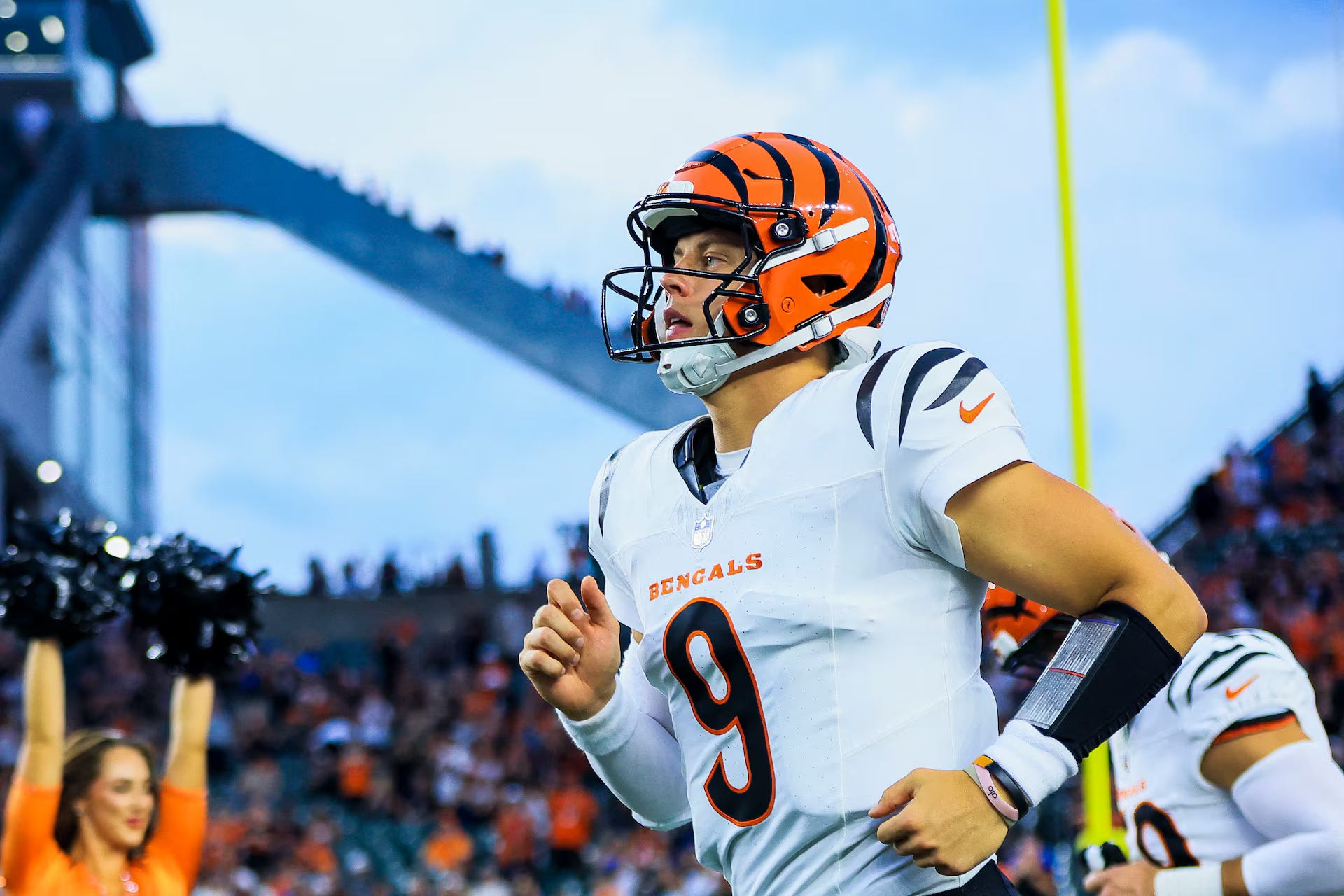
The NFL is professional football.
- Thirty-two teams.
- The best players in the world.
- Huge stadiums.
- National broadcasts.
- Playoffs.
- Super Bowl.
- Commercials that cost more than some small towns.
That description is true. It is also wildly incomplete.
Because the NFL is not just football at its highest level. It is football refined into a product that understands scarcity better than almost any other American sport.
Baseball gives you 162 regular-season games. Basketball and hockey give you 82.
The NFL gives you 17.
That changes everything.
Each team plays 17 regular-season games across an 18-week schedule, with one bye week built in. The NFL’s own schedule-making explanation describes the regular season as a 272-game schedule across 18 weeks, with each team playing 17 games.
That means every game feels heavy.
A bad Sunday does not disappear into the next day as easily as a baseball loss. A blown fourth-quarter lead can haunt an entire week. A 1–3 start can feel like existential dread. A 4–0 start can convince a fanbase it has discovered destiny.
The NFL does not give fans endless chances. It gives them one game, then makes them sit with it for a week.
That is part of the spell.
The NFL is not complicated because the basic idea is hard.
The basic idea is easy.
One team has the ball. The other team tries to stop them. Move the ball downfield. Score points. Do not give the ball away. Stop the other team from doing those things.
That is football.
The NFL becomes fascinating because of everything happening underneath that simple idea.
Every play is a tiny strategy war.
The offense is trying to create space. The defense is trying to erase it. The quarterback is reading coverage. The offensive line is trying to survive physics. Receivers are trying to separate. Defenders are trying to disguise what they are actually doing. Coaches are playing chess with 300-pound people.
And fans are yelling, “JUST RUN THE BALL,” even when the defense has eight defenders near the line of scrimmage and running the ball would be a crime against math.
That is the NFL experience.
Simple enough to follow. Deep enough to argue about forever.
How the NFL Works, Without Needing a Playbook
An NFL game is split into four quarters.
Each team has an offense, a defense, and special teams.
The offense tries to score. The defense tries to stop the offense.
Special teams handle kickoffs, punts, field goals, and extra points, which means they spend most of the game being ignored until one play changes everything and suddenly everyone remembers special teams matter.
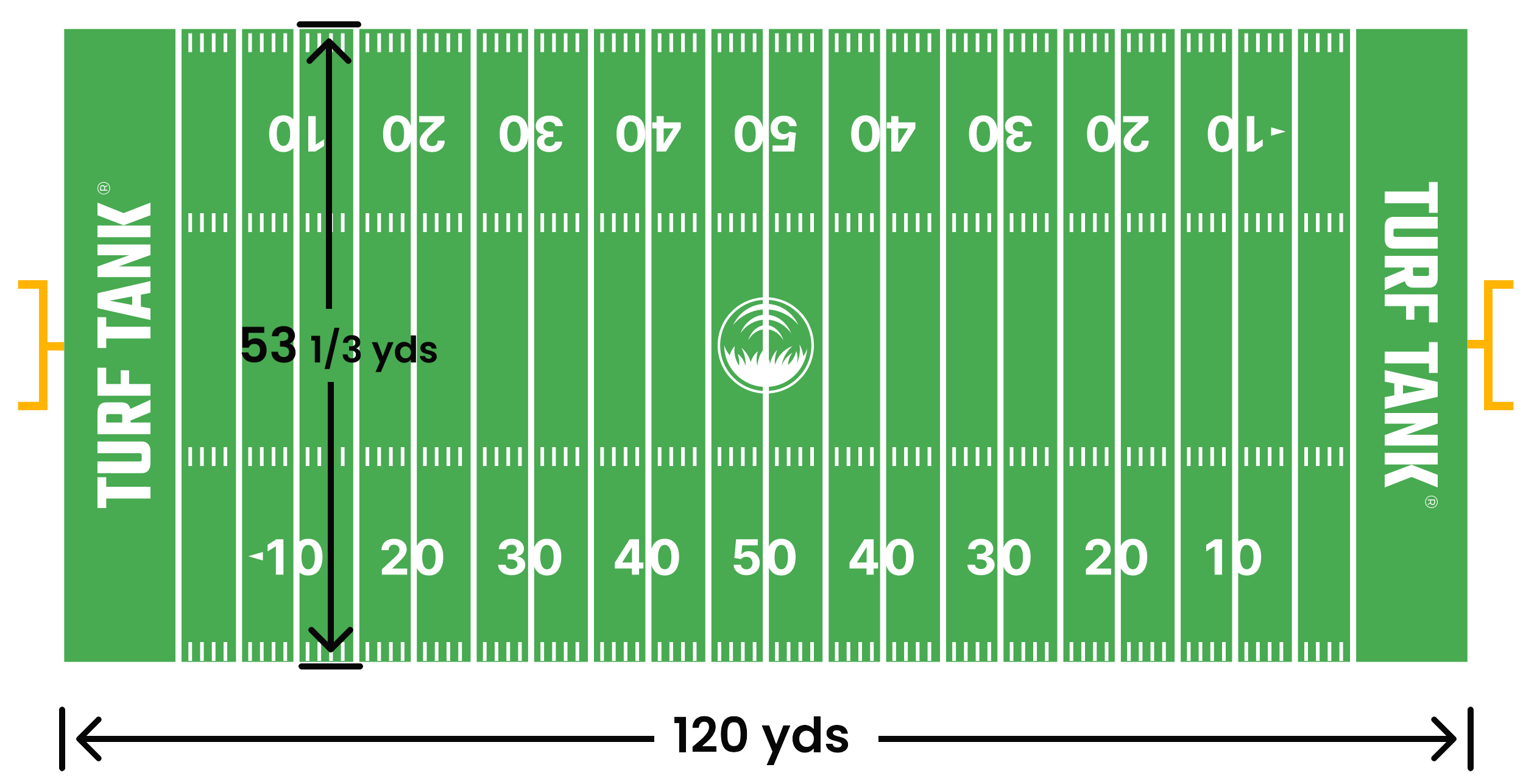
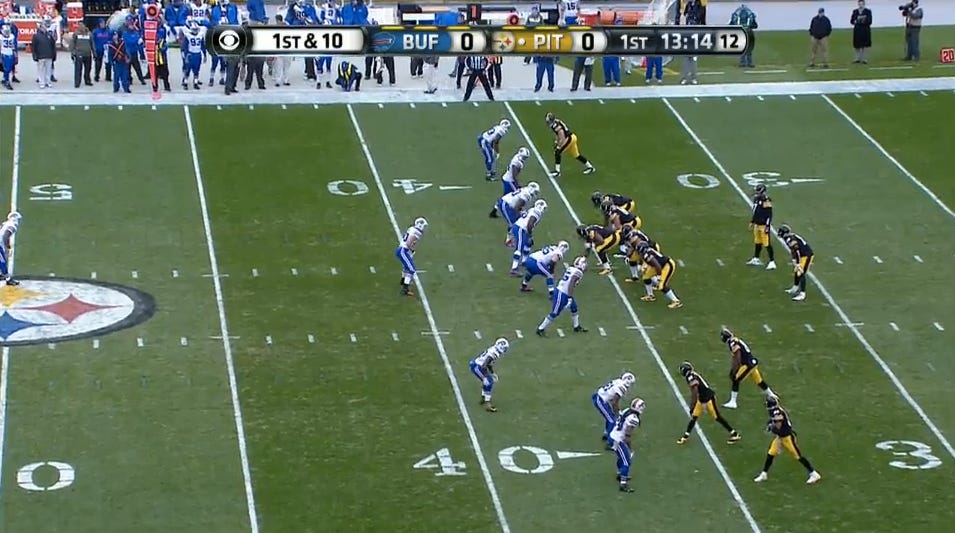
The offense gets four downs to gain ten yards.
A down is basically a chance.
- First down.
- Second down.
- Third down.
- Fourth down.
If the offense gains ten yards, it earns a new first down and keeps going. If it does not, the team has a decision.
Punt the ball away. Try a field goal. Or go for it on fourth down and risk giving the other team great field position.
That is one of the best beginner-friendly ways to understand football: The entire sport is a repeating question. Can you get ten yards before you run out of chances?
That is it.
Everything else is a more complicated version of that question.
Touchdowns are worth six points.
After a touchdown, teams usually kick an extra point to make it seven total, or attempt a two-point conversion from short range.
Field goals are worth three points.
Safeties are worth two points and usually cause everyone watching to say, “Wait, what just happened?”
Football has plenty of details, but a newcomer does not need to understand every penalty, formation, route concept, or defensive front on day one.
Start with the basics.
- Who has the ball?
- How many yards do they need?
- What down is it?
- How much time is left?
- Where are they on the field?
- What is the score?
If you can answer those questions, you can follow the game.
Conferences, Divisions, and Why Your Team Has Enemies
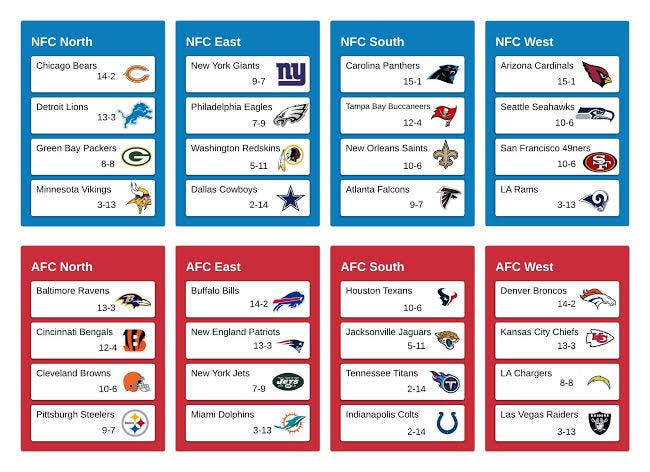
The NFL has 32 teams.
Those teams are split into two conferences:
The AFC, or American Football Conference. The NFC, or National Football Conference.
Each conference has four divisions:
- North.
- South.
- East.
- West.
Each division has four teams. This matters because division games are the NFL’s built-in grudge system.
Your division rivals are the teams you see every year. They know you. You know them. Their fans annoy you. Their stadium makes you uncomfortable. Their quarterback somehow always plays well against you even if he looks average against everyone else.
Division games matter because they help decide playoff spots and division titles, but they also matter because familiarity breeds resentment.
- Cowboys-Eagles.
- Bears-Packers.
- Ravens-Steelers.
- Chiefs-Raiders.
- Giants-Commanders.
- Saints-Falcons.
These games do not need to be beautiful. They just need to be personal.
That is the NFL version of local mythology.
College football has century-old rivalry names that sound like folklore.
The NFL has divisional hatred with salary caps.
Why 17 Games Makes Everything Feel Urgent
The NFL’s biggest advantage is scarcity.
There just are not that many games. That is why one Sunday can feel so dramatic.
In baseball, a great team can lose 60 times and still have a wonderful season. In the NFL, losing six or seven games can be the difference between hosting a playoff game and watching January from the couch.
That gives every week pressure.
Week 1 feels like a national holiday. Week 2 produces overreactions that should legally require supervision. Week 6 makes everyone check the standings. Week 10 starts turning losses into math problems. Week 14 makes tiebreakers feel like ancient prophecy. Week 18 becomes chaos.
The NFL’s schedule formula and broadcast planning are built around creating a season where every week matters. NFL Football Operations describes the schedule as a 272-game, 18-week puzzle that has to account for competitive balance, stadium conflicts, broadcast partners, travel, division games, and showcase matchups.
That is part of why the NFL feels unavoidable.
It does not just host games. It produces weeks.
Each week has a story.
- Who is hurt?
- Who is back?
- Who is in trouble?
- Who is for real?
- Who got exposed?
- Who saved their season?
- Who ruined everyone’s parlay?
The NFL has mastered the art of making one game feel like an episode.
Sunday: The National Ritual
Sunday is the NFL’s kingdom.
That is when the league feels most like a national ritual.
The early games kick off. The late games follow. Prime time waits at night.
People wear jerseys to grocery stores. Someone makes chili. Someone forgets to set their fantasy lineup. Someone’s dad says, “They need to establish the run,” whether or not that is true.
For fans, Sunday becomes a weekly checkpoint.
You know where you are going. You know who you are watching. You know who you are texting. You know which friend is going to spiral by halftime.
That matters.
Sports are not just entertainment. They are rhythm. They give people shared time.
The NFL is very good at this.
It creates a weekly appointment where millions of people, in different homes and different cities, are all yelling at roughly the same things.
- A bad call.
- A dropped pass.
- A missed field goal.
- A quarterback holding the ball too long.
- A coach calling a screen pass on third-and-forever.
This is community.
Irritating, emotional, irrational community.
But community all the same.
Monday Night: The Spectacle
Then comes Monday night.
Monday Night Football is not just another game slot. It is the epilogue to the football weekend.
Friday had the towns. Saturday had the campuses. Sunday had the league.
Monday night gets the spotlight.
(mostly) One game. (mostly) One broadcast. One last chance to pretend the work week has not fully started yet.
Monday night football feels different because it stands alone. No full slate. No bouncing between games. No checking 11 scores at once.
Just two teams, a national audience, and the feeling that everyone is watching the same stage.
It is football as theater.
The boss music continuing after you thought the fight was over.
We Couldn’t Wait: Thursdays Too?
And because apparently Sunday and Monday were not enough, the NFL eventually stretched the ritual even further.
Now we have Thursday night too.
Thursday Night Football is the league admitting what fans already knew: by midweek, we are already looking for the next hit. The Sunday games are still being argued about, fantasy managers are already panicking, injury reports are starting to matter, and suddenly here comes another game to crack the week back open.
It is not always the prettiest football.
Sometimes it feels like two teams were asked to sprint back onto the field before their bruises finished loading.
But that is part of the modern NFL machine.
The league no longer owns just Sunday. It has found ways to make football feel like it is always either happening, recovering, or about to happen again.
Fantasy Football and RedZone: The Game Inside the Game
The modern NFL is not just watched. It is managed. Fantasy football changed the way millions of people experience the league.
Suddenly, fans were not only rooting for their favorite team. They were also rooting for a running back on a team they do not like, a receiver in a game they were not otherwise watching, and a kicker they will deeply resent by Tuesday.
Fantasy football makes the whole league matter.
A random Jaguars-Titans touchdown might swing your matchup. A garbage-time catch might save your week. A backup tight end you picked up at 11:58 a.m. might become your personal hero.
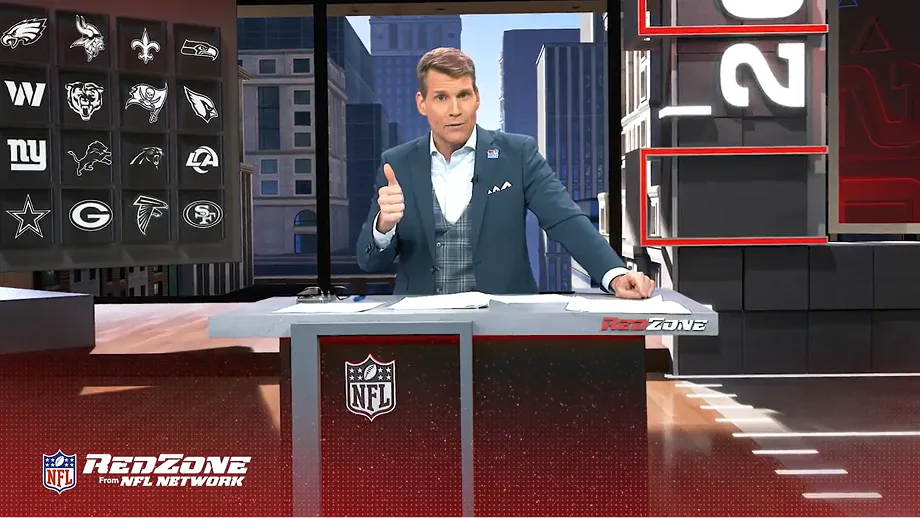
Then there is RedZone. RedZone is the NFL turned into pure chaos.
Instead of watching one game, you watch every scoring threat, every key moment, every goal-line situation, every wild swing.
It is football as caffeine.
For newcomers, this can be overwhelming. For experienced fans, it can feel like mission control.
Fantasy and RedZone helped make the NFL feel even bigger because they turned every team into part of your Sunday.
You may only have one favorite team.
But now, somehow, you have emotional investments in eight games at once. That is deeply unhealthy.
Also, very fun.
The Playoff Race and the Super Bowl
The NFL season does not end with everyone politely going home.
It becomes a tournament.
The playoffs are where the league’s weekly drama turns into survival.
The NFL expanded to a 14-team playoff format beginning with the 2020 season, with seven teams from each conference making the postseason. NFL Football Operations explains that under that format, seven teams from each conference qualify, and the No. 1 seed in each conference receives the bye.
That means the playoff path is brutal.
- Wild Card Weekend.
- Divisional Round.
- Conference Championship games.
- Super Bowl.
Win and advance. Lose and disappear.
That is why the NFL playoffs feel so different from the regular season. There is no “we will get them tomorrow.” There is no “long season.” There is no “just one bad night.”
January football is single-elimination pressure with weather, injuries, legacies, coaching decisions, and entire fanbases slowly losing oxygen.
Then comes the Super Bowl.
The final boss. The championship game. The national event.
Even people who do not watch football watch the Super Bowl.
For some people, it is about the game. For others, it is the commercials. Or the halftime show. Or the food. Or simply being in the room.
That is the NFL at full power.
A football game that becomes a cultural event.
Larger Than Life: The Stars Make the League Feel Mythic
The NFL is a team sport, but stars make the league feel mythic.
Quarterbacks become symbols. Receivers become highlight machines. Pass rushers become nightmares. Coaches become characters. And sometimes, a player’s story becomes bigger than the scouting report.
Tom Brady gets his rightful shoutout here.
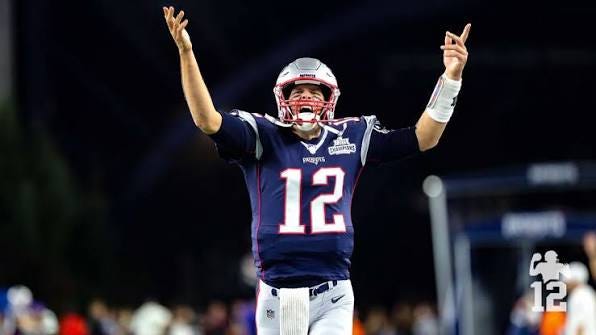
He is the modern measuring stick. The sixth-round pick who became the final boss. The guy who made “two minutes left” feel like a horror movie for the other sideline.
Brady is one of the clearest examples of how the NFL turns careers into mythology. A player drafted 199th overall becomes the most decorated quarterback in league history, wins seven Super Bowls, and changes how an entire generation talks about greatness.
But this is not a Brady article. Because the NFL always has legends in the rearview mirror, but the league sells you the next Sunday.
Right now, the league has a new generation carrying the story forward.
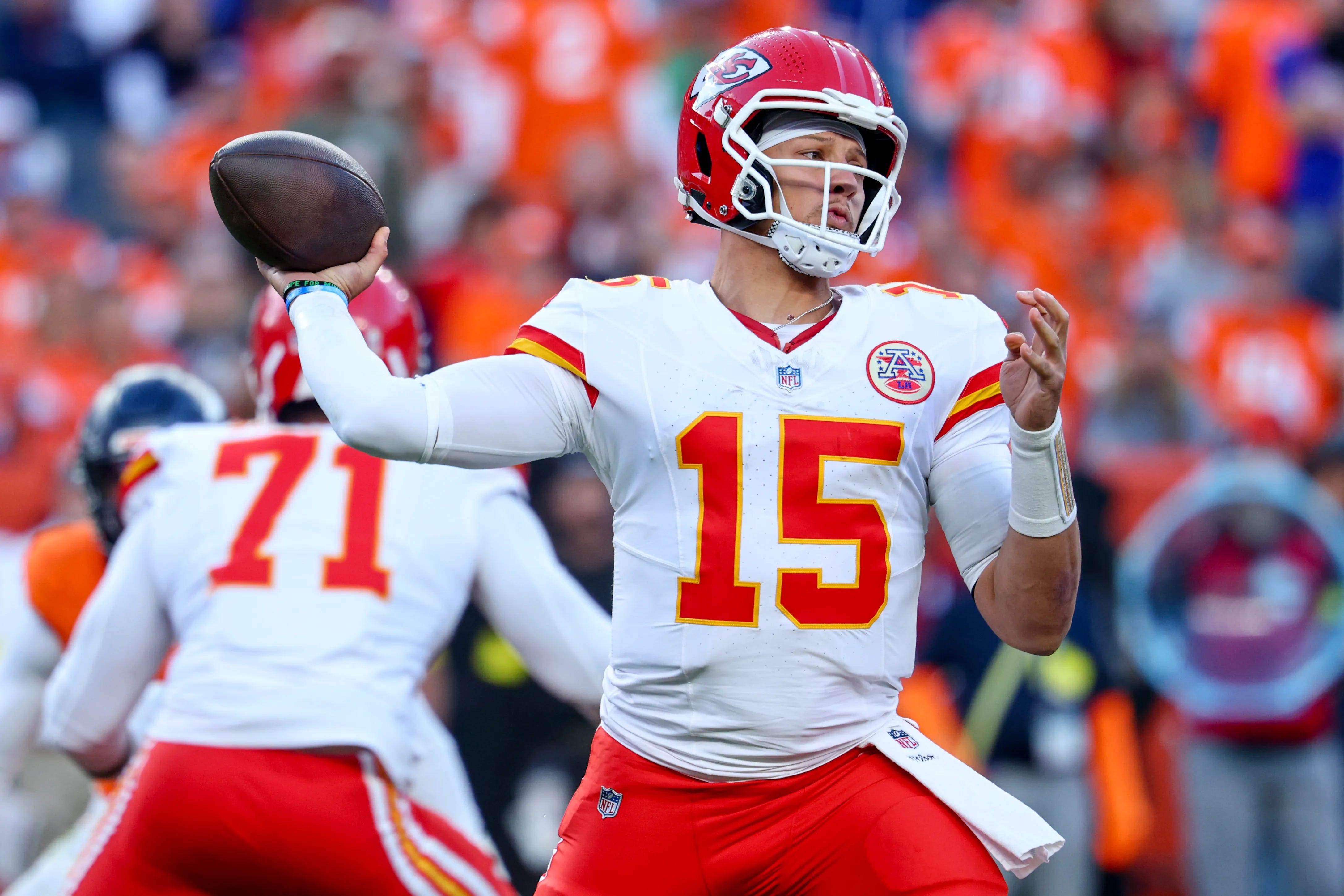
Patrick Mahomes feels like the bridge between eras. Part quarterback, part magician, part “how did he even throw that?” factory.
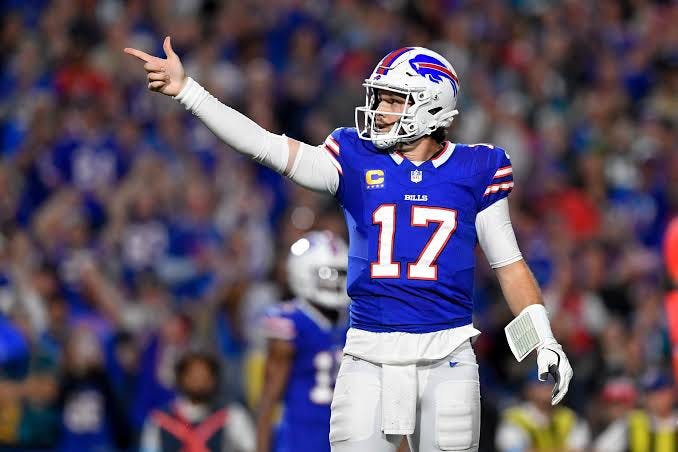
Josh Allen gives you the superhero build: huge arm, huge frame, and the kind of running ability that makes defenders look like they accidentally joined the wrong fight.
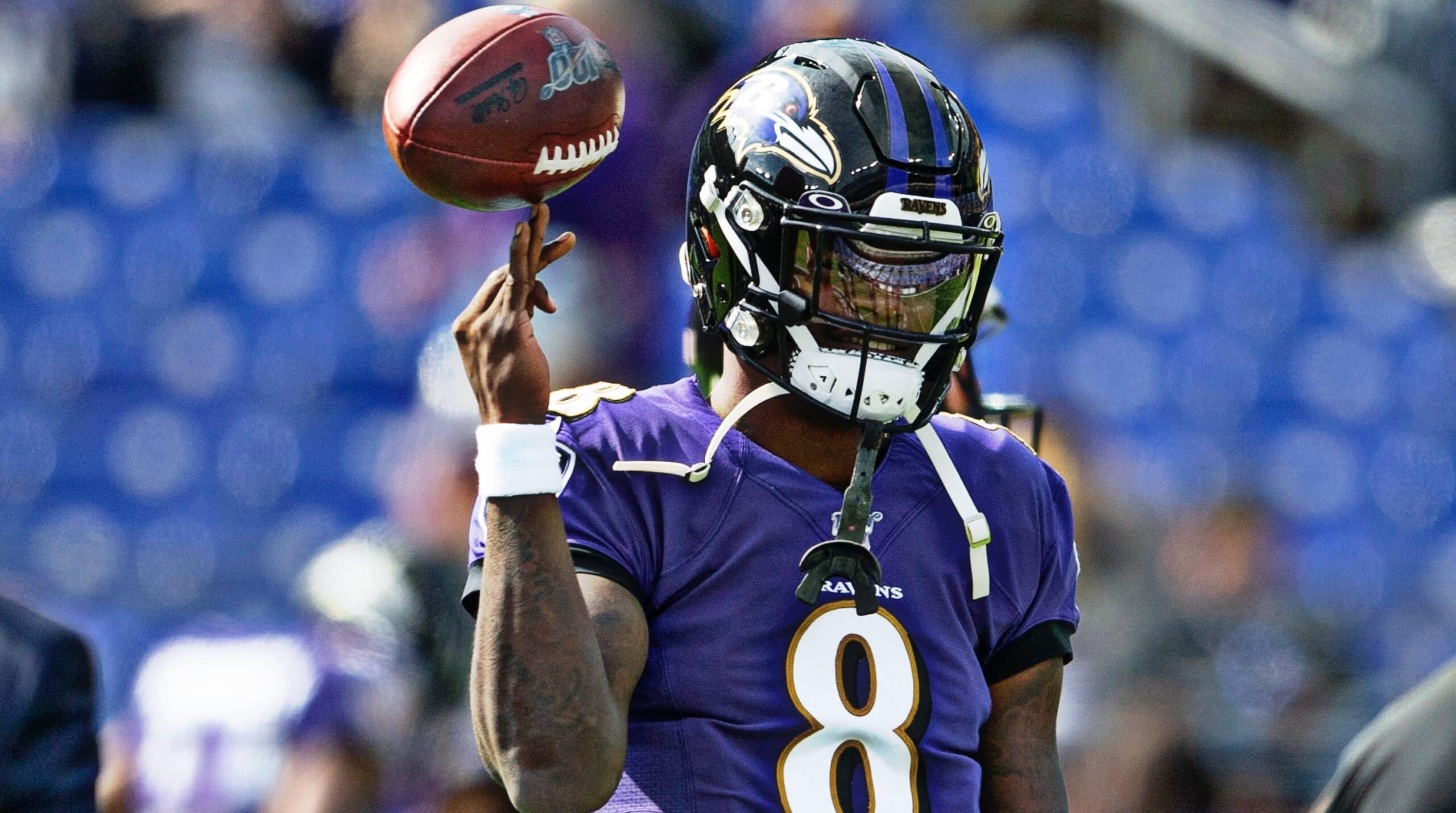
Lamar Jackson is football electricity. A quarterback who can turn a broken play into a track meet and make the field feel too small.
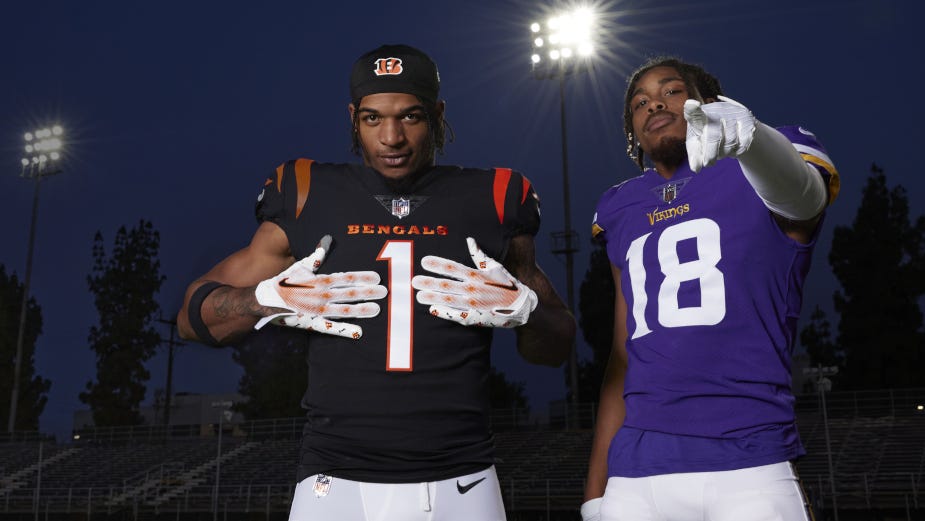
Justin Jefferson and Ja’Marr Chase are reminders that the NFL is not only a quarterback league, even when we talk like it is. They bring route-running, explosion, swagger, and the weekly possibility that one catch becomes the play everyone shares by halftime.
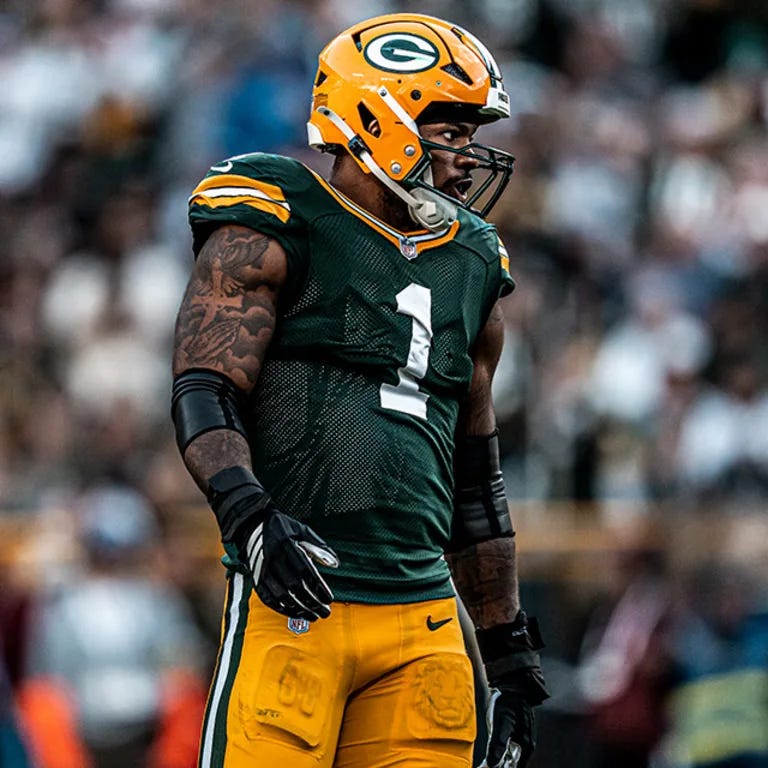
Micah Parsons is the defensive monster you have to account for before every snap. The kind of player who makes blocking assignments feel like survival plans.
And then there is the newer wave: C.J. Stroud, Jayden Daniels, Caleb Williams, Drake Maye, Bo Nix, and the next names climbing into the spotlight.
That is the NFL’s trick.
The league honors old legends while constantly handing you new ones. Every era has its kings. Every season introduces challengers. Every Sunday gives somebody a chance to become a name people remember.
Why Fans Love It
Fans love the NFL because it gives them hope in a very specific, very dangerous dosage.
Every offseason, teams convince themselves they fixed it.
New coach. New quarterback. New draft class. New coordinator. New offensive line. New vibes.
Same pain, but with better branding. That is the beauty and cruelty of the NFL.
The league is designed for turnover. Worst teams get higher draft picks. Schedules rotate. Injuries change everything.
A few close games can flip a season. A rookie quarterback can become a franchise savior. A contender can collapse. A team nobody believed in can suddenly become terrifying.
The NFL sells the possibility that your team is closer than you think.
Sometimes that is true. Sometimes it is a lie you willingly purchase every September.
Either way, it works.
Fans love the NFL because every week gives them a reason to care.
- A reason to gather.
- A reason to argue.
- A reason to believe.
A reason to say, “If we win Sunday, we’re right back in this.” Even when they are absolutely not right back in this. Especially then.
Why This Matters
The NFL matters because it is one of America’s clearest examples of sports as shared ritual.
It is not just the games. It is the week around the games. The injury reports. The predictions. The power rankings. The fantasy waivers.
The Thursday night appetizer. The Sunday main course. The Monday night closer.
The arguments at work. The texts from friends. The family members who only become unreachable during the fourth quarter.
The NFL gives people a weekly story to follow.
And because the season is short, the story feels urgent. That is the difference.
Baseball is a long novel. The NBA and NHL build toward playoff marathons. College football is campus mythology.
The NFL is a weekly drama machine.
One episode at a time. Seventeen chances. Then judgment.
That structure makes the league easy to follow and impossible to relax about. Which, unfortunately, is exactly how sports fans like it.
Modern Connection
High school football is the origin story. College football is the academy arc.
The NFL is the final boss league.
Everyone is bigger. Faster. Smarter. Richer. More specialized.
The mistakes are smaller. The consequences are larger. The margin for error is brutal.
If high school football is where the hero first puts on the pads, and college football is where rival schools, traditions, and identity shape the fighter, the NFL is where the finished warriors arrive and discover that everyone else is also elite.
That is why the league works as a story.
Each season is a campaign. Each week is an episode. Each division is a recurring rivalry arc.
The playoffs are the tournament. The Super Bowl is the final boss. And Monday Night Football is the boss music continuing after you thought the fight was over.
That is the NFL.
A little sports. A little mythology. A little capitalism. A little group therapy.
A lot of yelling.
Final Whistle
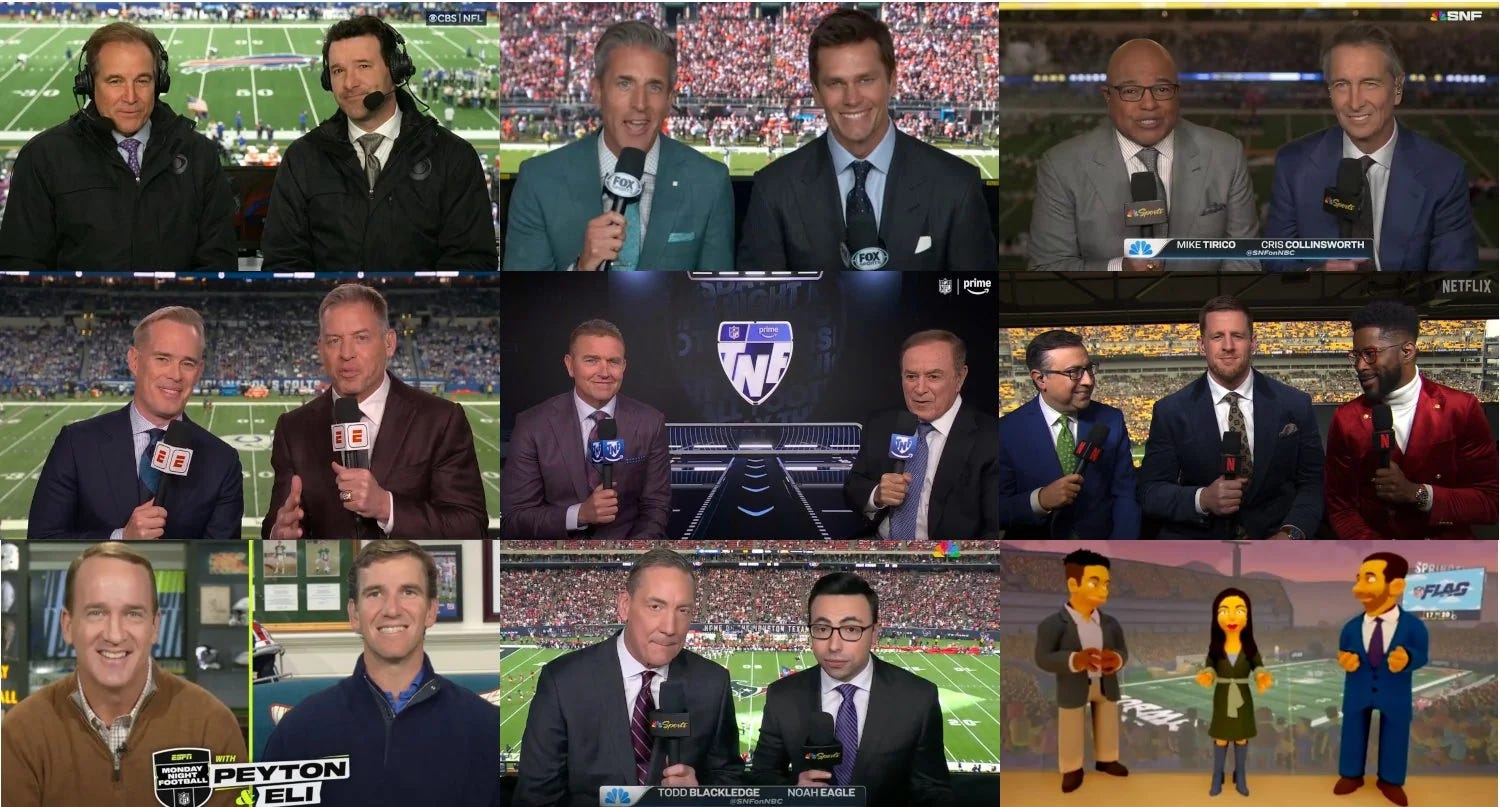
The NFL is loud.
Commercial. Overanalyzed. Ridiculous. Dramatic. Sometimes exhausting.
It can feel too big. Too polished. Too corporate. Too obsessed with itself.
And still, every year, it pulls people back.
Because the NFL understands something powerful.
Give people one team. One week. One game. One reason to believe. Then make them wait seven days to do it again.
That waiting is part of the ritual. That is where the hope builds. That is where the dread builds. That is where the arguments build.
And then Sunday arrives.
The jersey goes on. The food comes out. The group chat opens. The kickoff happens.
And for a few hours, millions of people agree to care deeply about a ball moving ten yards at a time.
That is football. That is the machine.
That is why the week has a spine again.
The Ctrl+Binge Question
What is your favorite part of NFL season?
The games?
The rivalries?
The fantasy football chaos?
RedZone?
The Super Bowl?
The Sunday food?
The group chat?
Or just the feeling that football is finally back?