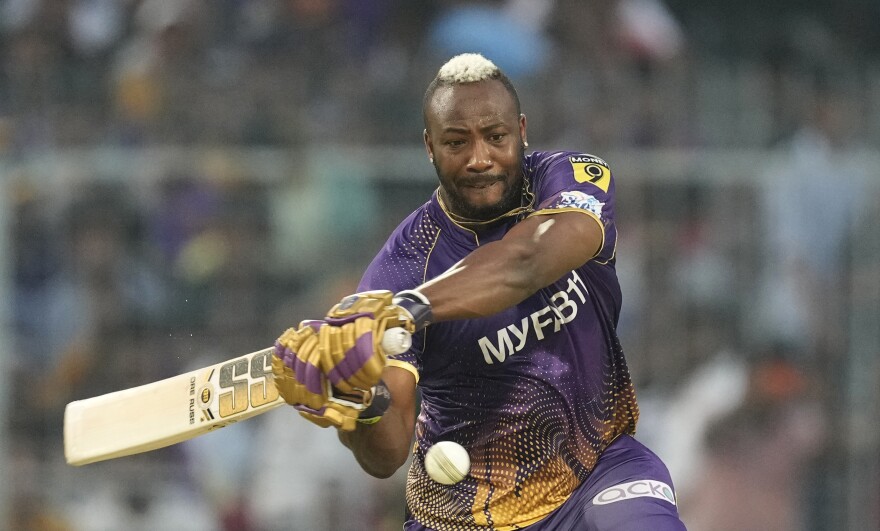
You have probably seen cricket before. Maybe in a highlight clip. Maybe during a World Cup. Maybe scrolling past a video where someone with a flat bat absolutely launches a ball into the next postal code.
And if you are an American sports fan, your brain probably tried to file it somewhere familiar.
- Bat.
- Ball.
- Fielders.
- Running.
Okay, so it is like baseball?
…Kind of?
But then the ball bounces before it reaches the batter. The bat looks like a wooden paddle. The fielders are standing in places that feel illegal. The scoreboard looks like math escaped containment.
Someone says the match might last five days.
And suddenly your only reasonable question is: What the heck is cricket?
That is what we are breaking down today.
Because cricket is one of the world’s most beloved sports, but if you did not grow up around it, it can feel like someone handed you baseball from a parallel universe and forgot to include the manual.
But here is the good news: Cricket is not impossible to understand. It just has its own language.
Once you understand the basics…runs, wickets, overs, bowlers, batters, boundaries, and formats … the sport starts to make sense.
And more importantly, you start to understand why so many people love it.
Cricket is not baseball with tea.
It is a completely different argument between a bat, a ball, and time.
The Surface Version
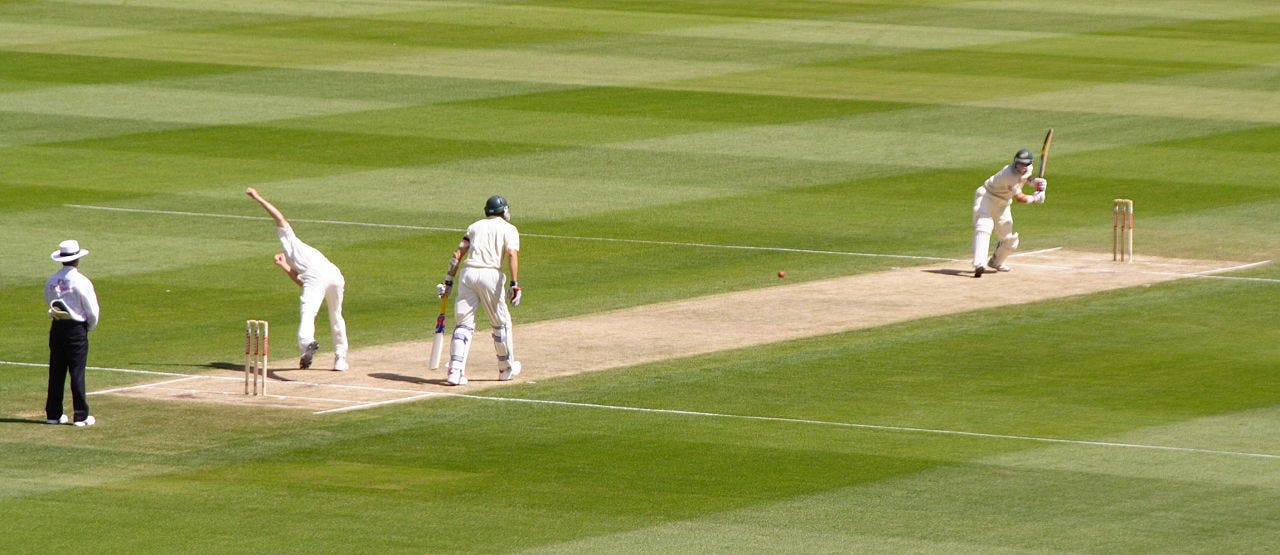
The surface version is simple. Cricket looks like baseball’s older, stranger cousin.
There is a batter. There is a ball. There is someone throwing the ball. There are fielders trying to stop the ball. There are runs. There are outs.
That comparison is not useless. If you are brand new, baseball is probably the easiest doorway into cricket.
Both are bat-and-ball sports. Both involve one side trying to score while the other side tries to get them out. Both have moments where one swing changes everything. Both have long stretches of strategy interrupted by sudden panic.
But if you treat cricket as “weird baseball,” you will get lost fast.
Baseball is built around bases, innings, outs, foul territory, strike zones, and pitchers trying to beat hitters in short confrontations.
Cricket is built around runs, wickets, overs, partnerships, field placement, bowling spells, and pressure that can build for hours.
Baseball feels like a series of duels. Cricket can feel like a siege.
And that is where the sport starts becoming fascinating.
Cricket is not trying to be baseball. It has its own logic.
In baseball, the hitter’s job is usually to reach base and eventually come around to score.
In cricket, the batter’s job is to score runs while also protecting something behind them: the wicket.
That changes everything.
The batter is not just trying to hit. They are also defending.
The bowler is not just trying to throw hard. They are trying to attack the wicket, force mistakes, create traps, and win a long psychological battle.
That is cricket’s secret.
At first, it looks slow. Then you realize the pressure is everywhere.
Every ball asks a question.
Can the batter score? Can the bowler force a mistake? Can the fielding team cut off runs? Can the batting pair build a partnership? Can one wicket change the entire match?
That is where cricket lives. Not just in the big swing.
In the waiting.
How Cricket Works, Without Needing a Dictionary
Let’s start simple.
Cricket is played between two teams.
One team bats.
The other team bowls and fields.
The batting team tries to score runs.
The bowling and fielding team tries to get batters out, which is usually described as taking wickets.
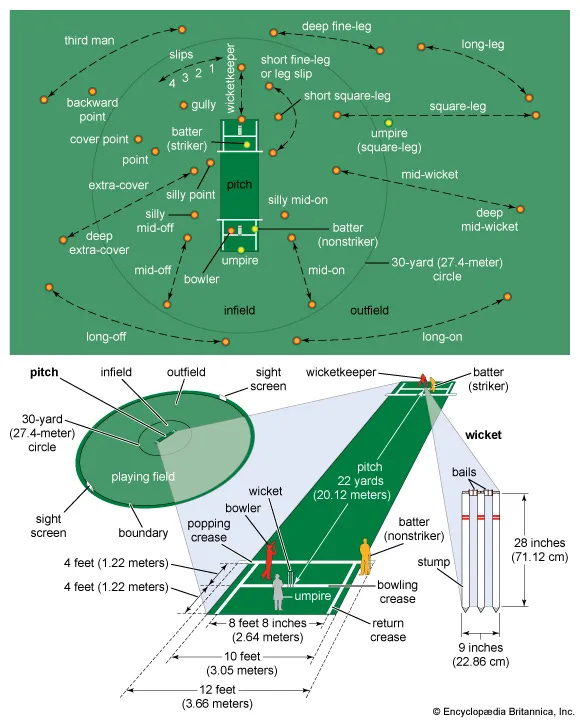
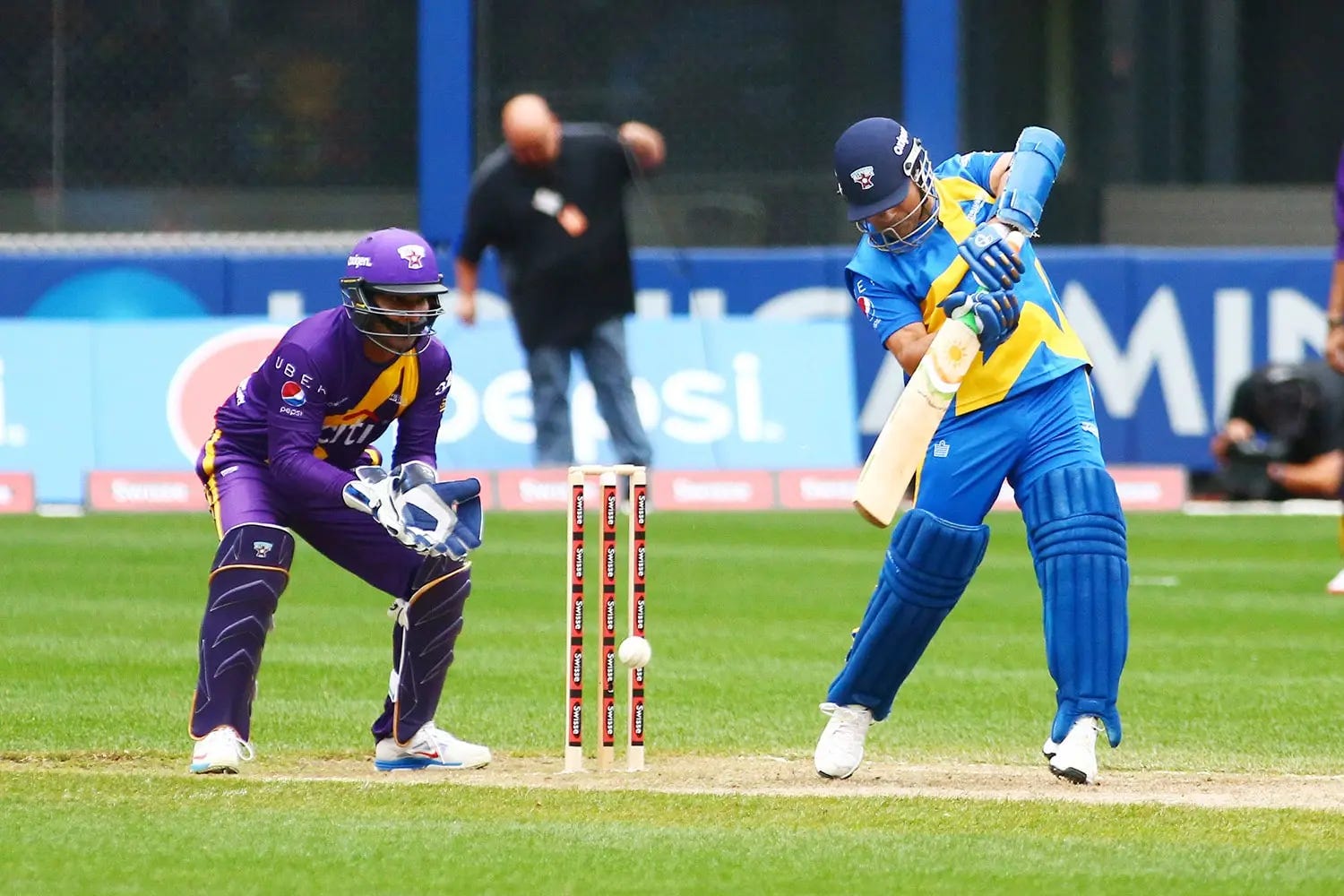
At the center of the field is the pitch, a long rectangular strip where the main action happens. At each end of that pitch is a wicket: three vertical stumps with two small pieces called bails sitting on top.
The bowler runs in and delivers the ball toward the batter. And, unlike baseball, the ball usually bounces before it reaches the batter.
The batter uses a flat bat to hit the ball, defend the wicket, and score runs.
Runs can happen a few ways.
The basic way is simple: the batter hits the ball, then the two batters run back and forth between the wickets. Each completed run counts as one.
But if the batter hits the ball all the way to the boundary rope, that is usually four runs.
If the batter hits the ball over the boundary without it touching the ground, that is six runs.
That is cricket’s home run moment.
The big launch. The crowd eruption. The “oh, he got all of that one” moment.
But the fielding team is trying to stop all of this by taking wickets. That can happen in several ways.
The bowler can hit the stumps. A fielder can catch the ball before it touches the ground. A fielder can run a batter out by hitting the wicket before the batter safely reaches their ground.
There are other ways too, because cricket enjoys having rules that sound like they were written during a long argument in a club room.
But for a beginner, remember this: The batting team wants runs. The bowling team wants wickets. That is the core battle.
Overs: The Clock Cricket Uses Instead of a Clock
One of the most important cricket terms is over.
An over is a set of six legal deliveries from one bowler. The Marylebone Cricket Club, which is the custodian of the Laws of Cricket, explains that once six valid balls have been bowled and the ball becomes dead, the umpire calls “Over.”
That matters because overs are how cricket measures the shape of an innings.
In baseball, you think in innings. In football, you think in quarters and clock. In cricket, you constantly hear about overs.
- How many overs are left?
- How many runs are needed?
- How many wickets remain?
- How fast does the batting team need to score?
This is where cricket scoreboards confuse newcomers. A score might look something like: 145/4 after 18 overs
That means the batting team has scored 145 runs and lost 4 wickets after 18 overs.
That slash does not mean “145 out of 4.” It means runs over wickets.
Once you learn that, the scoreboard becomes much less terrifying.
Still weird. But less terrifying.
The Three Big Formats
Cricket can also be confusing because not every cricket match is the same length.
There are different formats.
The three big ones are:
Test Cricket
This is the long-form version. The classic version. The marathon.
A Test match can last up to five days.
Yes. Five.
That sounds insane if you are used to American sports, but Test cricket is built around endurance, patience, changing conditions, long strategy, and mental pressure.
It is not trying to be quick. It is trying to reveal who can survive.
One Day Cricket
This is the middle version. Each side gets a limited number of overs, often 50 in major international one-day matches. It is still long, but it has a clearer one-day structure.
More urgency than Test cricket. More room to breathe than T20.
T20 Cricket
This is the short, fast, explosive version. Each team gets 20 overs.
The pace is quicker. The hitting is bigger. The format is easier for newcomers to jump into because it feels more immediate.
If Test cricket is a novel, T20 is the action movie.
Both can be great.
They are just asking for different kinds of attention.
What Makes Cricket Hard
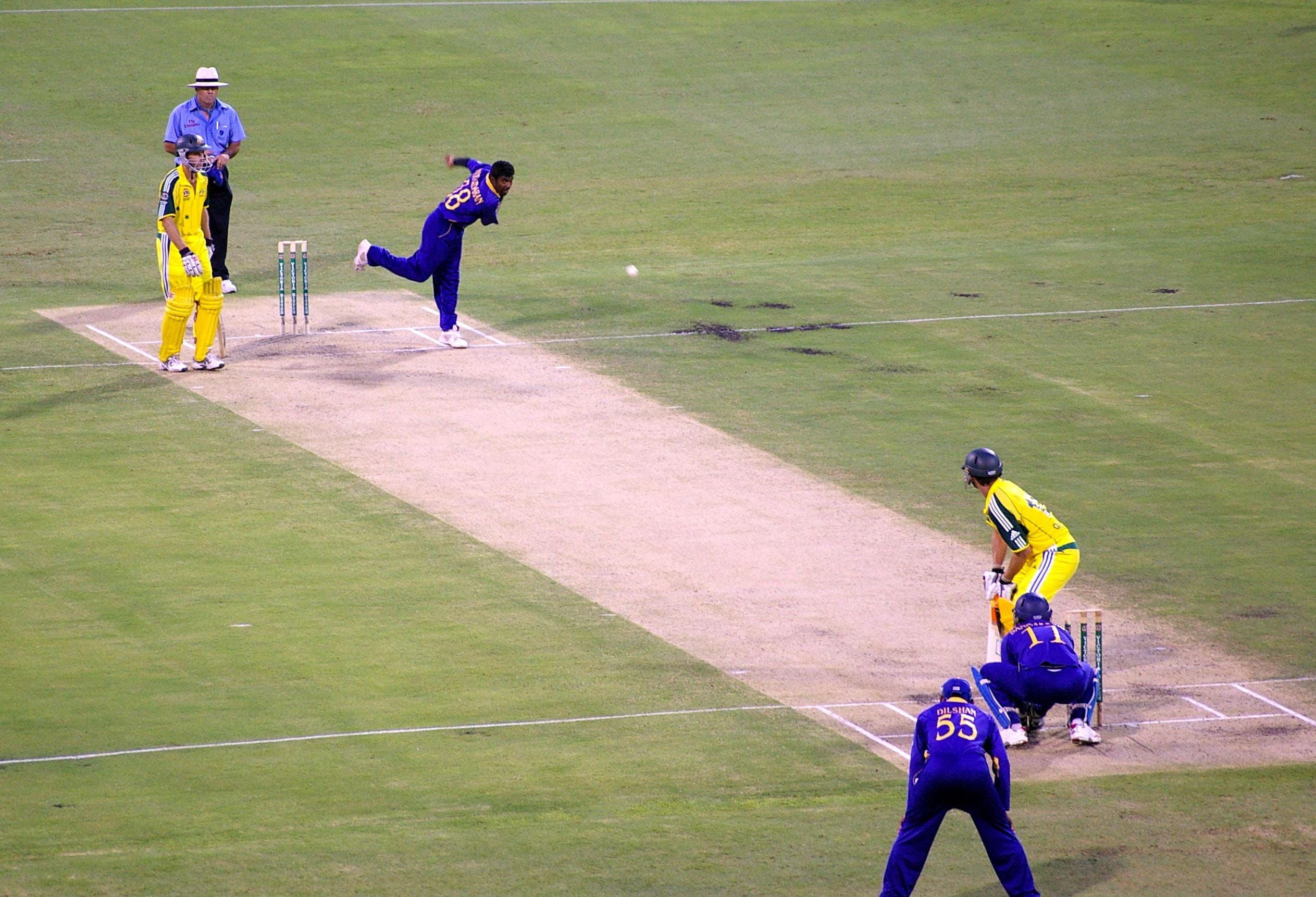
Cricket looks simple until you imagine standing where the batter stands.
A hard ball is coming at you.
It may be fast. It may bounce strangely. It may swing in the air. It may spin after it hits the ground. It may be aimed at the stumps behind you.
You have to decide whether to defend, attack, leave it alone, or run.
And you have to do all of that while eleven fielders are arranged specifically to punish your mistakes.
That is the part newcomers miss.
Cricket is not just hitting.
It is reading.
- Reading the bowler.
- Reading the field.
- Reading the bounce.
- Reading the match situation.
- Reading your own patience.
The bowler is doing the same thing in reverse. They are not just delivering the ball. They are building a plan.
Maybe they bowl several balls in a similar spot to make the batter comfortable. Maybe they move the field to tempt a risky shot. Maybe they use pace to crowd the batter. Maybe they use spin to make the ball behave like it has personal issues.
That is why cricket can look calm and still be incredibly tense.
The trap might take ten minutes to appear.
Then one mistake changes everything.
Who Dominates Cricket?
Cricket is global, but it has some major power centers.
India is the modern giant.
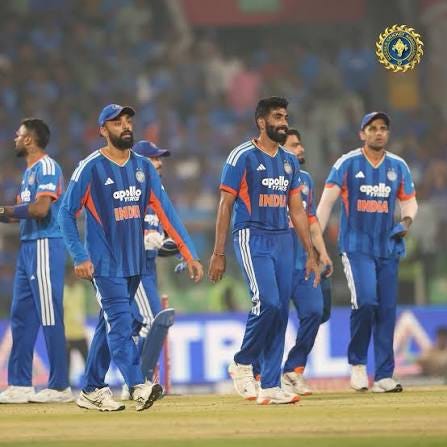
The scale of cricket in India is almost hard to explain to an American audience. Imagine if football, basketball, and baseball energy all got poured into one sport, then multiplied by a country of more than a billion people.
That is the neighborhood.
India does not just watch cricket. India lives cricket.
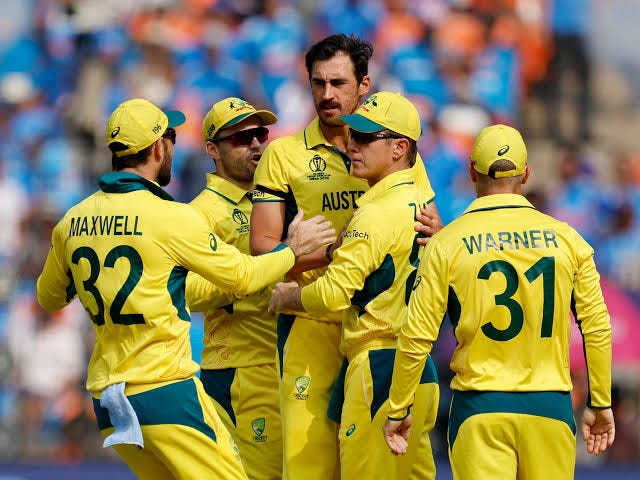
Australia is another historic powerhouse, with a long tradition of elite teams, ruthless competitiveness, and iconic players.
England matters because of cricket’s deep roots there and because the sport’s laws and early identity are tied heavily to English institutions.
Pakistan has produced breathtaking talent, especially bowlers who can make the ball feel like it is inventing new physics.
South Africa, New Zealand, Sri Lanka, the West Indies, Bangladesh, and Afghanistan all have their own cricket identities, strengths, histories, and stars.
That is one of cricket’s best features.
It is not one country’s sport. It is a global conversation, and sometimes a global argument.
Cricket’s Mount Rushmore: A Starter Pack
Cricket’s Mount Rushmore is impossible to do cleanly.
The sport has different formats, countries, eras, and roles.
Batters, bowlers, all-rounders, Test legends, World Cup heroes, and modern T20 icons all have their own cases.
Cricket fans will argue this forever.
That is part of the fun.
But if you are brand new and just need a few names to understand where the mythology begins, start here.
Don Bradman: The Babe Ruth of Cricket, But Maybe Even More Absurd
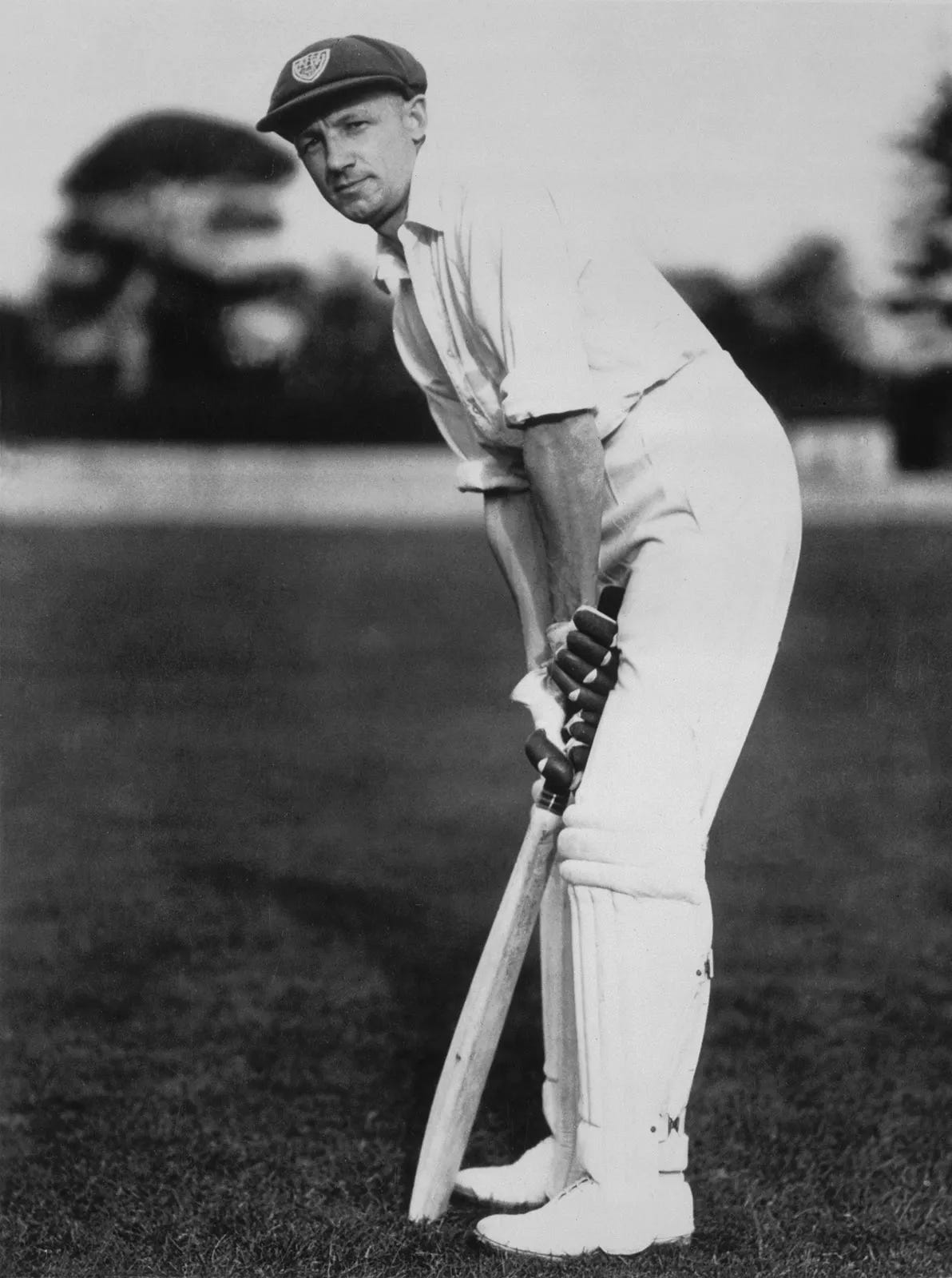
Don Bradman is usually the first name in any greatest cricketer conversation.
He was an Australian batter whose numbers look like someone made a typo and then refused to fix it.
Bradman’s Test batting average was 99.94, a number so famous in cricket that it almost functions like a sacred statistic. Wisden has called attention to that 99.94 mark as cricket’s most instantly recognizable statistical landmark.
If baseball has Babe Ruth as one of its early mythic measuring sticks, cricket has Don Bradman.
He is the before-and-after name.
The old god.
The number every greatness debate has to walk past.
Sachin Tendulkar: The Global Icon
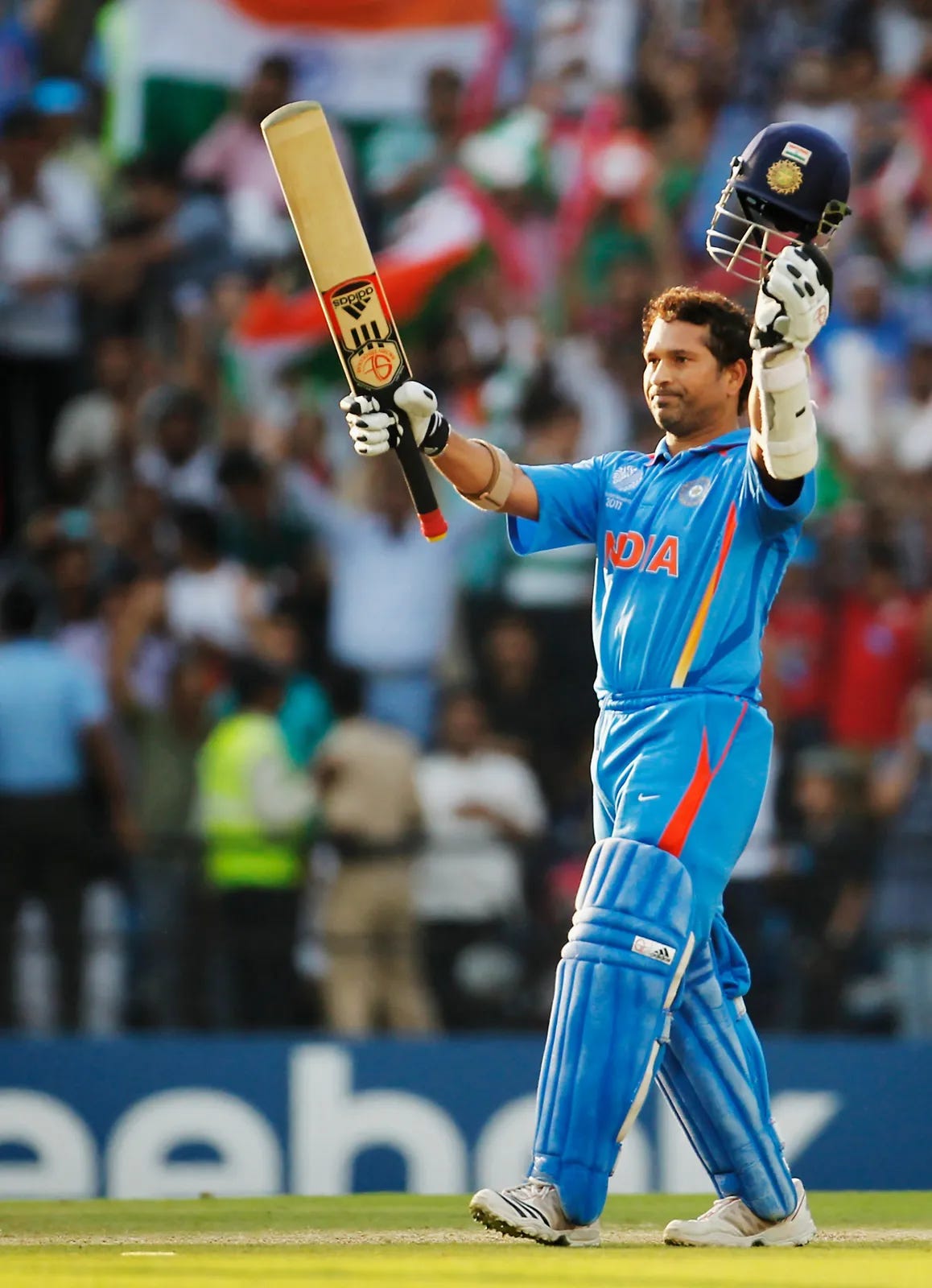
If Bradman is cricket’s old myth, Sachin Tendulkar is one of its modern global icons.
In India, Tendulkar was not just a player. He was a national figure.
The International Cricket Council notes that Tendulkar made the most international appearances and scored a record 100 centuries across formats.
For a newcomer, Tendulkar is one of the easiest ways to understand how big cricket can become culturally.
Think Michael Jordan-level reverence, but in a place where cricket is practically a national language.
Shane Warne: The Pitching Wizard

If you want to understand bowling, Shane Warne is a great doorway.
Warne was an Australian spin bowler, which means he did not simply rely on throwing faster than everyone else.
He used spin, drift, deception, bounce, patience, and nerve.
For Americans, he is not a perfect Cy Young comparison, but he helps explain that cricket has legendary bowlers the way baseball has legendary pitchers.
Warne made the ball feel like it had a secret agenda.
Muttiah Muralitharan: The Wicket Machine
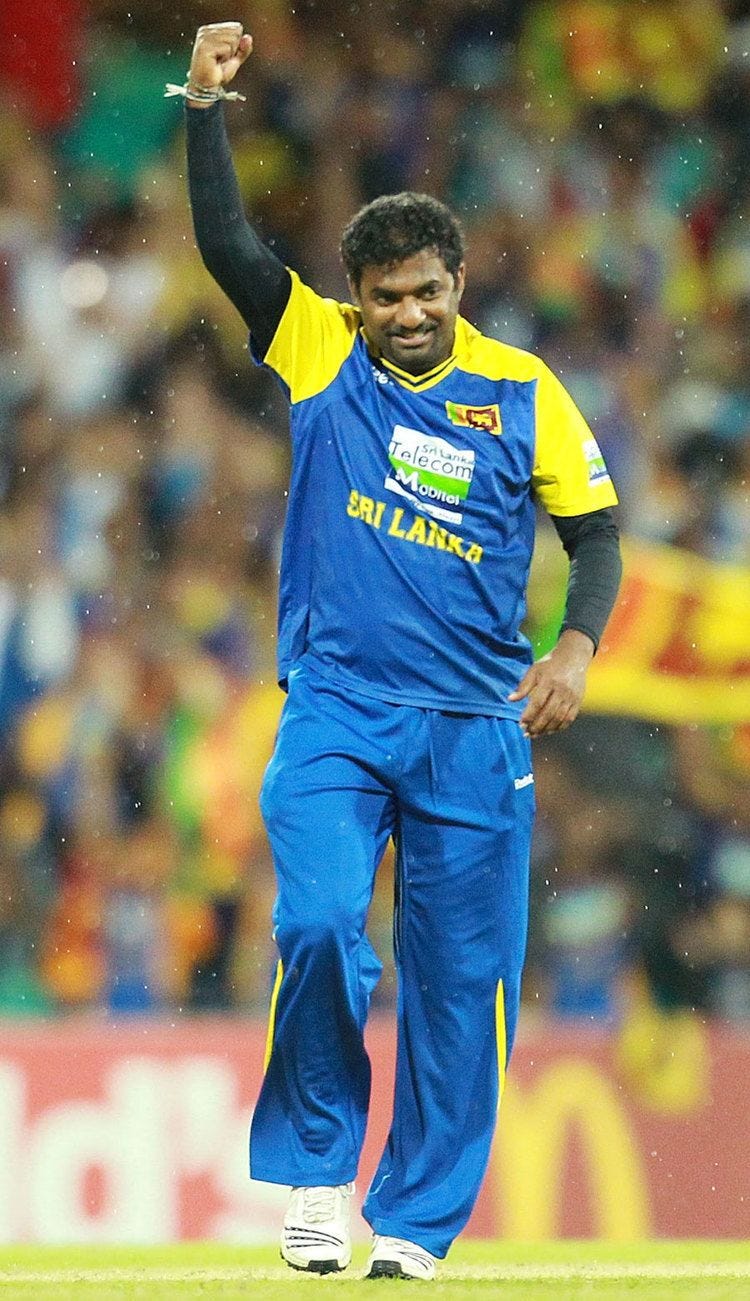
Muttiah Muralitharan, from Sri Lanka, is one of the most statistically dominant bowlers cricket has ever seen.
The ICC says Muralitharan is the most successful Test bowler with 800 wickets in 133 matches, while Shane Warne finished with 708 Test wickets.
If Warne is the spin wizard, Murali is the record-breaking force of nature.
He is one of the clearest reminders that cricket is not only about the person holding the bat. The person delivering the ball can become just as legendary.
You do not need to memorize every cricket legend on day one.
But if you know Bradman, Tendulkar, Warne, and Muralitharan, you at least know where the mythology begins.
Why Fans Love It
Cricket fans love the sport because it can be many things at once.
- It can be slow.
- It can be explosive.
- It can be tactical.
- It can be emotional.
- It can be national pride.
- It can be individual brilliance.
- It can be a five-day chess match or a three-hour fireworks show.
That range is part of the appeal.
Some sports are built around constant motion. Cricket is built around tension.
The pause matters. The setup matters. The field placement matters. The patience matters. Then suddenly, the whole stadium erupts.
- A wicket falls.
- A six clears the boundary.
- A batter reaches a century.
- A bowler completes a spell that changes the match.
Cricket teaches you to wait. Then it rewards you for waiting.
That is not for everyone.
But for the people who love it, that rhythm is the whole point.
Why This Matters
Cricket matters because it is a reminder that not every sport is built around American pacing.
Some sports are not trying to give you a highlight every thirty seconds. Some sports ask you to sit with the tension.
To understand the setup. To watch the pressure gather. To see the trap before it closes.
That can be frustrating if you do not know what you are watching. But once you do, cricket becomes much easier to appreciate.
It is not confusing because it is bad. It is confusing because a lot of us were never taught the language.
Once you learn the basics, the sport opens up.
- Runs.
- Wickets.
- Overs.
- Boundaries.
- Partnerships.
- Formats.
- Pressure.
Suddenly, that strange scoreboard starts telling a story. And that is always the goal here.
Find the story.
Modern Connection
If baseball is a duel broken into episodes, cricket is a siege. That might be the cleanest comparison.
Baseball gives you short confrontations. Pitcher vs. hitter. At-bat by at-bat. Inning by inning.
Cricket stretches that confrontation out and lets the pressure breathe. It is less like a quick boss fight and more like a campaign.
- You build.
- You defend.
- You attack.
- You survive.
- You lose ground.
- You recover.
- You wait for the opening.
Then someone makes one mistake and the whole match tilts.
That is why cricket fits so well into the Ctrl+Binge universe. It has lore. It has heroes. It has villains. It has national pride. It has formats that feel like different arcs.
Test cricket is the long saga. T20 is the tournament arc. World Cups are the global championship episodes.
And somewhere, a bowler is setting a trap that will not pay off for another 20 minutes.
That is storytelling.
Just with stumps.
Final Whistle
Cricket is not weird baseball.
It is cricket.
Its own sport. Its own language. Its own rhythm. Its own world.
It can look strange from the outside because it asks you to care about things you may not immediately understand.
- Overs.
- Wickets.
- Spin.
- Partnerships.
- Boundaries.
- Five-day matches.
- Scoreboards that look like someone spilled numbers into a teacup.
But once you get the basics, cricket becomes much less intimidating.
The batting team wants runs. The bowling team wants wickets. The clock is measured in overs. The wicket is both the thing being defended and the thing being taken.
The sport is not always fast, but it is almost always thinking. And that is where the beauty is.
Cricket does not just ask who can hit the ball the farthest. It asks who can survive pressure the longest. Who can build. Who can wait. Who can attack at the right moment. Who can turn patience into panic.
So the next time you see a cricket highlight, do not just think, “That looks like weird baseball.”
Think: That is a completely different argument between a bat, a ball, and time.
And now, at least, you know where to start.
The Ctrl+Binge Question
What sport have you always heard of but never fully understood?
- Cricket?
- Rugby?
- Formula One?
- Jai alai?
- Lacrosse?
- Or something even stranger?