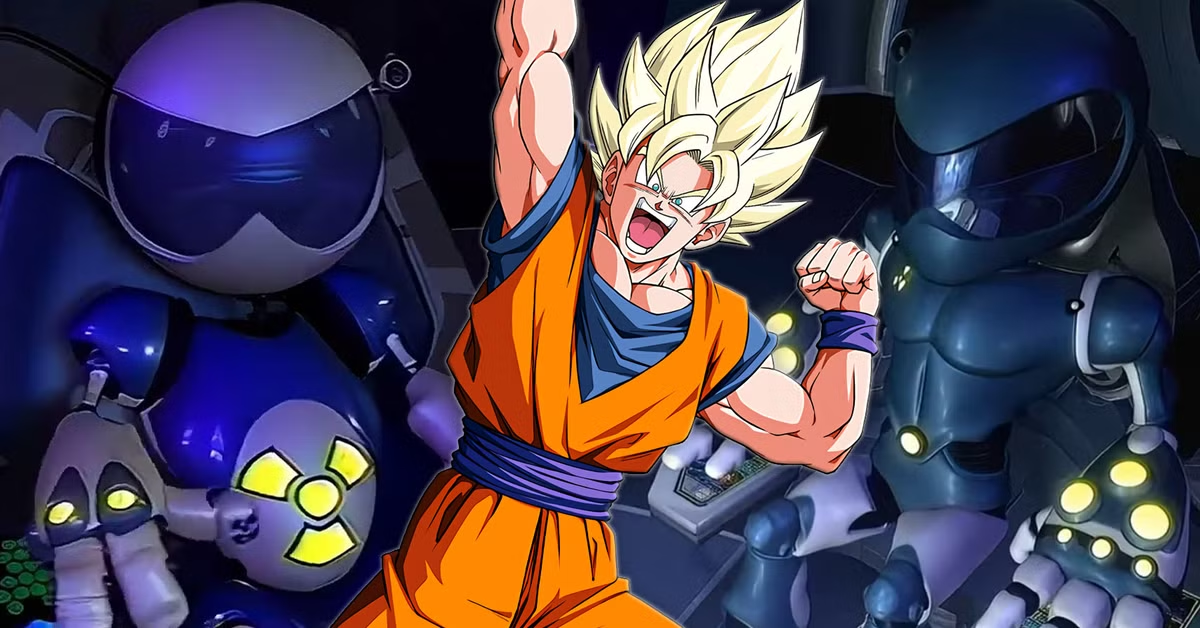
If you grew up in the late 1990s or early 2000s, there’s a good chance your afternoon routine looked something like this: School ended. Homework was ignored. A bowl of cereal somehow appeared. And the television found its way to Cartoon Network.
Then it happened. The Toonami spaceship appeared. TOM greeted viewers from somewhere deep in space. And millions of kids across America prepared to find out whether Goku was finally going to win.
For many fans, this feels like the moment Dragon Ball Z arrived in America. Except that’s not actually true. Dragon Ball Z had already been here. The real story is far more interesting.
Because Dragon Ball Z didn’t become a phenomenon simply because it crossed the Pacific Ocean. It became a phenomenon because Toonami found it the perfect audience.
Wait… Dragon Ball Z Was Already Here?
One of the biggest misconceptions in anime history is that Toonami introduced Dragon Ball Z to America. Technically, it didn’t.
Dragon Ball and Dragon Ball Z had already made their way to American television through earlier syndication efforts. The problem wasn’t availability. The problem was visibility.
Anime was still a niche interest. Schedules varied from market to market. Episodes were difficult to follow. Many viewers simply didn’t know the series existed.
Dragon Ball Z wasn’t a cultural phenomenon. It was a curiosity. The show had arrived. The audience hadn’t. At least not yet.
Enter Toonami

Then Cartoon Network changed everything. In 1997, Cartoon Network launched Toonami, a programming block dedicated to action-oriented animation.
At first glance, it didn’t seem like just another television block. That’s because it wasn’t. Toonami felt different. It had style. It had attitude. It had an identity.
The futuristic presentation. The iconic music. The space station aesthetic. And of course, TOM.
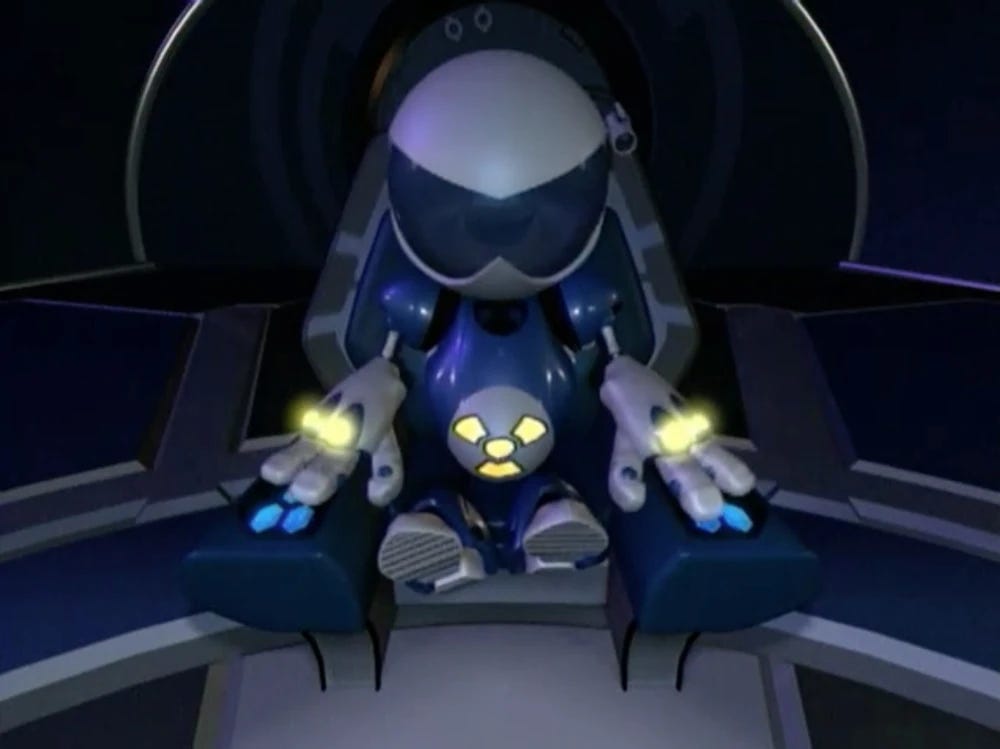
Toonami didn’t present shows as disposable cartoons. It treated them like events. Like adventures. Like something you absolutely could not miss.
Most importantly, it gave anime a home. For many American viewers, Toonami wasn’t just where they watched anime. It was where they discovered anime existed.
The Perfect Show at the Perfect Time
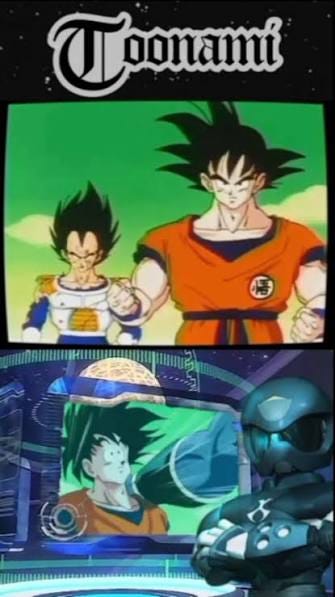
Dragon Ball Z and Toonami turned out to be a perfect match. Part of that came down to timing. But much of it came down to the structure of the show itself.
Most American cartoons of the era followed a familiar formula.
- A problem appeared.
- The heroes solved it.
- Everything returned to normal.
- Next episode.
Dragon Ball Z wasn’t built that way. The story continued. Every episode mattered. Characters changed. Power levels increased. Villains evolved.
Storylines stretched across weeks and months. Missing an episode suddenly felt like a big deal. If Frieza was fighting Goku today, you needed to know what happened tomorrow. And the day after that. And the day after that.
Dragon Ball Z transformed television from something kids casually watched into something they actively followed. It created appointment viewing before streaming existed.
The Super Saiyan Explosion
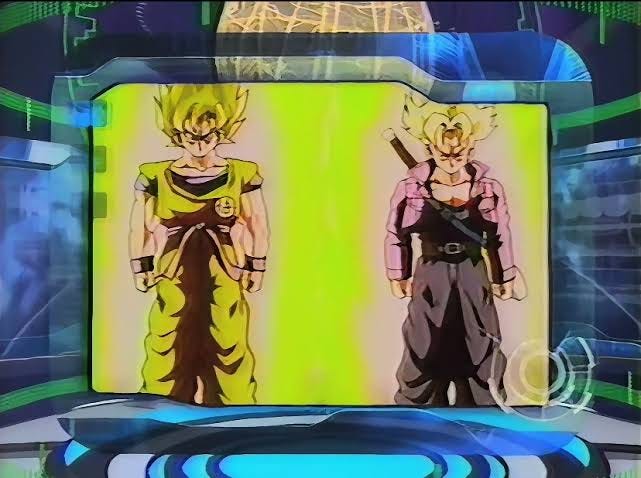
Every generation has certain television moments that become shared memories. For many anime fans, Goku’s first Super Saiyan transformation is one of those moments.
Today it seems impossible to avoid. It’s on T-shirts. Video games. Memes. Action figures.
But in the late 1990s, nobody knew it was coming. Kids talked about Dragon Ball Z everywhere.
- School hallways.
- Playgrounds.
- Lunch tables.
- School buses.
Before social media. Before YouTube reaction videos. Before spoilers spread instantly online.
The fandom grew the old-fashioned way. One conversation at a time. One friend telling another friend: “You have to watch this.” The result was something special.
Dragon Ball Z stopped being a television show. It became a cultural event.
More Than Just Dragon Ball
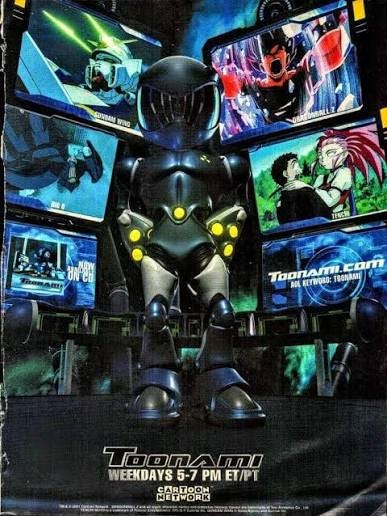
The success of Dragon Ball Z didn’t stay contained to Dragon Ball Z. Its popularity helped prove something important. American audiences wanted anime. Not occasionally. Not as a novelty. Consistently.
As Dragon Ball Z gained momentum, other series followed.
- Gundam Wing.
- Sailor Moon.
- Yu Yu Hakusho.
- Outlaw Star.
- Rurouni Kenshin.
- Tenchi Muyo.
For many viewers, Toonami became a gateway. Dragon Ball Z got them through the door. Everything else waited on the other side.
What started as one successful series gradually became an entire generation discovering Japanese animation.
Why It Mattered
Today anime is everywhere. Streaming services compete for licenses. Movie theaters host anime premieres. Professional athletes celebrate like anime characters. Musicians reference anime in their lyrics. Celebrities openly discuss their favorite series.
That world didn’t emerge overnight. It was built. And one of the most important construction projects happened every afternoon on Cartoon Network.
Millions of future artists, writers, game developers, animators, and fans sat down after school and watched Toonami. Some stayed for Dragon Ball Z. Some discovered other shows. Many never looked back.
Toonami didn’t just air anime. It normalized anime. That’s a much bigger accomplishment.
The Legacy of an Afternoon
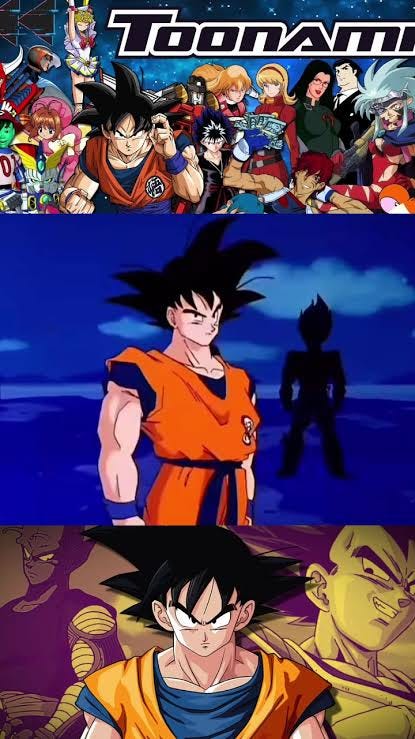
Dragon Ball Z technically came to America before Toonami. History records that. But history and memory are not always the same thing.
Ask most fans when Dragon Ball Z arrived, and they’ll tell you about racing home from school. They’ll tell you about TOM. They’ll tell you about Frieza. Cell. Majin Buu. The Next Episode previews. The excitement of wondering what would happen tomorrow.
For an entire generation, that’s when Dragon Ball Z truly arrived. Not when it first aired. Not when it was first imported. But when Toonami turned it into an obsession.
Dragon Ball Z didn’t just come to America. It became part of American childhood. And for millions of future anime fans, that was the beginning of everything.
Ctrl+Binge Question
What was your first Toonami show?
- Dragon Ball Z?
- Ronin Warriors?
- Gundam Wing?
- Sailor Moon?
- Yu Yu Hakusho?
- Or something else entirely?
Let us know below. After all, every anime fan’s journey has to start somewhere.