A warrior screaming beneath a green sky. Golden hair standing on end. Lightning crackling around his body. An entire planet is moments from destruction.
If you grew up in the late 90s or early 2000s, you probably know exactly what image I’m talking about. Even if you’ve never watched Dragon Ball Z. That’s the thing about Dragon Ball Z. It stopped being just an anime a long time ago.
It became playground mythology. It became lunchroom debates. It became the show kids rushed home to watch after school. For an entire generation, Dragon Ball Z wasn’t simply entertainment. It was an event.
And yet, when people talk about Dragon Ball Z today, they often reduce it to the easiest parts to remember.
- Power levels.
- Transformations.
- Screaming.
- Beam struggles.
But those things aren’t why Dragon Ball Z became a global obsession. Those are the symptoms. The real answer runs much deeper.
Because underneath all the explosions and energy blasts is a story about growth. About legacy. About becoming something greater than you were yesterday. And that’s a story people never seem to outgrow.
THE ELEVATOR PITCH
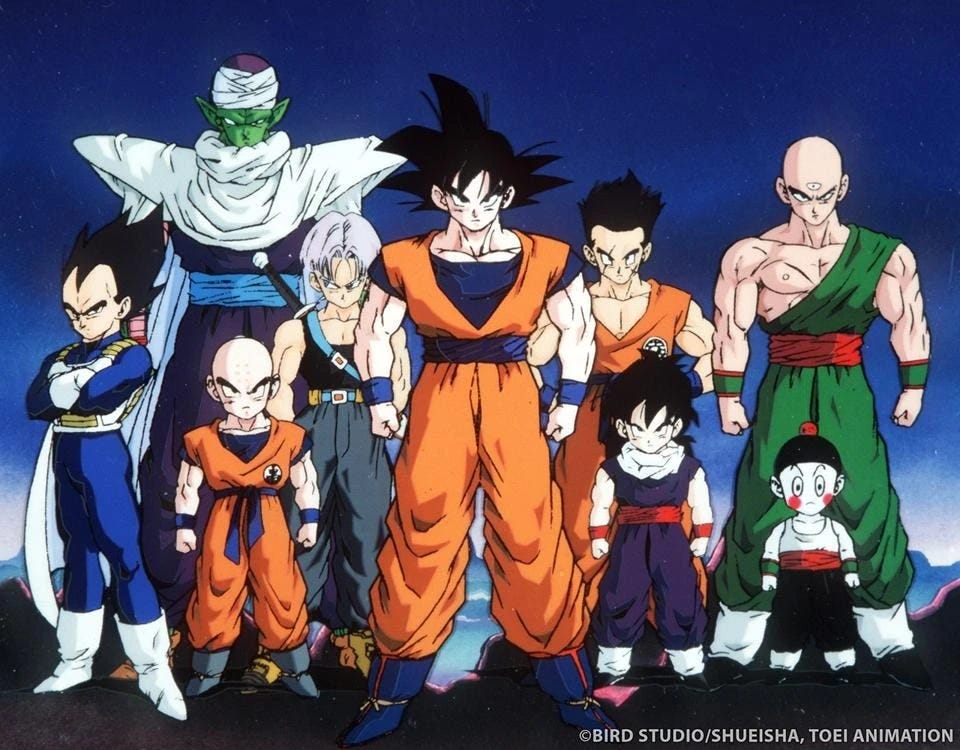
Dragon Ball Z follows Goku and his friends as they defend Earth against increasingly powerful threats.
What begins with the arrival of a mysterious warrior from space quickly expands into a saga involving alien conquerors, artificial humans, bio-engineered monsters, ancient magical forces, and the fate of entire worlds.
The stakes grow larger. The battles become bigger. The universe expands.
But at its heart, Dragon Ball Z remains surprisingly simple.
- People train.
- People fail.
- People grow.
- People overcome.
Whether it’s Goku chasing the next challenge, Vegeta wrestling with his pride, Piccolo learning compassion, or Gohan discovering his own potential, every major storyline revolves around transformation.
Sometimes physical. Sometimes emotional. Usually both. And that’s why Dragon Ball Z remains so compelling.
The energy blasts get your attention. The characters make you stay.
THE FAMILIAR VERSION
Most people think Dragon Ball Z is just screaming. Just power levels. Just transformations. Just increasingly ridiculous fights. I understand why.
Those are the images that became iconic. Those are the clips that spread across the internet. Those are the moments people remember decades later.
The problem is that reducing Dragon Ball Z to those moments is like reducing Rocky to a training montage. Technically, you’re not wrong. But you’re missing the point.
The fights matter because of who is fighting. The transformations matter because of what they represent. The victories matter because of everything it took to get there.
Dragon Ball Z isn’t remembered because characters became stronger. Dragon Ball Z is remembered because characters became better.
That’s the difference. And that’s why people still care.
Dragon Ball Z isn’t really about power. It’s about transformation. Not just of bodies. Of people.
CHARACTERS
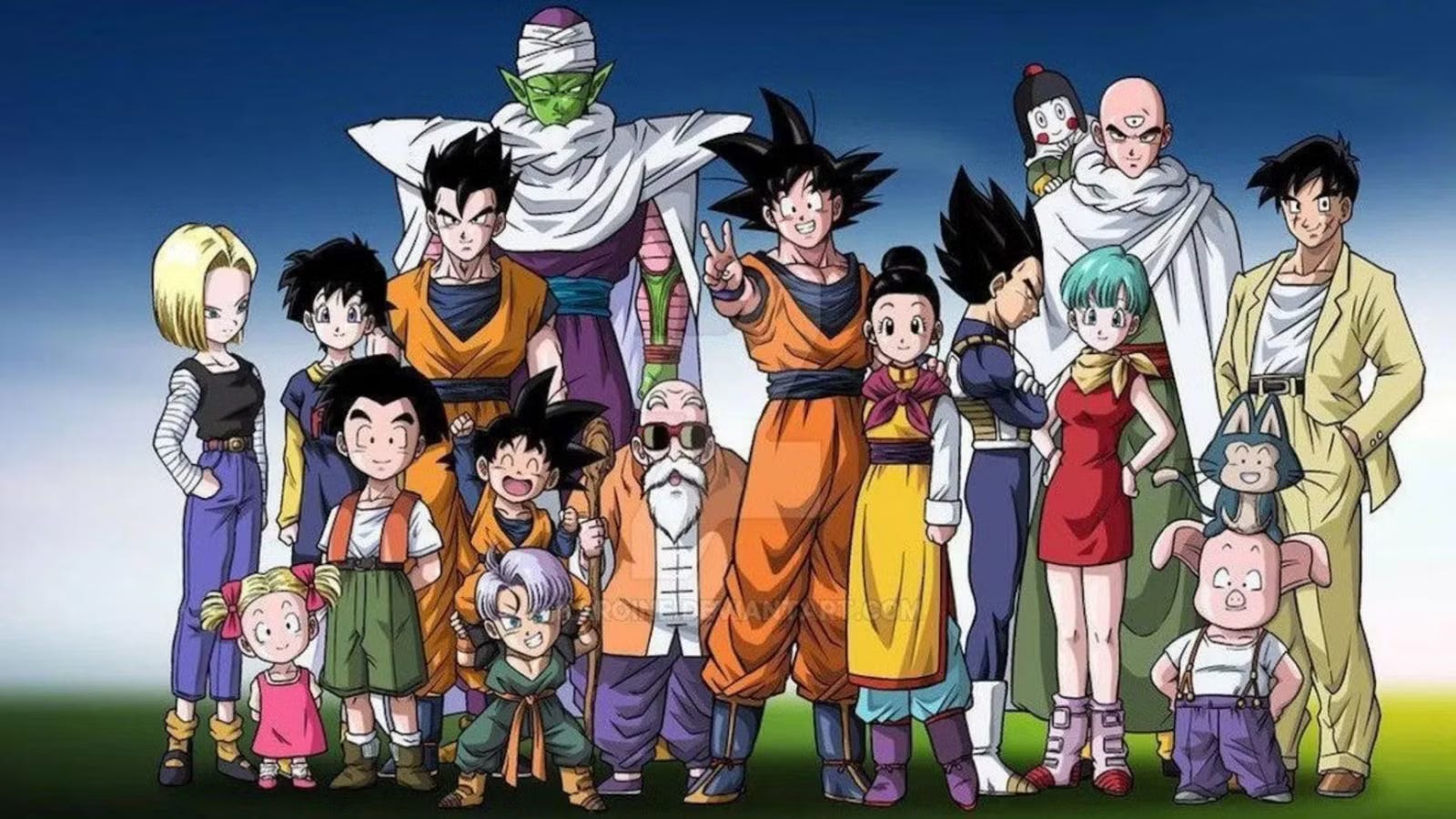
Goku
Goku is the foundation everything else is built upon. What makes him fascinating isn’t his strength. It’s his optimism. No matter how overwhelming the challenge becomes, Goku always believes there is a path forward.
He trains harder. Learns more. Pushes farther. And that attitude becomes infectious.
He’s not trying to become a king. He’s not seeking revenge. He’s not chasing political power. He simply wants to become better than he was yesterday.
That philosophy quietly influences everyone around him. Including his enemies.
Piccolo
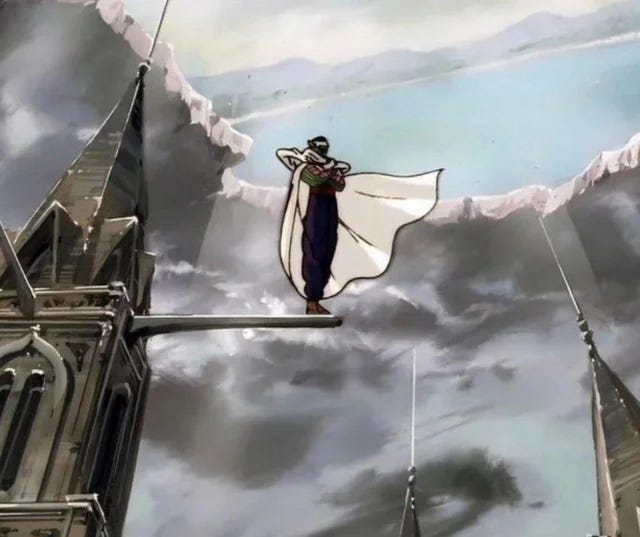
If Dragon Ball Z has a secret MVP, it’s Piccolo.
He begins as the son of one of Dragon Ball’s greatest villains. A character born from hatred. Born to continue a legacy of revenge. Then something unexpected happens: He meets Gohan.
What follows is one of the greatest redemption arcs in anime. The ruthless demon becomes a mentor. The mentor becomes a protector. The protector becomes family.
By the end of the series, Piccolo feels less like a former villain and more like everyone’s favorite uncle. It’s one of the most satisfying character journeys Toriyama ever wrote.
Vegeta
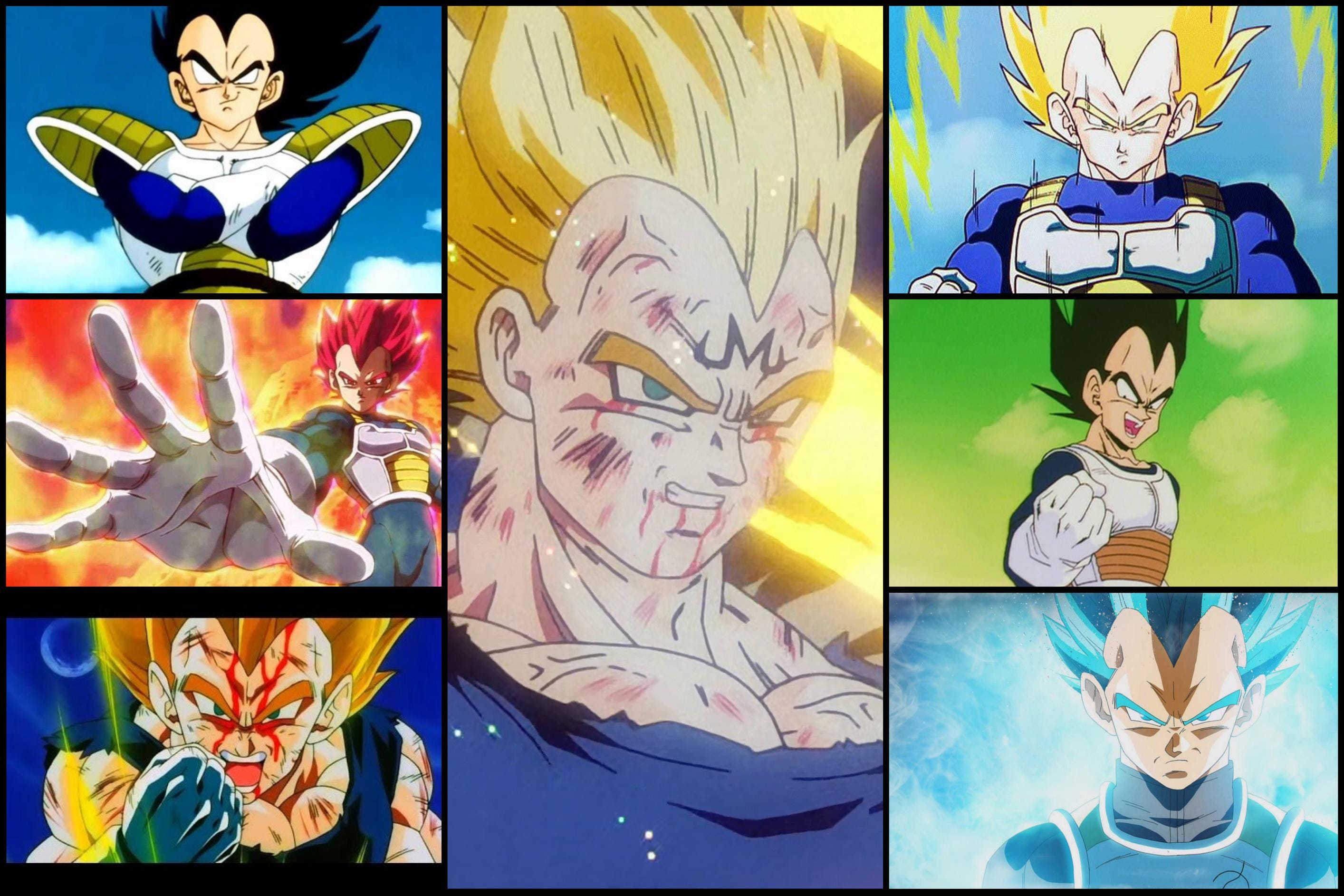
Then there’s Vegeta.
The greatest rival in anime history. Not because he’s Goku’s equal. Because he’s constantly evolving. Every saga strips away another piece of who Vegeta believes he is. The proud prince. The conqueror. The elite warrior. The man obsessed with proving his superiority.
Slowly, painfully, Vegeta changes. He becomes a father. A husband. A protector. A hero. Not because anyone asked him to. Because he chooses to. And that choice is what makes him unforgettable.
Future Trunks
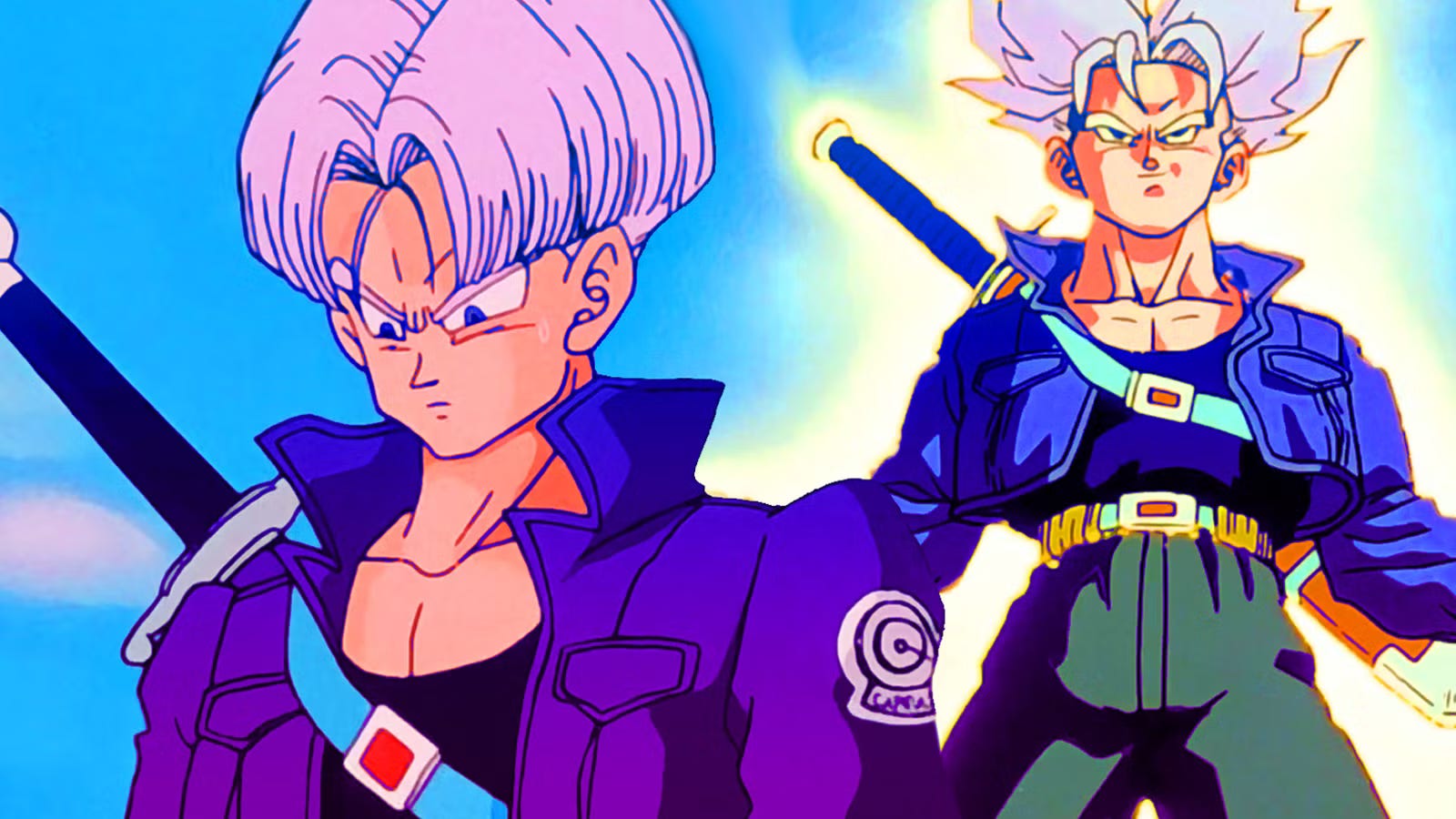
Future Trunks might be the most emotionally devastating character in Dragon Ball.
He’s a hero from a future where the heroes failed. Every smile feels earned. Every victory feels precious. Every appearance reminds us what’s at stake.
His arrival changes Dragon Ball forever. Suddenly consequences feel real. Suddenly the future isn’t guaranteed. Suddenly losing becomes possible.
The Villains
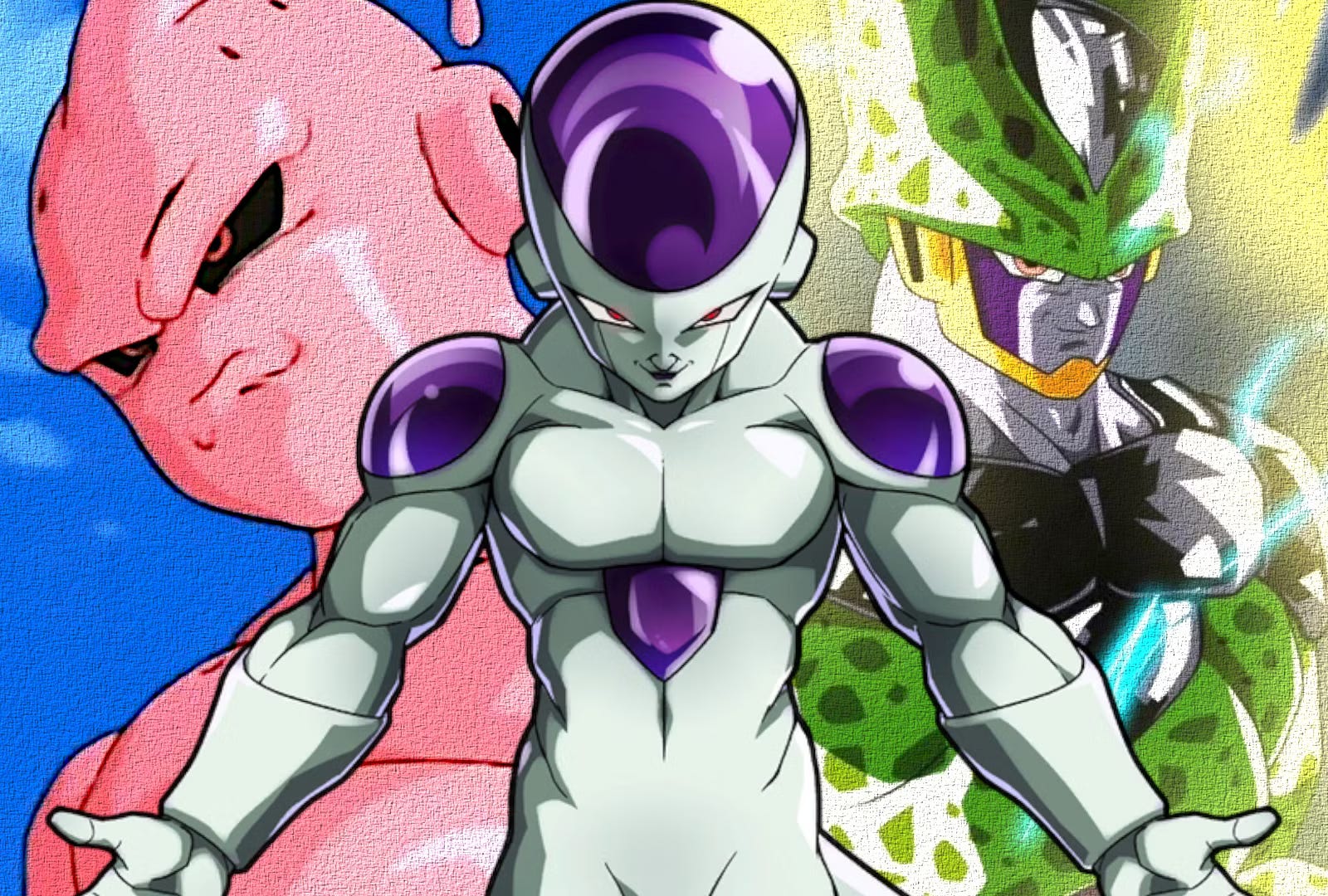
And then there are the villains. Some of the best anime has ever produced.
- Frieza is tyranny personified.
- Cell is perfection taken to horrifying extremes.
- The Androids are rebellion given form.
- Buu is pure chaos.
Each villain challenges the heroes differently. Each villain pushes the story somewhere new. And each villain remains memorable decades later. That’s not an accident. That’s exceptional character design.
WORLDBUILDING
Original Dragon Ball expanded outward. Dragon Ball Z expands upward. Every saga reveals a bigger universe than the one before it.
The arrival of the Saiyans transforms everything we thought we knew about Goku. Namek expands the story beyond Earth. The Android Saga introduces alternate futures. The Buu Saga dives into ancient magic and cosmic mythology.
The scale constantly grows. But somehow it never feels overwhelming. Because every new layer remains connected to the characters. The universe gets bigger. The emotions stay personal.
That’s a difficult balance to maintain. Dragon Ball Z pulls it off remarkably well.
ACTION / POWER SYSTEM
This is where Dragon Ball Z became immortal. Not because it invented transformations. Because it perfected them. Lots of stories have power-ups. Very few have as many memorable moments build around them.
- Kaioken.
- Spirit Bomb.
- Instant Transmission.
- Fusion.
- The Hyperbolic Time Chamber.
These aren’t just anime techniques anymore. They’re pop culture. Even people who have never watched Dragon Ball Z recognize them.
And then there’s Super Saiyan.
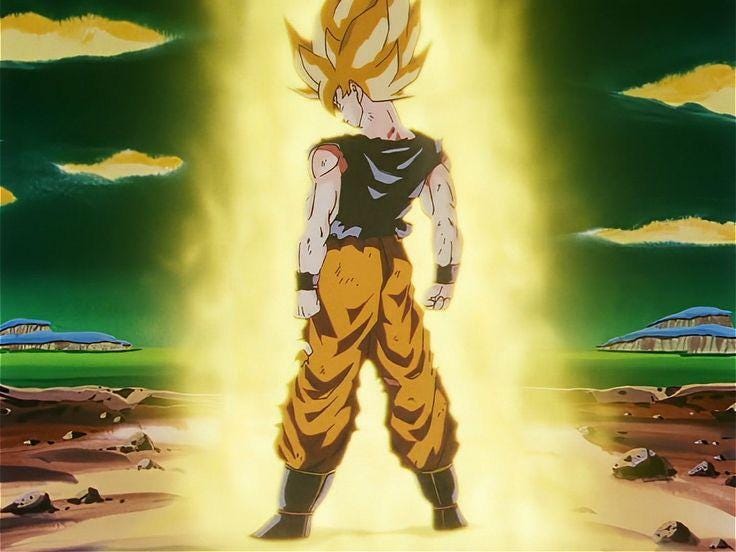
The transformation. Not a transformation. The transformation.
Toriyama spends an entire saga building toward a legend. Characters talk about it. Fear it. Dream about it. Then, on a dying planet beneath a green sky, everything changes.
What makes the moment legendary isn’t the hair. It isn’t the power boost. It’s Goku.
For the first time, Goku isn’t excited. He isn’t curious. He isn’t smiling. He’s furious. Focused. Terrifying.
When he stands before Frieza and declares himself the hope of the universe, Dragon Ball Z crosses a line. A great anime moment becomes a cultural one.
Almost every millennial remembers seeing Super Saiyan for the first time. Maybe on Toonami. Maybe on VHS. Maybe at a friend’s house. But they remember it.
Because Super Saiyan wasn’t just a power-up. It was mythology. And mythology lasts.
EMOTIONAL CORE
Dragon Ball Z is about legacy. Everyone is trying to leave something behind.
Goku leaves lessons. Piccolo leaves wisdom. Future Trunks fights to preserve hope. Vegeta fights to overcome his past. Gohan struggles to live up to expectations.
Even the villains become distorted reflections of legacy. Frieza wants his empire remembered. Cell wants perfection remembered. Buu represents power without purpose.
Everything revolves around the same question. What do you leave behind? And what kind of person will you become before you’re gone?
For a series famous for giant energy blasts, that’s a surprisingly human question. Maybe that’s why Dragon Ball Z resonates so strongly. Because eventually everyone has to ask it.
STYLE / PRESENTATION
Akira Toriyama’s artwork remains one of manga’s greatest strengths.
- Clean.
- Readable.
- Expressive.
His action sequences flow effortlessly from panel to panel. Every punch lands. Every transformation feels impactful. Every character possesses an instantly recognizable silhouette.
The anime elevated those strengths even further. The soundtrack became iconic. The voice performances became legendary. The visual language became unforgettable.
Few anime have produced imagery as recognizable as Dragon Ball Z. Even people who have never watched an episode know what a Super Saiyan looks like.
That’s cultural penetration most franchises can only dream about.
LET’S BE FAIR
Dragon Ball Z isn’t perfect. The pacing can be rough. The anime occasionally stretches moments far beyond their natural lifespan.
Power scaling becomes increasingly difficult to manage.
Some supporting characters eventually lose relevance.
And yes, sometimes the screaming jokes are fair.
There are stretches where Dragon Ball Z absolutely tests your patience. But here’s the thing. The highs are so high that people forgive the lows.
Because when Dragon Ball Z is firing on all cylinders, very few stories can match it. The emotional payoffs land. The character moments hit. The transformations still give people chills. That’s why fans keep coming back.
WHO IS THIS FOR?
This is for people who love:
✔ Rivalries
✔ Character growth
✔ Training arcs
✔ Tournament-style storytelling
✔ Memorable villains
✔ Epic transformations
✔ Found family
✔ Stories about self-improvement
This may not be for you if:
✖ You dislike long-running series
✖ Slow pacing frustrates you
✖ You prefer grounded stories
✖ You want subtle power systems
Dragon Ball Z is many things. Subtle isn’t one of them.
WHY IT MATTERS
Dragon Ball Z matters because it escaped its genre. Most anime and mangas remain anime and mangas. Dragon Ball Z became culture.
Athletes reference it. Musicians reference it. Actors reference it. Artists reference it. Entire generations grew up pretending to go Super Saiyan in their backyards.
And while that sounds silly, it speaks to something important. People didn’t just watch Dragon Ball Z. They participated in it. They imagined themselves inside it. They carried it with them.
The series became a shared language. Very few stories accomplish that. Dragon Ball Z did. And that’s why we’re still talking about it decades later.
CTRL+BINGE FINAL TAKE
Dragon Ball Z didn’t become a global obsession because of power levels. It didn’t become a global obsession because of screaming. And it didn’t become a global obsession because of transformations.
It became a global obsession because it convinced an entire generation that growth was possible. That no matter how impossible the challenge seemed, you could train harder.
- Push farther.
- Become better.
The energy blasts got our attention. The journey kept it. And somewhere along the way, Dragon Ball Z stopped being just a story. It became a legend.
And I thank Akira Toriyama for it. And for the memories.
QUESTION
What’s the single most iconic moment in Dragon Ball Z history?
Goku becoming a Super Saiyan? Gohan vs Cell? Vegeta’s sacrifice? Future Trunks arriving? Or something else entirely?