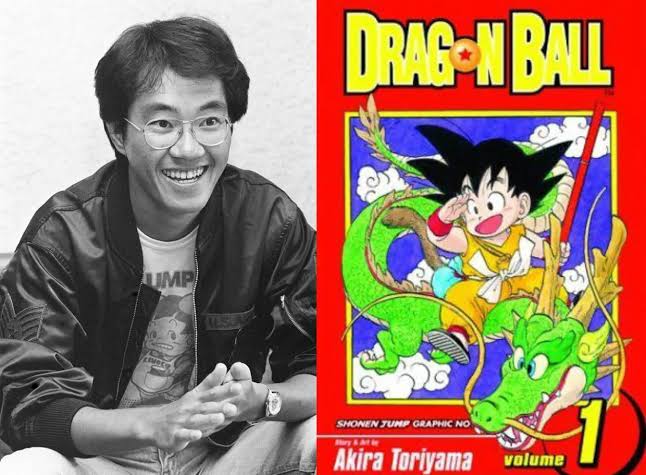
When people talk about Akira Toriyama, the conversation usually starts with:
- Dragon Ball.
- Goku.
- The Kamehameha.
- The World Martial Arts Tournament.
- Super Saiyans.
The franchise that helped turn anime and manga into a global phenomenon.
It’s easy to look at Dragon Ball and imagine that Toriyama simply woke up one day and created one of the most influential stories ever told. But great creators rarely emerge from nowhere. Before Dragon Ball, there was a world that made Dragon Ball possible.
A rapidly changing Japan. A booming manga industry. Martial arts movies. Classic Chinese mythology. Television. Cars. Comedy. Long before Goku stepped out of the mountains, the pieces that would eventually become Dragon Ball were already being assembled. To understand Akira Toriyama, you first have to understand the world that created him.
Growing Up in a New Japan
Akira Toriyama was born in 1955. That date matters more than you might think. World War II had ended only ten years earlier. To modern readers, that feels like ancient history. For Toriyama’s generation, it was yesterday.
Japan was rebuilding itself at an astonishing pace. Cities were growing. Industries were expanding. New technology seemed to appear every month. The country was transforming from a war-torn nation into an economic powerhouse.
It was one of the fastest periods of modernization any country had ever experienced. Children growing up during this era were surrounded by innovation.
New cars. New appliances. New television programs. New gadgets. New possibilities. This fascination with technology would leave a permanent mark on Toriyama’s imagination.
Even decades later, Dragon Ball would be filled with futuristic vehicles, capsules, robots, aircraft, and bizarre inventions that felt equal parts science fiction and comedy.
While many creators were inspired by ancient legends, Toriyama was equally fascinated by what the future might look like.
The Manga Revolution
Today manga is one of the most influential storytelling mediums on Earth. But when Toriyama was young, that future was still being written. One creator stood above everyone else: Osamu Tezuka.
Tezuka revolutionized Japanese comics. His works introduced cinematic storytelling techniques, expressive characters, and long-form narratives that transformed manga from disposable entertainment into a legitimate art form.
Series like Astro Boy helped define what manga could become.
Without Tezuka, it’s difficult to imagine the manga industry that eventually produced Dragon Ball. Without that industry, there is no Weekly Shōnen Jump. Without Weekly Shōnen Jump, there may never have been an opportunity for Toriyama’s unique voice to find an audience.
Toriyama didn’t build the road. He arrived at the perfect moment to race down it.
The First Television Generation
Toriyama also belonged to one of the first generations raised alongside television. That influence is easy to overlook today because screens are everywhere. In the 1960s and 1970s, television still felt revolutionary.
For young creators, it opened a window to the entire world. Toriyama consumed movies, cartoons, comedy, science fiction, and adventure stories with enthusiasm. Unlike many artists who focused exclusively on comics, his influences came from everywhere.
- American animation.
- Japanese television.
- Hollywood films.
- Comedy programs.
- Adventure serials.
You can feel that mixture throughout Dragon Ball. The series often shifts effortlessly between action, humor, adventure, and absurdity because those influences were already mixed together in Toriyama’s imagination.
Dragon Ball doesn’t feel like a manga inspired by other manga. It feels like a creator pouring every form of entertainment he loved into a single story.
The Artist Who Loved Machines
One of the most overlooked parts of Toriyama’s legacy has nothing to do with martial arts or energy blasts. The man absolutely loved machines. Be it Cars, motorcycles, airplanes, tanks or even spaceships.
If you’ve ever looked closely at Toriyama’s artwork, you’ve probably noticed it. His vehicles aren’t background objects. They’re often front and center.
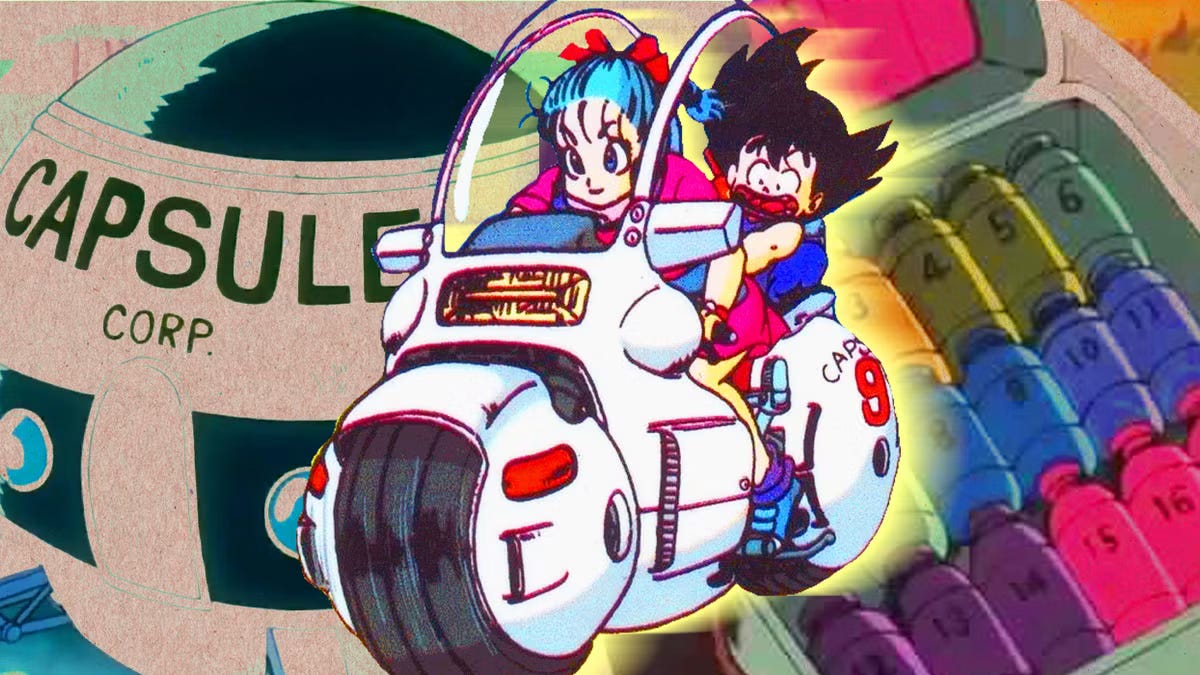
Take each Capsule Corp vehicle for instance. Every design feels carefully considered. Every machine feels functional. Every vehicle has personality. This wasn’t accidental. Toriyama was famously obsessed with mechanical design.
While other artists spent their time drawing dramatic heroes, Toriyama often seemed just as excited to sketch a motorcycle, a truck, or a bizarre flying machine. That passion helped create one of the most distinctive visual styles in manga history.
Even today, many Toriyama vehicles are instantly recognizable. Few artists could make a tiny capsule car feel as iconic as a Super Saiyan transformation. Toriyama somehow managed both.
Then Bruce Lee Arrived
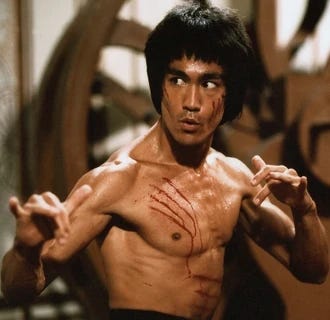
If there is one moment where the road to Dragon Ball becomes easier to see, it might begin with martial arts cinema. Specifically, with Bruce Lee.
During the 1970s, Bruce Lee became a global phenomenon. His films exploded in popularity around the world, including in Japan. For an entire generation, martial arts suddenly became cool in a way they had never been before.
- Fast.
- Dynamic.
- Athletic.
- Stylized.
The influence can be seen all throughout early Dragon Ball. In the World Martial Arts Tournament and in different training arcs. Rivalries, techniques, and physical growth through discipline; These ideas feel natural today because countless series have copied them. But Dragon Ball helped establish many of those conventions.
And Dragon Ball itself was heavily influenced by the martial arts craze that Bruce Lee helped ignite. Without that wave of enthusiasm, Dragon Ball might have remained a fantasy adventure. Instead, it became one of the greatest martial arts stories ever created.
Journey to the West
Finally, we arrive at the ingredient most fans eventually discover. The classic Chinese novel: Journey to the West.
Written centuries before manga existed, Journey to the West follows the adventures of the Monkey King, Sun Wukong. The similarities become obvious almost immediately.
- A magical staff.
- A flying cloud.
- A mischievous hero.
- A grand adventure.
Early Dragon Ball began as a loose reinterpretation of this legendary tale. But Toriyama never intended to simply retell the story. Instead, he blended it with everything else that fascinated him.
- Martial arts.
- Comedy.
- Technology.
- Science fiction.
- Adventure.
- Cars.
- Robots.
- Absurd humor.
The result wasn’t a copy of Journey to the West. It was something entirely new. Dragon Ball started as mythology and evolved into its own mythology.
The Perfect Moment
When people ask how Akira Toriyama created Dragon Ball, they’re usually looking for a secret. A formula. A moment of inspiration. But the truth is more complicated. Dragon Ball emerged from the intersection of countless influences.
Post-war Japan’s economic boom. The rise of manga. The arrival of television. The popularity of martial arts films. Ancient Chinese mythology. A creator obsessed with comedy and machines. None of those elements alone create Dragon Ball. Together, they do.
The story wasn’t inevitable. It required the right creator to encounter the right influences at the right time. Fortunately for fans around the world, that creator was Akira Toriyama.
Why It Matters
Today, nearly every major shōnen series carries traces of Dragon Ball’s DNA.
- The tournament arcs.
- The rivalries.
- The training.
- The transformations.
- The escalating battles.
Dragon Ball influenced generations of creators. But influence doesn’t begin at the top. Every creator stands on the shoulders of those who came before. Dragon Ball shaped the future. Yet Dragon Ball itself was shaped by the world around it.
That’s what makes Toriyama’s story so fascinating. Before there was Goku, there was a changing Japan. Before there was Dragon Ball, there was a generation discovering television, manga, martial arts, and science fiction. Before one of the greatest stories in anime history could exist, the world had to create the man who would tell it.
And in doing so, it created something that would inspire the entire world in return.
Ctrl+Binge Question
If you could remove one influence from Dragon Ball’s creation; Bruce Lee, Journey to the West, manga, or post-war Japan, which would create the most different version of Dragon Ball?