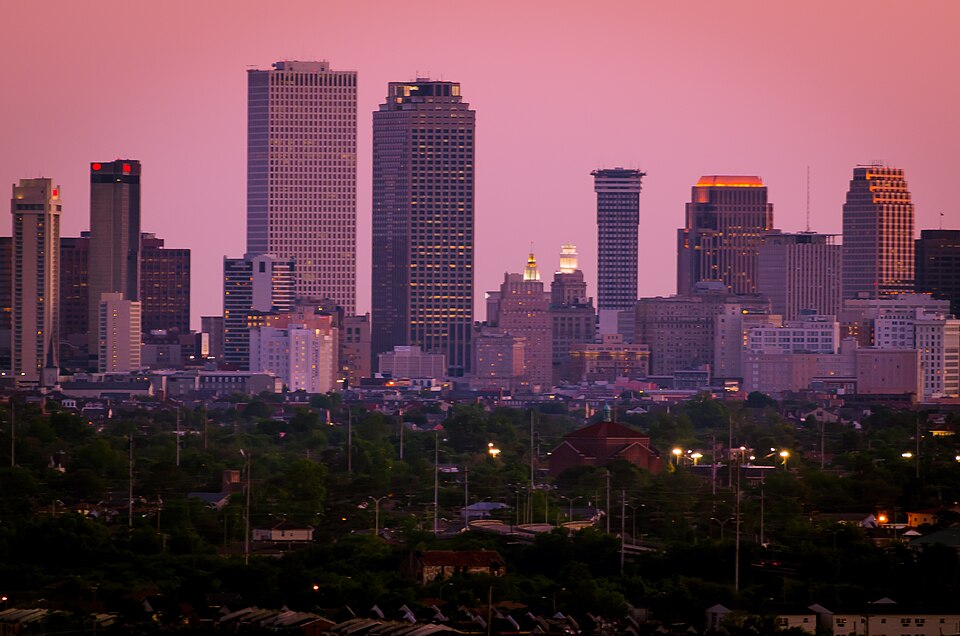
Everybody knows New Orleans. The ghosts. The voodoo. The cemeteries. The shadowy figures wandering the French Quarter after midnight.
The stories are everywhere. Ghost tours pack the streets. Haunted hotels advertise their resident spirits. Visitors arrive looking for chills and leave with stories of their own.
But here’s the strange thing: The ghosts aren’t the unbelievable part. The unbelievable part is that New Orleans exists at all. This is a city built in a swamp.
A city that has survived hurricanes, floods, fires, epidemics, pirates, wars, political upheaval, and more disasters than most places experience in several lifetimes.
It is a city where smugglers became heroes. Where a voodoo queen became a legend. Where the dead live above ground. Where every generation seems to add another layer to the story.
Ask someone what they know about New Orleans and you’ll probably hear the same handful of answers.
- Mardi Gras.
- Jazz.
- Voodoo.
- Ghosts.
Maybe vampires. Maybe haunted cemeteries. Maybe a story about a friend who took a ghost tour while visiting Louisiana. Over time, New Orleans has developed a reputation unlike any other city in America.
It’s often called the most haunted city in the country. And fairly, it has a strong case.
The French Quarter alone contains enough ghost stories to fill a library. Hotels advertise paranormal activity. Historic homes come with legends attached. Entire businesses have been built around telling spooky stories after dark.
But focusing only on the ghosts is like visiting the Grand Canyon and staring at a single rock. Because New Orleans isn’t just a haunted city. It’s a city where history, folklore, religion, culture, and tragedy have been mixing together for more than three centuries.
The ghost stories are merely the visible surface. The real story runs much deeper. And far stranger.
ORIGINS: A CITY THAT SHOULDN’T EXIST
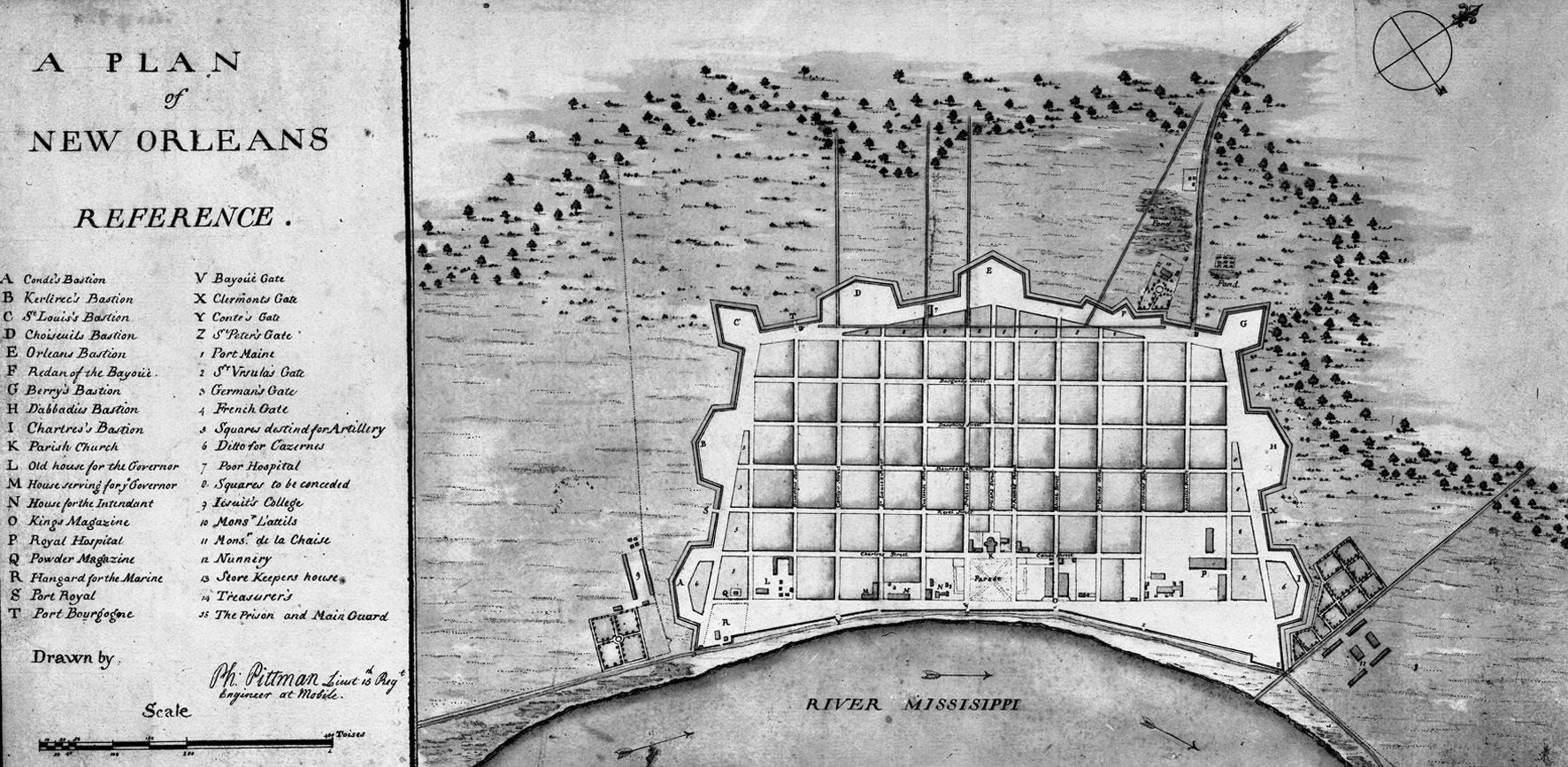
Most cities grow where nature makes life easier. New Orleans did the opposite.
Founded by the French in 1718, the city was built on a stretch of land squeezed between the Mississippi River and a vast expanse of swamps and wetlands.
Almost immediately, nature began reminding everyone why this was a terrible idea. Floods were common. Mosquitoes spread disease. Hurricanes threatened the settlement. The heat was relentless.
Ownership of the city bounced between France, Spain, and eventually the United States, each leaving behind pieces of culture that still define New Orleans today.
And somehow, despite every obstacle imaginable, the city survived.
More than survived. It flourished. That resilience became part of its identity. The people of New Orleans learned to adapt rather than retreat.
To celebrate despite hardship. To preserve traditions even when the world around them changed.
Many cities have history. New Orleans remembers its history. You can see it in the architecture. You can hear it in the music. You can feel it walking through streets that seem to exist in multiple centuries at once.
And that’s before the pirates arrive.
JEAN LAFITTE AND THE PIRATES
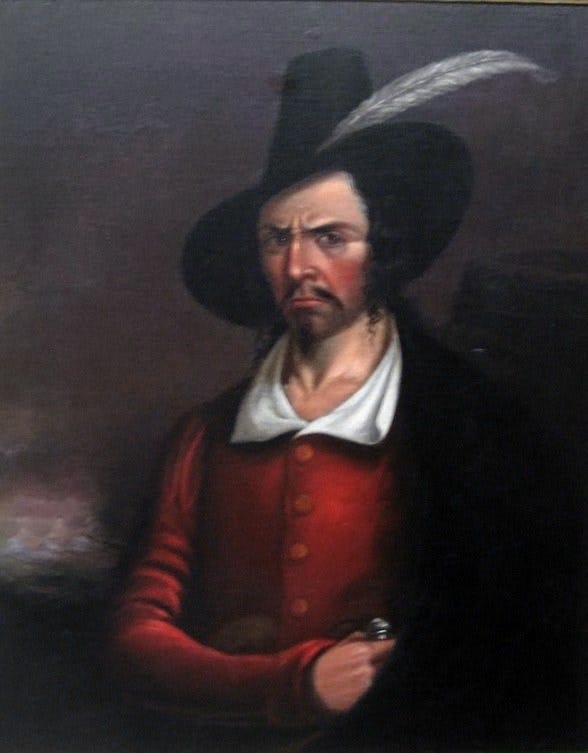
Every legendary city needs legendary characters. New Orleans had pirates. And no pirate looms larger than Jean Lafitte.
Depending on who tells the story, Lafitte was either a criminal mastermind, a patriot, a folk hero, or all three.
Operating out of the bayous south of New Orleans in the early 1800s, Lafitte built a smuggling empire that made him one of the most notorious men on the Gulf Coast.
Authorities wanted him arrested. Merchants wanted his goods. The public couldn’t stop talking about him. Then came the War of 1812.
When British forces threatened New Orleans, Lafitte made a remarkable decision. Instead of siding with the British, he offered support to American forces.
His men and supplies helped General Andrew Jackson defend the city during the Battle of New Orleans. Almost overnight, a pirate became a hero. Or at least a heroic pirate.
It’s the kind of story that feels too perfect to be true: An outlaw saving the city that tolerated him. A smuggler becoming a patriot.
History loves complexity. Folklore loves legends. Jean Lafitte somehow became both.
Even today, stories persist about hidden treasure, secret tunnels, and pirate gold waiting to be discovered somewhere along the Gulf Coast.
Whether any of it is true almost doesn’t matter anymore. Lafitte stopped being a historical figure a long time ago. He became part of the mythology of New Orleans.
MARIE LAVEAU AND THE MYTH MACHINE
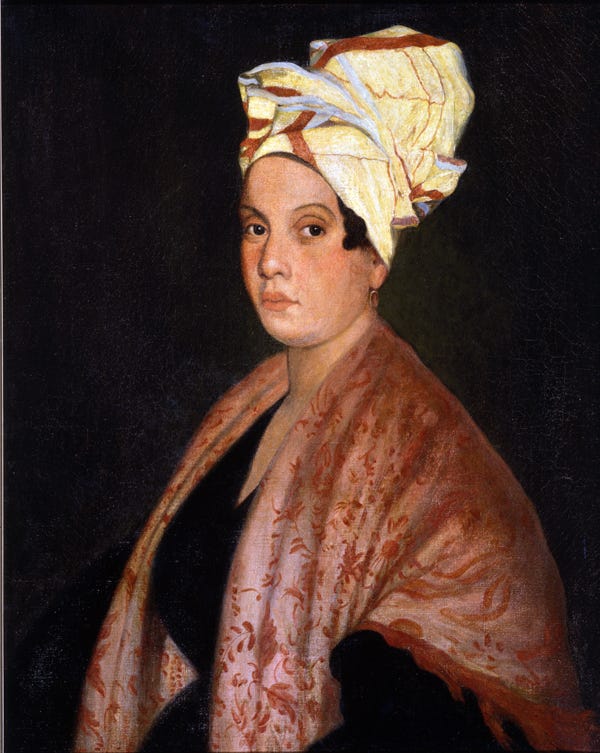
If Jean Lafitte became the city’s legendary pirate, Marie Laveau became its legendary queen.
Ask most people about Marie Laveau and they’ll tell you she was a voodoo priestess with supernatural powers. She was a mysterious woman capable of curses, spells, and miracles. The truth is both less magical and far more impressive.
Marie Laveau was one of the most influential women in nineteenth-century New Orleans. She worked as a hairdresser, healer, spiritual leader, and community figure.
She moved comfortably through social circles that many people of her time could never access. She provided guidance. She offered support. She built relationships that gave her tremendous influence.
In other words, she became powerful. And history has a funny habit of turning powerful people into legends. Especially women.
Over time, stories grew around her. The tales became larger. Stranger. More supernatural. Visitors came looking for the Voodoo Queen. Writers exaggerated her abilities. Rumors became folklore. Folklore became myth.
Today, Marie Laveau occupies a fascinating space between history and legend. The real woman was remarkable. The legendary version became immortal. And that’s exactly how folklore works. Not by replacing reality. But by building upon it.
THE CITY OF THE DEAD
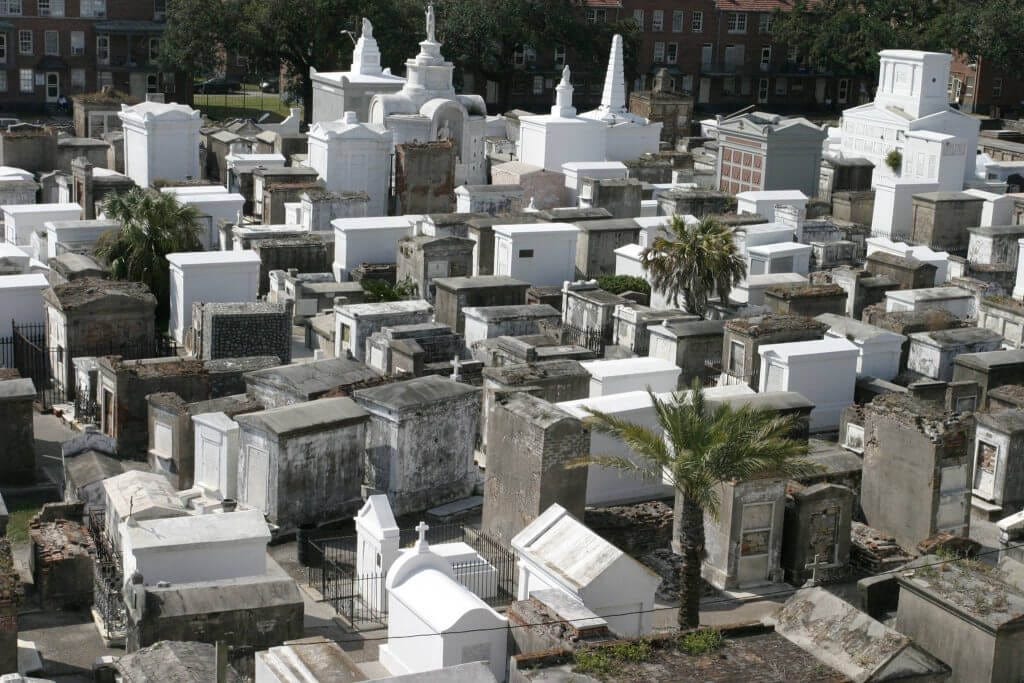
If you’ve ever seen photographs of New Orleans cemeteries, you’ve probably noticed something unusual; the dead aren’t buried underground. They’re buried above it.
At first glance, it looks eerie. Rows of stone tombs. Narrow pathways. Entire neighborhoods of the dead. The reality is surprisingly practical.
The water table in New Orleans sits so high that traditional graves often created problems. Buried coffins could shift or even rise during flooding. So, the city adapted, as they always seem to do.
The solution was above-ground tombs.
- Functional.
- Necessary.
- And accidentally haunting.
The result is one of the most recognizable cemetery landscapes in the world. A practical engineering solution transformed into gothic architecture. Once again, New Orleans found a way to turn necessity into legend.
THE WEIRD STUFF
Of course, no discussion of New Orleans would be complete without the stories. And there are a lot of stories.
Stories about phantom jazz musicians playing long after midnight.
Stories about ghostly nuns walking old convent halls.
Stories about haunted mansions and cursed properties.
Stories about vampires lurking in the French Quarter.
Stories about spirits that refuse to leave.
Whether you believe any of them is beside the point. Because the stories reveal something important. New Orleans doesn’t separate history from folklore the way many places do. The two coexist.
The city treats its legends almost like neighbors. Everyone knows the stories. Everyone has a favorite. And everyone seems willing to add another chapter.
POP CULTURE TAKEOVER
At some point, New Orleans stopped being a setting. It became a character. A character you can see just about everywhere.
The city helped define the atmosphere of vampire fiction through works like Interview with the Vampire. It became a central location for supernatural television. Films, novels, video games, and documentaries return to New Orleans again and again. Because visually and culturally, there is nowhere else quite like it.
Even family-friendly stories like The Princess and the Frog rely heavily on the city’s unique identity.
- The streets.
- The music.
- The food.
- The folklore.
New Orleans isn’t simply where stories happen. It’s a place that feels like a story itself.
WHY WE KEEP TELLING THIS STORY
Most cities preserve their history. New Orleans performs it. Their past isn’t hidden behind museum glass. It’s woven into everyday life. It’s in the architecture.
The food.
The music.
The celebrations.
The legends.
The cemeteries.
The stories told from one generation to the next. That’s why New Orleans fascinates people. Not because it’s haunted. Because it feels alive.
The city has experienced triumph and tragedy in equal measure. And rather than bury those memories, it embraces them. Maybe that’s why the ghost stories endure. Ghosts are ultimately stories about the past refusing to disappear. And few places in America feel as connected to their past as New Orleans.
CTRL+BINGE CONNECTION
If Salem feels like a horror movie and Roswell feels like science fiction, New Orleans feels like an RPG hub city.
Every street contains lore. Every building has a backstory. Every local seems to know a story that sounds impossible until someone else confirms it.
It’s the kind of place that feels handcrafted by a worldbuilder. The sort of setting writers spend entire careers trying to invent.
The funny thing is they don’t have to. New Orleans already exists. And somehow reality ended up being stranger than fiction.
Maybe New Orleans is America’s most haunted city. Maybe it isn’t. Maybe it’s America’s most remembered city. A place where history became folklore. Where folklore became identity. And where every generation adds another story to the collection.
The ghosts may draw people in. But they’re rarely the reason people stay fascinated.
THE QUESTION THAT LINGERS
What creates a ghost story? The spirits that remain…or the history that people refuse to forget?