A crying teenager.
A talking cat.
A magic brooch.
And somehow…
One of the most important anime ever made. (And absolutely one of my favorites.)
At first glance, Sailor Moon looks almost impossible to take seriously.
The heroine is clumsy. She complains constantly. She oversleeps. She cries. A lot.
Then she transforms into a sailor-uniform-wearing superhero and fights monsters sent by ancient cosmic evil.
It sounds ridiculous.
It sounds like something that should have remained a niche curiosity from the 1990s.
Instead?
Sailor Moon became a global phenomenon.
For millions of fans, it was their first anime.
For millions more, it was proof that action stories didn’t need to look like Dragon Ball Z to be powerful.
And for an entire generation of viewers, Sailor Moon quietly changed what heroes could look like.
At first glance, this looks like a magical girl adventure.
But that’s only the beginning.
If you’ve never watched Sailor Moon before, here’s the simple version.
Usagi Tsukino is an ordinary middle school student.
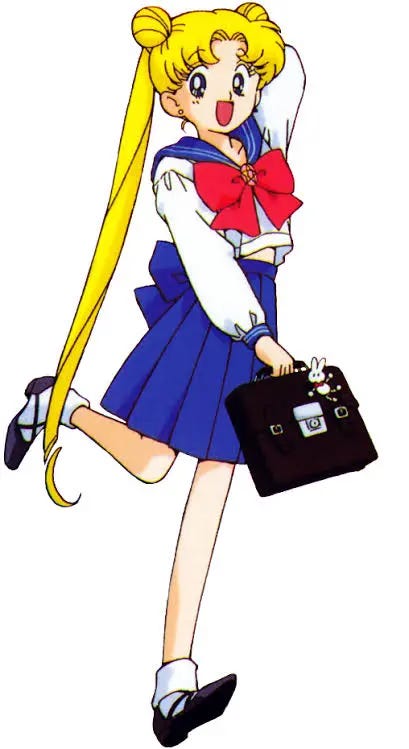
She’s bad at school.
She’s lazy.
She’s emotional.
And she’s about as far away from a traditional hero as possible.
Then she meets a mysterious talking cat named Luna, who reveals that she’s actually Sailor Moon, a reincarnated guardian destined to protect Earth from supernatural threats.
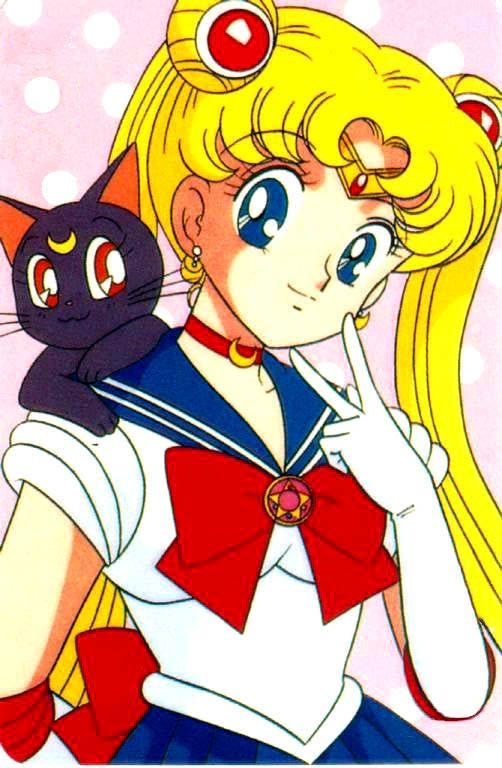
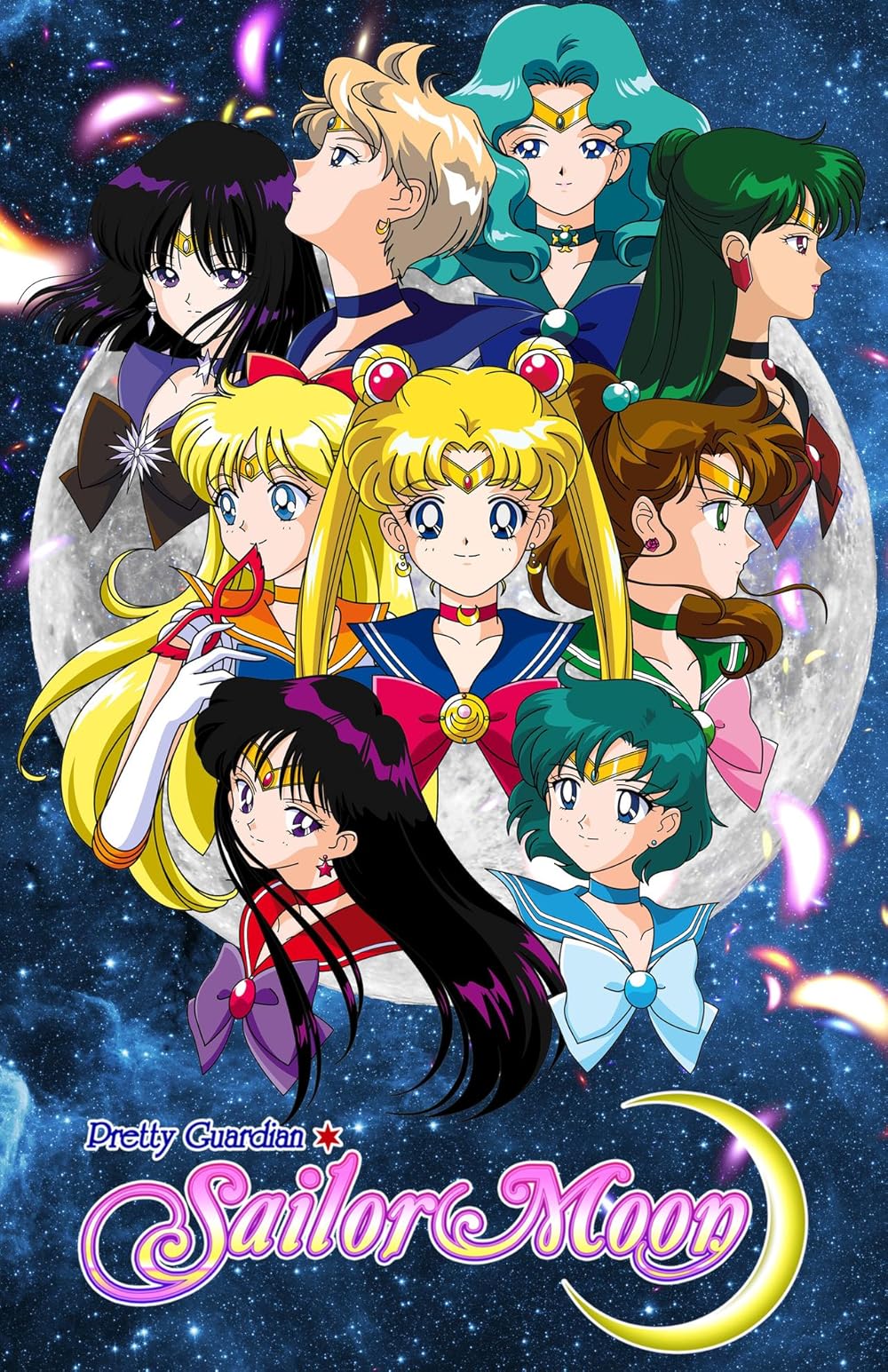
Soon she begins assembling a team of fellow Sailor Guardians:
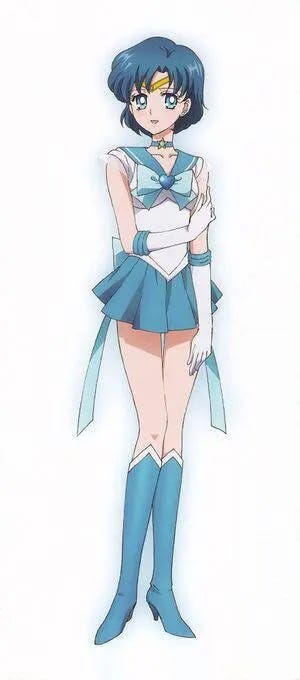
Sailor Mercury
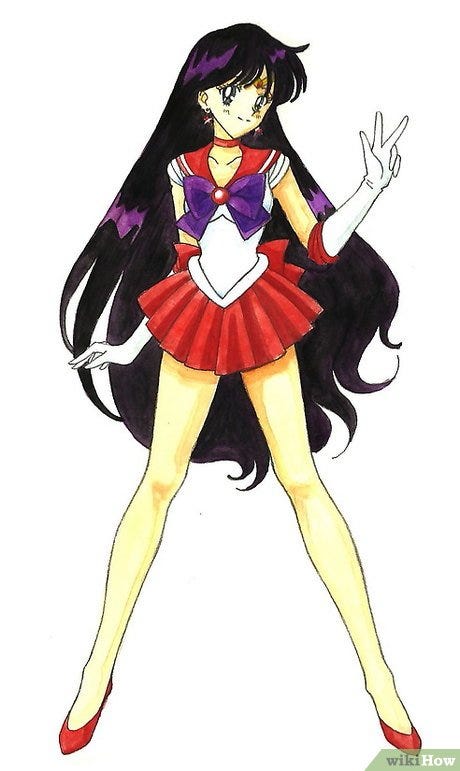
Sailor Mars
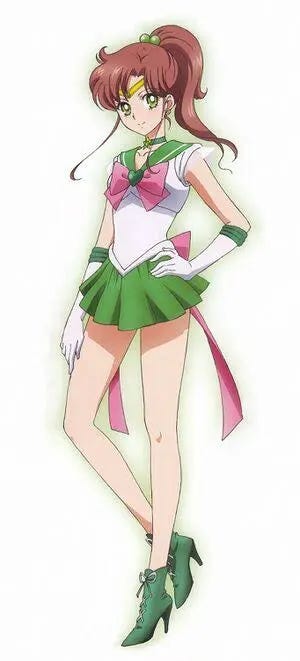
Sailor Jupiter
Sailor Venus
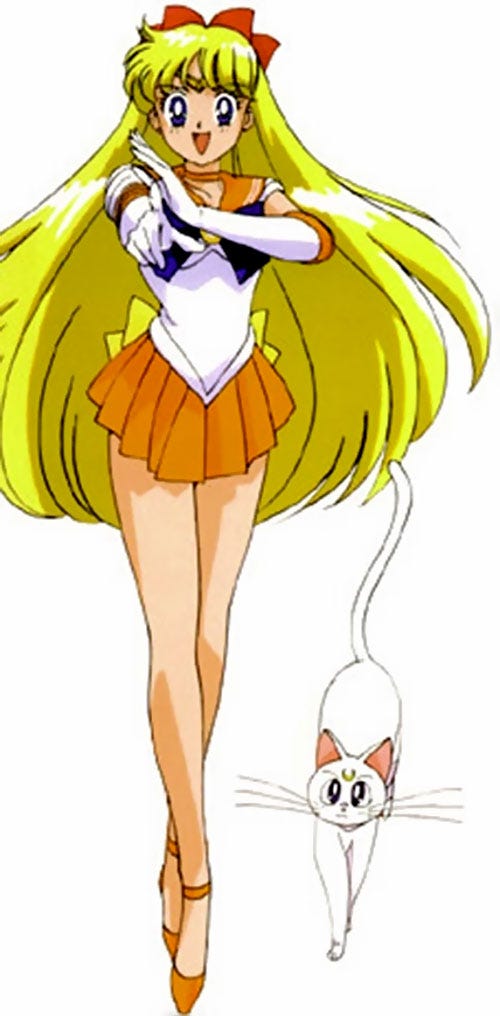
Together they battle monsters, uncover the secrets of their past lives, and slowly unravel a conflict that stretches across centuries.
The setting begins in modern-day Tokyo but quickly expands into a larger mythology involving ancient kingdoms, cosmic destiny, and reincarnated warriors.
The hook?
It’s a superhero story where friendship matters as much as fighting.
A fantasy story where emotions are a strength.
And a coming-of-age story disguised as a magical girl anime.
Most people think Sailor Moon is just a magical girl show.
Transformations.
Sparkles.
Romance.
Monster-of-the-week battles.
A lot of pink.
A lot of speeches about love and friendship.
And to be fair?
That’s part of its identity.
The transformation sequences are iconic.
The romance between Usagi and Mamoru is legendary.
The aesthetics practically defined an entire era of anime.
For many casual viewers, Sailor Moon exists as a cultural image more than a story.
Moon Tiara Action.
The sailor uniforms.
The poses.
The music.
The memes.
And if you grew up in North America during the 1990s or early 2000s, there’s a good chance you encountered Sailor Moon alongside Dragon Ball Z, Pokémon, Ronin Warriors, or Gundam Wing.
It was simply part of the anime ecosystem.
A gateway.
An entry point.
Something many people watched before they even understood what anime was.
That’s the version most people remember.
But that’s not why it became a phenomenon.
And it’s not why people still love it three decades later.
The real story lives somewhere deeper.
CHARACTERS
Usagi Tsukino
Usagi is one of anime’s most important protagonists because she’s allowed to be human.
She’s not naturally gifted.
She’s not a genius.
She’s not the strongest person in the room.
In fact, early on she’s often the weakest.
What makes her compelling is her growth.
She becomes brave because she has to.
She becomes a leader because people need her.
And she becomes powerful without losing the parts of herself that made her relatable.
That’s rare.
Especially in action-oriented stories.
Supporting Cast
The Sailor Guardians are one of anime’s great ensemble casts.
Each member brings something unique.
Ami (Sailor Mercury) represents intelligence.
Rei (Mars) represents conviction.
Makoto (Jupiter) brings strength and compassion.
Minako (Venus) embodies confidence and ambition.
The team works because they feel like actual friends.
Not archetypes.
Friends.
Their chemistry gives the series emotional weight long before the major story arcs arrive.
Villains
Sailor Moon’s villains range from delightfully theatrical to genuinely unsettling.
Queen Beryl.
The Dark Kingdom.
The Black Moon Clan.
Mistress 9.
Galaxia.
What makes many of them memorable isn’t raw power.
It’s tragedy.
Many villains reflect the same themes as the heroes:
loneliness,
isolation,
loss,
identity.
The line between hero and villain often feels thinner than you’d expect.
WORLDBUILDING
One of Sailor Moon’s greatest strengths is how naturally it expands its world.
The story begins with school life.
Homework.
Friends.
Arcade visits.
Normal teenager problems.
Then slowly it reveals a much larger universe.
Ancient civilizations.
The Silver Millennium.
Reincarnated guardians.
Cosmic kingdoms.
Interplanetary threats.
What makes this work is scale.
The mythology never completely overwhelms the characters.
The world exists to support emotional storytelling.
Not replace it.
There’s also a fascinating blend of influences.
Western astronomy.
Greek and Roman mythology.
Japanese culture.
Fairy tale symbolism.
Superhero traditions.
All woven together into something uniquely Sailor Moon.
The result feels timeless.
Even when the details get wonderfully weird.
ACTION / POWER SYSTEM
Let’s be honest.
Nobody comes to Sailor Moon expecting Hunter x Hunter levels of combat strategy.
And that’s okay.
Because the fights serve a different purpose.
The transformation sequences aren’t just visual spectacle.
They’re declarations of identity.
Every transformation is a reminder of who these characters are becoming.
The attacks themselves are iconic.
Moon Tiara Action.
Fire Soul.
Supreme Thunder.
Venus Love-Me Chain.
Fans still remember them decades later.
The action evolves significantly as the series progresses.
The stakes get larger.
The enemies become more dangerous.
The powers grow stronger.
But the emotional stakes always matter more than the physical ones.
The best battles aren’t won because someone gets stronger.
They’re won because someone refuses to give up.
That’s pure Sailor Moon.
EMOTIONAL CORE
This story is really about growing up.
Not fighting evil.
Growing up.
Every major character faces a version of the same question:
Who am I becoming?
Usagi struggles with responsibility.
Ami struggles with expectations.
Makoto struggles with belonging.
Rei struggles with independence.
Minako struggles with purpose.
The monsters are often secondary.
The emotional journeys are not.
There’s also a recurring theme of chosen family.
These girls aren’t connected by blood.
They’re connected by trust.
By loyalty.
By shared hardship.
For many viewers, that’s what makes the series endure.
And then there’s love.
Not just romance.
Love as compassion.
Love as sacrifice.
Love as hope.
Sailor Moon repeatedly argues that empathy is strength.
Not weakness.
That idea remains surprisingly powerful today.
STYLE / PRESENTATION
Visually, Sailor Moon is iconic.
The character designs remain instantly recognizable decades later.
The uniforms.
The transformations.
The color palettes.
The silhouettes.
Everything feels deliberate.
The original anime occasionally shows its age through reused animation and pacing issues.
But the atmosphere remains incredible.
The soundtrack deserves special praise.
Many of the series’ emotional moments are elevated by music that feels simultaneously whimsical and heartbreaking.
The voice acting—especially in later adaptations—helps sell both the comedy and drama.
Most importantly?
The show has personality.
Lots of it.
You never confuse Sailor Moon with anything else.
LET’S BE FAIR
Sailor Moon isn’t perfect.
The original anime can be repetitive.
Monster-of-the-week structures sometimes drag.
Certain filler episodes feel unnecessary.
Some story arcs take longer to develop than modern viewers may prefer.
The animation quality fluctuates.
And newcomers accustomed to faster pacing may struggle with the early episodes.
The original dub also made significant changes during localization. (Usagi becoming “Serena”)
Some worked.
Some definitely didn’t.
But here’s the thing:
Most of these issues are products of the era.
They don’t erase the strengths.
They simply remind us of when the show was made.
WHO IS THIS FOR?
This is for people who love:
✔ Found family
✔ Strong female protagonists
✔ Coming-of-age stories
✔ Superhero teams
✔ Romance mixed with action
✔ Anime history
✔ Character-driven storytelling
✔ Classic anime nostalgia
This may NOT be for you if:
✖ Slow pacing frustrates you
✖ Monster-of-the-week formats aren’t your thing
✖ You need constant action
✖ Older animation styles are a dealbreaker
WHY IT MATTERS
Sailor Moon matters because it changed anime.
Full stop.
It helped define the magical girl genre for generations.
It influenced countless creators.
It inspired future anime, manga, games, and even Western animation.
But perhaps its greatest achievement is simpler.
It expanded the audience.
Dragon Ball Z proved anime could be exciting.
Pokémon proved anime could be universal.
Sailor Moon proved anime could be emotional.
For countless fans, especially young girls, it provided heroes who looked like them.
Heroes who cried.
Heroes who struggled.
Heroes who saved the world anyway.
And for many Western viewers, it served as one of the earliest gateways into anime culture.
Its influence is everywhere.
Whether people realize it or not.
CTRL+BINGE FINAL TAKE
Sailor Moon isn’t one of anime’s most important series because it’s flawless.
It’s one of anime’s most important series because it changed the conversation.
It proved that strength could look different.
That heroes didn’t need to fit a single mold.
That friendship and compassion could carry as much dramatic weight as any punch or power-up.
Thirty years later, those lessons still resonate.
And honestly?
That’s moon-powered magic worth respecting.
QUESTION
When people talk about anime’s Mount Rushmore, Dragon Ball Z and Pokémon almost always make the list.
Does Sailor Moon belong there too? I personally believe it does.
Or is there another gateway anime that deserves more credit for bringing anime to the world?
FAQ
Is Sailor Moon beginner-friendly?
Absolutely. It’s one of the most accessible anime ever made and remains a fantastic entry point for new viewers.
Should I watch the anime or read the manga first?
Both are worthwhile. The manga moves faster, while the anime spends more time developing the cast and relationships.
How long is Sailor Moon?
The original anime runs 200 episodes across five seasons, while the manga is significantly shorter and more streamlined.
If I like Sailor Moon, what should I watch next?
Try Cardcaptor Sakura, Magic Knight Rayearth, or Pretty Cure for more magical girl adventures with lasting influence.
Related Ctrl+Binge Reads
If you liked this article, check out the following,
- Manga Monday: Shonen — Why Battle Anime Became a Global Phenomenon
- Manga Monday: Shojo — More Than Just Romance
- Ctrl+Binge Review: Ronin Warriors — Before We Knew What Anime Was, We Had Armor!