If you’ve heard of the Indianapolis 500, you probably know three things:
Fast cars.
Big crashes.
And a whole lot of left turns.
And honestly?
That’s not wrong.
But it’s also kind of like describing the Super Bowl as “a football game with commercials.”
Technically true.
Wildly incomplete.
Because the Indianapolis 500—better known simply as the Indy 500—is one of the most iconic sporting events in the world. It’s part engineering showcase, part endurance battle, part American holiday tradition.
And if you’ve never really understood what the big deal is?
Let’s fix that.
So… What Is the Indianapolis 500?
At its simplest:
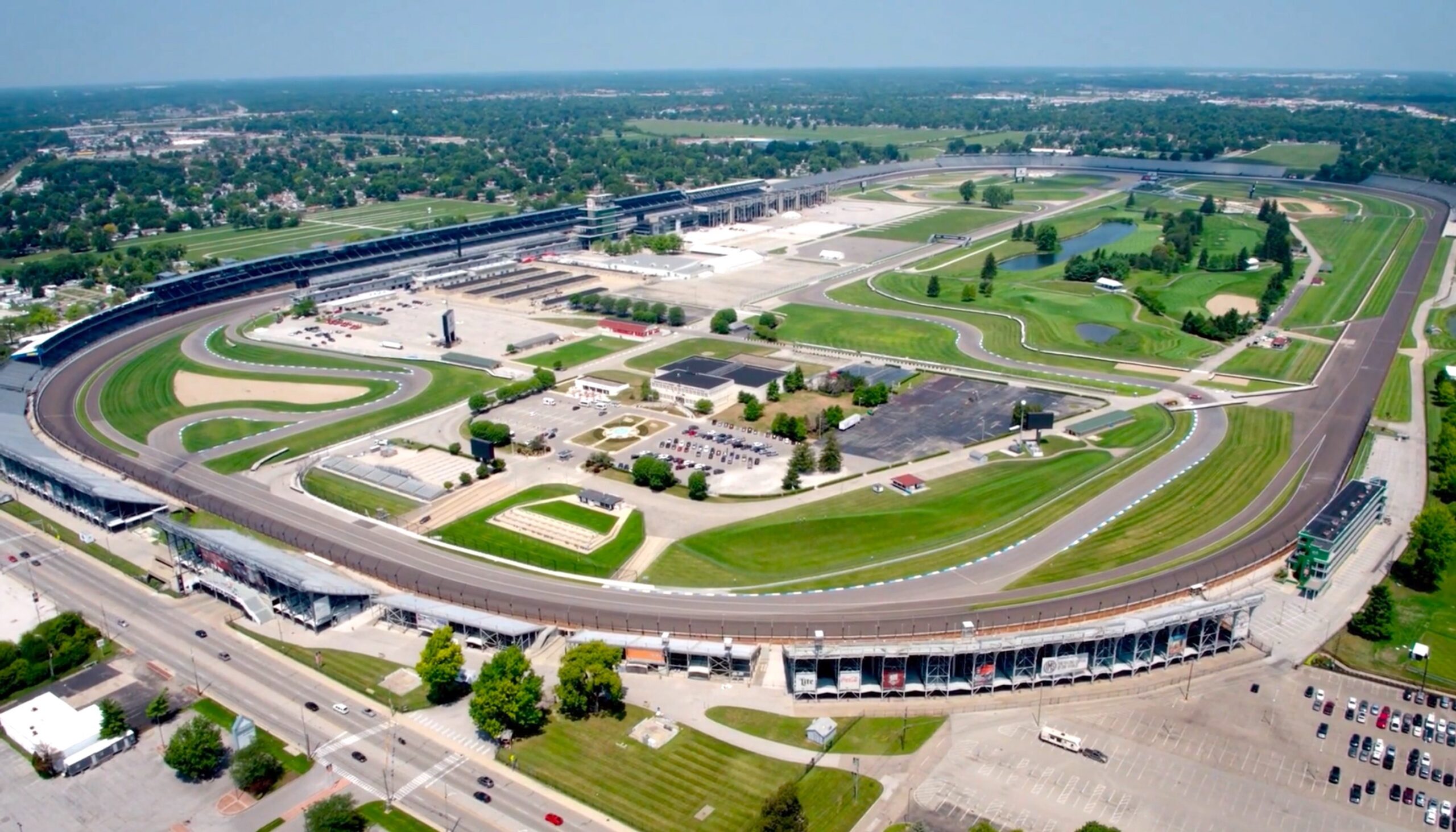
The Indianapolis 500 is a 500-mile auto race held every year at the Indianapolis Motor Speedway in Indiana.
That means drivers complete:
200 laps around a 2.5-mile oval track.
First one to finish?
Wins.
Simple enough.
Except the simplicity is deceptive.
These cars routinely hit speeds over 230 mph.
That’s not “fast for a race.”
That’s “your brain has trouble processing what you’re seeing” fast.
And unlike NASCAR, where contact and pack racing are part of the spectacle, IndyCar racing is much more precision driven. Tiny mistakes at those speeds can end your day instantly.
This isn’t bumper cars.
This is threading a missile through traffic.
Why Is It Called “The Greatest Spectacle in Racing”?
Because it kind of earned that title.
The first Indy 500 was held in 1911, making it one of the oldest major sporting events in America.
That alone gives it historical weight.
But what makes it special is scale.
The Indianapolis Motor Speedway is massive.
Like… absurdly massive.
It can hold over 300,000 spectators, making it one of the largest sporting venues on Earth.
For comparison:
That’s bigger than most NFL stadiums.
Combined.
For decades, attending the Indy 500 became a Memorial Day weekend ritual for generations of American families.
It isn’t just a race.
It’s a cultural event.
How Did It Start?
In the early 1900s, automobiles were still relatively new.
Manufacturers needed a way to prove reliability, speed, and engineering quality.
So, racetracks became testing grounds.
The Indianapolis Motor Speedway opened in 1909—not initially for the Indy 500 specifically, but as a proving ground for automotive innovation.
The first races?
A disaster.
The original crushed stone and tar surface caused horrific crashes.
So, the track was repaved with 3.2 million bricks, earning its famous nickname:
The Brickyard.
And yes—drivers still kiss the bricks today.
Because sports love weird traditions.
How Fast Are These Cars?
Very.
Modern IndyCars can exceed 230 mph in qualifying.
Race speeds are lower because of traffic, fuel strategy, tire wear, and survival instincts.
But still:
Imagine driving faster than a commercial airplane during takeoff… inches from another car.
For hours.
That’s the Indy 500.
Strategy Matters More Than You Think
This isn’t just “drive fast and hope.”
Teams manage:
- Fuel consumption
- Tire degradation
- Pit stop timing
- Drafting strategy
- Traffic management
- Crash avoidance
A driver can lead for hours and lose everything because of one poorly timed caution flag.
The race is chess.
Played at 220 mph.
The Legends
Some names are inseparable from the race:
A.J. Foyt
The first four-time winner.
Tough. Fearless. Old-school racing royalty.
Rick Mears
Another four-time champion.
One of the greatest qualifiers in history.
Clinical.
Precise.
Deadly fast.
Al Unser Sr.
Also, a four-time winner.
Because apparently winning this race four times is the unofficial “god tier.”
Helio Castroneves
Modern fans know him best.
Also, a four-time winner.
Famous for climbing the catch fence Spider-Man style after victories.
Absolute showman.
The Greatest Indy 500 Driver Ever?
That’s a bar fight waiting to happen.
But the shortlist includes:
- A.J. Foyt
- Rick Mears
- Al Unser Sr.
- Helio Castroneves
If you want pure legend?
Most traditionalists lean Foyt.
The Traditions (This Is Where It Gets Weird)
This is where the Indy 500 becomes uniquely itself.
“Back Home Again in Indiana”
Before the race, the song is performed.
It’s basically sacred.

Milk.
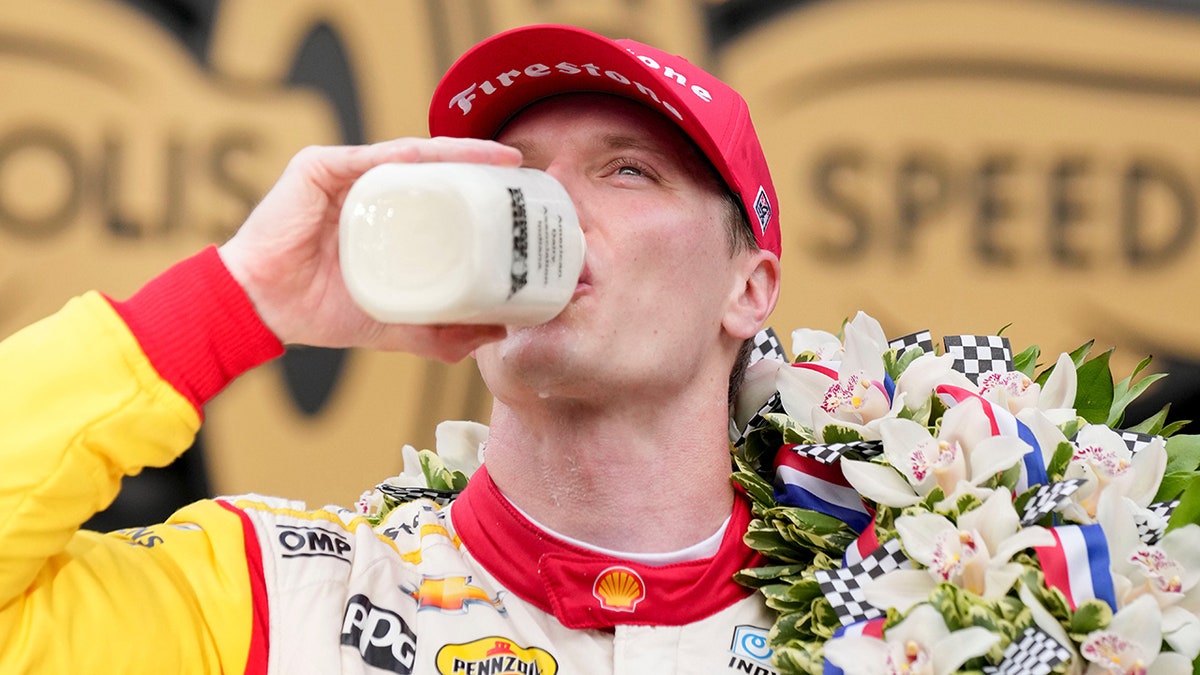
Yes. Milk.
Winners drink milk in Victory Lane.
Why?
Because a winner requested buttermilk in 1936.
It stuck.
Sports are amazing.
Kissing the Bricks
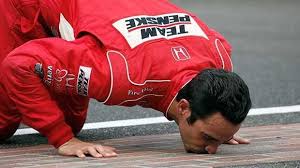
Modern winners kiss the track’s remaining bricks.
Again: Because traditions don’t need to make perfect sense.
They just need history.
Biggest Records
Most Wins
Four legends tied with 4 wins each:
- A.J. Foyt
- Al Unser Sr.
- Rick Mears
- Helio Castroneves
Youngest Winner
Troy Ruttman
Age 22
Oldest Winner
Al Unser Sr.
Age 47
Closest Finish
1992
Al Unser Jr. beat Scott Goodyear by:
0.043 seconds
Basically, a blink.
Why People Love It
Because the Indy 500 feels old in the best possible way.
It still carries ceremony.
Ritual.
Pageantry.
It reminds us when sporting events felt like national occasions.
And unlike many traditions?
This one still delivers.
Final Lap
The Indy 500 isn’t just cars turning left.
It’s history.
Engineering.
Survival.
Tradition.
And pure controlled chaos.
Which, honestly?
Sounds a lot like great sports in general.
Question for readers:
What sporting tradition feels bigger than the actual game for you?