You’re deep in the woods.
No lights. No roads. Just trees.
Then you hear it.
Not a howl. Not a scream.
Something in between.
And whatever made it…
is closer than it should be.
The Story Everyone Knows
If you’ve heard of the Ozark Howler, it usually sounds like this:
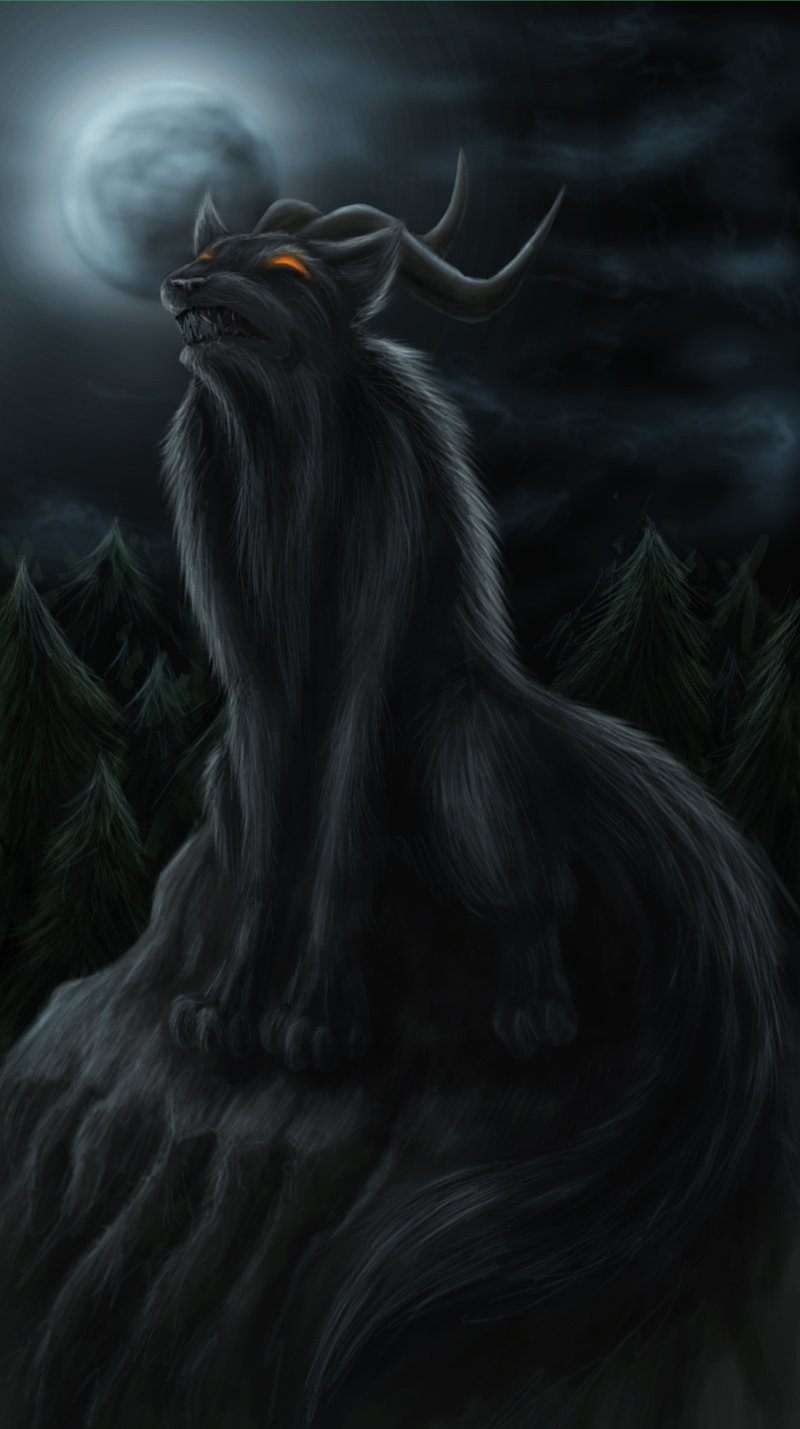
A large, black, cat/bear-like creature roaming the Ozark Mountains — especially in Arkansas and Missouri.
People describe it as:
- Bigger than a normal panther
- With glowing red eyes
- Horns or pointed ears
- A long tail
- And a howl that doesn’t sound like any known animal
It shows up at night.
It watches from the tree line.
And most people who hear it… don’t stick around to investigate.
It’s part Bigfoot, part hellhound, part mountain lion.
That’s the version most people know.
But that isn’t the whole story…
The Deep Dive
The Ozark Howler doesn’t have a single clean origin.
It’s not tied to one event, one sighting, or one story.
It’s a blended legend — built over time from multiple influences.
Part of it likely comes from early settler reports in the Ozarks, where unfamiliar wildlife and dense forests created the perfect environment for misidentification.
Black panthers — or what people called black panthers — were often reported in areas where they technically didn’t exist.
Add in low visibility, fear, and isolation…
And the stories start to grow.
Then there’s the folklore layer.
The Ozarks have deep ties to both European and Native American storytelling traditions.
Some versions of the Howler echo:
- Hellhound legends from Europe
- Spirit animals or omens from Indigenous folklore
- Warnings tied to the land itself
Over time, those ideas merge.
What starts as “something in the woods” becomes something with shape, behavior, and meaning.
And then there’s the sound.
The howl is the most consistent detail across stories.
People describe it as:
- A mix between a wolf howl and a human scream
- Too long. Too loud. Too wrong
- Something that carries through the hills at night
That matters.
Because sound is one of the easiest ways for fear to take over.
You don’t need to see the creature.
If you hear something you can’t explain…
your brain fills in the rest.
Why It Matters
The Ozark Howler isn’t just about a creature.
It’s about environment.
The Ozarks are:
- Dense
- Isolated
- Quiet in a way most people aren’t used to anymore
When you remove noise, light, and constant human presence…
Your imagination gets louder.
The Howler represents that shift.
That moment when you realize:
You’re not at the top of the food chain out here.
It also shows how regional identity shapes myth.
The Ozark Howler isn’t global.
It’s local.
It belongs to that terrain, those people, that atmosphere.
And that makes it feel more real.
The Modern Connection
The Ozark Howler fits perfectly into modern cryptid culture.
Same space as:
- Bigfoot
- The Rougarou
- Appalachian “Not Deer” stories
It shows up in:
- Reddit threads and internet folklore
- Paranormal shows and YouTube documentaries
- Horror games and indie storytelling
The difference?
The Howler hasn’t been overexposed.
It still feels like something you’d hear about from a friend… not a franchise.
So What Is the Ozark Howler?
A misidentified mountain lion?
A mix of folklore traditions?
A sound carried too far through the hills?
Or something we haven’t fully explained yet?
There’s no confirmed evidence.
No clear photograph.
No official classification.
Just stories.
And a sound people don’t forget.
Question for Readers
If you were alone in the Ozarks…
And you heard something howl that didn’t sound like anything you’ve ever heard before…
Would you assume:
- It’s just wildlife?
- Your mind playing tricks on you?
- Or something out there… that doesn’t want to be seen? ????