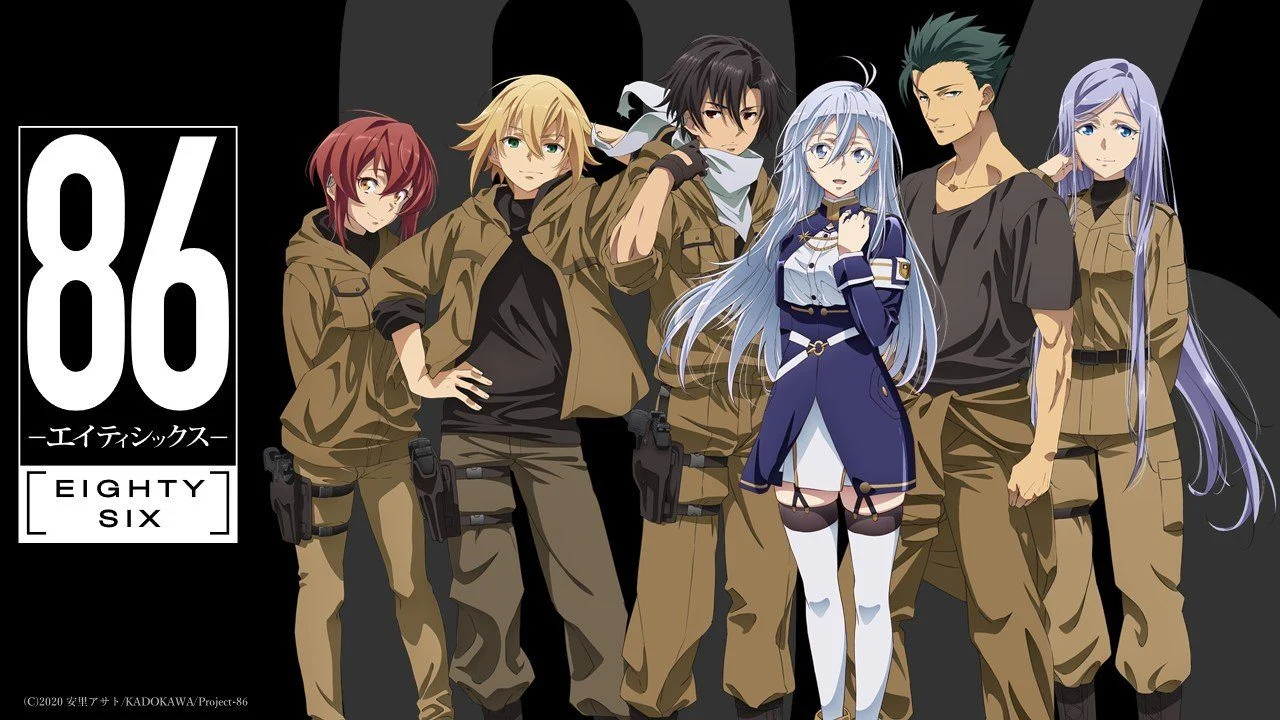
They don’t have graves. Most don’t even have bodies left to bury. Sometimes all that’s left is a name. A drawing. A piece of metal. And someone who remembers they existed. Welcome to Spearhead Squadron.
At first glance, 86—Eighty Six looks like another grim military science-fiction anime. Young soldiers pilot machines against an overwhelming mechanical army. Commanders issue orders from somewhere far away. Battles are fast, brutal, and increasingly desperate.
We’ve seen pieces of this story before. Except there’s one problem. According to the Republic of San Magnolia, none of these soldiers exist. Its war is supposedly being fought entirely by autonomous machines. No soldiers. No casualties. No grieving families.
A bloodless war. That’s the lie.
Because inside those machines are human beings the Republic has decided aren’t human enough to count. And among them is a group called Spearhead Squadron.
They’re supposed to fight. They’re supposed to die. And eventually… They’re supposed to disappear.
86 asks what happens when people marked for erasure decide that even if the world refuses to remember them… They will remember each other.
The Elevator Pitch
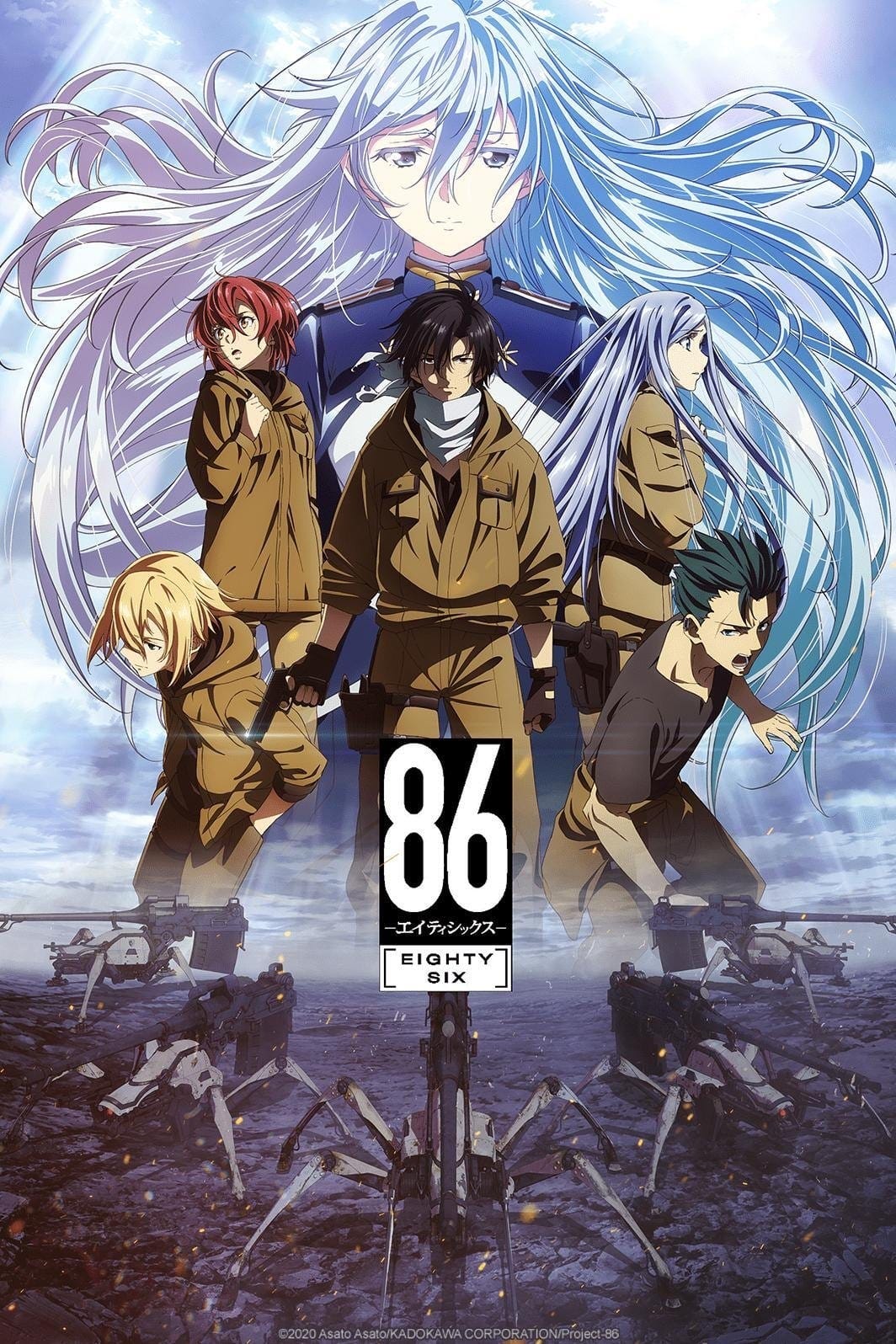
86—Eighty Six takes place during a war between the Republic of San Magnolia and the neighboring Giadian Empire’s seemingly endless army of autonomous machines known as the Legion.
The Republic proudly claims that its own autonomous Juggernauts fight the Legion without risking human lives. Except the Juggernauts aren’t autonomous.
They’re piloted by the Eighty-Six: people who have been stripped of citizenship, removed from society, and sent beyond the Republic’s walls to fight a war most citizens barely have to think about.
Among them is Spearhead Squadron, an elite unit made up of veteran survivors.
Their field commander is Shinei Nouzen or Shin, the quiet, frighteningly capable soldier known as Undertaker.
Far behind the battlefield is Vladilena Milizé. Lena. Handler One.
Unlike most Handlers, Lena genuinely believes the Eighty-Six are human beings deserving dignity and respect. But believing something and understanding it are two very different things.
Their relationship begins as voices separated by walls, distance, privilege, and experience. Slowly, those voices become people. And that’s where 86 becomes something special.
The Familiar Version
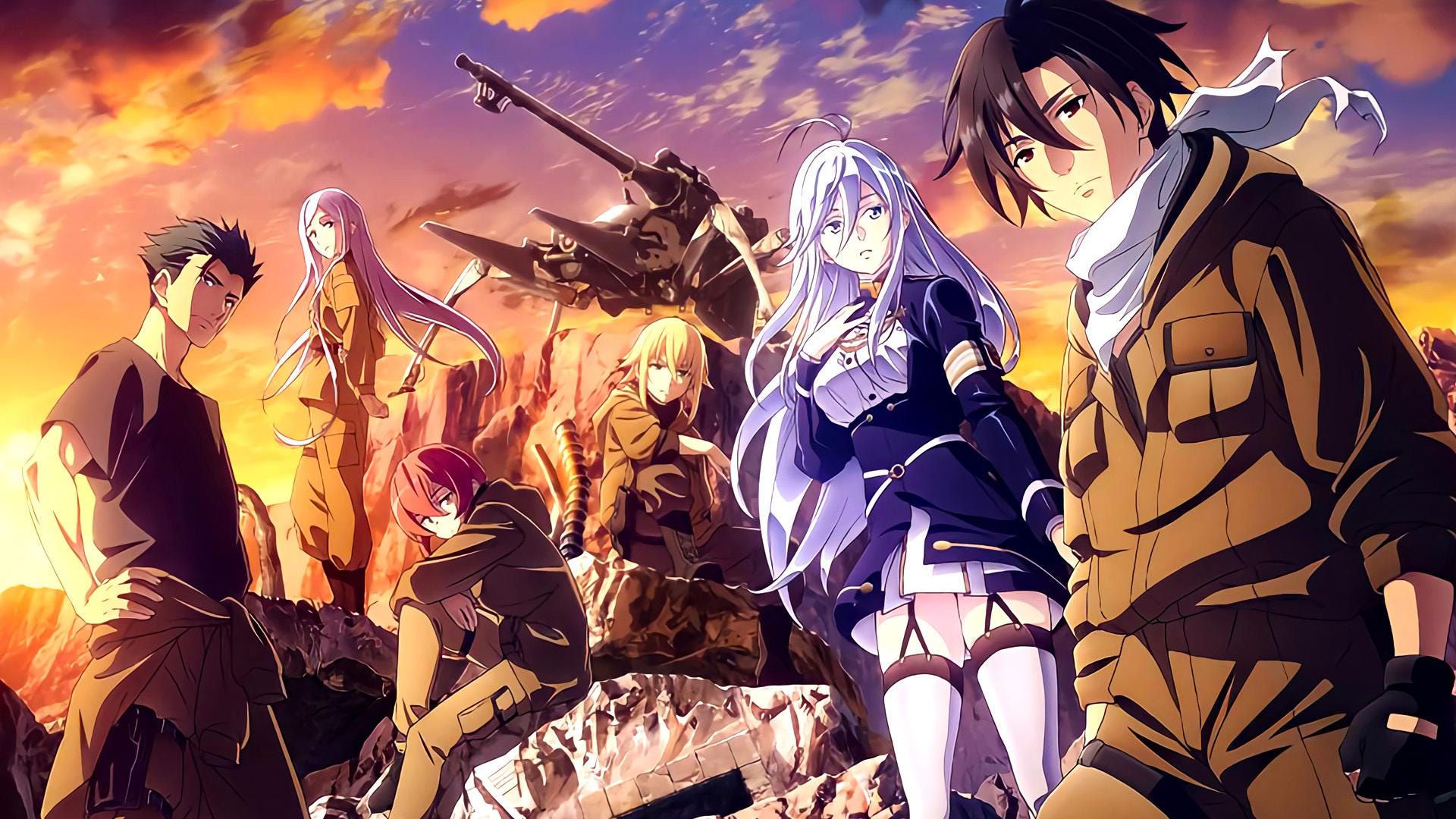
Most people look at 86 and see a mecha war anime. And they’re not wrong.
There are machines. There are enormous battles. There are military strategies, artillery strikes, desperate retreats, and seemingly impossible missions.
Shin is also exactly the kind of protagonist who looks designed for anime highlight reels.
- Quiet.
- Deadly.
- Mysterious.
Give him a Juggernaut and point him toward the Legion and things are probably about to get ugly.
But reducing 86 to “cool mecha fights” misses almost everything that makes it work. The machines aren’t really the point. Neither is the war. The war is simply the mechanism through which 86 asks its most uncomfortable questions.
- What happens when a government decides some lives matter less than others?
- What happens when ordinary citizens become comfortable with that arrangement?
- What happens when people are turned into statistics?
- And perhaps most importantly: What happens to the people who die when the society responsible for their deaths refuses to remember they ever lived?
That’s the real story.
86 isn’t really asking whether Spearhead Squadron will survive. It’s asking something harder. Can a life truly be erased if someone still remembers it?And suddenly everything changes.
The Characters
Shin — The Undertaker
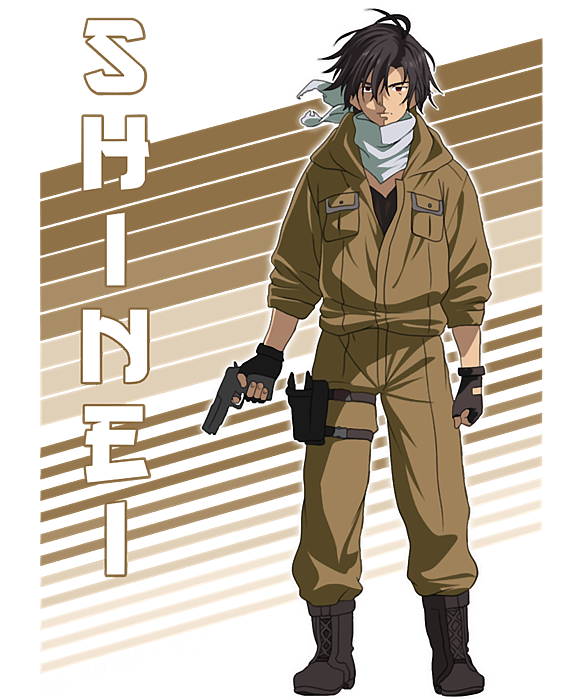
Shin initially looks like a familiar archetype.
The quiet battlefield prodigy. The emotionally distant soldier. The guy everybody knows is dangerous before he ever demonstrates why.
Then you learn what “Undertaker” actually means. And the character changes completely.
Shin has survived. Again. And again. And again. Long enough to watch an unimaginable number of people around him die. So, he carries them.
Their names. Their memories. Their final moments. Pieces of the people the Republic would otherwise allow to disappear.
That doesn’t make Shin emotionless. It makes him overloaded. There’s a difference.
He’s become the graveyard for people who were never supposed to receive graves.
Suddenly “Undertaker” isn’t a cool battlefield nickname. It’s a responsibility. Shin buries the people nobody else will.
Lena — Handler One
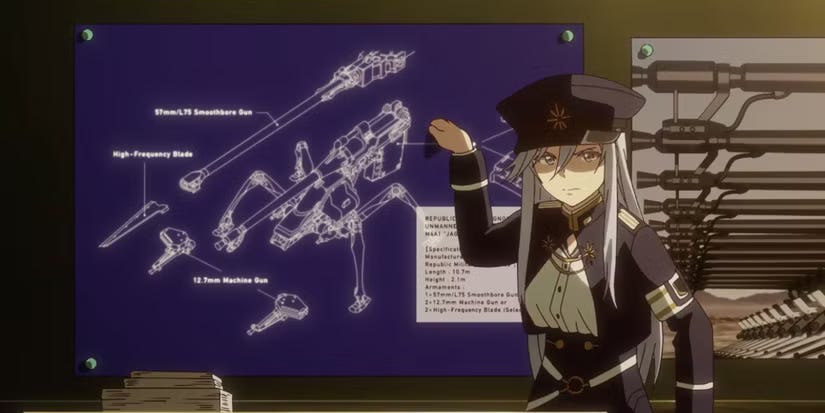
Lena may be the perfect character through whom to enter this world because she begins with good intentions.
She believes the Eighty-Six are people. She opposes the Republic’s treatment of them. She wants to help. And none of that means she understands them.
That’s important.
Spearhead forces Lena to confront the difference between sympathy and solidarity.
She can tell them she believes they’re human. Theo can remind her that she doesn’t even know their real names.
She can condemn the system. They can remind her that she still lives comfortably inside it.
That tension prevents Lena from becoming a simplistic “good person saves oppressed people” character.
She’s learning. Listening. Failing. Trying again.
And eventually, Spearhead stops being a military designation to her. They’re people she knows. People she worries about. People she refuses to forget.
Raiden, Theo, Anju, Kurena—and Spearhead
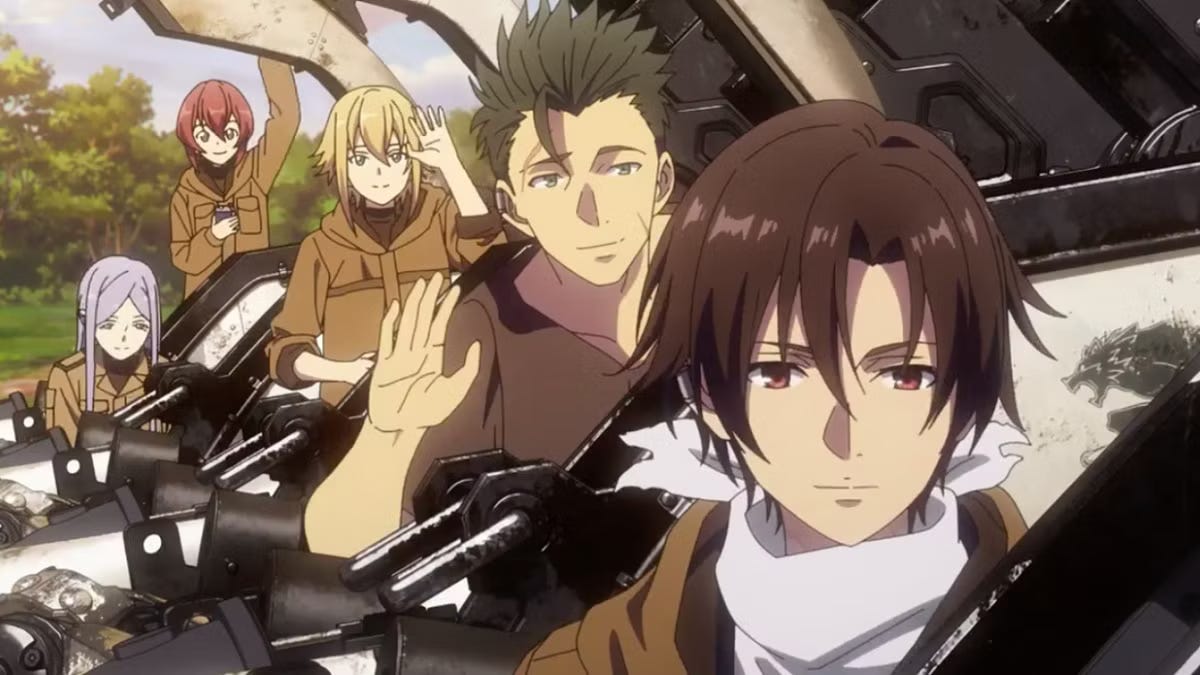
One of 86’s smartest decisions is making Spearhead feel like a unit instead of a collection of background characters waiting for Shin to do something cool.
Raiden is steady. Dependable. The kind of friend who understands Shin well enough to know when support is needed without turning it into a speech.
Theo is sharper. Angrier. Sometimes painfully honest. And sometimes Lena desperately needs to hear exactly what he has to say.
Anju carries enormous pain beneath remarkable composure.
Kurena still gets jealous, embarrassed, excited, and hopeful.
That’s important. These aren’t simply soldiers. They’re young people.
They joke. They argue. They tease each other. They fall in love. They draw stupid pictures. They have inside jokes. They dream about things beyond the battlefield. They should have been allowed to simply live.
That’s what makes Spearhead hurt. The series doesn’t ask us to mourn soldiers. It makes us care about people first. Then reminds us they’re soldiers because someone else decided they had to be.
Worldbuilding: The War With “No Casualties”
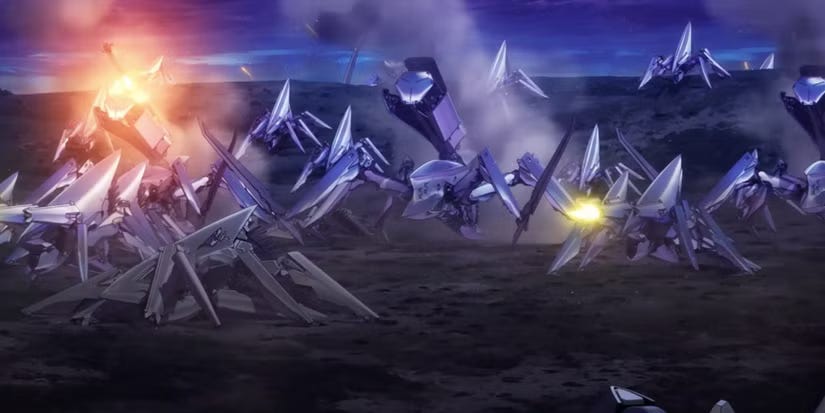
The Republic of San Magnolia has accomplished something extraordinary.
It has created a war without casualties. At least officially.
That’s one of the most horrifying ideas in 86. The Republic doesn’t merely exploit the Eighty-Six. It removes them from the language of society.
If they aren’t considered citizens, then soldiers aren’t dying. Machines are being destroyed.
If machines are being destroyed, there are no grieving families. No casualty lists. No uncomfortable questions.
War becomes something clean. Distant. Administrative.
And that lie allows ordinary people to continue living their lives behind the walls.
That’s what makes 86’s worldbuilding effective. The horror isn’t simply that evil people do evil things. It’s that systems can make cruelty feel normal.
Handlers issue commands from safety. Citizens hear reassuring reports. The war continues somewhere beyond the walls. Meanwhile, Spearhead dies one person at a time.
The Legion provides the obvious enemy. But the deeper threat is a society that has figured out how to stop seeing certain people altogether.
Action: Coffins With Legs
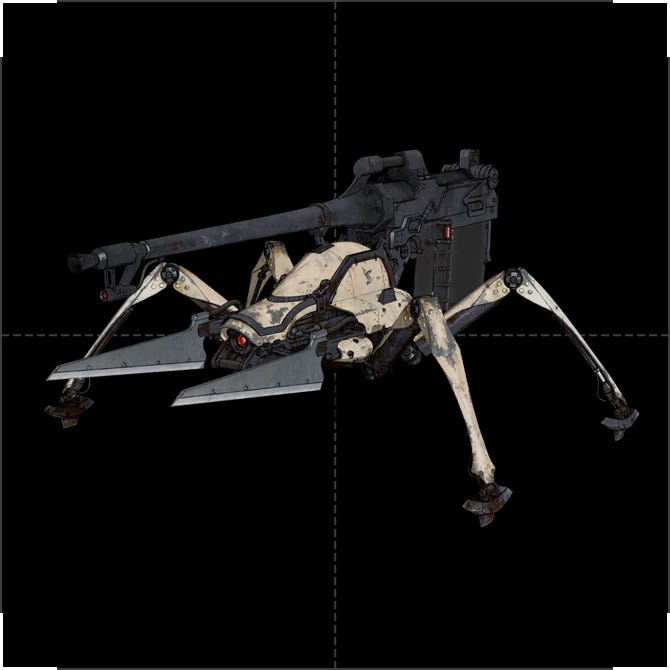
Let’s make something very clear. 86 is also cool as hell.
The Juggernauts scramble across battlefields like mechanical spiders. The Legion attack in overwhelming numbers. Artillery tears through landscapes. Units coordinate across enormous distances.
And Shin pilots his machine like someone who has absolutely no interest in respecting the manufacturer’s recommended operating procedures.
The action is fast. Tactical. Violent. But importantly, it rarely feels disconnected from the story.
The Juggernauts aren’t superhero robots. They’re practically coffins with legs.
Every battle carries the possibility that another voice will disappear from the Para-RAID.
Another seat will be empty. Another name will be added to Shin’s collection. That gives the action weight.
The Manga Monday question we always ask is whether the battles are simply spectacle or whether they’re storytelling. In 86, they’re storytelling.
Every fight changes the squad. Sometimes permanently.
The Emotional Core: Memory
This is where 86 becomes something much bigger than a war anime.
At its heart, 86 is about memory. The Republic can take away citizenship. It can take away freedom. It can take away names. It can remove people from official records. It can send them onto battlefields and pretend nobody died.
But there’s one thing it cannot completely control. Memory.
Spearhead remembers each other. Shin remembers the dead. Fido remembers. Those little drawings remember. And eventually… Lena remembers.
That’s the rebellion hidden beneath the battles. The Republic wants the Eighty-Six to disappear without leaving anything behind.
Spearhead refuses. Sometimes resistance looks like surviving another battle. Sometimes it looks like carrying someone’s name. Sometimes it’s a ridiculous drawing left behind by someone who made you laugh.
Sometimes it’s simply saying: They were here.
If someone remembers you, the system failed to erase you.
When Handler One Finally Has a Face
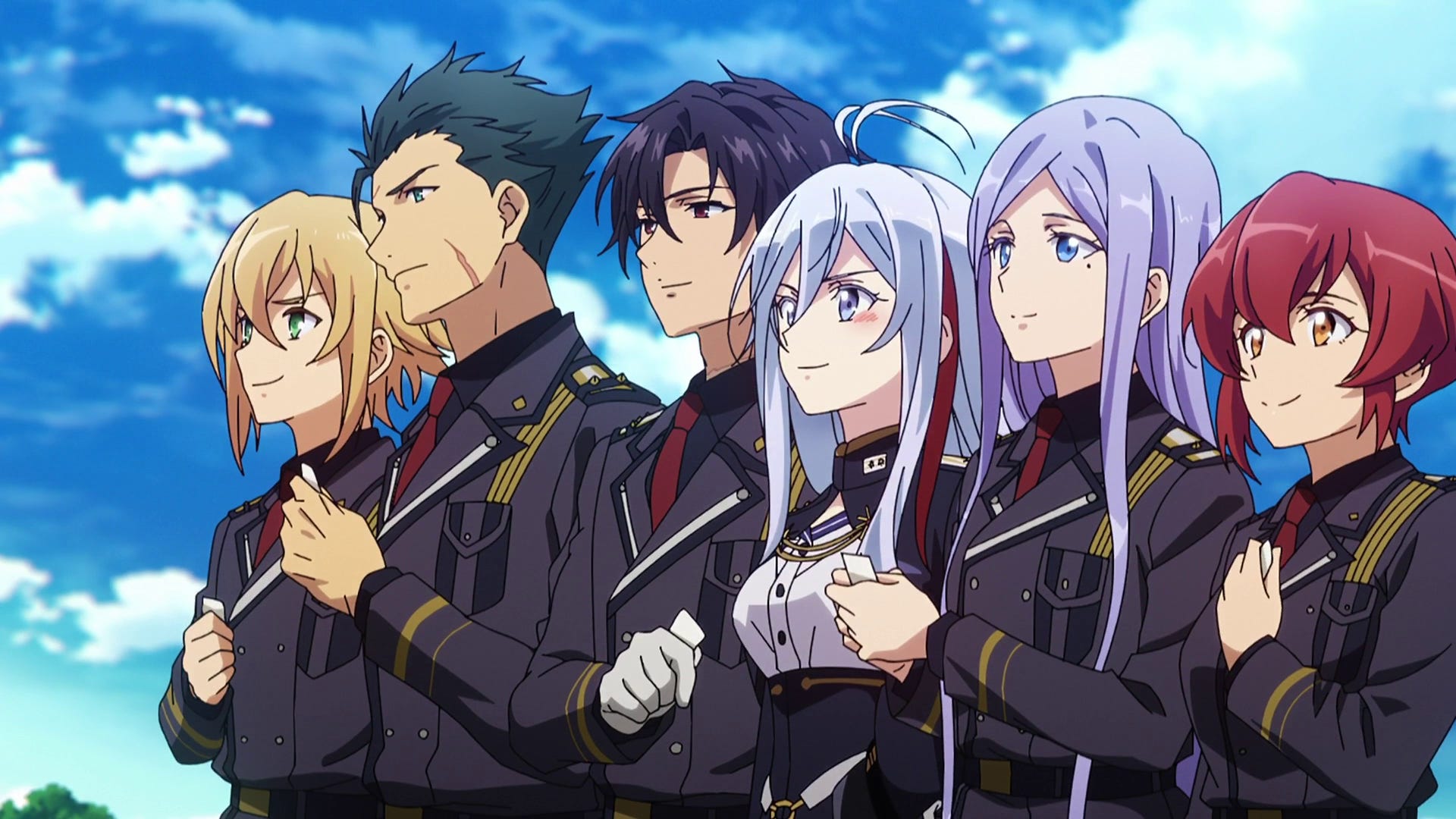
And then 86 eventually gives us the payoff.
For so much of the story, Lena and Spearhead exist as voices to one another.
- Handler One.
- Undertaker.
- Laughing Fox.
- Werewolf.
- Snow Witch.
- Gunslinger.
Names transmitted across enormous distance. Relationships formed between people who have never occupied the same room. Then Lena finally stands before them.
She introduces herself. Raiden and Theo snicker. Because, of course… They know her. We know her.
After everything they’ve endured, there’s something wonderfully human about that tiny reaction. The titles disappear. The military hierarchy disappears. The distance disappears. They’re just people who already know each other finally standing face-to-face.
And when 86 lets its music carry that moment?
Good luck.
Style & Presentation
86 understands restraint. Its visual storytelling often trusts the audience enough not to explain every emotional beat.
Empty spaces matter. Missing people matter. Objects matter. Drawings matter. Silence matters.
The mechanical designs reinforce the vulnerability of the Eighty-Six rather than making them look invincible.
And then there’s the soundtrack. The music doesn’t simply accompany 86. It carries memory.
Certain moments land as hard as they do because the score understands when to swell and, just as importantly, when to disappear.
The series knows when spectacle is appropriate. It also knows when an empty chair can hurt more than an explosion.
Let’s Be Fair
86 is not an easy watch. That’s partially the point.
The series deals with discrimination, dehumanization, death, war, trauma, and grief.
Some viewers may also find its terminology and military structure slightly overwhelming at first. There are names. Code names. Military units. Political factions. Machines. Ranks.
The early episodes ask you to pay attention. And while the story handles its themes with considerable care, there are moments where its symbolism isn’t exactly subtle.
86 knows what it wants to say. Occasionally it underlines the sentence. But those criticisms don’t diminish what the series accomplishes.
Because when 86 connects? It connects hard.
Who Should Watch 86?
Watch 86 if you love:
✔ Character-driven science fiction
✔ Found family
✔ Tactical battles
✔ Mecha with emotional weight
✔ Political worldbuilding
✔ Stories about memory and grief
✔ Characters who actually change
✔ Soundtracks capable of emotionally assaulting you without warning
This may NOTbe for you if:
✖ You want lighthearted escapism
✖ War stories aren’t your thing
✖ Heavy themes involving discrimination and death are difficult for you
✖ You want giant robots treated primarily as spectacle
And if you’ve never watched a mecha anime before?
Don’t let the machines scare you away.
86 is exactly the kind of series that demonstrates why mecha has never really been about the robots.
It’s about the people inside them.
Why It Matters
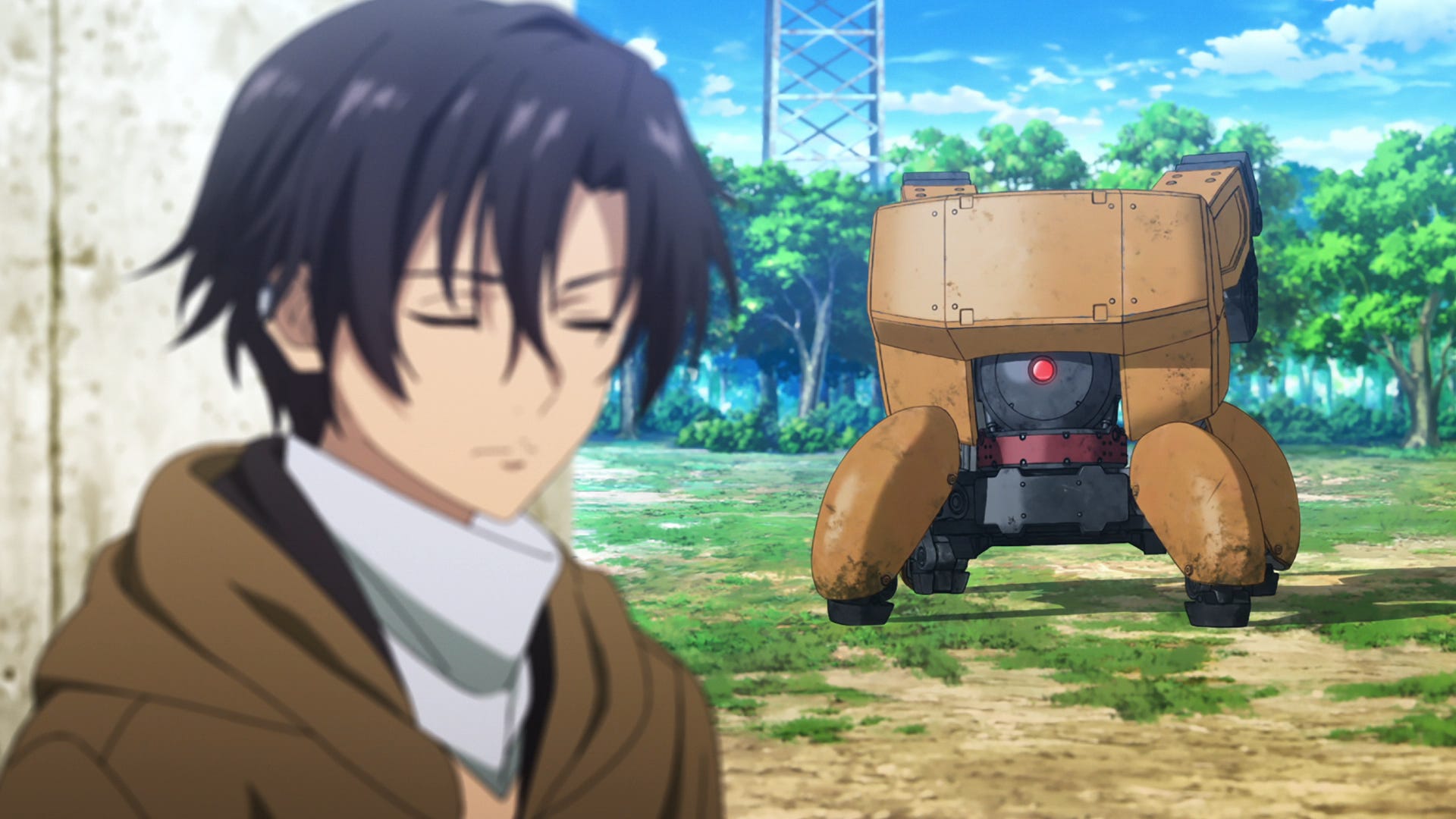
War stories often ask one obvious question: Who survived?
86 asks another. Who remembers the people who didn’t?
History has a way of turning human beings into numbers. Casualty counts. Unit designations. Dates. Maps. Statistics. But every number was somebody.
Somebody laughed. Somebody loved somebody. Somebody had an inside joke. Somebody got annoyed. Somebody drew something stupid. Somebody had plans for tomorrow. Spearhead Squadron refuses to become a statistic.
That’s why the little details matter so much. The drawings. The conversations. The names. Fido. Kitty. The laughter. They’re evidence.
Evidence that these people existed. Evidence that their lives contained more than war. Evidence that the Republic failed. Because you cannot completely erase someone whose story is still being told.
Ctrl+Binge Final Take
Spearhead Squadron was supposed to disappear.
- No graves.
- No records.
- No heroes.
Just another group of Eighty-Six sent onto a battlefield until nobody came home. But Shin remembered. Fido remembered. Lena remembered. Their friends remembered. And now we remember. Maybe that’s the quiet victory at the heart of 86.
You don’t defeat erasure by surviving forever. You defeat it by leaving behind someone willing to say your name.
Join the Conversation
What does it mean to truly remember someone?
Is it knowing their name? Telling their story? Carrying something they left behind? Or simply refusing to let the world pretend they were never here?
And for those who have watched 86: Which member of Spearhead Squadron has stayed with you the most?