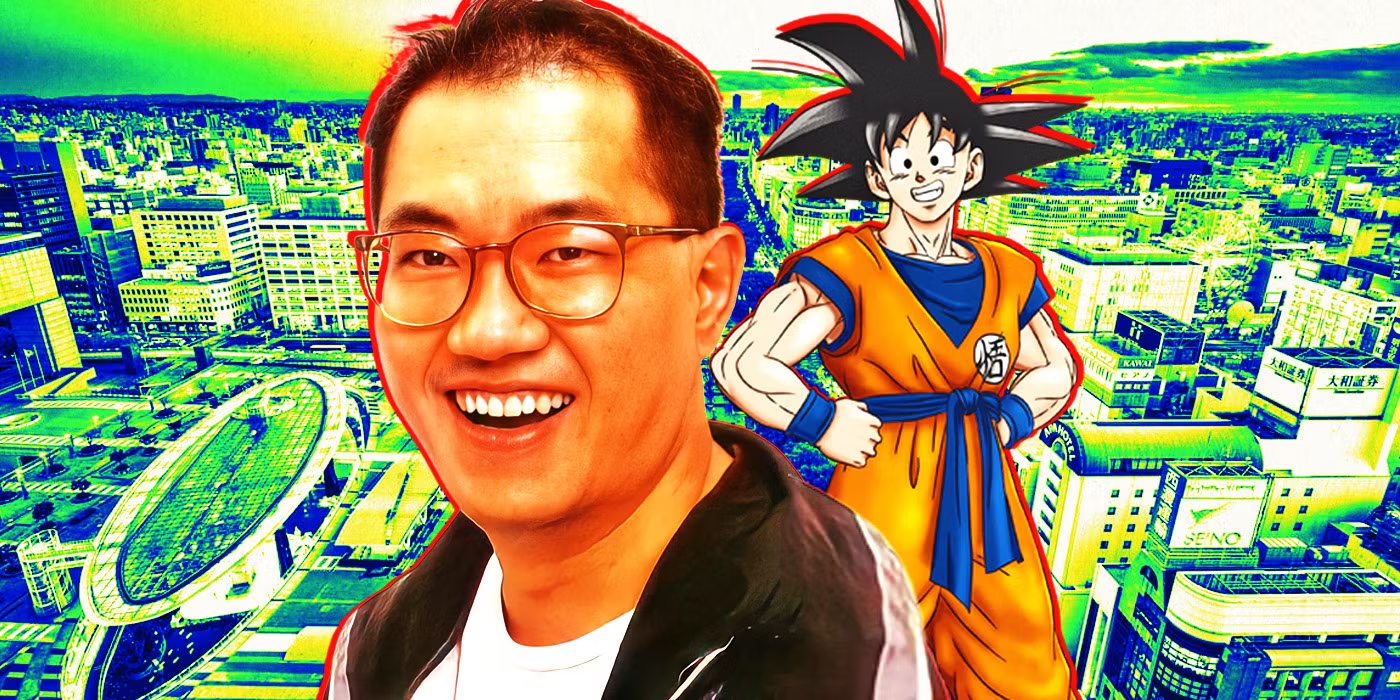
Dragon Ball Super gave us some of the franchise’s biggest moments.
Beerus changed everything we thought we knew about power. Whis introduced an entirely new style of mentorship. Ultra Instinct became one of anime’s most recognizable transformations. The Tournament of Power united fighters from across the multiverse. Broly finally became part of the official Dragon Ball story.
To many fans, Super felt inevitable. Of course Dragon Ball came back. It’s Dragon Ball. But that’s the funny thing about history. Nothing is inevitable.
For nearly twenty years, Dragon Ball had no weekly television series. The story had ended. Akira Toriyama had moved on to other projects, and while the franchise remained popular, no one knew if Goku would ever headline a brand-new adventure again.
So what changed? Why did Dragon Ball return after almost two decades? The answer wasn’t one event. It was a series of moments—each one building toward the day Goku flew again.
Dragon Ball Went Quiet
When Dragon Ball GT concluded in 1997, it marked the end of an incredible run.
From the original Dragon Ball in 1986 through the end of GT, audiences had spent more than a decade growing alongside Goku. Then… Silence.
There were no new weekly adventures. No fresh manga continuing the story. No new television saga waiting around the corner. Dragon Ball wasn’t gone. It simply stopped moving forward.
For almost twenty years, fans revisited the series through reruns, DVDs, merchandise, and memories. Many franchises disappear when that happens. Dragon Ball didn’t.
The Games Refused to Let Dragon Ball Die
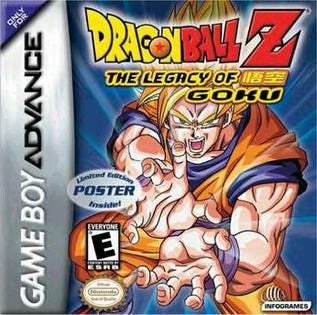
If Dragon Ball disappeared from television, it certainly didn’t disappear from video games.
Throughout the late 1990s and 2000s, players kept stepping into Goku’s boots.
- Budokai.
- Budokai Tenkaichi.
- Legacy of Goku.
- Burst Limit.
- Raging Blast.
Each release introduced Dragon Ball to another generation of players. Some fans experienced the Saiyan Saga with a controller before they ever watched the anime. Others relived their favorite battles again and again.
The games accomplished something incredibly important. They kept Dragon Ball current. Instead of becoming “that old anime,” Dragon Ball remained part of gaming conversations year after year.
When publishers kept investing in Dragon Ball games, they were also demonstrating something else. People still cared.
The Internet Created a New Generation of Fans
At the same time, something else was happening. The internet changed fandom forever.
Dragon Ball discussions moved from school cafeterias to online forums. Fans uploaded AMVs to YouTube. Artists shared fan illustrations. Convention attendance exploded. Entire communities formed around debating power levels, favorite sagas, and dream matchups.
Parents who had watched Dragon Ball Z on Toonami began introducing the series to their own children. Dragon Ball wasn’t fading. It was becoming generational. Instead of one audience growing older, new audiences kept discovering it.
By the late 2000s, Dragon Ball had become something very few franchises ever achieve. It was timeless.
An Unexpected Wake-Up Call
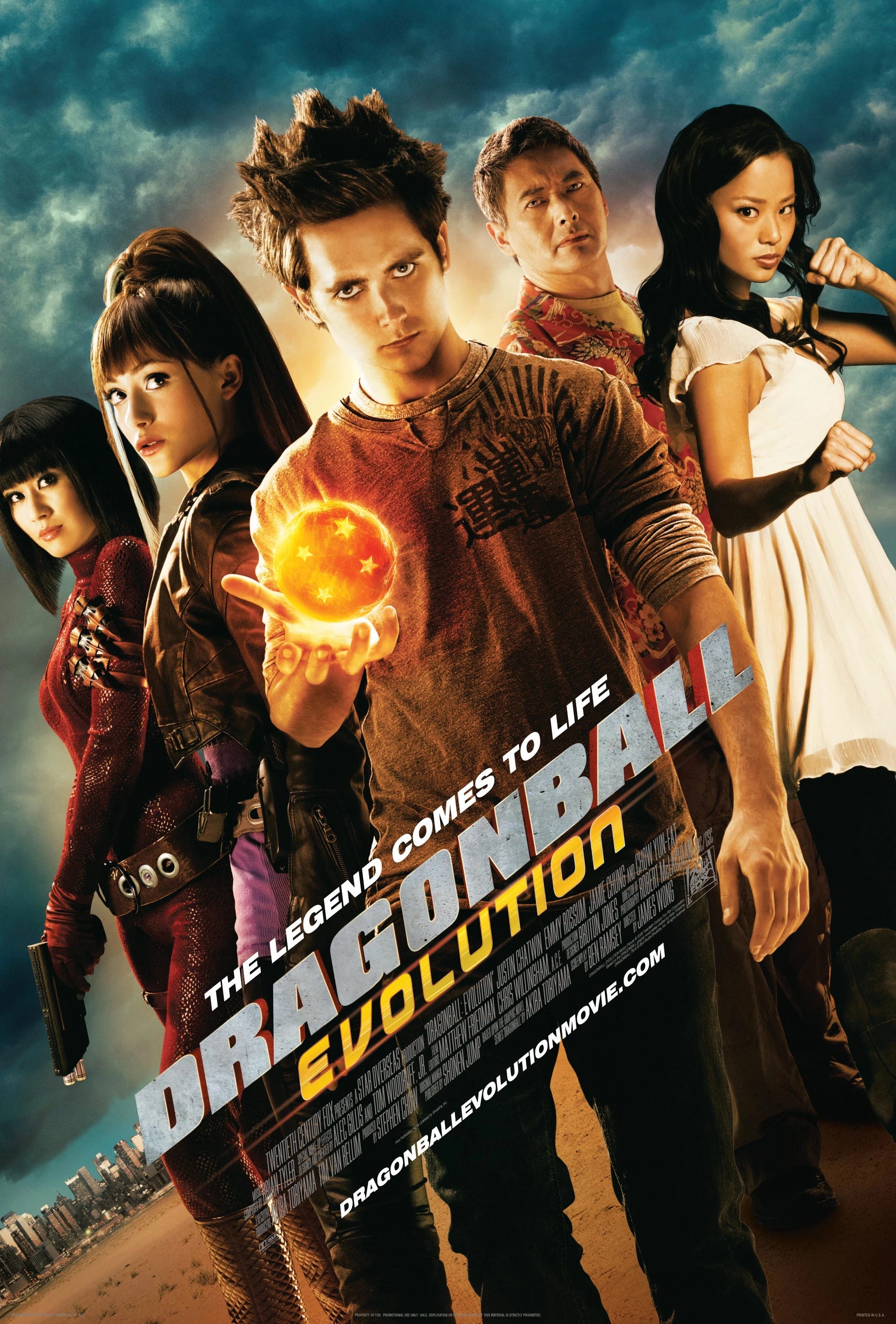
Then something happened that almost nobody saw coming. In 2009, Hollywood released Dragonball Evolution. The live-action adaptation was met with overwhelming criticism from both critics and fans.
Years later, Akira Toriyama admitted the film motivated him to become more involved with Dragon Ball again because he felt it had drifted too far from the spirit of the series he created.
Sometimes inspiration comes from success. Sometimes it comes from disappointment. For Toriyama, seeing someone else interpret Dragon Ball reminded him what made Dragon Ball special in the first place.
It rekindled something. Not because he needed to prove anyone wrong. Because he realized his story still mattered.
One More Movie…
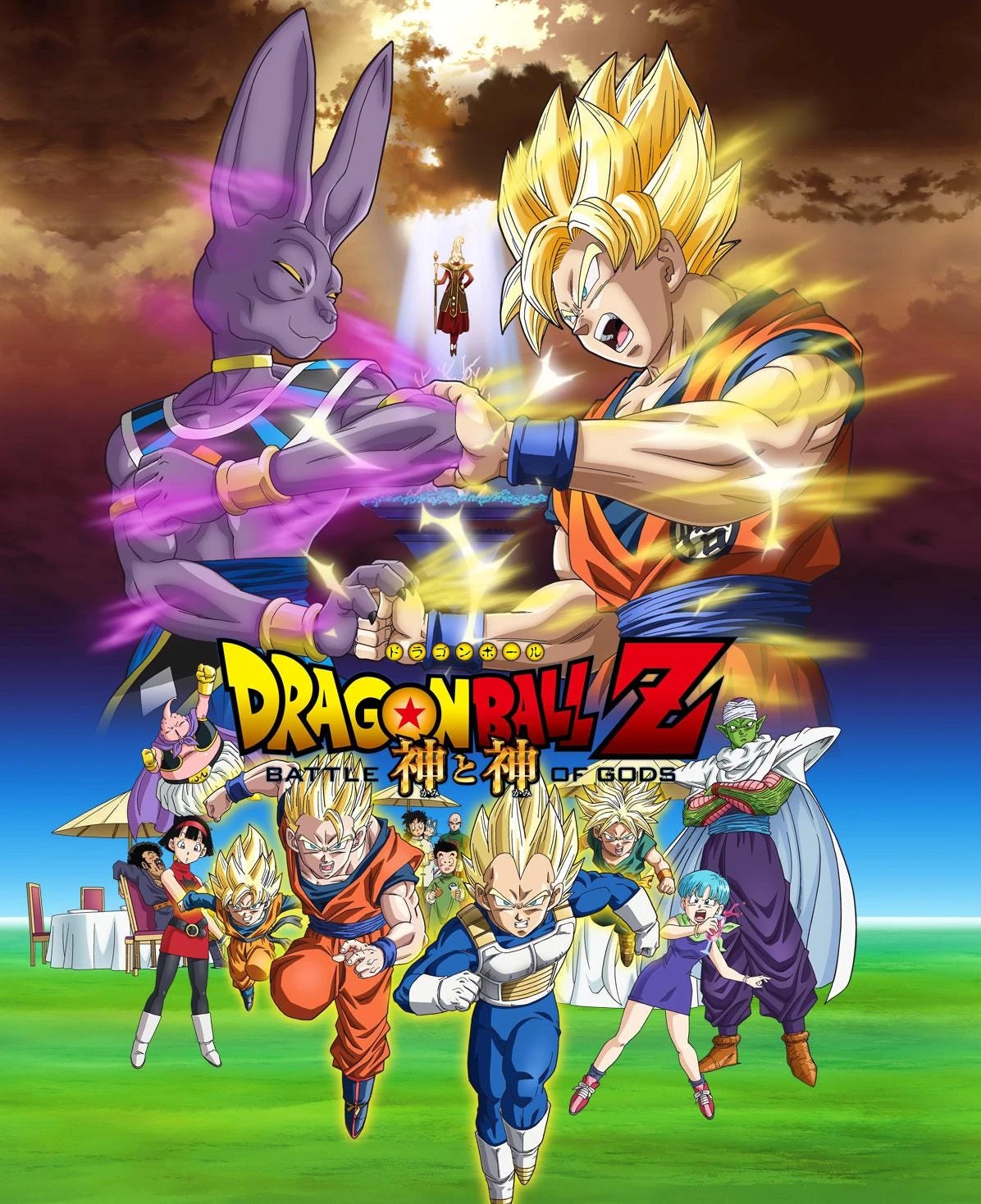
In 2013, Dragon Ball Z: Battle of Gods arrived.
At first, it didn’t feel like the beginning of a new era. It felt like a celebration. One more Dragon Ball movie. One more adventure. One more chance to spend time with characters fans had loved for decades.
Then audiences met Beerus.
The God of Destruction wasn’t another universe-conquering tyrant. He was funny. Curious. Petty. Terrifying. With him, his mentor and angel attendent, Whis,brought a calm, mysterious energy that perfectly complemented him.
And perhaps most importantly… Toriyama’s sense of humor was unmistakably present again.
The film was a success. Not just financially. Creatively. It reminded everyone—including Toei—that Dragon Ball still had stories worth telling.
It Wasn’t Just Nostalgia
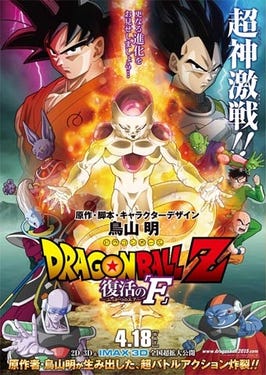
One successful movie could be dismissed as nostalgia. Then came Resurrection ‘F’. Another hit. Another enthusiastic response from audiences.
This wasn’t simply adults revisiting their childhood. Fans genuinely wanted new Dragon Ball stories. The appetite hadn’t disappeared during those quiet years. It had been patiently waiting.
For Toei Animation, the message was clear. Dragon Ball wasn’t merely a classic franchise. It was still one of the biggest names in entertainment.
A Very Different Beginning Than GT
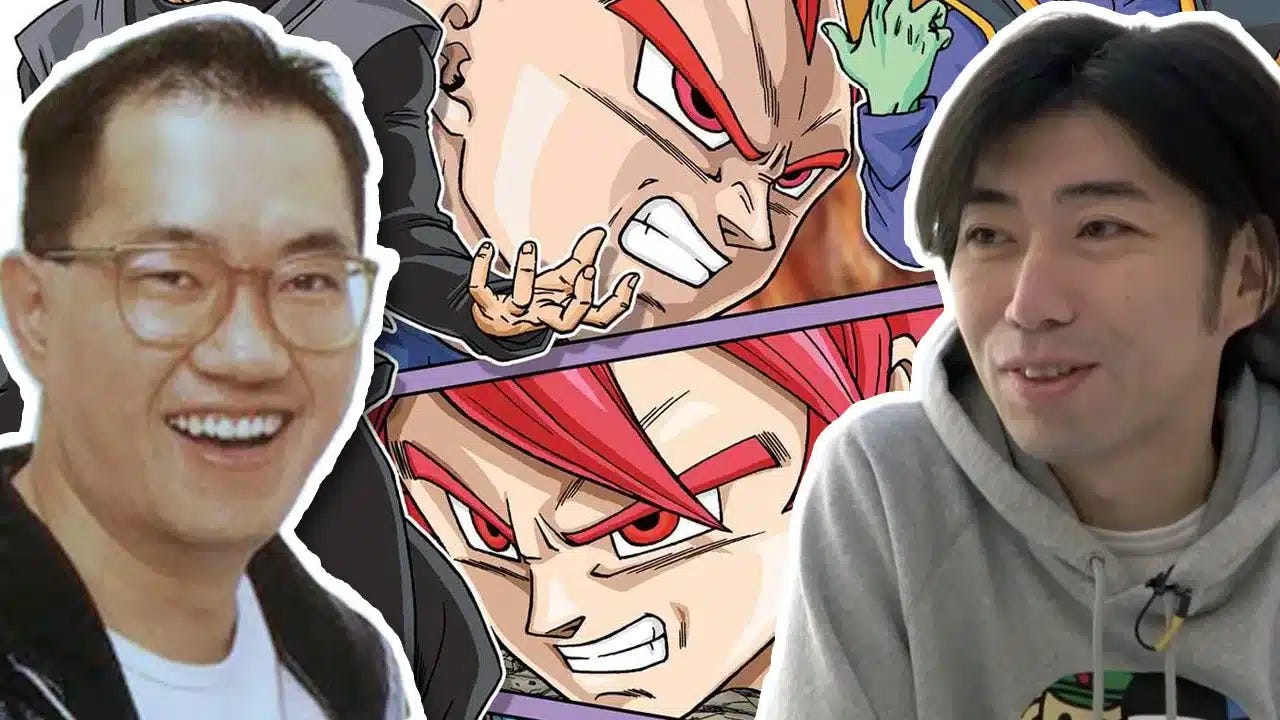
This is where Dragon Ball Super differs fundamentally from Dragon Ball GT.
- GT was created after Toriyama had finished telling his story.
- Super was created because Toriyama wanted to tell more.
His role wasn’t identical to the exhausting weekly schedule he endured during the original manga. But he returned as one of the franchise’s primary creative voices. He developed story outlines. Designed major characters. Introduced entirely new concepts. Worked alongside Toyotarou while helping shape Dragon Ball’s future.
That difference changed everything. Super wasn’t continuing Dragon Ball without Toriyama. It was welcoming him back.
Every Step Mattered
Looking back, it’s easy to imagine Dragon Ball Super as an inevitable comeback. History rarely works that way.
Without GT, Dragon Ball might not have remained active long enough to survive the late 1990s. Without decades of successful video games, an entire generation may never have discovered Goku. Without online communities, conventions, and fan passion, Dragon Ball’s popularity may have slowly faded. Without Dragonball Evolution, Toriyama himself may never have felt compelled to return. Without Battle of Gods, there may never have been enough confidence to greenlight another television series.
Every step mattered. Each moment became another piece of a much larger story. Together, they built the road that led to Dragon Ball Super.
More Than a Comeback
Dragon Ball Super wasn’t simply another sequel. It represented something much larger. It proved that a beloved story could return decades later without losing its identity.
It introduced Dragon Ball to an entirely new generation while rewarding the fans who had waited patiently through nearly twenty years of uncertainty.
Perhaps most importantly… It gave Akira Toriyama another opportunity to spend time with the characters he had created decades earlier.
Sometimes history isn’t about replacing the past. Sometimes it’s about rediscovering why people fell in love with it in the first place.
Dragon Ball Super wasn’t created because one company wanted another hit. It happened because fans never stopped believing in Dragon Ball. Because the games kept the flame alive. Because new generations kept discovering Goku. Because one disappointing adaptation reminded a legendary creator how much his work still meant.
And because, after nearly twenty years away, Akira Toriyama looked back at his greatest creation and decided… Maybe the adventure wasn’t over after all.
Ctrl+Binge Question
If Dragon Ball had never returned after GT, what would you miss the most?
- Beerus?
- Ultra Instinct?
- The Tournament of Power?
- Broly becoming canon?
- Or simply hearing one more time… “Hey, it’s me, Goku!”