No monsters required.
No jump scares necessary.
Sometimes the most terrifying thing in the room…
is a human mind.
Psychological thriller anime and manga usually get described the same way:
Mind games.
Twists.
Characters trying to outthink each other while the audience scrambles to keep up.
Series like:
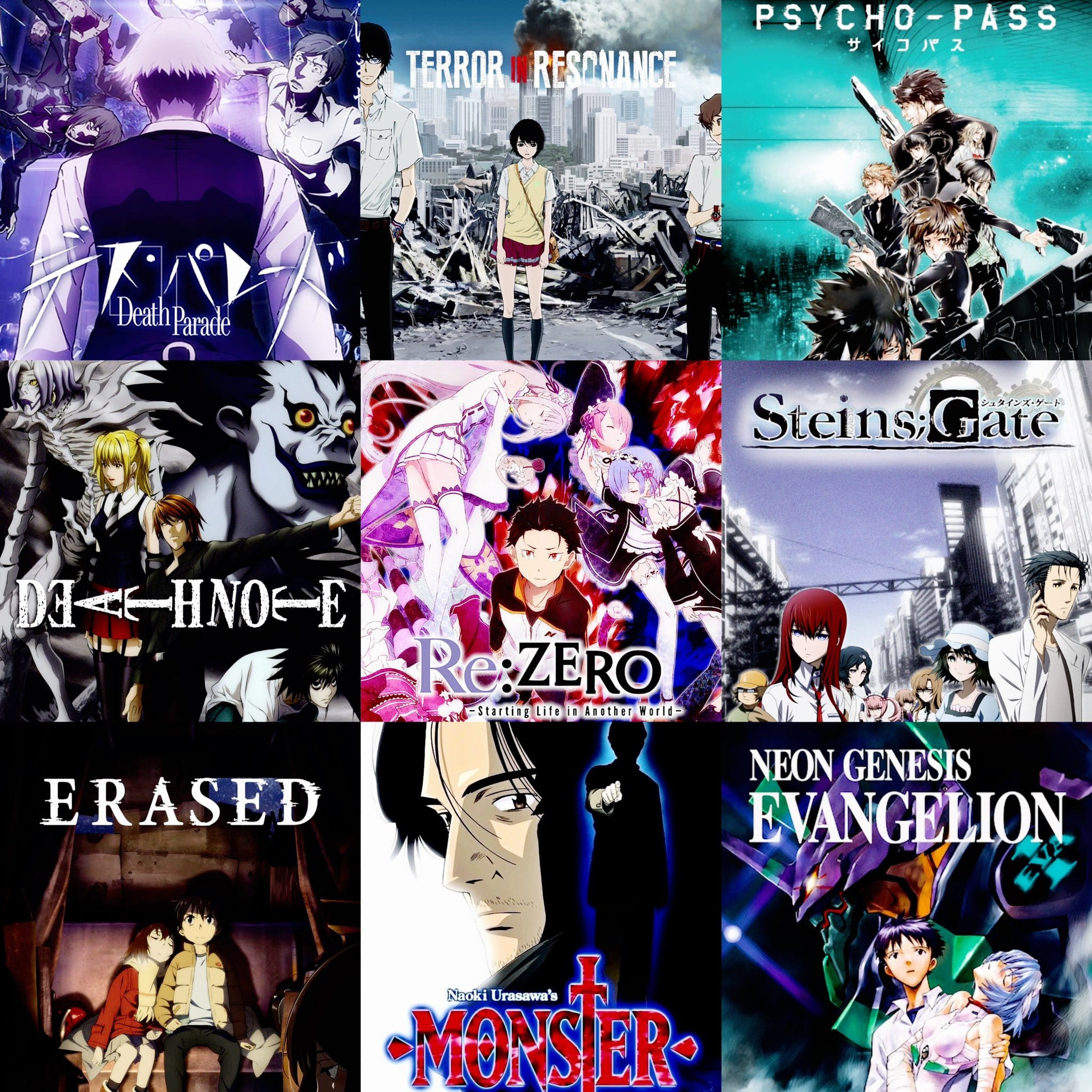
- Death Note
- Monster
- The Promised Neverland
built that reputation for a reason.
These are stories where tension comes from:
- manipulation
- secrets
- paranoia
- impossible decisions
The battlefield isn’t physical.
It’s mental.
And when they hit?
They hit hard.
But the mind games are just the bait.
The real story is fear.
Psychological thrillers work because they weaponize uncertainty.
A battle shonen tells you where danger is.
The villain powers up.
The music swells.
The threat is obvious.
Psychological thrillers do the opposite.
Danger hides in conversation.
In silence.
In what isn’t being said.
That’s why Death Note works so well.
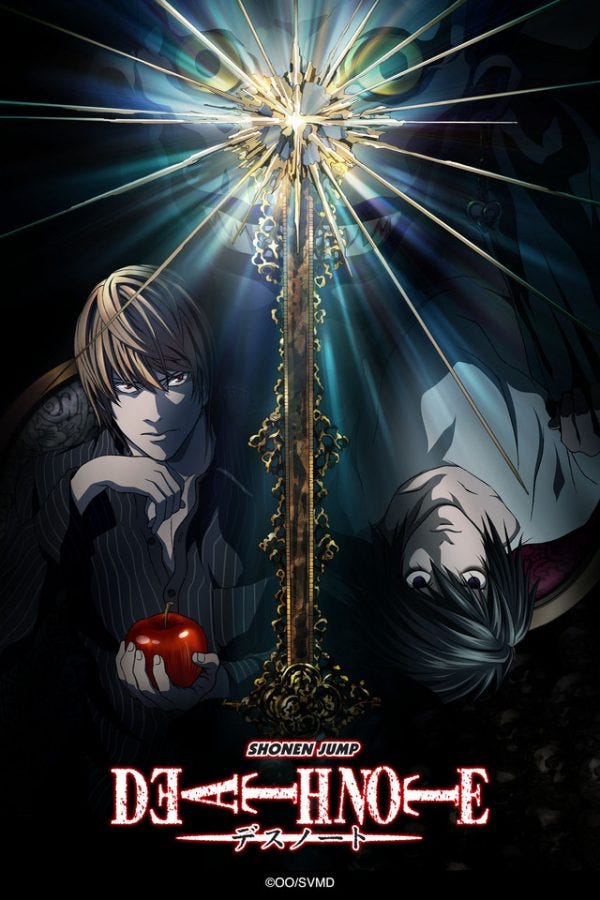
On paper, it’s a supernatural cat-and-mouse story.
But underneath?
It’s about ego.
Control.
And what happens when someone decides they’re morally qualified to reshape the world.
Light Yagami isn’t scary because he has the notebook.
He’s scary because he genuinely believes he’s right.
Then there’s Monster — one of the purest examples of psychological thriller storytelling in anime and manga.
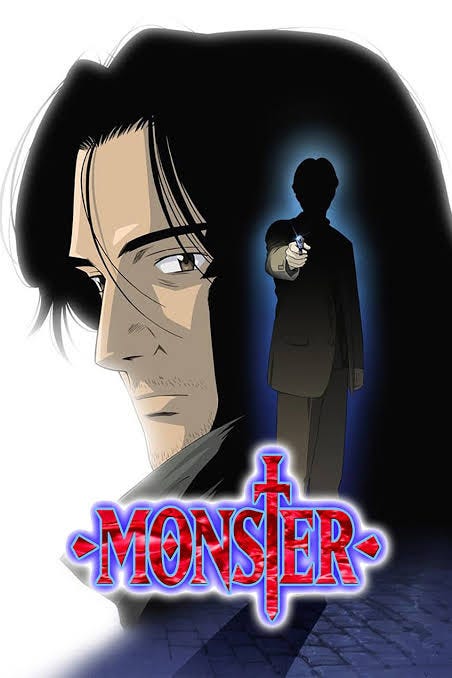
No magic.
No giant battles.
Just one horrifying question:
What if saving a life was your greatest mistake?
Dr. Tenma’s decision creates a slow-burn nightmare built entirely on dread, morality, and human evil.
And that’s the secret.
Psychological thrillers don’t need spectacle.
Humans are enough.
Historically, Japanese psychological storytelling often leans toward existential fear instead of Western-style shock.
Less:
“What jumps out?”
More:
“What if reality itself can’t be trusted?”
That’s why series like Paranoia Agent or Steins;Gate feel so unsettling.
The horror comes from instability:
- memory
- perception
- time
- identity
The messy human truth?
Psychological thrillers force us to confront uncomfortable possibilities:
That intelligence can become arrogance.
That morality is fragile.
That trauma doesn’t stay buried.
And maybe most unsettling of all?
That under the right pressure, we might not behave differently.
Why does this genre matter today?
Because this genre asks questions most people don’t want to answer.
Would you sacrifice one person to save many?
Could you trust your own memory?
If given power without oversight…, what would you become?
Psychological thrillers endure because they’re not really about villains.
They’re about us.
The monster isn’t always external.
Sometimes it’s rationalization.
Sometimes it’s obsession.
Sometimes it’s grief wearing logic like a disguise.
Look around us today.
Algorithm manipulation.
Doomscrolling.
Conspiracy spirals.
Parasocial obsession.
Misinformation.
Psychological thrillers feel more relevant than ever.
Because modern life already feels like a mind game sometimes.
Who’s telling the truth?
What’s real?
Who benefits from what we believe?
Even internet culture reflects it.
“Am I the villain?”
“Gaslighting.”
“Main character syndrome.”
We joke about these ideas constantly.
Psychological anime just takes the joke seriously.
QUESTION
So, here’s the real question:
Who’s the most terrifying psychological anime villain…
The one with actual power?
Or the one who doesn’t need any at all?