
A $50,000 bet.
One game.
One call.
One moment that turns into $1 million.
That’s not a movie.
That’s sports betting.
Most people think of sports betting as something that exploded recently.
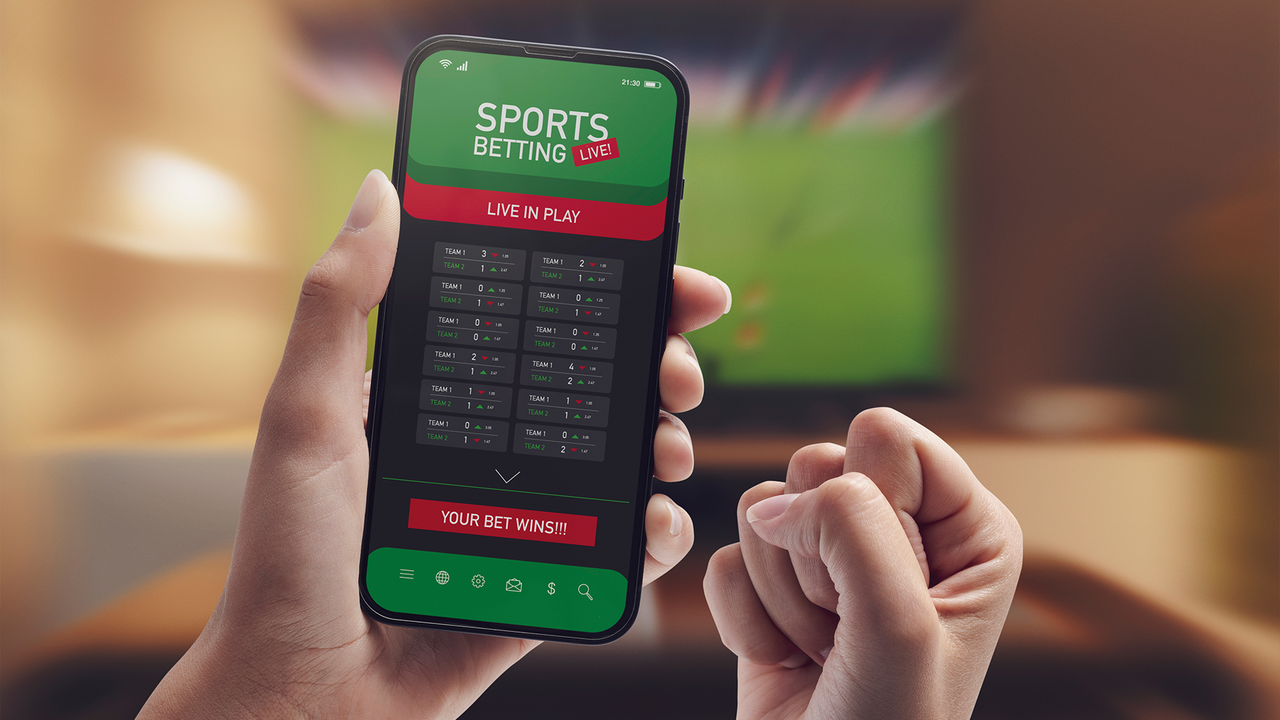
Apps like DraftKings and FanDuel on your phone. Odds popping up during games. Friends texting about parlays like it’s part of the broadcast.
And in a lot of ways, that’s true.
Since 2018, betting has gone mainstream. It’s legal in most of the U.S. now. You don’t need to go to Vegas. You don’t even need to leave your couch.
It feels new.
It feels modern.
Like something that just showed up and took over.
But that’s not where this story starts.
Sports betting is older than the sports themselves.
Long before apps, people were wagering on outcomes in ancient Rome and Greece—chariot races, wrestling matches, anything that could produce a winner. There were no odds boards. No analytics. Just instinct and trust.
Fast forward to the 1900s, and betting didn’t disappear—it went underground.
Boxing, horse racing, early American sports… they all had betting attached to them. But it lived in backrooms. Bookies. Handshakes. Risk. It wasn’t regulated—it was managed. And not always fairly.
That shadow version of betting built the mystique—but also the fear.
So in 1992, the U.S. government stepped in with the Professional and Amateur Sports Protection Act (PASPA), essentially banning sports betting across most of the country. The idea was simple: protect the integrity of the game.
For 26 years, betting was locked down.
Except in one place.
Vegas.
And that mattered.
Because while the rest of the country pretended betting didn’t exist… it still did. Just in less visible ways.
Then came 2018.
The Supreme Court case Murphy v. NCAA overturned PASPA, and everything changed overnight. States could now legalize betting on their own terms. And they moved fast.
What followed wasn’t just growth.
It was an explosion.
Apps replaced bookies. Algorithms replaced gut instinct. And suddenly, betting wasn’t something hidden.
It was something integrated.
Right into the game.
Sports betting didn’t just grow.
It merged with sports.
It changed how people watch games.
A random Tuesday matchup isn’t random anymore if you’ve got money on it. A late-game possession matters differently. A missed free throw hits harder.
It adds stakes.
But it also changes perspective.
Because now, you’re not just watching a team win or lose.
You’re watching outcomes.
Margins.
Moments.
And that shift says something about us.
We don’t just want to watch anymore.
We want to be involved.
If you think about it, sports betting today feels a lot like a live strategy game.
Real-time decisions.
Constant adjustments.
Reading patterns.
It’s basically:
- A fantasy league with real stakes
- A numbers game layered on top of a physical one
- A system where data and instinct collide
And it’s everywhere.
Broadcasts show live odds.
Apps send notifications mid-game.
Conversations shift from “who wins?” to “what’s the line?”
The game didn’t change.
The way we experience it did.
QUESTION
Does sports betting make games more exciting…
Or does it change what we’re actually watching?