Fear leaves a mark.
So does hatred. Regret. Grief. Resentment.
In the world of Jujutsu Kaisen, humanity’s ugliest emotions don’t simply disappear once we’re finished feeling them.
Sometimes they become monsters.
Welcome back to Bingetober.
Because if we’re spending October talking about ghosts, demons, curses and the things waiting for us in the dark, Jujutsu Kaisen deserves a seat at the table.
The series has become famous for plenty of other reasons.
- Insane fights.
- Domain Expansions.
- Sukuna.
- MAPPA flexing every available animation muscle.
And, of course…
- Satoru freaking Gojo.
But underneath all that hype is a genuinely creepy idea: The monsters these characters fight are born from us.
Human fear creates Curses. Human suffering feeds them.
The worst parts of ordinary life become literal supernatural predators.
Then into that world walks Yuji Itadori, a ridiculously athletic, remarkably humble teenager whose life changes forever after he makes the extremely questionable decision to swallow a severed finger.
Not just anybody’s finger, either.
It belongs to Ryomen Sukuna: The King of Curses.
And Yuji’s terrible afternoon is just getting started.
So yes. Jujutsu Kaisen is one of the biggest anime franchises of the modern era.
But if you somehow haven’t watched it yet, there’s still one important question:
Is it actually worth the hype?
The Elevator Pitch
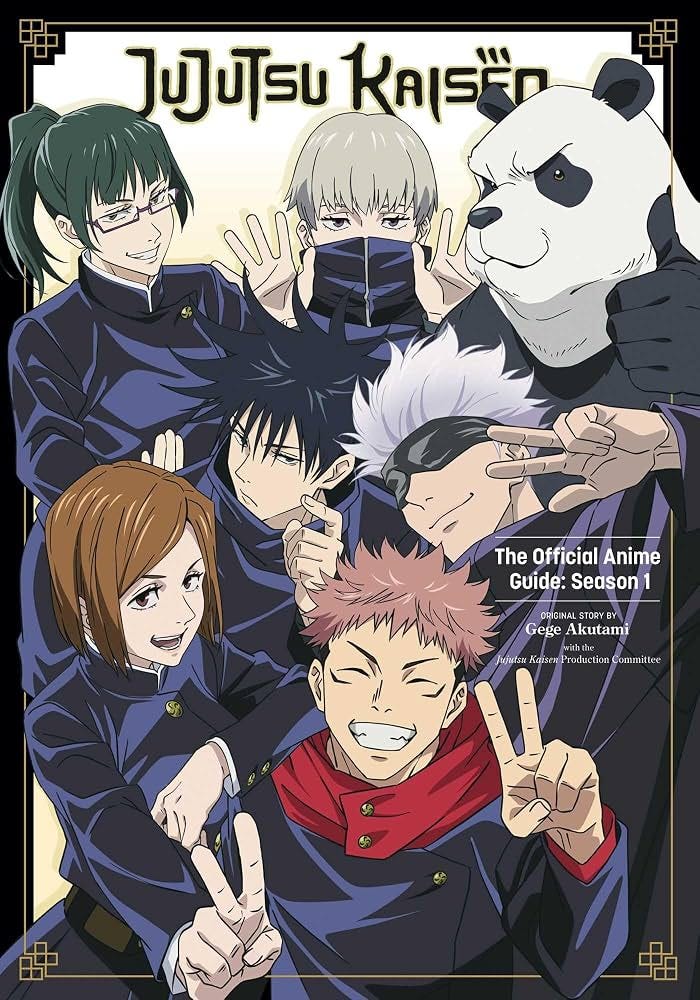
Jujutsu Kaisen follows Yuji Itadori, a high school student whose biggest defining trait initially isn’t magical power. It’s that he is an unusually good kid.
Yuji is strong. Athletic. Popular enough. Capable of doing things that already seem borderline superhuman.
But he isn’t chasing greatness.
Then supernatural danger crashes into his life.
Yuji encounters Curses, monsters formed from negative human emotions, and becomes tangled in the world of Jujutsu Sorcerers, people trained to fight them using Cursed Energy.
During a desperate situation, Yuji swallows one of the preserved fingers of Ryomen Sukuna, an ancient and terrifying Curse.
This should kill him.
Instead?
Yuji becomes Sukuna’s vessel.
Now he has one of the most dangerous beings in existence living inside him.
Rather than immediately executing Yuji, the Jujutsu world develops a plan.
Find the remaining fingers. Have Yuji consume them. Then kill Yuji and Sukuna together.
Simple. Reasonable.
Absolutely horrifying.
Yuji enrolls at Tokyo Jujutsu High, where he trains alongside Megumi Fushiguro and Nobara Kugisaki under the supervision of Satoru Gojo.
From there, the series expands into supernatural investigations, exorcisms, rival schools, terrifying Curses, ideological battles and increasingly devastating conflicts.
And while the fights become enormous?
The question at the center stays surprisingly human:
What does it mean to give someone a good death, and what does it cost the people trying to make that possible?
The Familiar Version
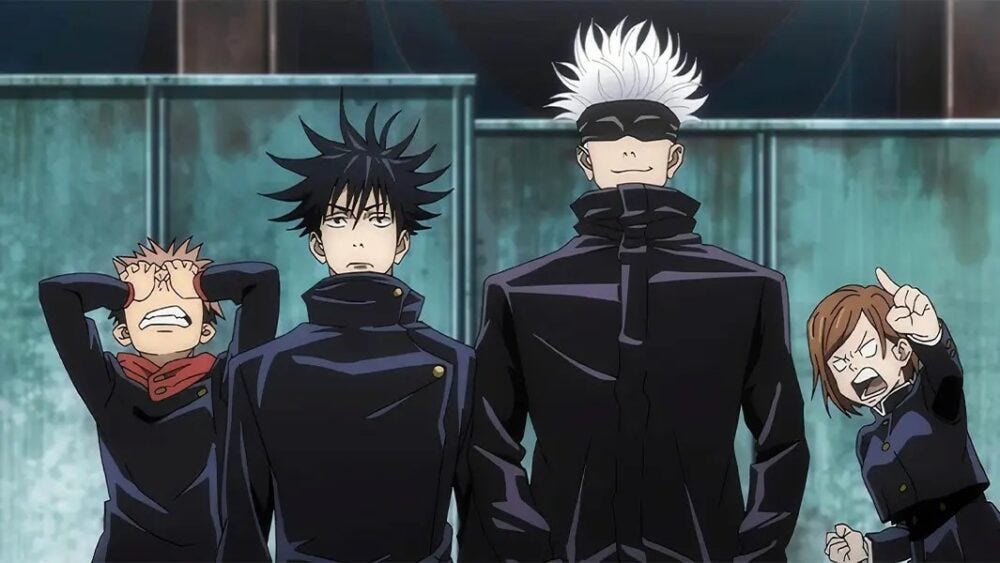
Most people already know something about Jujutsu Kaisen. Even if you’ve never watched an episode.
You’ve probably seen Gojo.
Maybe the blindfold. Maybe those eyes. Maybe Hollow Purple.
Maybe somebody yelling: DOMAIN EXPANSION.
You’ve probably encountered Sukuna. You may know Yuji. You may have heard “SPECIALZ.” You may have seen clips from the fights.
And if you spent much time around anime fandom during the first half of the 2020s, avoiding Jujutsu Kaisen entirely became increasingly difficult.
This thing got BIG.
Not “anime fans like it” big.
Anime-event big.
Characters became instantly recognizable. Fight scenes circulated everywhere. Gojo developed the kind of popularity usually reserved for entire franchises. And when the anime reached some of its biggest story arcs, conversation around the series became almost impossible to escape.
That kind of popularity can actually make starting a show harder.
Because eventually you stop asking: Is this good?
And start asking: Can anything possibly live up to this much hype?
The surface-level answer is easy.
Yes. The fights are great. The powers are cool. The animation can be spectacular. Gojo is, in fact, awesome.
But that’s not really why Jujutsu Kaisen works.
At least not entirely.
Because underneath the flashy techniques and supernatural battles, Jujutsu Kaisen is a story about people carrying things nobody else can completely carry for them.
- Guilt.
- Responsibility.
- Power.
- Loss.
- Expectation.
- Loneliness.
And the friendships that occasionally make those burdens a little easier to survive.
That’s where the series becomes more than hype.
Yuji Itadori — A Good Kid in a Terrible World
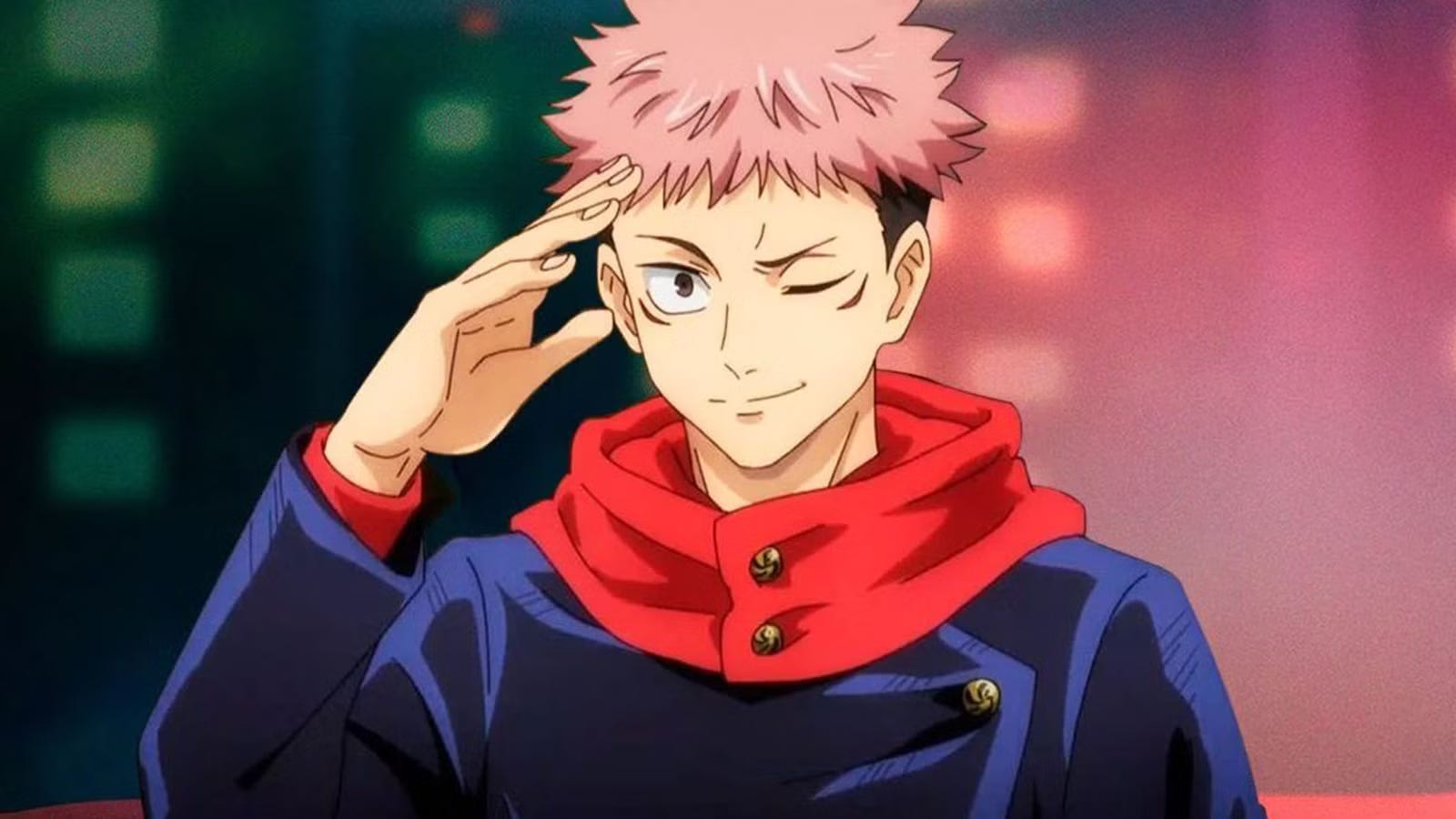
Yuji might be one of the most quietly refreshing modern shōnen protagonists. Because the man is remarkably humble.
He doesn’t enter the world of sorcery convinced that destiny has selected him. He doesn’t desperately need everyone to recognize his greatness. He doesn’t immediately start screaming about becoming the strongest sorcerer alive.
Yuji mostly wants to help people. That’s it.
His grandfather leaves him with the idea that people deserve to die surrounded by others. Yuji carries that philosophy with him.
People deserve dignity. People deserve connection. People should not have to die alone.
That belief sounds simple. Then Jujutsu Kaisen spends the rest of the story testing it. Hard.
Yuji is physically gifted. He learns quickly. He can become terrifying in combat. And he is carrying Sukuna inside his body.
Yet he rarely treats those things like proof that he is more important than everyone else.
He admires other people. He listens. He learns. He cares deeply. And when something goes wrong, Yuji’s instinct is often to ask whether he could have done more.
That humility is one of his greatest strengths. It’s also dangerous. Because Yuji has a habit of turning responsibility into guilt. And guilt into weight.
Someone gets hurt? Yuji carries it. Someone dies? Yuji carries it. Sukuna does something horrific through his body? Yuji carries that too.
Eventually you start wondering whether Yuji’s greatest battle is really against Curses. Or whether it’s against the belief that every terrible thing around him somehow belongs on his shoulders.
Megumi Fushiguro — Saving People Isn’t Simple
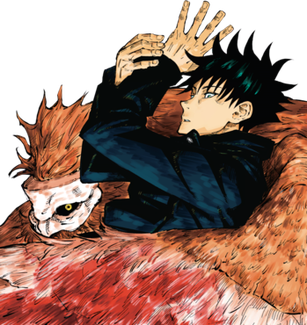
Megumi gives Yuji an important counterweight.
Where Yuji instinctively wants to save people, Megumi is more selective.
He understands that morality isn’t always clean. That some people hurt others. That some lives intersect with suffering in complicated ways.
Megumi doesn’t pretend he can create perfect justice. He makes choices. Sometimes uncomfortable ones. That makes his friendship with Yuji stronger because the two don’t need identical philosophies to respect each other.
Yuji sees human value almost instinctively. Megumi asks who deserves intervention.
Neither worldview is completely comfortable. Neither survives contact with the world unchanged. And that tension gives their relationship more substance than simply: These two are teammates.
Nobara Kugisaki — Strong Without Asking Permission
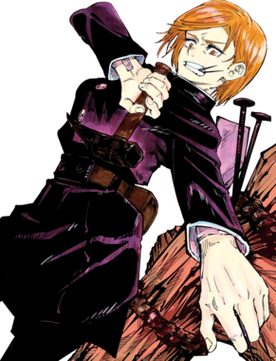
Then Nobara arrives and immediately makes the trio better.
She’s confident. Aggressive. Funny. Proud. Vain. Dangerous. And very comfortable with the fact that she can care about looking good while also being capable of driving nails through supernatural monsters.
Thank you.
One of the easiest traps for action stories is assuming a female fighter proves her toughness by rejecting femininity. Nobara doesn’t need that deal.
She likes what she likes. She knows who she is. And she refuses to let other people define strength for her.
That makes her fit beautifully beside Yuji and Megumi because the three of them don’t feel like variations of the same protagonist.
They’re very different kids. Which makes their chemistry feel alive.
The Trio — Friendship as Shelter
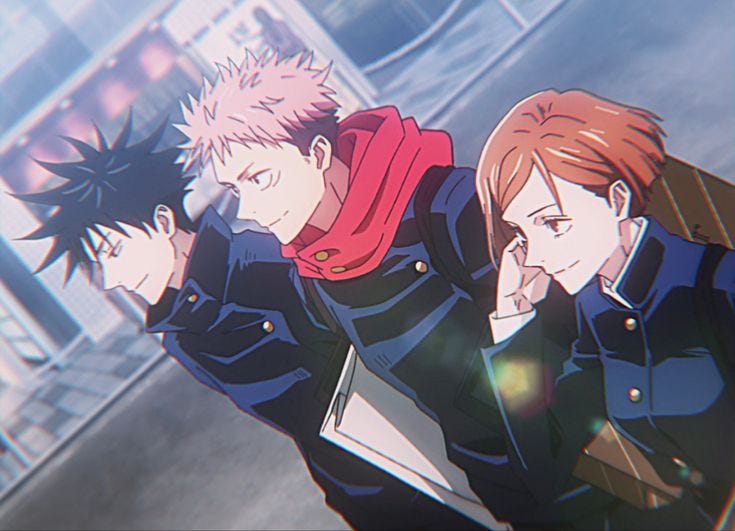
Yuji, Megumi and Nobara work because they actually seem to enjoy being around each other. Not constantly. That would be unrealistic
They irritate each other. Mess with each other. Argue. Tease each other. Go shopping. Eat. Act like teenagers. And then they’re expected to walk into buildings filled with things born from human nightmares.
That contrast matters.
The normal moments aren’t filler around the supernatural story. They’re protection from it. Because these kids are being introduced to death far too early.
They are being asked to carry responsibilities far beyond what teenagers should carry. So friendship becomes somewhere they can briefly stop being sorcerers.
That may be one of the most important ideas in the whole show: In a world literally haunted by humanity’s worst emotions, friendship becomes one of the few places these kids can put theirs down.
And the further Jujutsu Kaisen moves into darkness, the more valuable those early moments become.
Satoru Gojo — Yeah, He Really Is That Cool
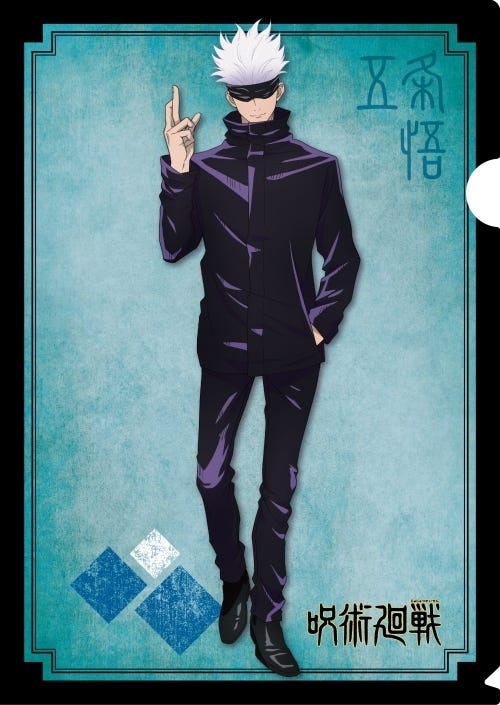
Fine. We’ve waited long enough.
Gojo.
😂
There are characters who become popular because a fandom collectively decides they’re attractive.
There are characters who become popular because they’re absurdly powerful.
There are characters who become popular because they’re funny.
Gojo looked at those categories and apparently said: Why choose?
He is arrogant. Playful. Annoying. Brilliant. Ridiculously confident. And fully aware that most opponents entering a fight with him have made an administrative error.
Gojo’s abilities are some of the most visually and conceptually satisfying in modern battle anime.
- Limitless.
- Infinity.
- Six Eyes.
- Domain Expansion.
- Hollow Purple.
The man fights like someone accidentally gave the teacher access to the developer console.
And yes.
Sometimes the joy of Jujutsu Kaisen really is just watching Gojo remind everybody why he’s Gojo.
There’s nothing wrong with appreciating spectacle.
But the series does something smart with him.
Eventually it asks whether being untouchable might be one of the loneliest positions imaginable.
The Loneliness of the Strongest
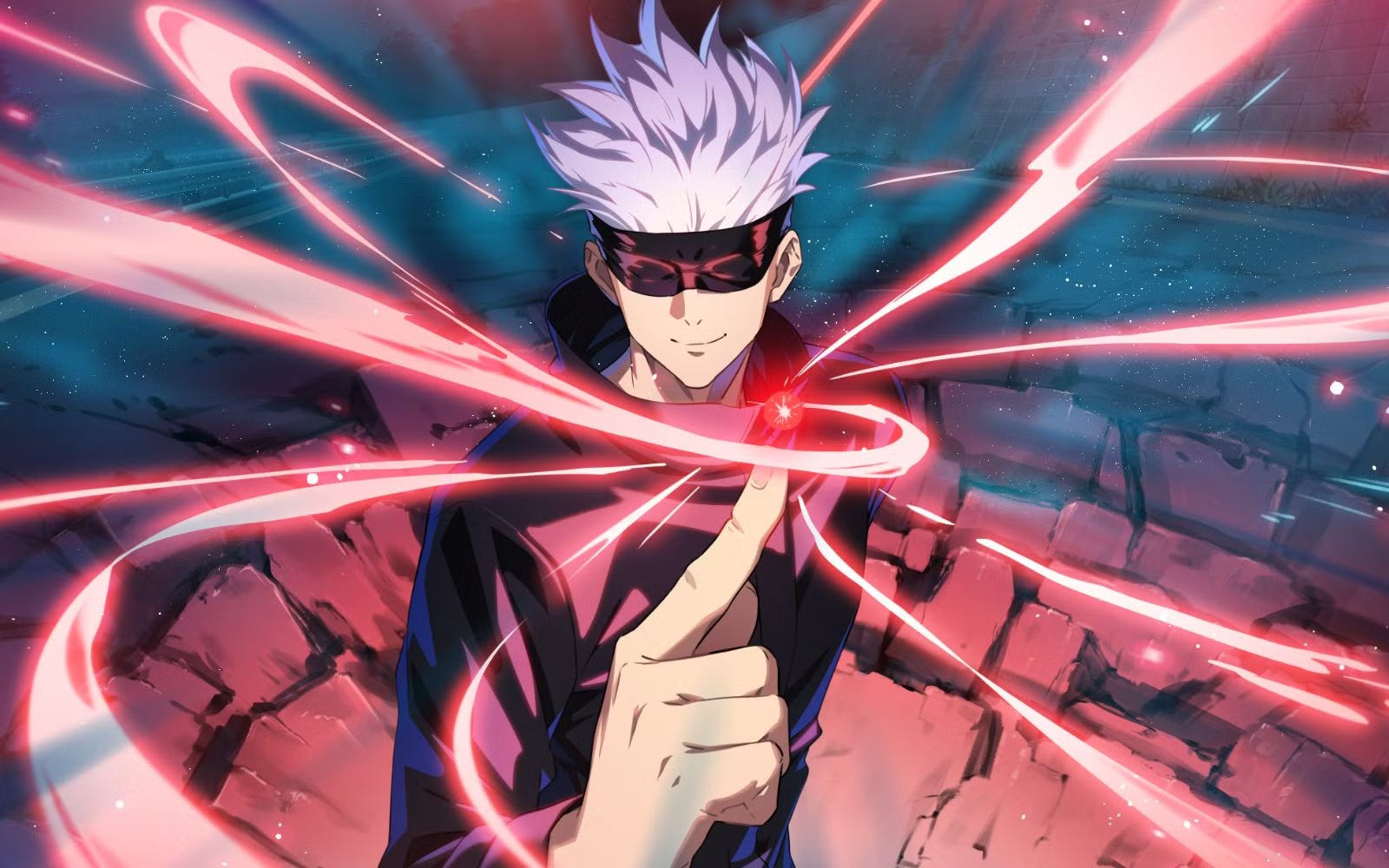
Everybody needs Gojo.
Students rely on Gojo. Jujutsu society accounts for Gojo. Enemies build entire plans around Gojo.
His existence changes the balance of the world. But that also means very few people can truly stand beside him.
There’s a difference between being surrounded by people and having peers.
Gojo has plenty of the first. Not many of the second.
That’s why his history with Suguru Geto matters so much.
Geto knew Satoru Gojo before the title: The Strongest became almost inseparable from the person.
And that gives Gojo’s overwhelming strength an unexpectedly sad dimension.
He can reach almost anyone. Almost nobody can reach him.
That’s the contradiction.
The character who seems most impossible to isolate is arguably one of the loneliest people in the story.
And suddenly all that swagger looks a little different.
Curses — Welcome to Bingetober
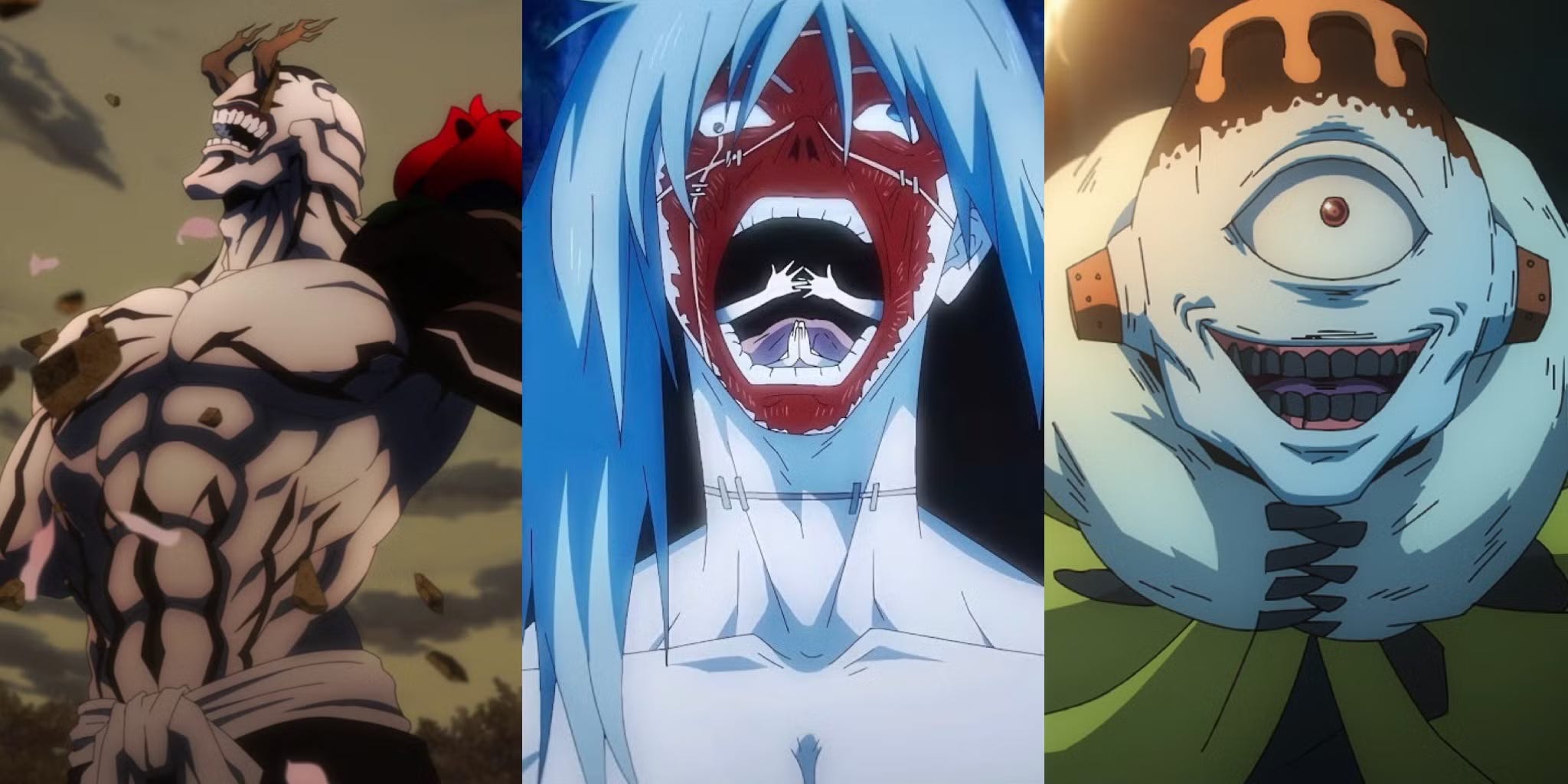
Now we get to the good creepy stuff. Because Jujutsu Kaisen has one of my favorite supernatural foundations in modern anime.
Curses exist because humans create negative energy.
- Fear.
- Anger.
- Hatred.
- Resentment.
- Trauma.
All those emotions accumulate.
And eventually? Something looks back.
Think about that for a second.
The monsters aren’t invading humanity from some completely separate evil dimension. Humanity is producing them.
A school can become dangerous because generations of anxiety and fear collect there. A hospital can become dangerous because suffering gathers there. Places associated with death, fear or terrible memories naturally become breeding grounds for supernatural horror.
That is a fantastic Halloween premise.
Because killing a Curse doesn’t eliminate the source.
People will still suffer tomorrow. People will still hate. Still fear. Still grieve. Which means more Curses will eventually form.
Jujutsu Sorcerers aren’t fighting a war humanity can simply finish. They’re managing one of the consequences of being human.
That’s bleak.
And really interesting.
Mahito — Curiosity Without Humanity
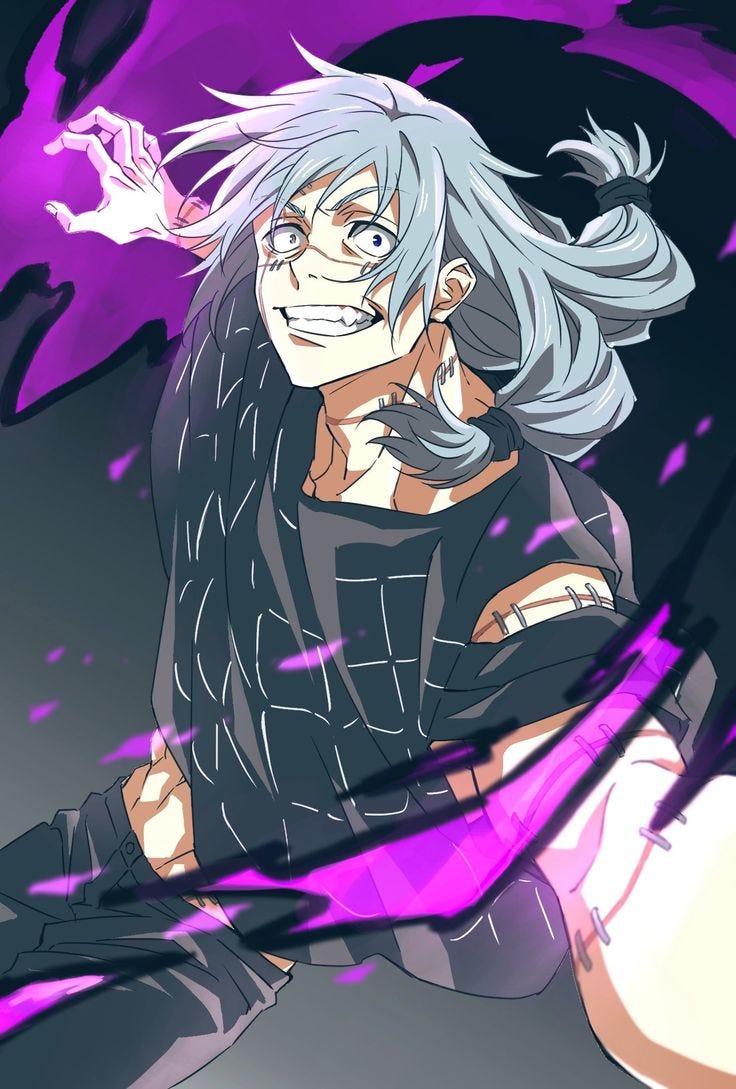
There are monsters you fear because they’re powerful. Then there are monsters you fear because something about the way they think is fundamentally wrong. Mahito falls into the second category.
His abilities are disturbing enough.
The human soul becomes something he can manipulate. Change. Distort. Experiment with. But what makes him truly uncomfortable is his curiosity.
Mahito can be playful. Almost childlike. He wants to learn. Unfortunately, the subject he’s fascinated by is human suffering.
People become experiments. Their bodies become material. Their souls become something to poke, stretch and reshape. That makes Mahito feel unusually personal as a villain.
He doesn’t simply want to destroy a city. He wants to understand what happens when he hurts someone.
And worse? He enjoys learning the answer.
The scariest monster isn’t always the biggest thing in the room. Sometimes it’s the thing looking at you and wondering what you’ll look like after it changes you.
Happy Bingetober.
Sukuna — Your Inner Demon Is Not Your Friend
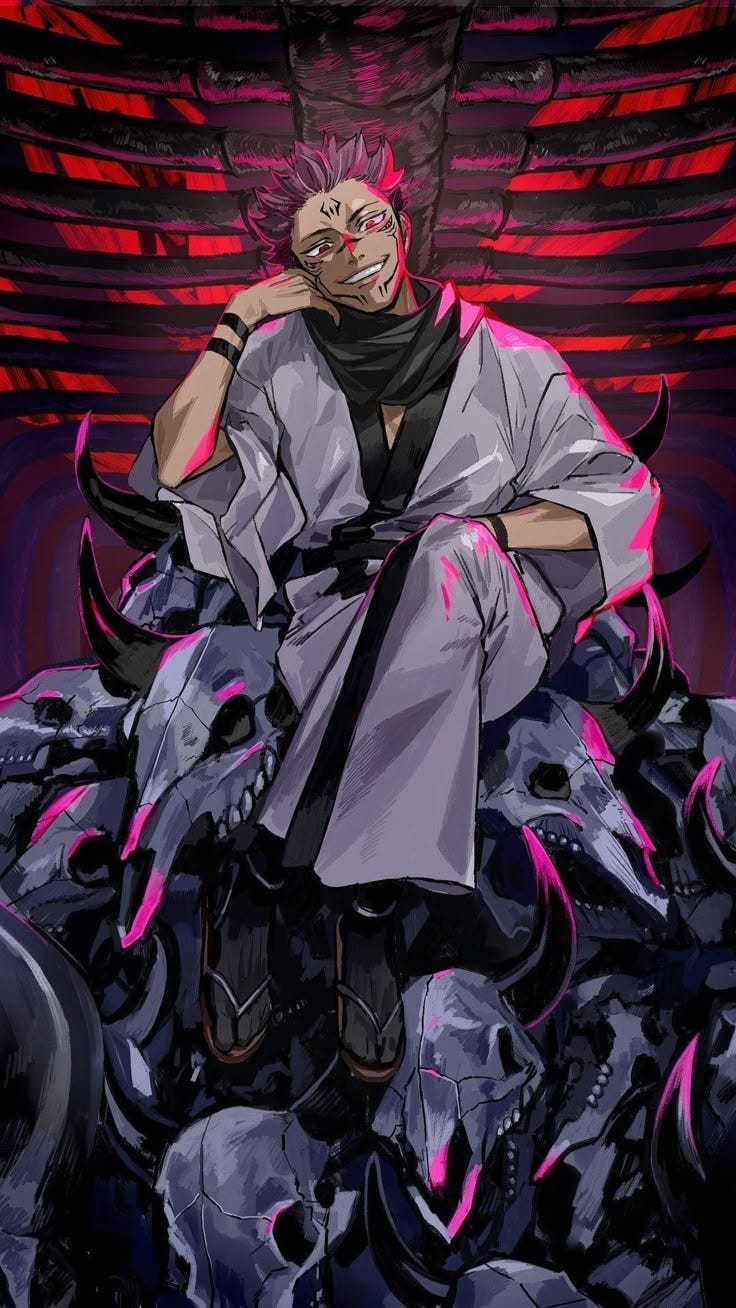
Anime fans know this setup. The protagonist has something terrifying sealed inside him. The monster provides dangerous power. The hero struggles with it. Eventually maybe they understand each other. Perhaps respect develops. Maybe even cooperation.
Jujutsu Kaisen responds: Absolutely not.
Sukuna does not care about Yuji. He’s not waiting for Yuji’s kindness to heal his ancient emotional wounds.
He has his own desires. His own amusement. His own agenda. And Yuji’s suffering can be entertaining to him. That makes the vessel relationship genuinely frightening.
Yuji isn’t simply carrying dangerous power. He’s sharing his body with an intelligent being who might actively enjoy making his life worse.
Sukuna isn’t Yuji’s misunderstood partner. He’s a hostage situation happening inside Yuji’s skin.
That’s so much more interesting.
And so much scarier.
Cursed Energy — Humanity’s Worst Feelings Become a Power System
Jujutsu Kaisen’s power system can get complicated. Let’s establish that immediately.
- Cursed Energy.
- Cursed Techniques.
- Reverse Cursed Technique.
- Binding Vows.
- Black Flash.
- Innate Domains.
- Domain Expansion.
Eventually somebody begins explaining a technique and you may briefly wonder whether you accidentally enrolled in a supernatural engineering course.
But the foundation is excellent.
Negative emotion creates Cursed Energy. Sorcerers learn to control it rather than allowing it to leak uncontrollably into the world. Then their individual techniques turn that energy into something personal. That gives the fights enormous variety.
And then there’s Domain Expansion. One of the coolest concepts modern battle shōnen has produced.
A Domain is basically the ultimate expression of someone’s technique.
- Their space.
- Their rules.
- Their advantage.
Someone says:
Domain Expansion and immediately you know the fight has entered another gear.
It’s dramatic. Visual. Easy to recognize.
And incredibly useful for revealing what makes each fighter distinct.
The Fights — Yes, They’re Really That Good
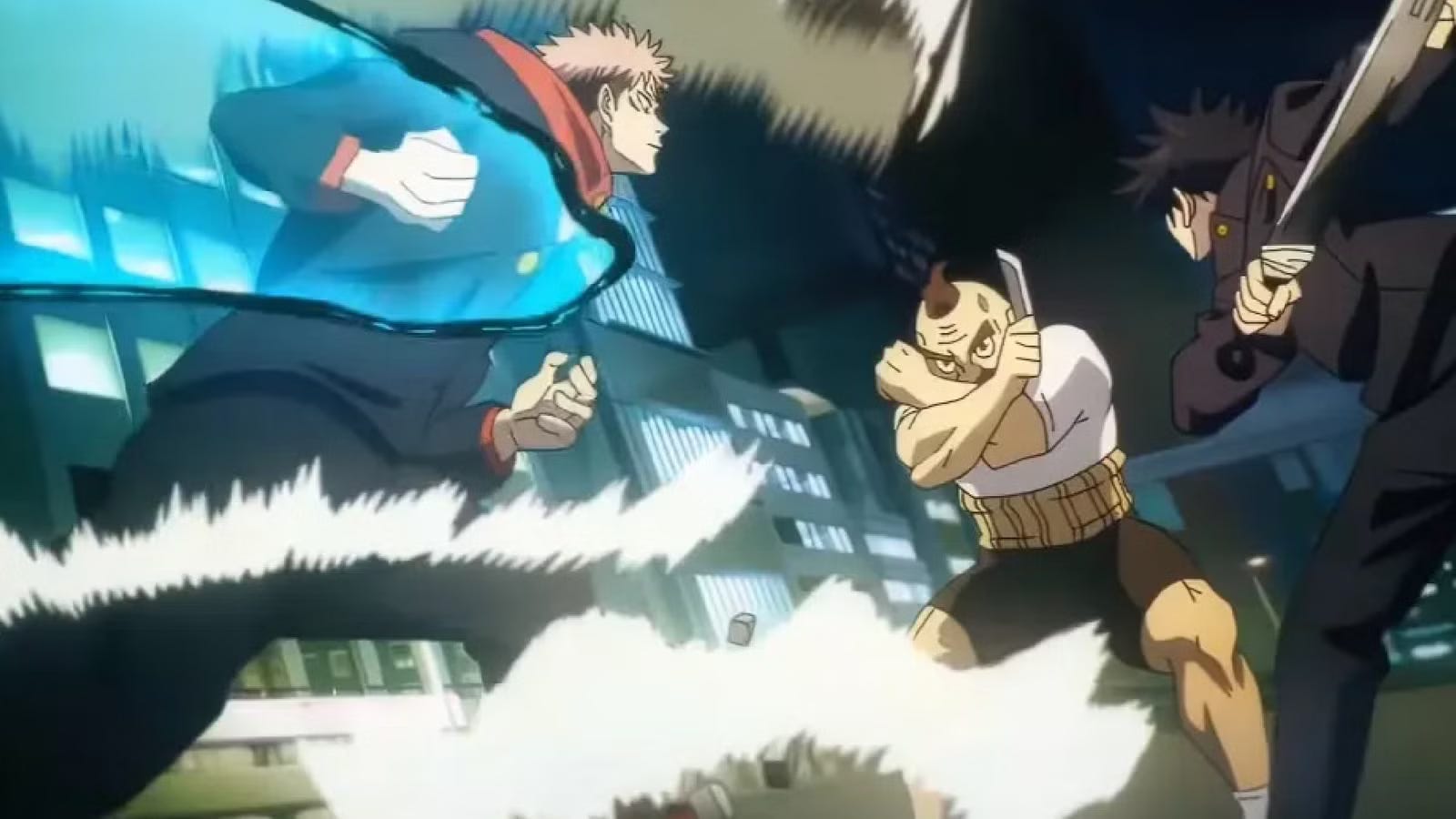
We can spend all day talking about loneliness and morality.
But we should not pretend Jujutsu Kaisen became massively popular because everybody sat around discussing existential burden.
The fights are awesome. Sometimes that’s enough.
Yuji’s hand-to-hand combat has weight. Techniques interact creatively. Characters improvise. Teamwork matters. The choreography can become ridiculously fluid.
Gojo exists. Todo exists. We’ll get to that lunatic shortly.
The anime understands impact. A punch feels like a punch. Speed feels fast. Large techniques feel dangerous. And some battles function as actual storytelling.
You learn how characters think by watching them fight.
Do they rush? Analyze? Sacrifice? Trust? Panic? Adapt?
Some fights reveal personality more effectively than a long speech could.
And other times?
Two characters beat the absolute hell out of something while the animation team apparently decides sleep is optional.
Sometimes anime gets to be anime.
Aoi Todo — Brother Acquired
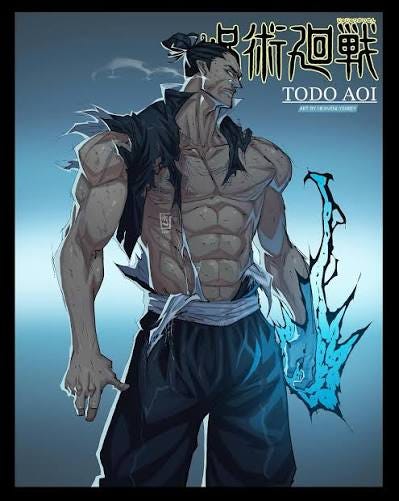
Aoi Todo may have the greatest friendship acquisition strategy in anime history.
- Meet stranger.
- Ask stranger what kind of woman he’s attracted to.
- Judge his entire personality based on the answer.
- If satisfactory, immediately construct an elaborate emotional history together that never happened.
- BEST FRIEND.
Todo is ridiculous. But his relationship with Yuji becomes surprisingly important. Because Todo sees potential in Yuji and says it loudly.
Yuji tends toward humility. Sometimes too much humility. Todo responds by believing in him at maximum volume.
And underneath all the comedy is a genuinely useful mentor-like relationship. Yuji needs people who remind him he is capable of more than simply absorbing suffering.
Todo does exactly that. While being Todo.
Which is objectively the funniest possible delivery system.
Nanami — Finally, an Adult Who Understands Children Are Children
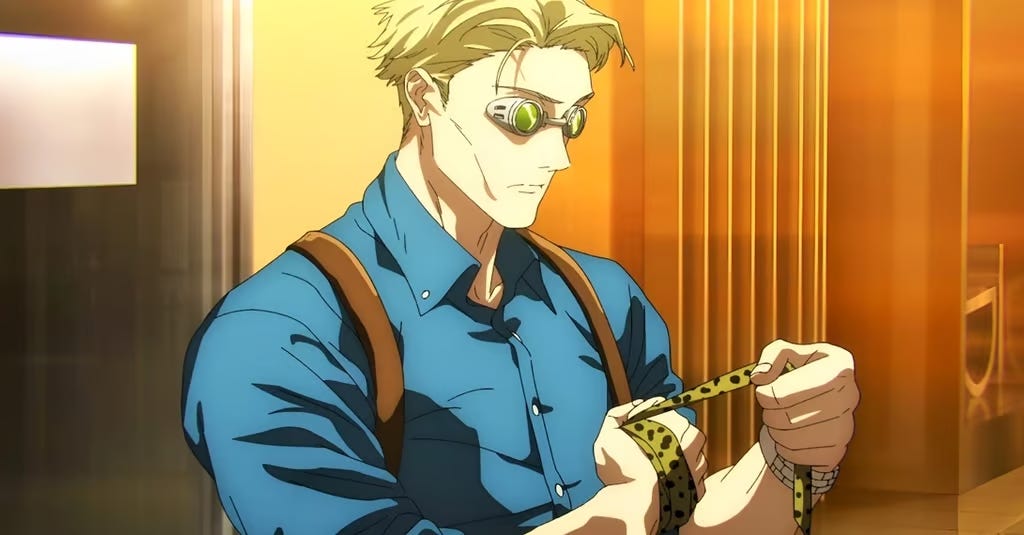
Kento Nanami might be one of the most relatable characters ever inserted into a supernatural battle anime.
Because Nanami has experienced office work. And decided fighting monsters may somehow be preferable. That alone tells you everything.
Nanami brings a very different kind of strength to Jujutsu Kaisen.
He’s professional. Measured.0 Practical. And deeply aware that Yuji is a child. That matters.
Battle shōnen can sometimes casually place teenagers into catastrophic situations while every adult in the room apparently agrees: Seems fine.
Nanami doesn’t.
He believes adults should carry adult responsibilities. He protects Yuji without treating him as useless. He teaches him without romanticizing danger. And beneath the exhausted salaryman demeanor is somebody who genuinely cares.
Gojo shows Yuji what overwhelming talent looks like. Nanami shows him what responsibility looks like.
Both matter.
The Emotional Core — Loneliness Is Everywhere
The deeper I get into Jujutsu Kaisen, the less I think friendship alone is its central emotional theme. I think it’s loneliness. And friendship is one of the answers.
Yuji carries guilt nobody else can completely remove. Gojo carries strength nobody else can completely share. Megumi carries his own complicated morality. Nobara fights to remain entirely herself in a world constantly placing expectations on people. Geto encounters questions about purpose that reshape everything.
These characters can stand in crowded rooms and still carry something fundamentally alone. That may be Jujutsu Kaisen’s most human idea.
Your pain can be understood. It can be supported. It can be witnessed. But sometimes nobody can completely take it from you.
And that’s why relationships become so important.
Friends don’t magically erase suffering in Jujutsu Kaisen. Sometimes they can’t save you. Sometimes you can’t save them. Sometimes terrible things happen anyway.
But connection can keep pain from becoming the only thing you are.
And in this particular universe?
That’s especially meaningful.
Because negative emotion literally creates monsters.
Why Yuji Matters
This is why I keep coming back to Yuji’s humility.
Put another protagonist into this world and the story could become: How do I become powerful enough to dominate the supernatural world?
Yuji rarely feels like that. He is surrounded by absurdly powerful people.
He sees Gojo. He sees Sukuna. He sees special-grade threats. He sees techniques he can barely understand. And he doesn’t respond by becoming obsessed with proving he’s the center of everything.
Yuji keeps looking outward. At other people. At suffering. At who needs help. That’s heroic.
But the story is intelligent enough to understand that selflessness without boundaries can become self-destruction.
Being willing to carry someone’s burden is admirable. Believing you deserve to carry every burden isn’t. That distinction becomes essential to Yuji.
Because a good person can still drown under the weight of trying to save everybody.
Why Jujutsu Kaisen Became So Huge
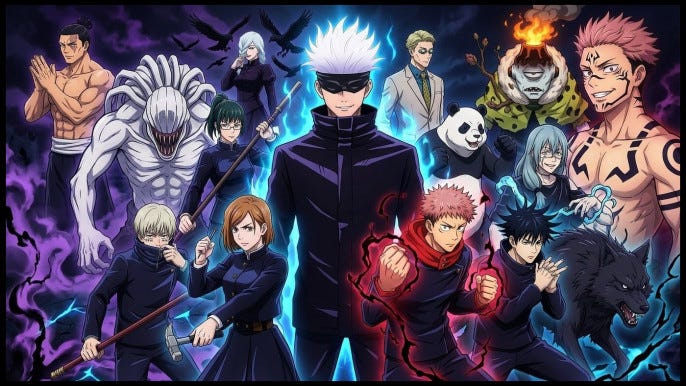
Some popular anime require explanation.
Jujutsu Kaisen really doesn’t.
Watch a few episodes and you can understand why this connected.
The premise is immediately accessible. The character designs are distinctive. The cast has chemistry. The horror concept is strong. The power system offers depth. The fights look incredible. The villains are memorable.
Gojo might as well have been genetically engineered in a laboratory to become an anime fandom phenomenon.
And crucially?
The series arrived with enough familiar battle-shōnen DNA to feel immediately comfortable while still bringing a darker, more modern personality.
You can recognize pieces. A supernatural school. A dangerous power inside the protagonist. A gifted mentor. A trio of young fighters. Monsters created by humanity.
But Jujutsu Kaisen combines those familiar ingredients with enough personality that it rarely feels like it’s simply copying something else.
That’s hard.
Especially in a genre with decades of history behind it.
Its popularity shouldn’t be the reason you watch.
But after watching?
It’s not difficult to understand why so many people did.
Style and Presentation — Cool Is a Valid Artistic Goal

Sometimes anime is allowed to look cool. Thank you for attending my lecture.
Jujutsu Kaisen understands this.
The character designs are immediately recognizable. The supernatural imagery can become grotesque. Domains get unique visual identities. Fight choreography shifts between martial arts, supernatural techniques and enormous spectacle.
The soundtrack knows when to push.
The openings and endings became events themselves.
And the anime adapts the horror particularly well because movement makes the Curses even more unsettling.
Bodies distort. Creatures move incorrectly. Faces bend. Space changes.
One moment can resemble stylish urban fantasy. The next looks like something wandered out of a nightmare.
That’s exactly the visual range this story needs.
Let’s Be Fair
Now the part every Should You Watch review needs.
Jujutsu Kaisen isn’t perfect.
First: The power system can become dense. Really dense.
There are moments where understanding a fight may require remembering multiple rules, exceptions and technique explanations.
Some people love that. Others are going to say: Cool. Punch him. Fair.
Second: The story can move quickly.
That momentum creates excitement, but sometimes characters or relationships could benefit from more breathing room.
When the series gets darker, it gets DARKER. If you fall in love with the early school-life chemistry, there may be stretches where you desperately miss everyone simply hanging out and acting stupid together.
Third: This story is willing to hurt you.
It isn’t bluffing. Bad things happen. Consequences stick. Characters can suffer enormously.
If you prefer action anime where the core cast always feels fundamentally safe, this may not be your show.
And finally: The tonal intensity can become exhausting.
Jujutsu Kaisen begins with plenty of humor and youthful energy. As the stakes grow, that balance can shift substantially.
For some viewers, that’s exactly where the story becomes great. For others, it may lose some of the charm that originally drew them in.
Both reactions are fair.
Who Is Jujutsu Kaisen For?
You should absolutely try Jujutsu Kaisen if you love:
- Supernatural horror.
- Battle shōnen.
- Creative power systems.
- Excellent animation.
- Fast fights.
- Strong character chemistry.
- Friendship that doesn’t require constant speeches about friendship.
- Villains who are genuinely disturbing.
- Mentor characters who steal every room they enter.
- Stories with consequences.
- Dark fantasy.
- Urban supernatural settings.
- Characters carrying emotional scars.
- And especially anime that can make you laugh in one episode and make you regret developing emotional attachments shortly afterward.
You may want to skip it if:
- Graphic supernatural violence bothers you.
- You strongly dislike complicated combat mechanics.
- You need lots of downtime between major conflicts.
- You prefer lighter stories where the main cast feels protected.
- Or you simply don’t enjoy stories that become increasingly bleak.
But if you’ve been watching clips for years wondering whether Jujutsu Kaisen is actually worth starting?
Yes.
Just understand what kind of ride you’re buying a ticket for.
Why Jujutsu Kaisen Matters
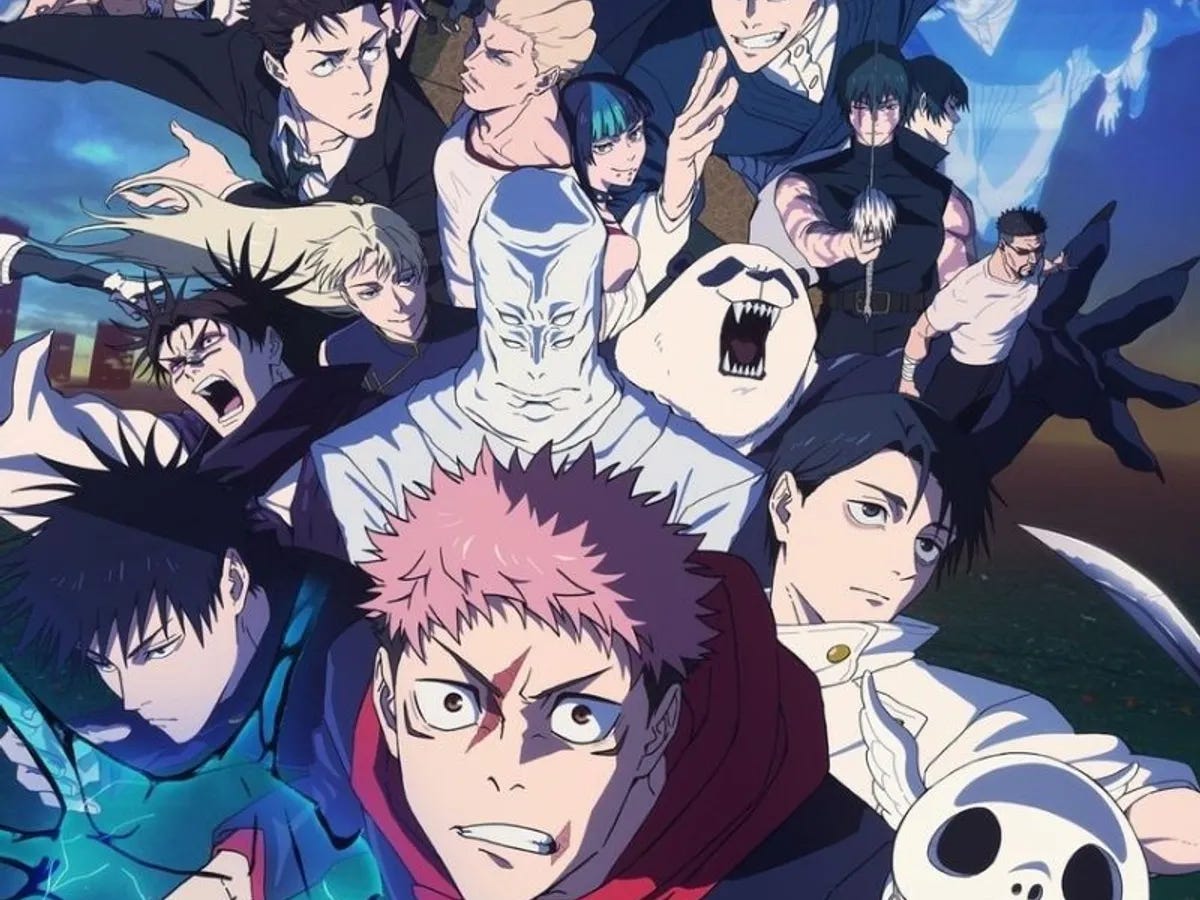
Jujutsu Kaisen doesn’t need us to pretend it’s some obscure gem.
It isn’t.
That would completely miss the point.
This became one of the defining anime franchises of its era. And that matters because every anime generation gets a handful of series that become communal experiences.
The show everyone discusses Monday morning. The character everyone recognizes. The fight everybody clips. The opening everybody hears. The plot development fandom somehow turns into a global emergency.
Jujutsu Kaisen became one of those shows.
For many newer anime fans, characters like Yuji, Gojo, Megumi, Nobara and Sukuna are going to represent this period of anime the way characters from previous generations defined theirs.
But popularity alone doesn’t create longevity. There has to be something underneath it.
And Jujutsu Kaisen has plenty.
The Curses are rooted in a fantastic supernatural idea. Yuji is deeply likable. Gojo is more complicated than his swagger initially suggests. The villains are memorable. The action delivers.
And underneath everything is an increasingly painful examination of what people do with grief, responsibility and loneliness.
That’s enough substance to survive after the hype cycle ends.
Ctrl+Binge Final Take
Curses are born from fear.
- Hatred.
- Regret.
- Pain.
Humanity creates monsters simply by feeling badly enough for long enough.
And maybe that’s why Yuji Itadori works so well as the person standing against them.
He’s not the loudest person in the room. He’s not the most arrogant. He’s certainly not the strongest. He’s just a genuinely decent kid who keeps looking at other people’s suffering and thinking: I should help.
Sometimes that impulse saves people. Sometimes it hurts him. Sometimes the world punishes him for caring anyway. But he keeps caring.
In a world powered by humanity’s worst emotions, maybe kindness isn’t softness.
Maybe friendship isn’t sentimental. Maybe refusing to let suffering make you cruel is its own kind of exorcism.
And maybe that makes Yuji’s kindness one of the most rebellious powers in Jujutsu Kaisen.
Join the Conversation
Curses in Jujutsu Kaisen are created from humanity’s negative emotions.
So here’s today’s Bingetober Manga Monday question:
If Curses are born from humanity’s worst emotions, what keeps the people fighting them from eventually becoming cursed by those emotions too?