You have seen this horror movie before.
A desperate employee takes the overnight shift at a family pizza restaurant, and the mascots start moving.
The security doors run on a battery that is already dying.
This time, you do not get to yell at the idiot on the screen.
You are the idiot in the office.
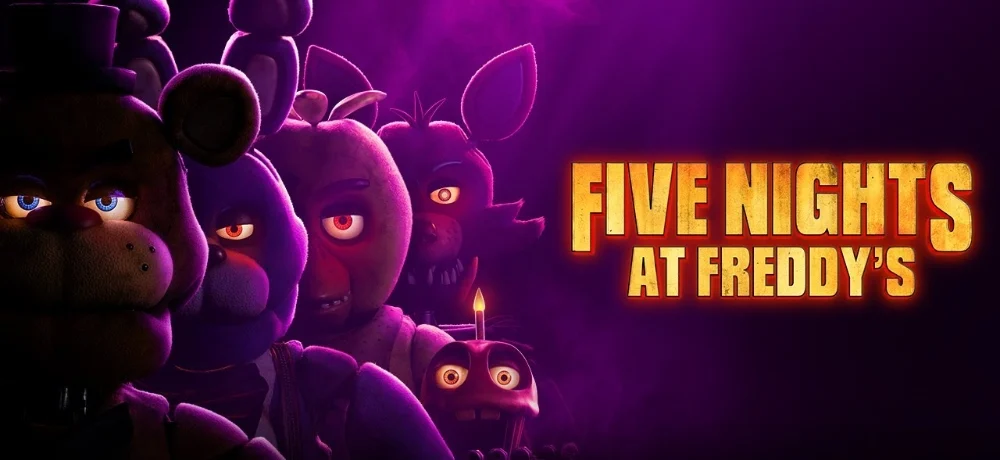
By now, Five Nights at Freddy’s is almost too famous.
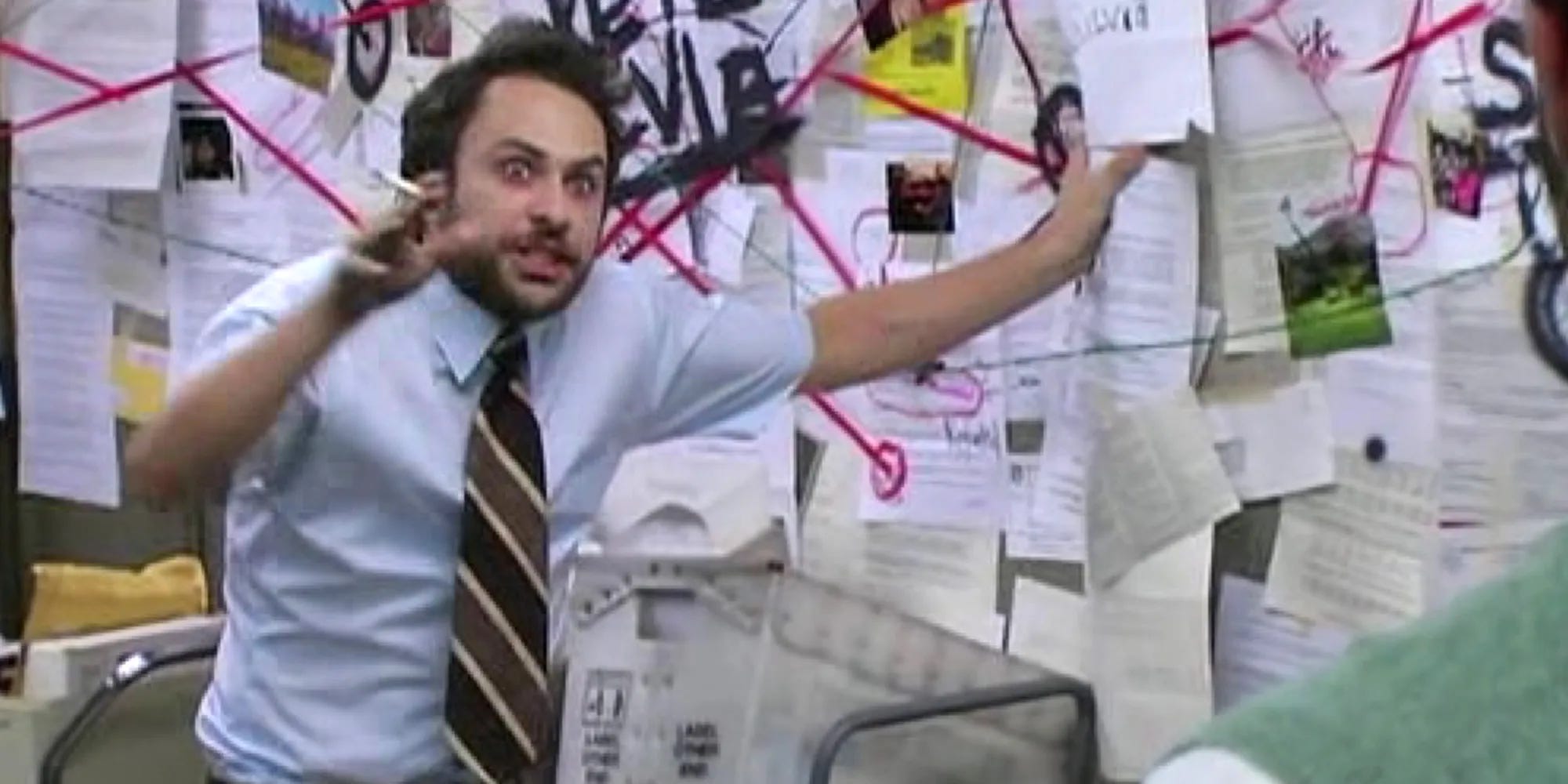
It is the game that made YouTubers scream. The game with the haunted animatronics, endless lore timelines, fan songs, plush toys, books, sequels, movie adaptations, and enough theories to make Charlie Day reach for another spool of red string.
Freddy, Bonnie, Chica, and Foxy have become recognizable horror mascots. Even someone who has never survived a night at Freddy Fazbear’s Pizza probably understands the basic arrangement: watch the cameras, conserve the power, close the doors, and try not to get stuffed inside an animatronic suit.
That popularity has also made it easy to reduce the original game to a jump-scare machine.
And, sure, failure usually ends with a mechanical animal screaming directly into your face.
But calling Five Nights at Freddy’s a jump-scare game is like describing a roller coaster as the drop.
The drop is the payoff.
Everything before it is why your hands are gripping the bar.
Five Nights at Freddy’s may be famous for making people scream, but the jump scare is only the final shot in a horror movie the player has been editing all night.
A Ridiculous Premise Played Completely Straight
On paper, Five Nights at Freddy’s is funny.
You are the new night security guard at Freddy Fazbear’s Pizza, a children’s restaurant built around singing animatronic animals. After closing, those mascots begin wandering through the building. If they reach your office, they will apparently mistake you for an empty costume and attempt to correct the problem in the least medically advisable way possible.
Management knows something is wrong. Management has decided that hiring you is cheaper than fixing it.
That is pure B-movie material: a little Chuck E. Cheese, a little haunted house, and a great deal of corporate negligence.
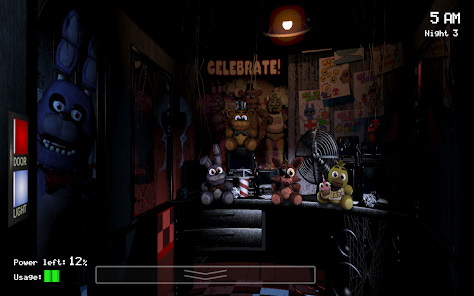
The original game arrived in 2014 with an astonishingly simple setup. From one small office, the player watches security cameras, checks two hallways, operates two doors, and manages a limited supply of electricity until 6 a.m.
There is a dark sense of humor running through the entire arrangement. The Phone Guy explains your potentially fatal responsibilities with the exhausted calm of someone reading from a workplace manual. Every horrifying detail is treated like another minor inconvenience employees are expected to accept.
The premise is ridiculous.
The game works because it never breaks character long enough to wink at you.
You Are Not Watching the Movie
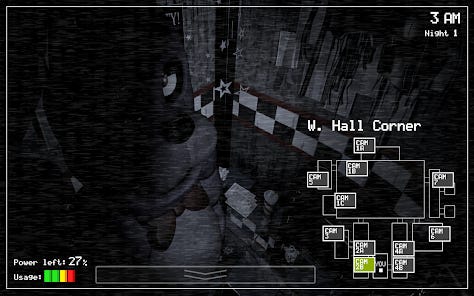
The security cameras are what transform that premise from a horror story into a horror game.
In a movie, the director decides where the audience looks. The camera cuts from the empty stage to the dining room. It moves toward the dark hallway. It shows the monster standing behind the character who has not noticed it yet.
At Freddy Fazbear’s Pizza, that responsibility belongs to you.
Every time you raise the monitor, you choose the next shot.
- Show Stage.
- Dining Area.
- Pirate Cove.
- Backstage.
- West Hall.
- East Hall.
One camera is filled with static. Another shows an empty room. Somewhere between those two images, something has moved.
The animatronics rarely perform that movement for you. You see Bonnie standing onstage. You lower the monitor, check a door, and return to the camera.
Bonnie is gone.
The missing image becomes more frightening than a complete animation could have been. The game forces your mind to direct the scene it refuses to show you.
Where did he go?
How long was the camera down?
Was that shape always standing in the corner?
Unlike the person watching a horror movie, you cannot complain that the camera is pointed in the wrong direction.
You are the one pointing it.
Fear With a Power Bill
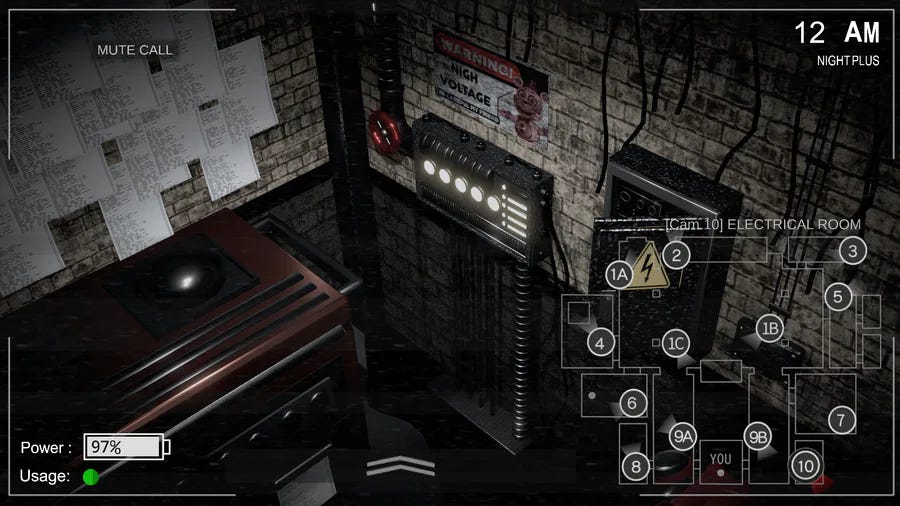
Watching the cameras would be stressful enough if information were free.
It is not.
The building gives you a limited amount of electricity each night. Cameras, lights, and security doors consume it. Every defensive action makes the office safer now by making it more dangerous later.
You can close both doors and keep them closed.
Nothing can enter.
Then the power reaches zero, the doors rise, the lights disappear, and Freddy begins his final performance in the darkness.
Scott Cawthon explained that the power system was designed to force players to leave the doors open even when they knew something terrible was waiting outside. He also identified limited visibility and limited movement as fundamental sources of panic.
That is the mechanical heart of Five Nights at Freddy’s.
The player cannot run. The player cannot fight. The player cannot search the restaurant for a better weapon or discover an escape route.
You can only gather incomplete information, spend limited resources, and decide how much danger you are willing to tolerate.
Most survival-horror games make ammunition scarce.
Five Nights at Freddy’s makes safety scarce.
Every Animatronic Changes the Rhythm
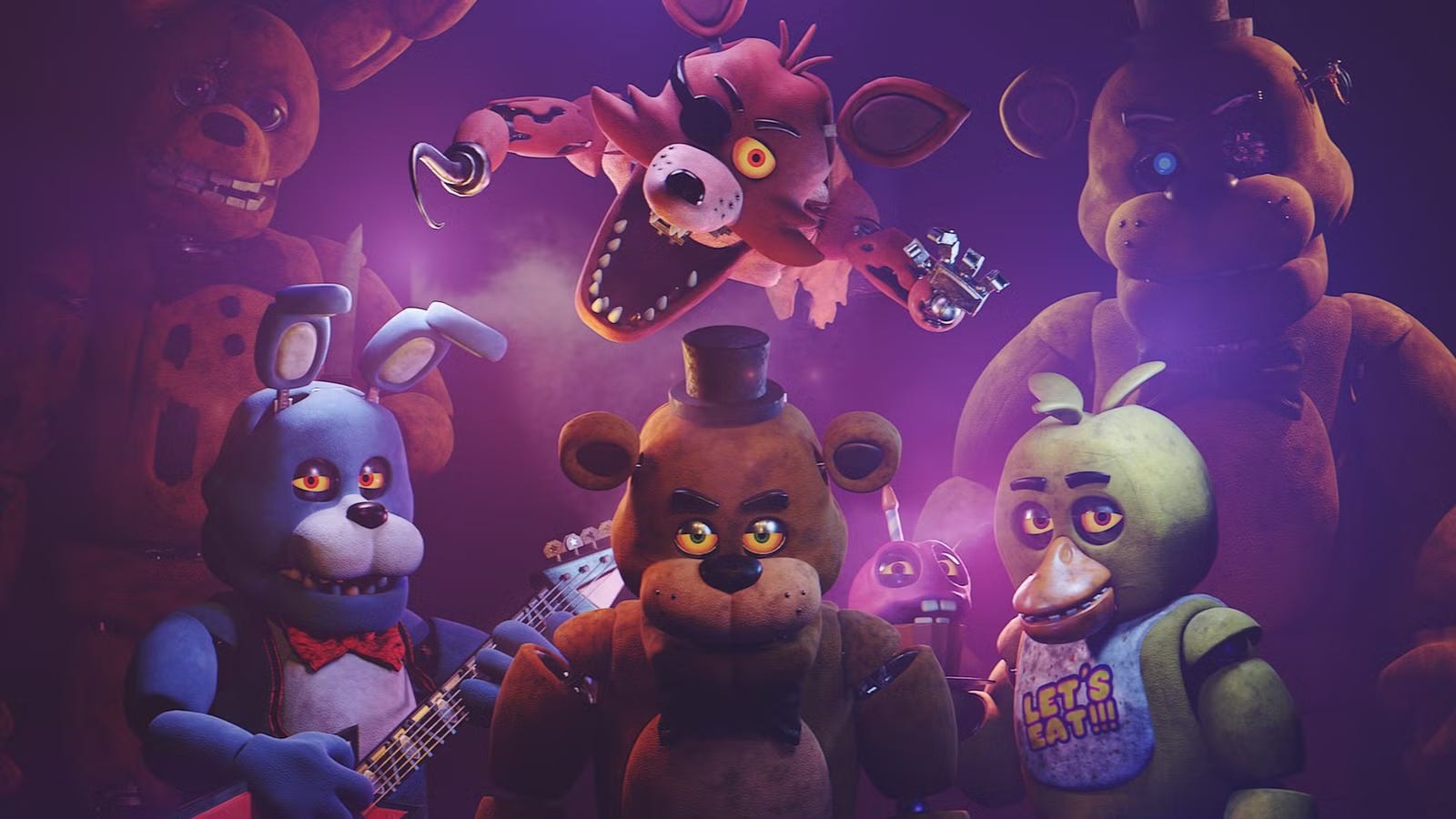
Freddy, Bonnie, Chica, and Foxy are not merely different faces waiting to deliver the same scare.
They place different demands on the player’s attention.
Bonnie and Chica make the two office entrances feel like separate fronts in the same siege. Foxy turns Pirate Cove into a location you feel compelled to revisit. Freddy becomes more dangerous through shadow, sound, and uncertainty.
Each animatronic changes how often you check the cameras, where you look, and when you risk using another sliver of electricity.
That creates an escalating rhythm.
- Camera.
- Light.
- Door.
- Camera.
- Nothing.
- Camera again.
- Something is missing.
The controls remain simple enough to understand within minutes, but the pressure surrounding them keeps increasing. Later nights do not need to introduce a dozen new systems. They tighten the timing, punish hesitation, and demand that the player perform the same routine while making fewer mistakes.
The office becomes a cockpit operated almost entirely through fear.
The Restaurant Is Loudest When You Cannot See It
The sound design completes the illusion.
A fan turns endlessly on the desk. Fluorescent lights hum. Camera static fills the monitor. Metallic footsteps, kitchen noises, laughter, and distant movement suggest activity occurring beyond the frame.
Sometimes a sound confirms what you feared.
Sometimes it makes you check a camera and find nothing.
The Phone Guy’s calls initially provide instructions and companionship. Eventually, even that fragile human connection begins to feel unsafe.
Sound allows the restaurant to exist beyond the handful of rooms shown on the cameras. The player never walks its hallways, but every noise suggests that something is moving through them.
Then the power fails.
The electrical hum dies. The office becomes dark. Freddy’s face appears in the doorway while a familiar little melody plays.
The game makes you wait for the final note.
That pause is crueler than the jump scare because it briefly gives you hope. Maybe the clock will reach 6 a.m. Maybe the game will take pity on you.
Maybe the movie ends before the monster reaches the victim.
Usually, it does not.
The Story Is Hiding in the Background
The first Five Nights at Freddy’s does not stop the game to explain itself.
Its story arrives through phone messages, newspaper clippings, environmental details, suspicious corporate language, and implications the player must assemble independently.
Something happened at this restaurant.
Children disappeared.
The company knows more than it admits.
The animatronics are not simply malfunctioning machinery.
The game gives players enough information to recognize the shape of a tragedy, but not enough to close the case. That uncertainty transformed the audience from players into investigators.
Every unexplained image became evidence. Every strange message became a possible confession. Every new game was examined for dates, names, background details, and contradictions that might reorganize the entire story.
That approach eventually produced an enormous mythology, but the original game’s restraint remains its greatest storytelling strength.
It does not hand the player a completed screenplay.
It leaves pieces of the script scattered around the set.
Repetition Is Both the Weakness and the Weapon
The original game is repetitive.
You remain in the same office, operate the same controls, and watch the same rooms for five increasingly difficult nights. Once the animatronic patterns become familiar, some of the terror gives way to routine and mechanical precision.
Jump scares also lose some of their power after repeated failures. Eventually, the horrifying face lunging toward the screen becomes confirmation that you mistimed a door.
But that repetition is also essential to the game’s design.
Routine creates expectation.
Expectation makes interruption frightening.
When the stage looks the same ten times, the eleventh visit becomes terrifying because Bonnie is no longer standing there. When the same fan hums for hours, sudden silence feels like a warning.
The game teaches you a ritual and then waits for you to perform it incorrectly.
The Monster Began as Criticism
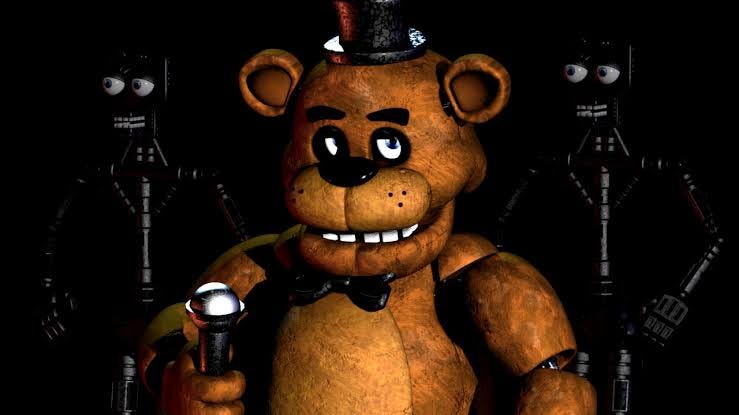
The story behind Five Nights at Freddy’s might be as fitting as anything hidden inside the restaurant.
Before creating Freddy Fazbear, Scott Cawthon released a family-friendly game called Chipper & Sons Lumber Co. Reviewers criticized its characters for resembling frightening animatronic animals.
Cawthon was devastated and considered leaving game development.
Then he decided to make something scarier.
He spent roughly six months developing Five Nights at Freddy’s alone, deliberately transforming the quality people had mocked into the foundation of a horror game.
That is more than a clever origin story.
It explains why the animatronics feel so effective.
Freddy and his friends are supposed to look cheerful, but their smiles never change. Their eyes stare too long. Their costumes resemble living characters until the lighting exposes the machinery underneath.
They exist in the uncomfortable distance between alive and lifeless.
Cawthon did not hide the thing people criticized.
He turned off the lights and made everyone stare at it.
A Horror Game Designed to Be Watched
Five Nights at Freddy’s arrived at exactly the right moment for online video.
The premise was understandable immediately. Viewers could follow the cameras, watch the power meter fall, notice an animatronic before the player did, and brace for the inevitable reaction.
Playing the game was frightening.
Watching someone else play created a different pleasure: the audience knew the monster was approaching and could do nothing except wait for the person holding the mouse to realize it.
Cawthon understood that appeal early. He described the satisfaction of frightening players and having their reactions captured on YouTube.
The game did not merely produce jump scares.
It produced performances.
Every frightened player became the lead actor in another showing of the same horror movie.
The Movie Was Already Inside the Game
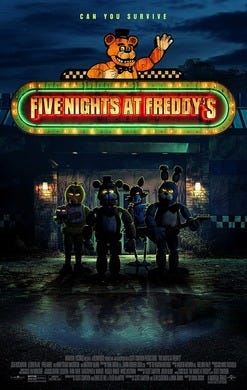
The franchise eventually escaped the security office.
Later games introduced new restaurants, new animatronics, larger environments, virtual reality, and eventually a fully explorable Mega Pizzaplex. Help Wanted placed the classic scenarios inside VR, while Security Breach allowed players to move through an enormous entertainment complex. More recent releases have continued expanding the universe beyond the original camera-and-door formula.
Then Five Nights at Freddy’s became an actual movie franchise.
Of course it did.
The original game was already using cinematic language. It had a contained location, a doomed employee, monsters moving outside the frame, cryptic backstory, a ticking clock, dark comedy, and a final scare waiting at the end.
But its most important trick could only work as a game.
A movie lets you watch someone survive Freddy Fazbear’s Pizza.
The game makes survival your responsibility.
You choose the camera.
You spend the power.
You hear the footsteps.
You close the wrong door.
You watch the battery reach zero.
And when Freddy’s face finally appears in the darkness, you cannot blame the character for making a stupid decision.
That decision belonged to you.
Five Nights at Freddy’s did not simply ask what would happen if a ridiculous horror movie became a video game.
It asked what would happen if the person watching became the next victim.
What game made you more afraid of what you could not see than what was directly in front of you?