Think of the world’s most famous sidekicks. Who comes to mind?
Robin? Dr. Watson? Chewbacca?
What about Luigi?
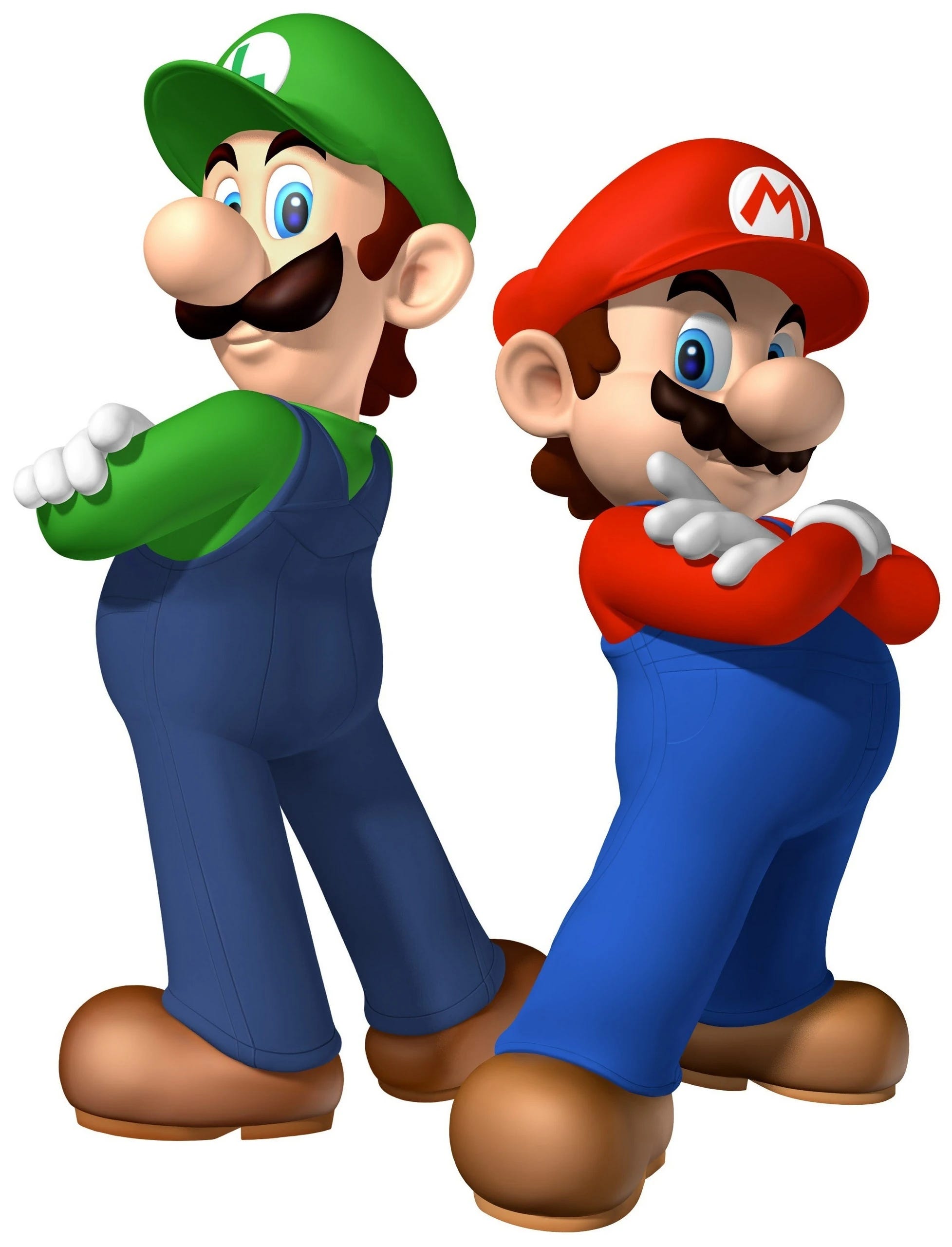
For decades, Luigi stood one step behind the most recognizable video game character on Earth. He went on the same adventures, cleared the same levels, and leapt across the same bottomless pits…but the spotlight always belonged to Mario.
That is the strange bargain of being a great sidekick. Everyone knows your name, but they know it in relation to somebody else.
The real test comes when that somebody disappears.
What happens when Player One is no longer there to lead the way?
Luigi had spent years following his brother into danger.
Then Mario disappeared.
The mansion was dark. The ghosts were real.
And for once, Player Two had to go in first.
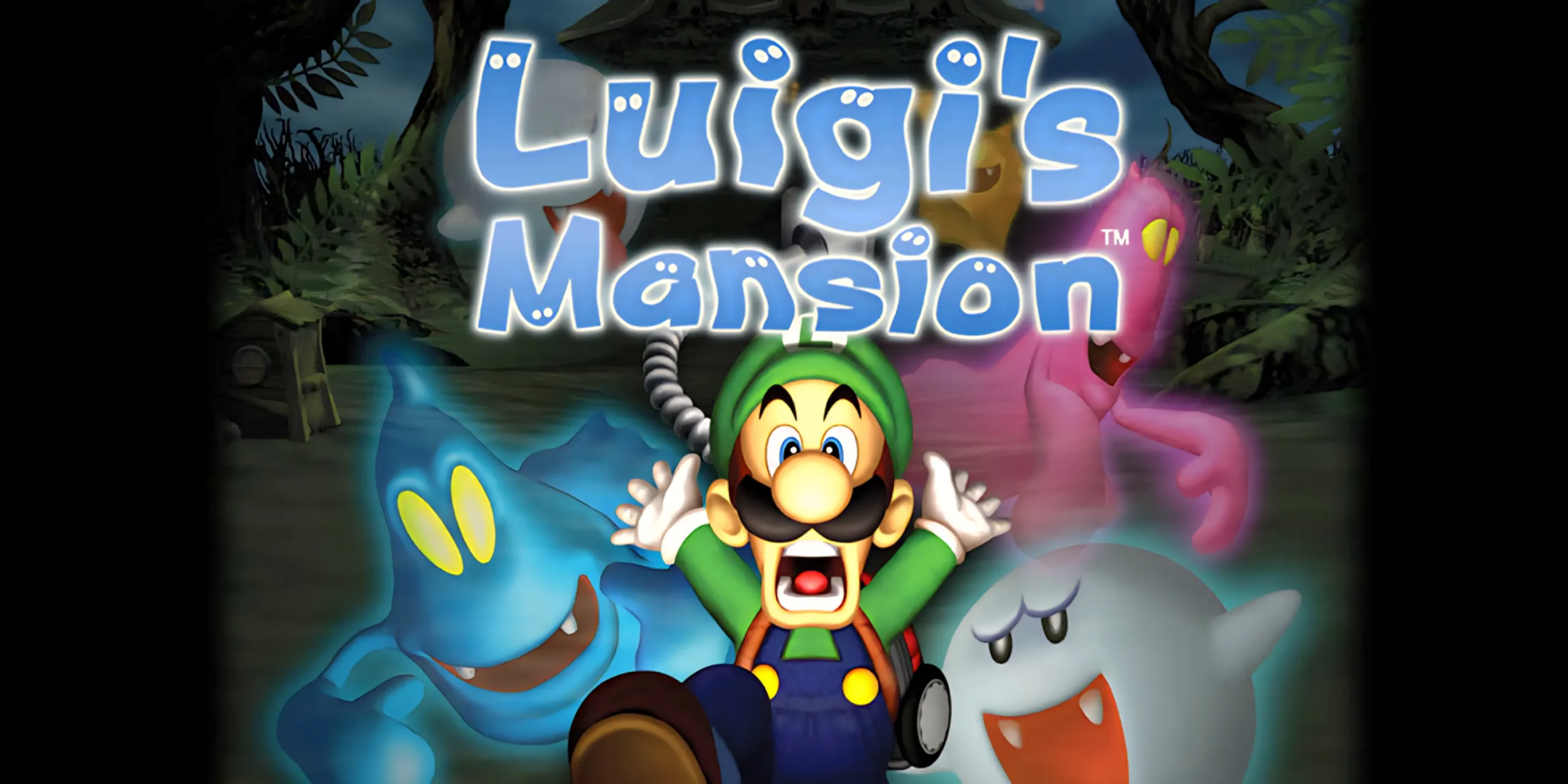
When Luigi’s Mansion launched alongside the Nintendo GameCube in 2001, it looked like one of Nintendo’s strangest opening acts. Instead of bounding across another bright Mushroom Kingdom, players were handed a flashlight, an industrial-strength vacuum cleaner, and the brother who traditionally waited for someone to select Player Two.
There were no bottomless pits to leap over. No castles to storm. No princesses to rescue.
There was only Luigi, standing outside a mansion he supposedly won in a contest he never entered, wondering why the front door looked like such a terrible idea.
For many players, Luigi’s Mansion remains the charming little ghost game where Luigi nervously hums to himself, calls out for Mario, and sucks spirits into the Poltergust 3000. It is remembered as a quirky GameCube launch title…a family-friendly haunted house built to show off new lighting effects, expressive animation, and a second analog stick.
That version of the game is not wrong. It just stops at the front door.
Because Luigi’s Mansion did not promote Luigi by transforming him into Mario. It made a hero out of everything Mario was not.
Player Two Goes First
The premise begins with a perfect reversal.
Luigi wins a mansion and asks Mario to meet him there. By the time Luigi arrives, Mario has vanished, the building is crawling with ghosts, and an eccentric scientist named Professor E. Gadd is his only source of help.
Nintendo gives Luigi the Poltergust 3000 and the Game Boy Horror, then sends him inside to find his brother. Eventually, he discovers that King Boo has trapped Mario inside a painting. Nintendo still summarizes the original adventure around those same essentials: a haunted mansion, a missing Mario, and Luigi using E. Gadd’s equipment to save him.
It is the familiar Nintendo rescue story with the polarity reversed.
Mario, the fearless hero, has been reduced to an object hanging on the wall. Luigi, the anxious understudy, is the only person left who can rescue him.
And Luigi is very clearly not prepared for this shit.
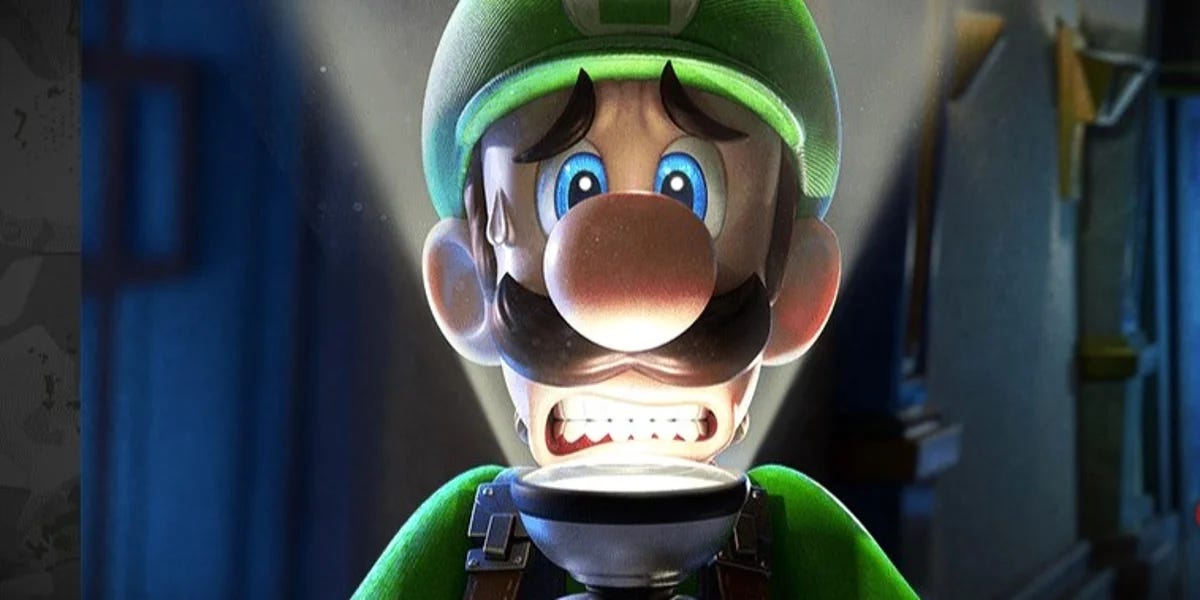
He does not march through the mansion with his chest out. He shakes. He jumps at noises. He reaches for doorknobs like they might bite him. When a hallway gets too quiet, he nervously hums the game’s theme as though he is trying to convince himself that everything is fine.
Everything is absolutely not fine.
That is the joke, but it is also the entire point.
A Hero Built Around Fear
Mario is designed around confidence.
His movement is fast, direct, and athletic. He runs toward danger because danger is usually something he can jump on.
Luigi enters danger like a man who has already imagined twelve different ways it could kill him.
His personality is communicated through nearly everything he does. His footsteps are cautious. His flashlight shakes. His cries for Mario become more strained as the night continues. Even standing still tells us something about him: Luigi would rather be anywhere else, but he refuses to leave without his brother.
That distinction is what makes the game more than a spooky side project.
Most games make the player brave by giving them power. Luigi’s Mansion makes bravery meaningful by giving its hero fear. Luigi never stops being terrified. The game never rewards him with a transformation into a cooler, tougher version of himself.
He simply keeps opening doors.
Mario would kick the door down.
Luigi would strongly prefer that the door remain locked.
Unfortunately, Mario is somewhere on the other side.
The Poltergust 3000 Makes Panic Playable
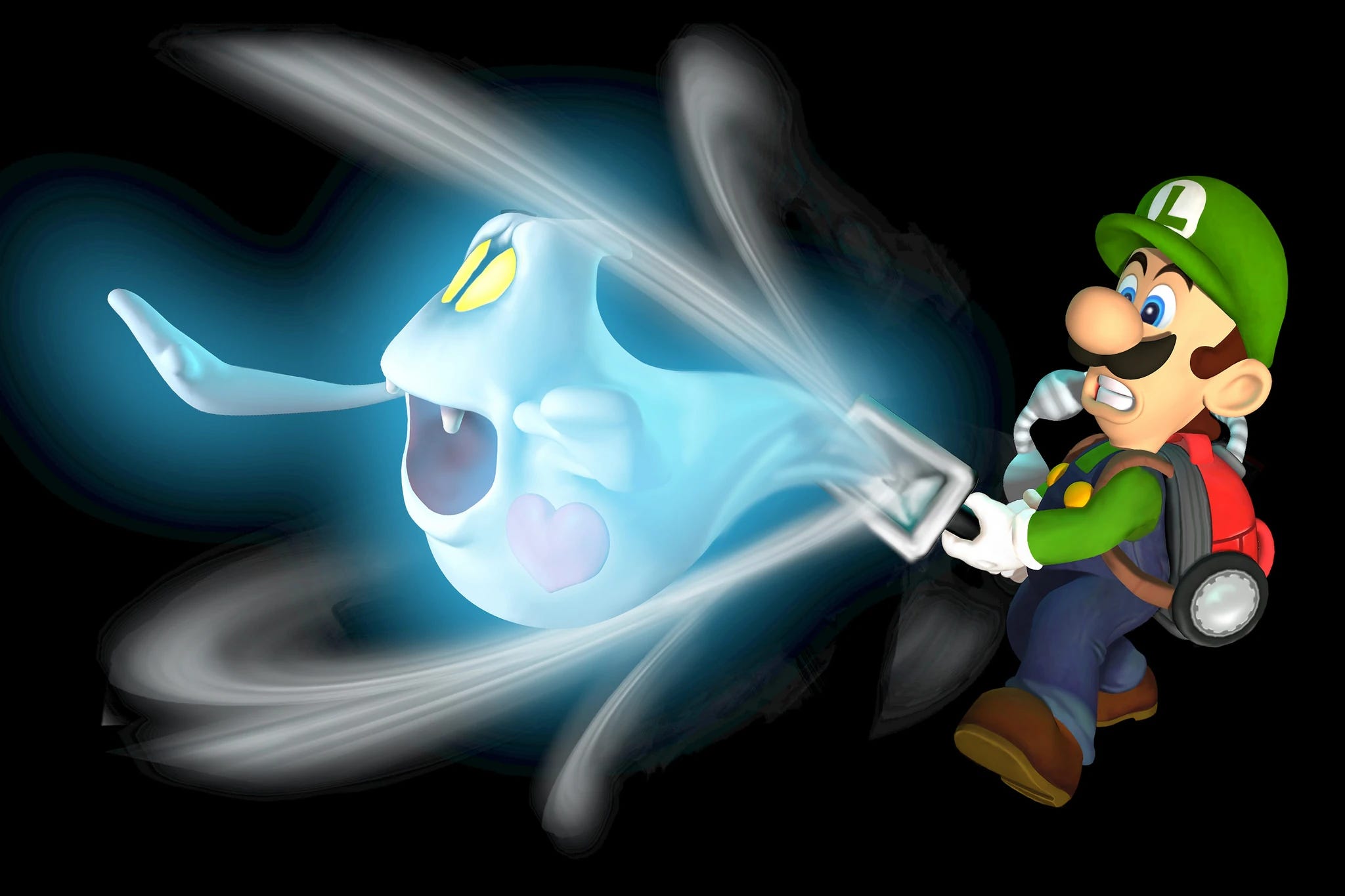
Luigi’s ghost-catching equipment is funny, but the mechanics underneath it are remarkably smart.
Encounters begin with uncertainty. You search a dark room, disturb the wrong object, and wait for something to reveal itself. When a ghost appears, Luigi must catch it in his flashlight beam, expose its heart, and fire up the Poltergust.
Then the haunting becomes a wrestling match.
Ghosts pull Luigi across the floor. Furniture gets in the way. Other spirits attack while he is trying to hold on. The player must resist the ghost’s movement and wear down its strength without losing control of the capture.
The result is not a traditional power fantasy. Luigi rarely feels like he is dominating the room.
He feels like he is barely preventing the room from dominating him.
That tug-of-war turns every successful capture into a tiny act of perseverance. Luigi does not defeat ghosts by jumping on them once. He finds them, startles them, grabs hold, and refuses to let go.
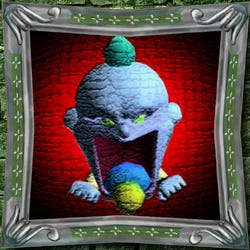
The portrait ghosts make that process even more interesting. These spirits cannot always be stunned immediately. The player must observe their routines, investigate the room, and discover what leaves them vulnerable.
A musician wants to perform. A bodybuilder is obsessed with his physique. A hungry ghost cannot stop eating. Each encounter becomes a miniature environmental puzzle built around the personality of the mansion’s former residents.
The solution is rarely found through force.
It comes from paying attention.
For Luigi, that feels exactly right.
The Mansion Is the Other Star
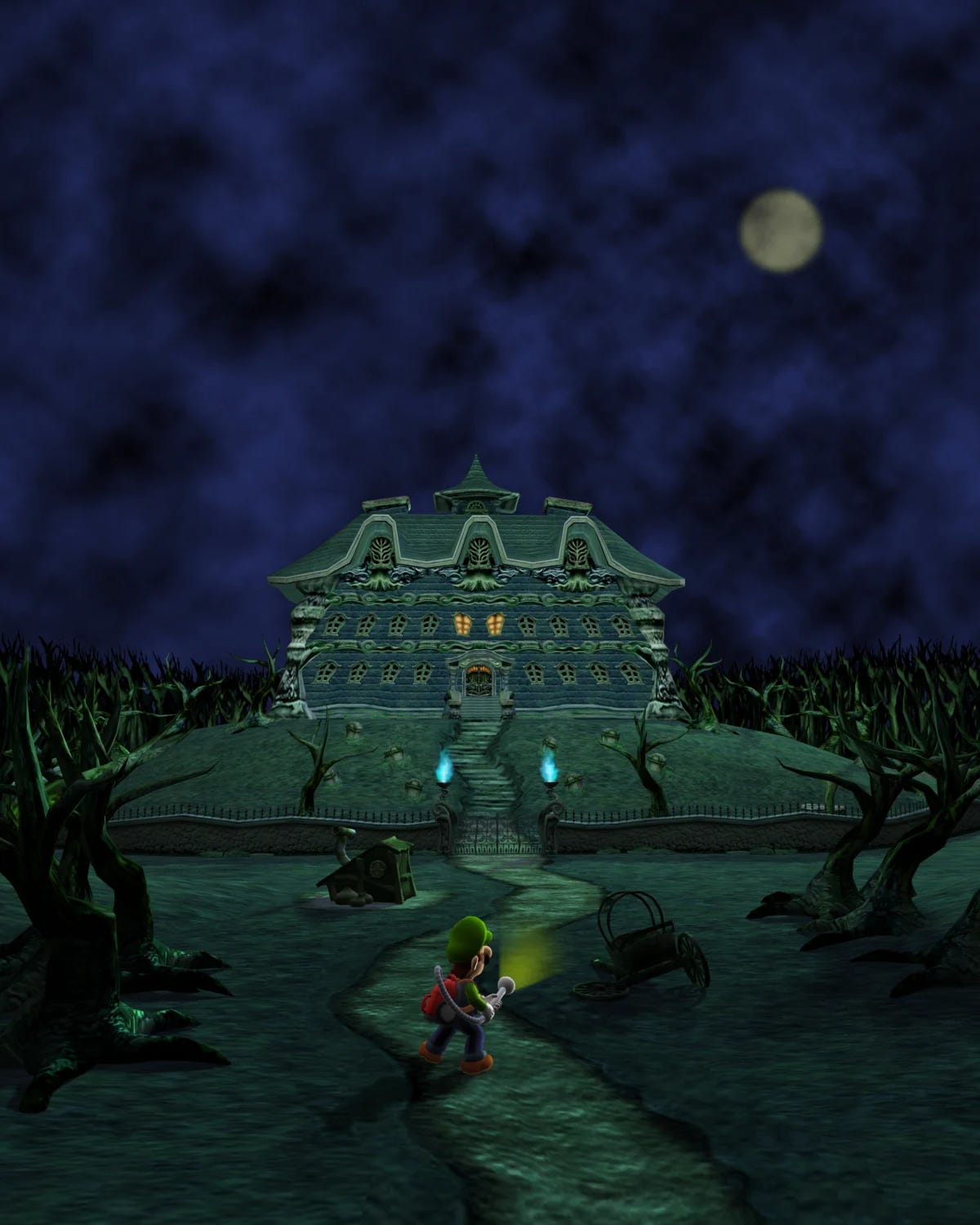
The mansion is not merely a collection of levels. It is a place the player slowly learns.
At the beginning, it feels impossibly large. Doors are locked. Hallways disappear into darkness. Candles flicker. Furniture rattles when nobody is near it. The camera peers into each room like someone watching a haunted dollhouse.
Every cleared room changes that relationship.
The lights come on. The music relaxes. A dangerous space becomes a temporary sanctuary. What was once unknown becomes familiar, and the mansion gradually turns from a nightmare into a map stored inside the player’s head.
That transformation is one of the game’s quietest achievements.
Traditional horror often depends on keeping the monster mysterious. Luigi’s Mansion lets the player domesticate the darkness one room at a time.
But the house never becomes completely safe.
A ghost may be hiding inside a wardrobe. A mouse can send Luigi stumbling. Boos slip through walls and force him to revisit rooms he thought he had finished. Hidden passages, suspicious mirrors, loose ceiling panels, and breakable objects continually suggest that the mansion is keeping secrets.
Even its treasure matters.
Luigi vacuums up coins, bills, pearls, gems, and gold bars scattered throughout the house. Part of the game’s final evaluation depends on how much wealth the player recovers, turning curiosity into a mechanical obsession.
You are supposedly here to rescue Mario.
You are also absolutely shaking every cabinet to see whether it contains money.
Both things can be true.
A Haunted House You Can Hear Breathe
The atmosphere would not work without the sound.
Luigi’s Mansion understands that horror becomes more effective when the player is forced to listen. Doors creak slowly. Ghosts laugh from somewhere beyond the camera. The Poltergust roars to life, furniture scrapes across the floor, and sudden noises interrupt long stretches of nervous quiet.
Then Luigi starts humming.
It is one of the game’s most memorable touches because it blurs the boundary between soundtrack and character. Luigi hears the same haunted melody we do, then quietly joins it—as if humming might keep the darkness from swallowing him.
His repeated calls for Mario accomplish something similar.
At first, pressing the button to make Luigi shout his brother’s name feels like a toy. Players spam it because the delivery is funny.
But deeper inside the mansion, the call starts to feel different.
It reminds us why Luigi is still there.
He is not hunting ghosts for fame. He is not trying to prove that he deserves his own franchise. He is walking through a nightmare because his brother needs him.
The fear never disappears.
The love simply becomes stronger.
Short, Strange, and Exactly as Big as It Needs to Be
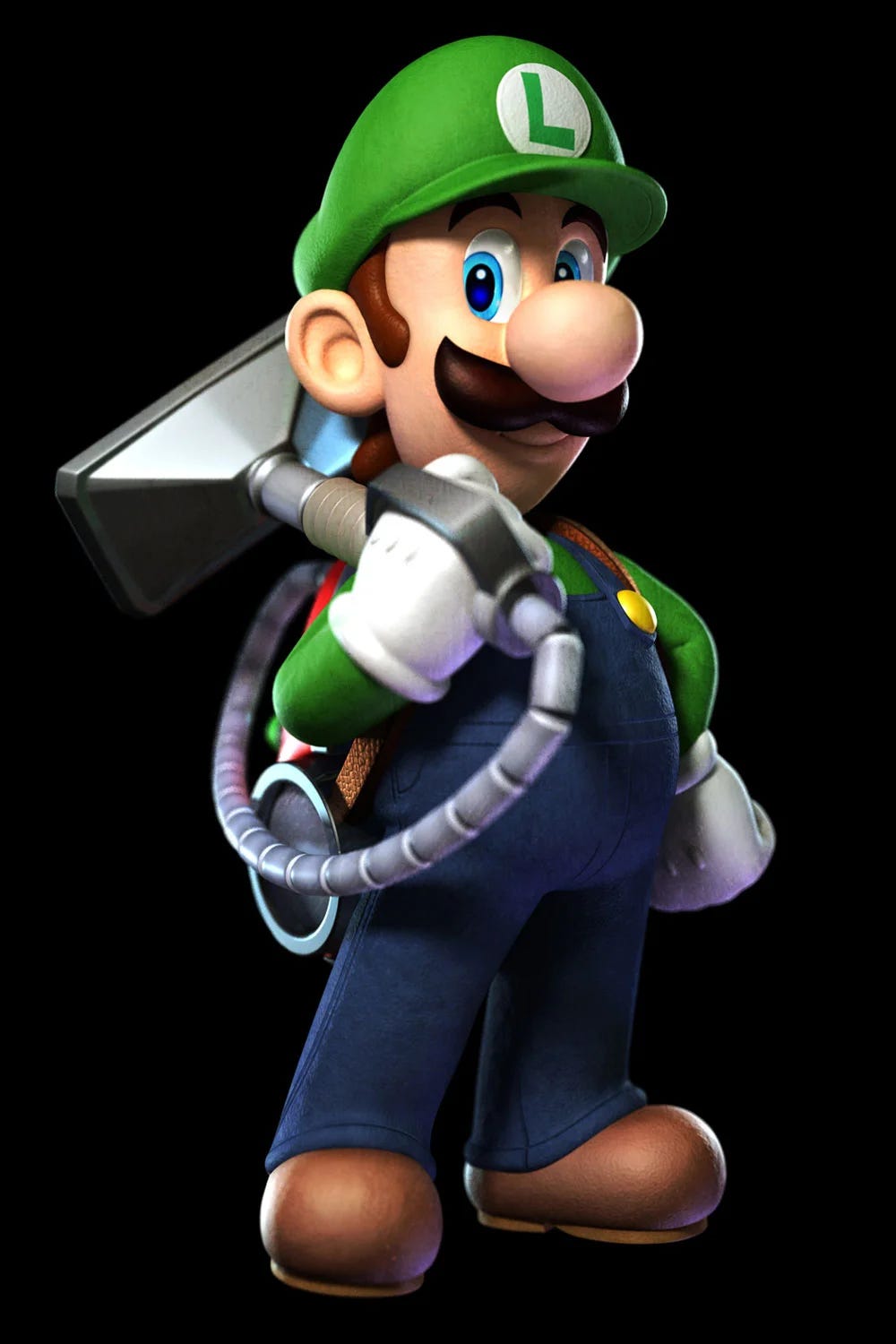
The original Luigi’s Mansion is a compact game, especially by modern standards.
Its backtracking can become repetitive. Hunting Boos occasionally interrupts the stronger rhythm of room exploration and portrait-ghost puzzles. The controls can feel stiff until the player adjusts to moving Luigi while independently aiming his flashlight and vacuum.
Anyone expecting a massive adventure may reach the ending and wonder where the rest of the game went.
But its size is also part of its strength.
Because the mansion is contained, its rooms become memorable. Players learn how the hallways connect, where each locked door leads, and which supposedly safe rooms still have something hidden inside them.
The game does not need a hundred hours to create a relationship between the player and its setting.
It needs…
- one house.
- One night.
- And one terrified man with a vacuum cleaner.
The Game That Let Luigi Become Luigi
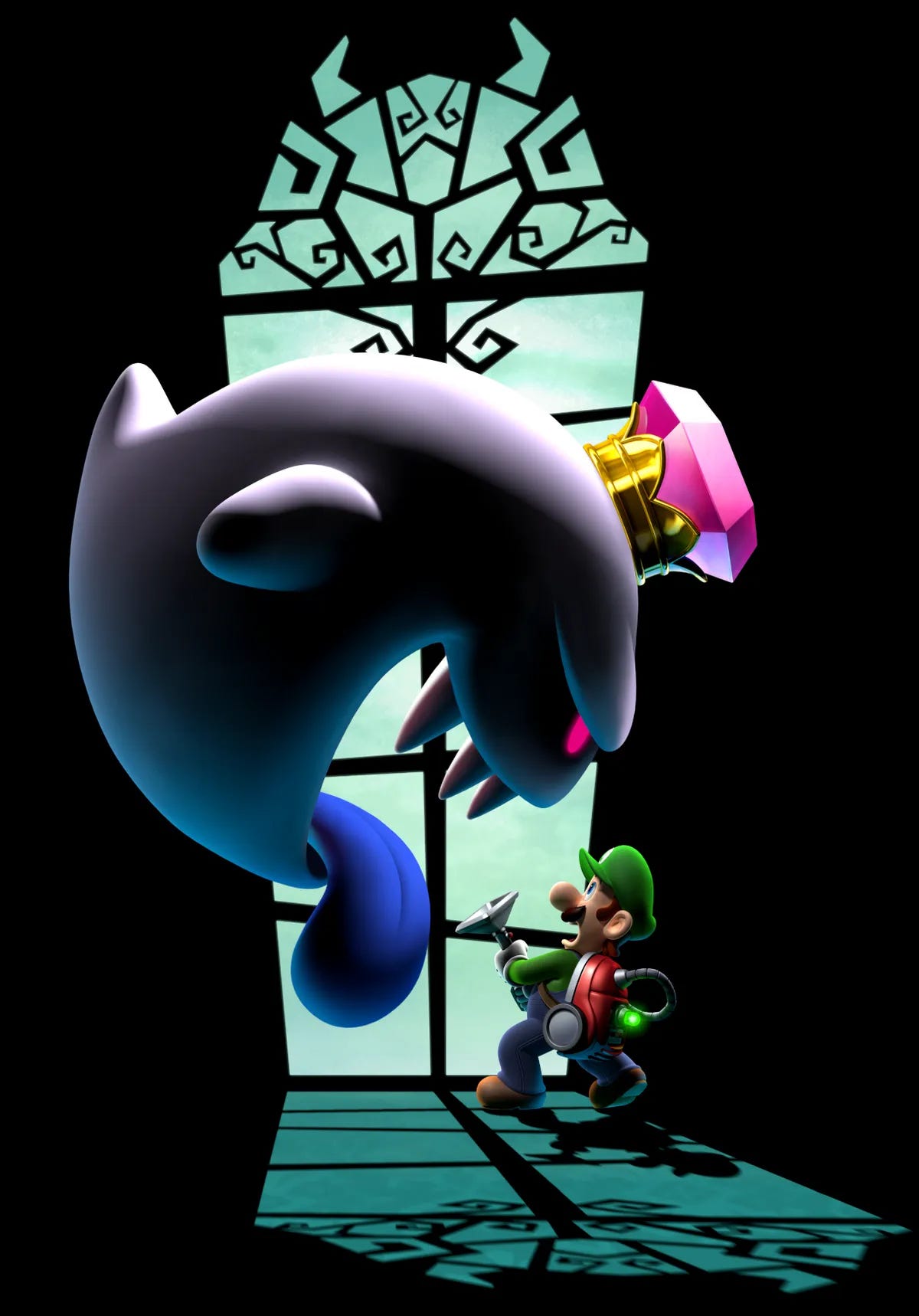
Luigi’s Mansion was not the first game to place Luigi in the spotlight, but it was the game that finally made his personality the foundation of an entire adventure.
Nintendo did not erase his awkwardness. It did not correct his fear. It did not make him faster, stronger, or more naturally heroic than Mario.
It made his vulnerability playable.
That decision permanently changed the character.
Luigi was no longer simply the taller brother or the green option on the character-select screen. He became expressive, sensitive, loyal, and frightened in ways Mario rarely had room to be.
Most importantly, his fear never disqualified him from heroism.
It defined it.
Courage is easy when the hero is convinced he cannot lose. Luigi expects something horrible to happen every time he touches a doorknob.
He touches it anyway.
Why Luigi’s Mansion Still Matters
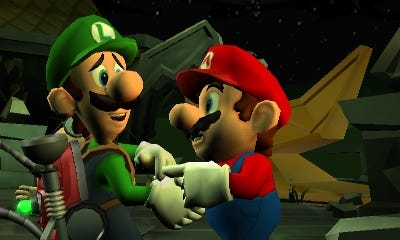
The sequels expanded nearly everything.
Luigi’s Mansion: Dark Moon sent Luigi through multiple haunted locations.
Luigi’s Mansion 3 moved the formula into a towering hotel, introduced Gooigi, added elaborate themed floors, and pushed Luigi’s animation into something approaching a playable cartoon. Nintendo’s description of the third game still frames the adventure around the same defining conflict: Luigi must conquer his fears to rescue Mario and his friends.
The original game has also returned through the Nintendo GameCube – Nintendo Classics library on Nintendo Switch 2. That release means all three main Luigi’s Mansion adventures can now be played on the system.
But despite the larger environments, new mechanics, and more elaborate ghost hunts, the series has never abandoned the idea that made the first game special.
Luigi does not need to become fearless.
He only needs to keep moving.
That is why Luigi’s Mansion remains more than a charming GameCube oddity. It is the night Nintendo stopped treating Luigi like a substitute for Mario and discovered what he could become on his own.
There may be no better way to close the first week of Bingetober.
We end inside a haunted house, surrounded by monsters, following a hero whose courage does not roar.
It trembles.
It hums nervously to itself.
And then it opens the next door.
What game made you stop seeing a sidekick as Player Two—and start seeing them as a hero in their own right?