History can find the army, the invasion, and the dead kings. Ragnar is where the trail disappears.
It can find the kingdoms the army invaded, the cities it captured, and the kings it killed.
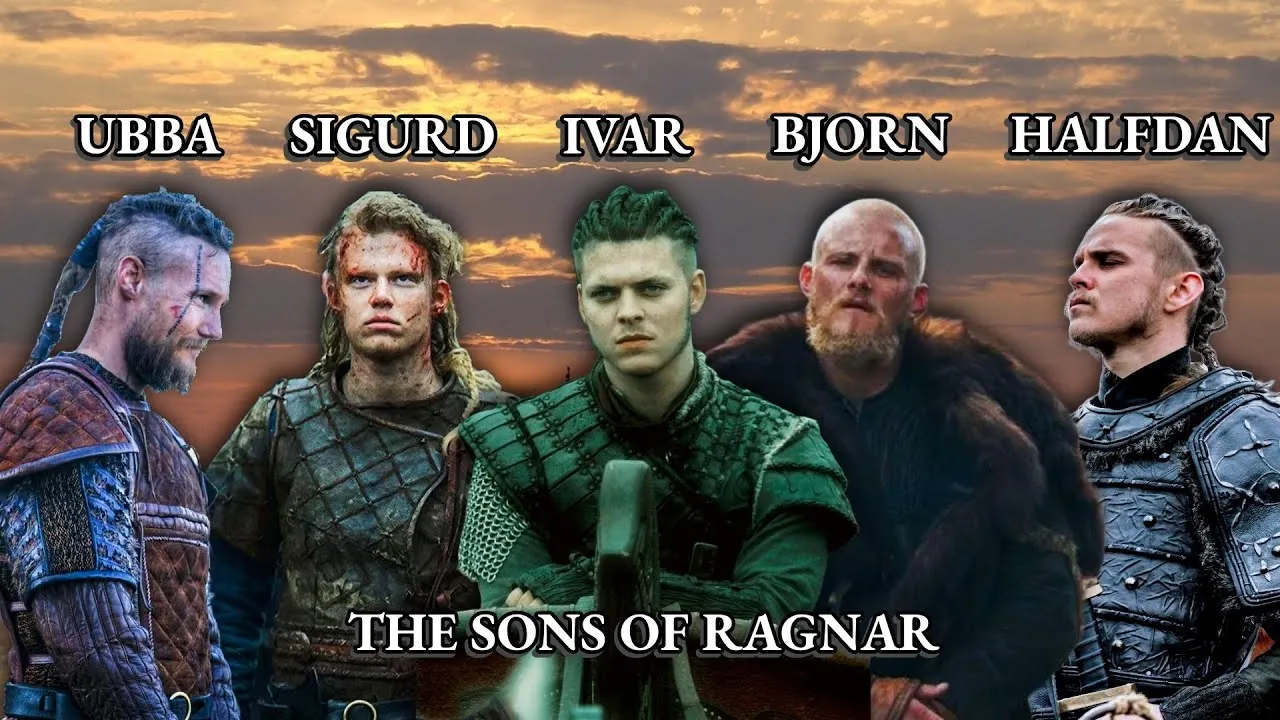
It can even find several of the warriors later remembered as Ragnar Lothbrok’s sons.
What history cannot find, at least not cleanly, is Ragnar himself.
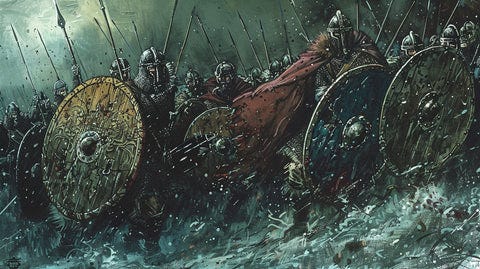
In the ninth century, a massive Viking force crossed into England, captured York, shattered kingdoms, and helped redraw the political map of the island.
The records preserve several familiar names: Hingwar, Hubba, and Healfden—men later remembered as Ivar the Boneless, Ubba, and Halfdan Ragnarsson.
What those records do not say is that they invaded England to avenge a legendary father thrown into a pit of venomous snakes.
That part came later.
The invasion was real. The kings were real. Many of the men inside the legend were real.
But the father who supposedly united them all?
That is where history ends and Ragnar Lothbrok begins.
The Story Everyone Knows
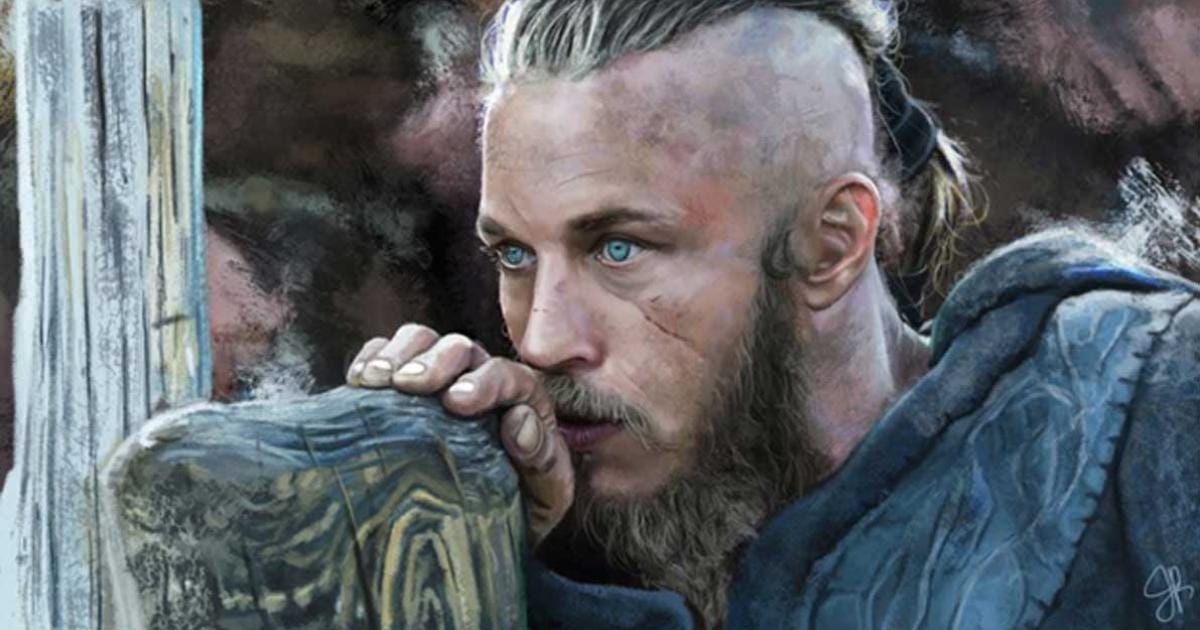
The familiar version begins with Ragnar, the fearless Viking king whose ambition eventually becomes larger than his army.
After years of raiding, ruling, marrying legendary women, and fathering an unreasonable number of terrifying sons, Ragnar decides to invade England with only two ships.
Depending on the version, he wants to prove that he remains greater than the children whose fame is beginning to eclipse his own.
His wife Aslaug warns him against the expedition.
Ragnar goes anyway.
It ends exactly as she feared.
Ragnar is defeated and captured by King Ælla of Northumbria. Because an ordinary execution would apparently be beneath a man of Ragnar’s reputation, Ælla has him thrown into a pit filled with venomous snakes.
Even then, Ragnar refuses to die quietly.
He boasts about the battles he fought, the enemies he killed, and the feast waiting for him in Odin’s hall. Before the snakes finish their work, he warns Ælla that the “young pigs” will squeal when they learn what happened to the old boar.
Those pigs are his sons.
Ivar the Boneless, Björn Ironside, Ubba, Halfdan, Sigurd Snake-in-the-Eye, and the rest gather an enormous army, invade England, capture Ælla, and inflict the blood eagle upon him.
A father dies.
His sons cross the sea for revenge.
His murderer receives a punishment even more horrifying than the one he inflicted.
It is dramatic.
It is brutal.
It is emotionally perfect.
And history is rarely that cooperative…..
The Anglo-Saxon Chronicle remembers something different.
It records a large Viking army arriving in East Anglia during the 860s, acquiring horses, moving north, capturing York, and defeating the divided kingdom of Northumbria. It records Ælla and his rival Osberht joining forces against their common enemy. It records both kings dying in the battle. What it does not record is Ragnar Lothbrok.
- There is no snake pit.
- There is no grieving family.
- There is no declaration of revenge.
- There is no blood eagle.
The full version of that story survives in texts written centuries after the invasion.
That does not mean every part of it was invented. Medieval writers may have inherited genuine names, oral traditions, family histories, and memories that never reached the surviving chronicles.
But it does mean no one was standing beside the snake pit taking notes.
The earliest records know the army. They know Ælla. They know several men later called Ragnar’s sons. They do not appear to know the story connecting them.
The Army Was Real
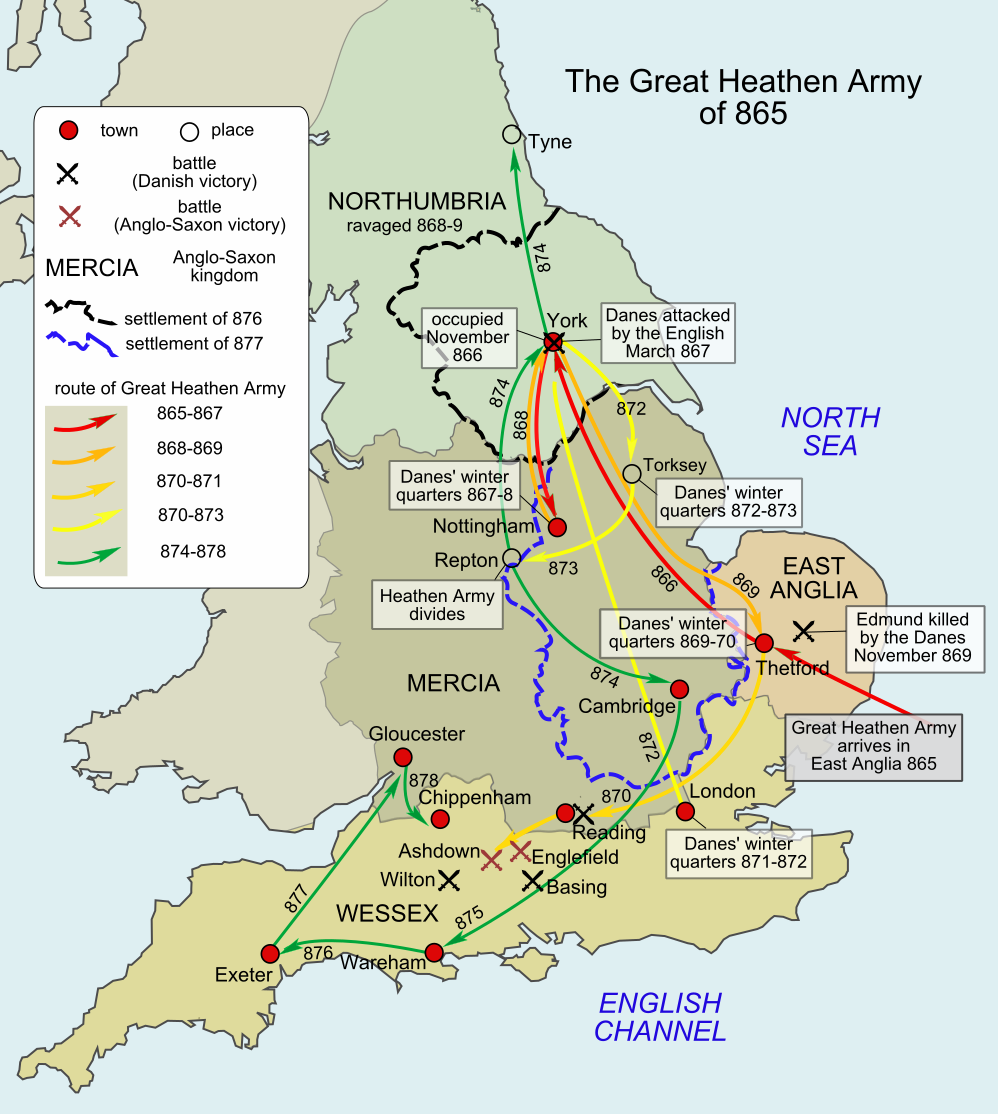
Around 865, a force remembered as the Great Viking Army or Great Heathen Army, arrived in England.
This was not another quick coastal raid.
Earlier Viking attacks often followed a recognizable pattern: arrive by ship, strike a wealthy target, seize whatever could be carried, and disappear before a local army could respond.
This force stayed.
After wintering in East Anglia and obtaining horses, the army moved into Northumbria. That kingdom was already weakened by a civil conflict between Osberht, its deposed king, and Ælla, the man who had replaced him.
The Vikings captured York in 866.
The following year, Ælla and Osberht temporarily set aside their rivalry and attacked the city together. The battle became a disaster for the Northumbrians. Both kings were killed, and the survivors made peace with the invaders.
So Ælla existed. A Viking army really did capture his kingdom. He really did die fighting it. But the surviving English account places his death inside the battle for York…not beneath an eagle carved into his back.
The historical events already contained almost everything a storyteller could want.
- A divided kingdom.
- A captured city.
- Two rival kings making one desperate final stand.
- A foreign army strong enough to kill them both.
All the story lacked was a personal reason for any of it to happen.
The Sons Step Out of the Fog
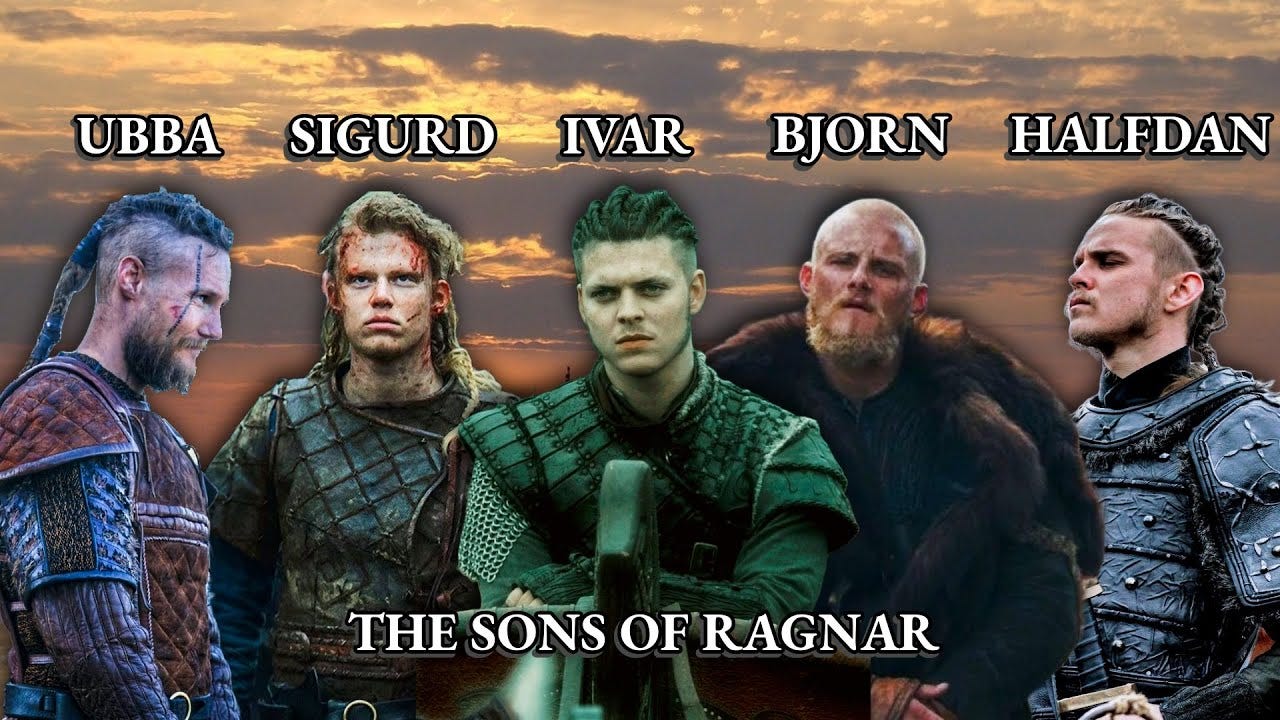
Several warriors later identified as Ragnar’s sons appear much closer to the actual events.
The Anglo-Saxon Chronicle names Hingwar and Hubba during the Viking conquest of East Anglia.
These names are generally connected to Ivar and Ubba.
Healfden (Halfdan) —also appears as one of the army’s kings. He eventually led part of the force back into Northumbria, where his followers settled and divided land among themselves.
These were not imaginary warriors added to make Ragnar’s family tree more intimidating.
They commanded armies, fought kings, conquered territory, and changed the political future of England.
Ivar may also have been the same person as Ímar, a powerful Viking ruler who appears in Irish records and was remembered at his death as king of the Norsemen in Ireland and Britain. Historians still debate that identification, but either way, a formidable Viking leader stood behind the name.
Björn is more difficult.
Frankish chronicles mention a Viking commander called Berno operating along the Seine during the 850s. He may have contributed to the later figure of Björn Ironside, but those records do not hand us a name tag reading:
BJÖRN IRONSIDE
SON OF RAGNAR
YES, THAT RAGNAR
Sigurd Snake-in-the-Eye and Hvitserk are even harder to secure outside the later traditions. Hvitserk may have been another name or epithet for Halfdan, or he may represent a different warrior whose history was eventually swallowed by the family legend.
Several men remembered as Ragnar’s sons were therefore historical Viking leaders.
What we cannot prove is that they were all brothers. We cannot prove that Ragnar was their father.
An army can be real while its family tree is legendary.
Hunting for Ragnar
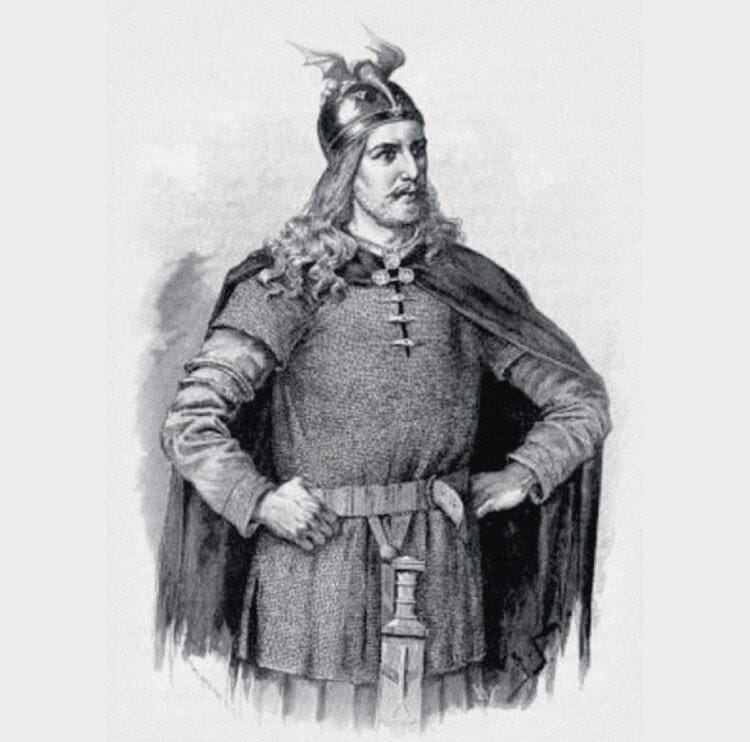
History does offer possible candidates for Ragnar himself.
In 845, a Viking leader recorded as Reginherus led a large fleet up the Seine and attacked Paris. Charles the Bald, king of West Francia, eventually paid an enormous ransom to make the Vikings leave.
The name sounds tantalizingly close to Ragnar. The timing works. The scale of the raid fits the reputation later attached to him.
Reginherus could be one historical ingredient in the Ragnar legend. But one ingredient is not the entire meal.
Different sources connect Ragnar to adventures spread across decades and enormous distances. His wives change depending on who is telling the story. His sons change. His kingdoms change. Even Björn’s mother cannot remain consistent.
Ragnar may have been one historical warlord whose life was heavily embellished.
He may have been several Viking leaders gradually merged into one character.
He may have begun as a legendary father attached to famous men whose actual ancestry had been forgotten.
Or the truth may sit somewhere between all three.
History gives us candidates.
It does not give us Ragnar’s birth certificate.
Why Did the Army Need a Father?
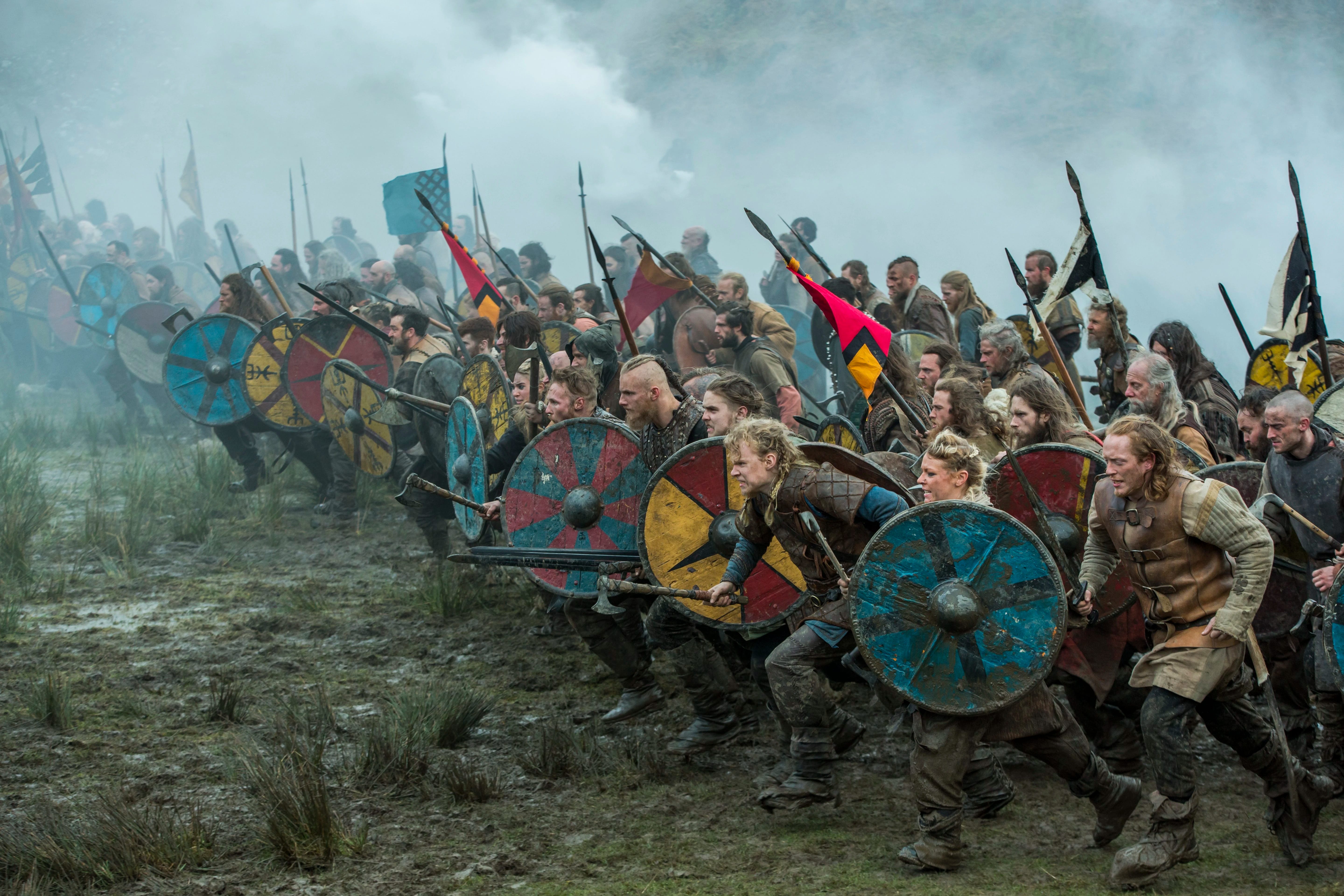
This is where the legend becomes historically valuable even if it stops being literally reliable.
The Great Viking Army was probably a coalition of warriors with different leaders, backgrounds, ambitions, and connections stretching across Scandinavia, Francia, Ireland, and the wider Viking world.
That is historically fascinating.
It is also a nightmare to turn into a memorable story.
A family is easier.
Instead of explaining shifting alliances, rival warbands, political opportunities, land hunger, migration, and decades of Viking expansion, the saga gives us brothers.
Instead of asking why a massive coalition entered England, it gives us revenge.
Instead of Ælla dying because he attacked an occupying army inside York, he dies because he murdered the wrong father.
The story transforms geopolitics into family drama.
Legends do that.
- King Arthur gathers knights around the Round Table.
- Robin Hood gathers Merry Men in Sherwood Forest.
- Ragnar gathers sons.
Whether all those men were truly related almost becomes beside the point. The family gives the story shape. It turns scattered warriors into characters inside one saga and decades of conquest into the consequences of one terrible mistake.
Ælla did not simply lose a battle.
He awakened a bloodline.
The Warning Inside the Legend
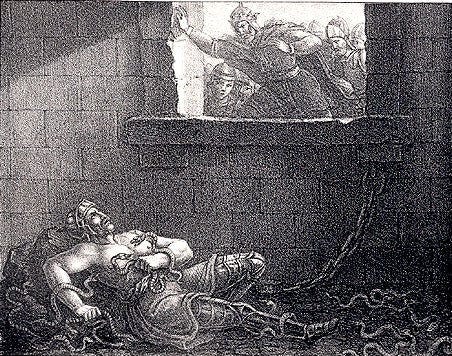
The saga also carries a warning, and Ragnar is the one who refuses to hear it.
He does not die because he lacks courage. He dies because his courage has become inseparable from his pride.
His sons are building reputations of their own, so Ragnar attempts an invasion with two ships to prove that the old boar still stands above the young pigs.
Aslaug warns him. Ragnar refuses to listen.
The greatest enemy in his final story is not Ælla. It is the reputation Ragnar can no longer bear to share.
His death in the snake pit transforms that failure into martyrdom. It is no longer the reckless end of a proud warlord. It becomes the opening act of something larger.
The father falls.
The sons rise.
The blood eagle then gives the story the violent symmetry it demands. Ælla’s punishment mirrors the horror of Ragnar’s death and restores balance to a world thrown into chaos.
Whether those events happened matters to history.
Why generations continued telling them matters too.
The Invasion Was Bigger Than Revenge
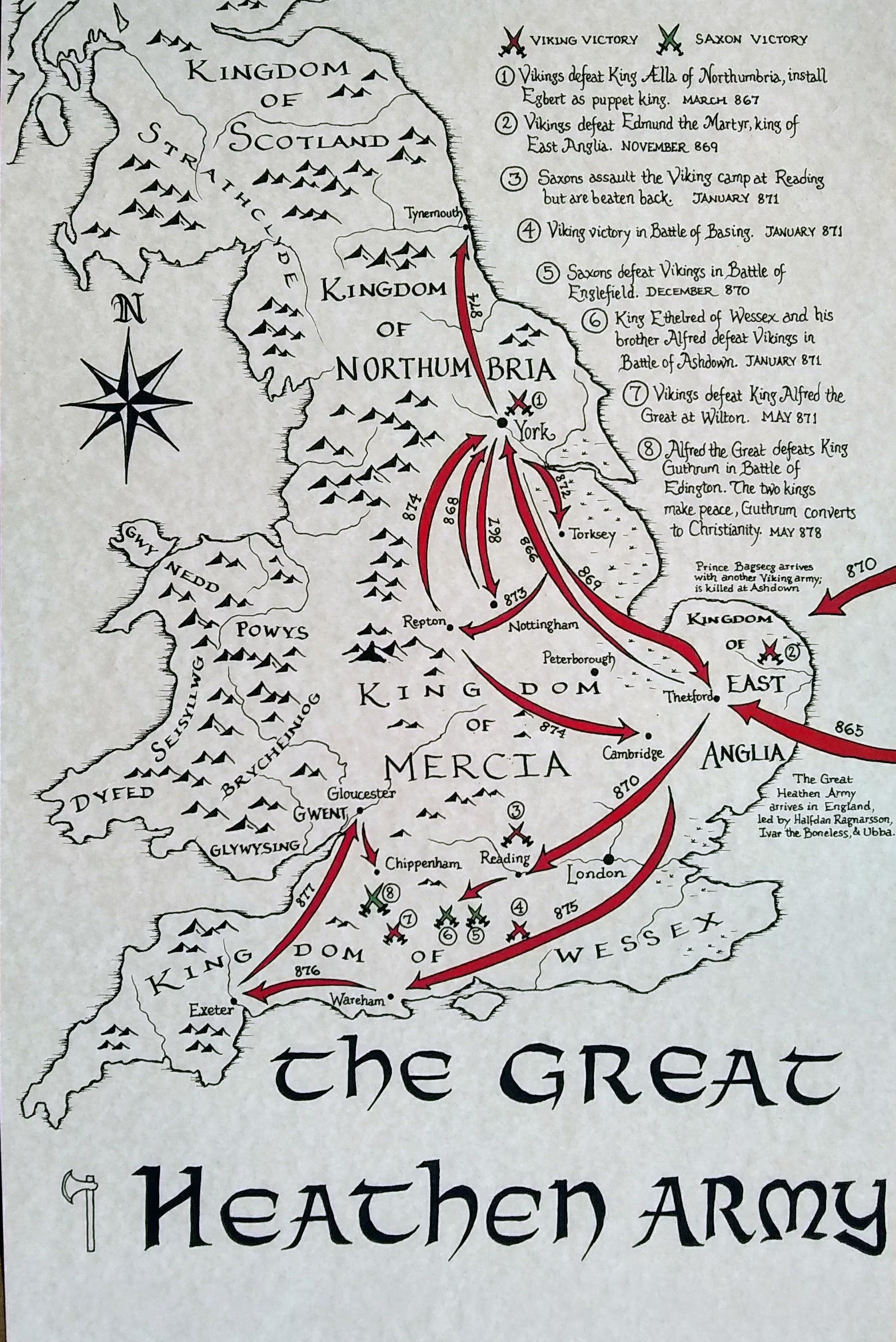
The Great Viking Army did not punish one king and sail home.
It remained in England for years.
Its forces moved through Northumbria, Mercia, East Anglia, and Wessex. They overthrew rulers, installed cooperative kings, seized land, established settlements, and forced Anglo-Saxon kingdoms to adapt or disappear.
Only Wessex survived the first great wave of conquest, eventually producing the resistance associated with Alfred the Great.
Archaeological work at places such as Torksey and Repton has also complicated the familiar image of a temporary military camp.
These sites contain evidence of trade, metalworking, repair, silver exchange, gaming, settlement, and burial.
The army increasingly resembles a mobile community; not simply several thousand men waiting for the next battle.
Warriors came. But, so did craftspeople, traders, families, and settlers.
Some intended to conquer. Some intended to profit. Some eventually intended to stay.
Their presence helped create the Anglo-Scandinavian world later associated with the Danelaw and permanently changed England’s language, politics, population, and culture.
That story does not require Ragnar’s death to explain it.
The real causes were larger than one family.
But those causes were much harder to fit inside a saga.
We Are Still Building Ragnar
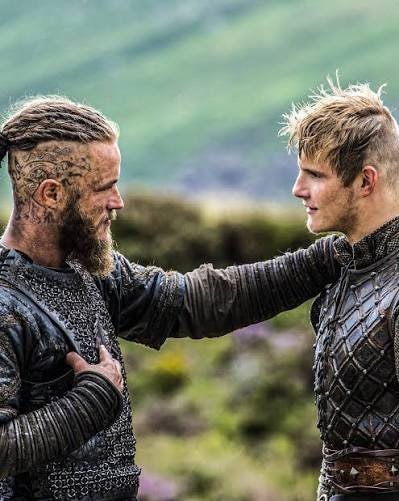
The television series Vikings famously rearranged people, relationships, and historical events to create one coherent life for Ragnar Lothbrok.
But modern television did not begin that process. It inherited it.
The medieval storytellers were already combining conflicting traditions, attaching famous warriors to the same family, and reshaping decades of history into one enormous character arc.
Vikings simply became the latest storyteller to ask the same irresistible question:
What if all these stories belonged to one man?
That does not make the series historically accurate.
It makes the series part of the tradition.
Ragnar has never remained still for long. Every generation rebuilds him from whatever pieces it inherits: warlord, king, explorer, husband, father, martyr, television antihero.
History cannot hold him because the legend was built to contain more than one life.
The Final Word
Perhaps Ragnar Lothbrok was a forgotten Viking warlord.
Perhaps he was several warriors fused together.
Perhaps later storytellers looked at a generation of famous conquerors, gave them one father, and then gave that father a death powerful enough to explain their war.
We may never know.
But beneath the serpents, prophecies, enchanted clothing, and blood eagles sits something undeniably real.
- The army came.
- York fell.
- Kings died.
- England changed.
History did not create those events to support the legend.
The legend grew because those events were too enormous to forget.
It did not invent the storm.
It gave the storm a face, a bloodline, and a reason to cross the sea.
The legend did not invent the invasion.
It gave the invasion a father.
Ctrl+Binge Question:
Who do you think Ragnar Lothbrok was: one forgotten warlord, several historical warriors fused together, or the legendary father an entire age needed?