The NFL is back.
Across the country, fantasy lineups are being finalized. Predictions are being made. Jerseys are coming out of closets. Every fan has convinced themselves that this could finally be their team’s year.
But for generations of football fans, the season begins before the opening kickoff.
It begins when the new Madden arrives.
- The cover is revealed.
- The ratings are debated.
- The rosters are loaded.
- A new Franchise begins.
Another completely reasonable person decides they could run an NFL organization better than its actual general manager.
Last week, we celebrated what happens when an annual football tradition disappears.
This week, we celebrate the one that never left.
FAMILIAR VERSION
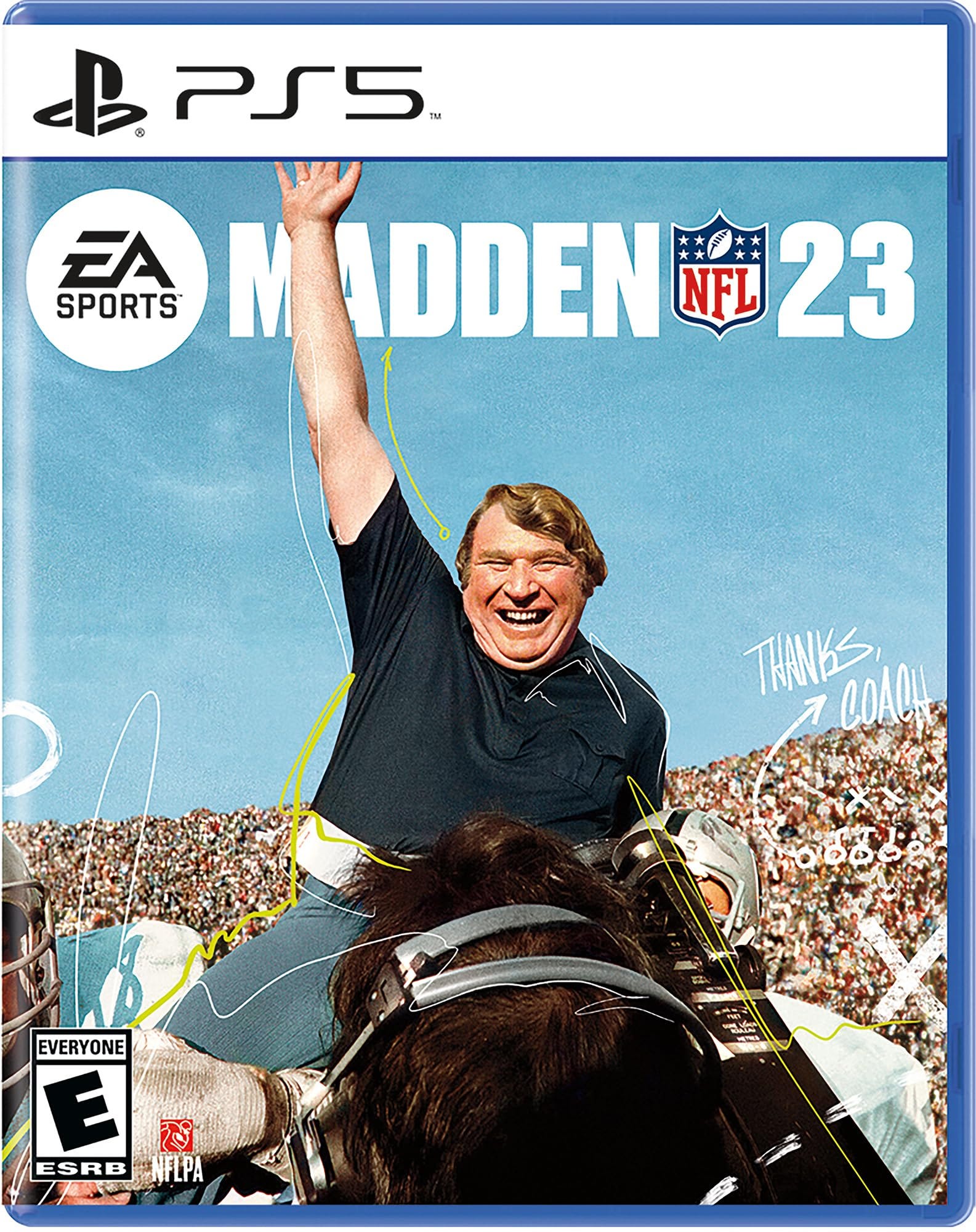
Everyone knows Madden.
It is the football game that comes out every year.
Each new year has updated rosters. A new cover athlete. A few new mechanics. Another season of Ultimate Team. Another round of arguments about whether Franchise Mode received enough attention.
That familiarity can make Madden easy to dismiss. Annual sports franchises are often treated as predictable products rather than individual games. Players debate whether enough has changed, whether old features should return, and whether this year’s version justifies another purchase.
Those are fair conversations.
But they also hide something remarkable: Madden has been part of football culture for nearly four decades.
Consoles changed. Graphics changed. Players retired. Teams relocated. Broadcast networks changed.
The NFL evolved from one generation of stars to another.
Madden remained.
It isn’t merely a video game based on football.
It is a playable history of football—and the continuation of one man’s lifelong mission to help people understand it.
DEEP DIVE
Before Madden Was a Game
There is an entire generation of players who never watched John Madden coach.
Many never heard him call a game.
They don’t remember the telestrator, the Madden Cruiser, Thanksgiving broadcasts, turducken, or that unmistakable voice punctuating a replay with one thunderous word:
BOOM!
They know Madden as the name printed across the top of a video-game case.
And yet, they still know exactly what that name means.
Football.
That may be John Madden’s most extraordinary accomplishment. His individual careers have gradually moved further into history, but his name remains permanently attached to the sport he loved.
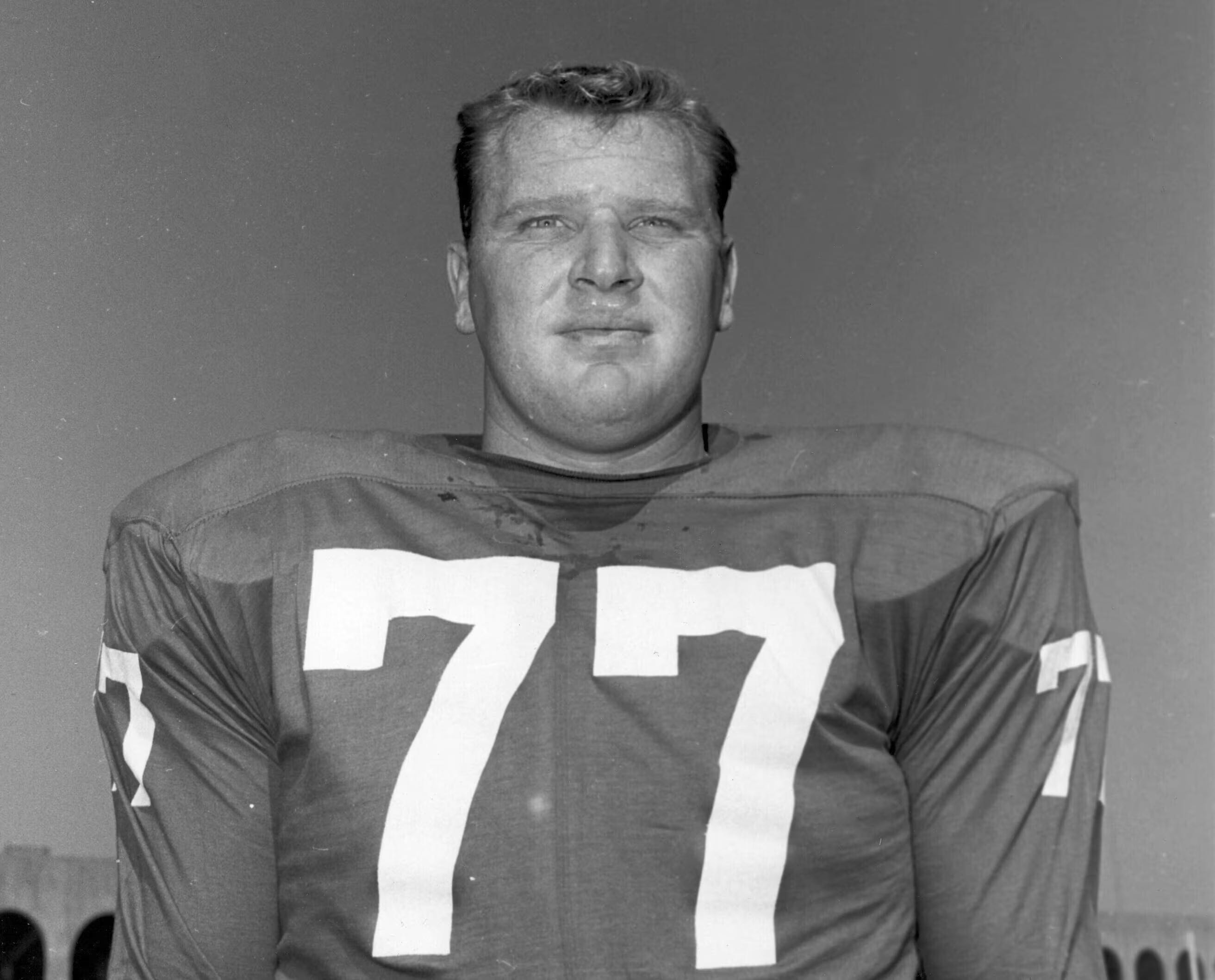
Before the game, Madden was a player.
He competed in football and baseball at Cal Poly, starting on both offense and defense and earning all-conference honors. The Philadelphia Eagles selected him in the 1958 NFL Draft, but a knee injury ended his playing career before he could appear in a regular-season professional game.
That injury could have ended Madden’s relationship with football.
Instead, it changed how he participated in it.
He became a teacher.
The Coach
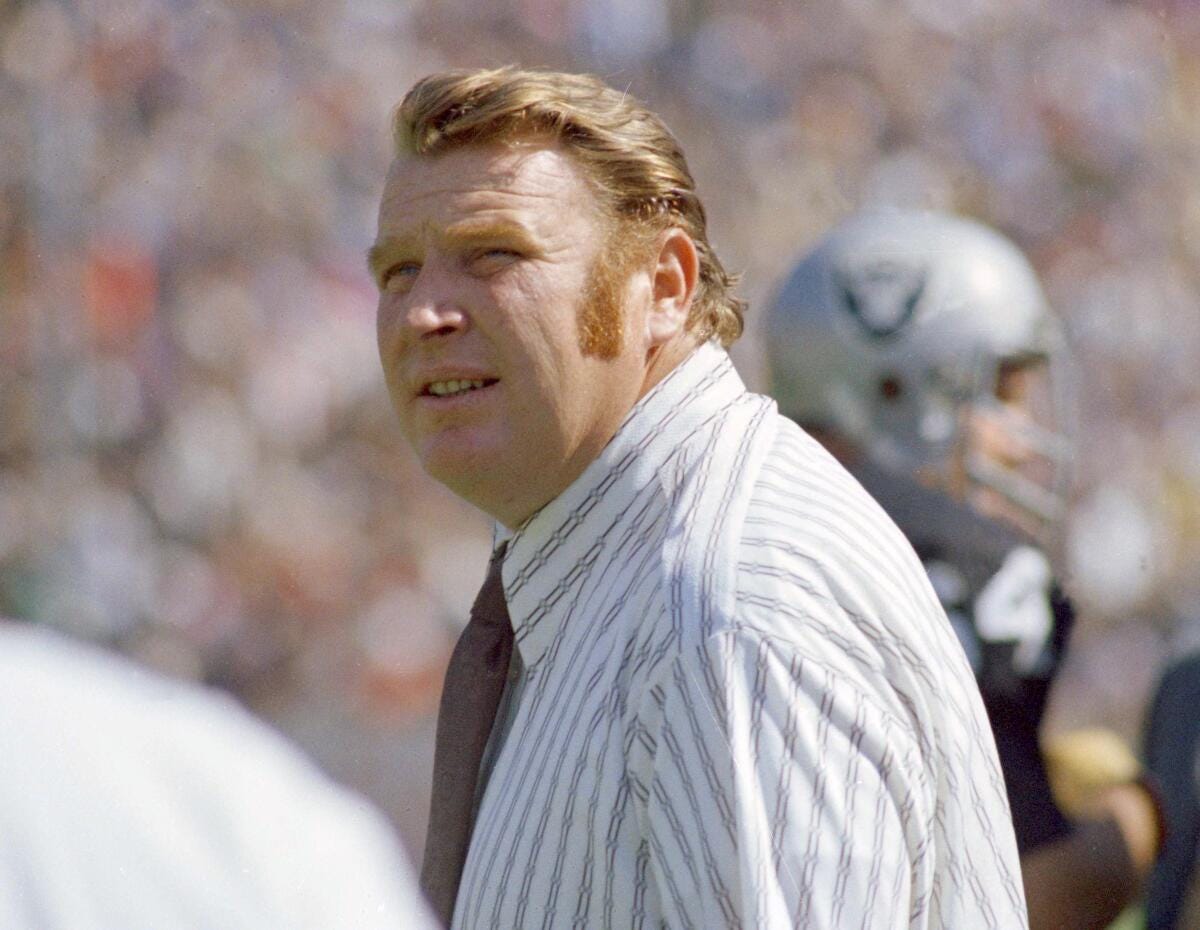
Madden began coaching at Hancock Junior College before joining Don Coryell’s staff at San Diego State. In 1967, the Oakland Raiders hired him to coach their linebackers. Two years later, at only 32, he became the youngest head coach in the American Football League.
The Raiders never suffered a losing season during his ten years in charge.
Madden finished his head-coaching career with a 103-32-7 regular-season record, seven division championships, eight playoff appearances, and a victory over the Minnesota Vikings in Super Bowl XI. His .759 regular-season winning percentage remains the highest among coaches who reached 100 victories.
He was inducted into the Pro Football Hall of Fame in 2006.
That résumé would have been enough to define almost anyone’s life.
For Madden, it was only the first career that made him a football icon.
The Voice
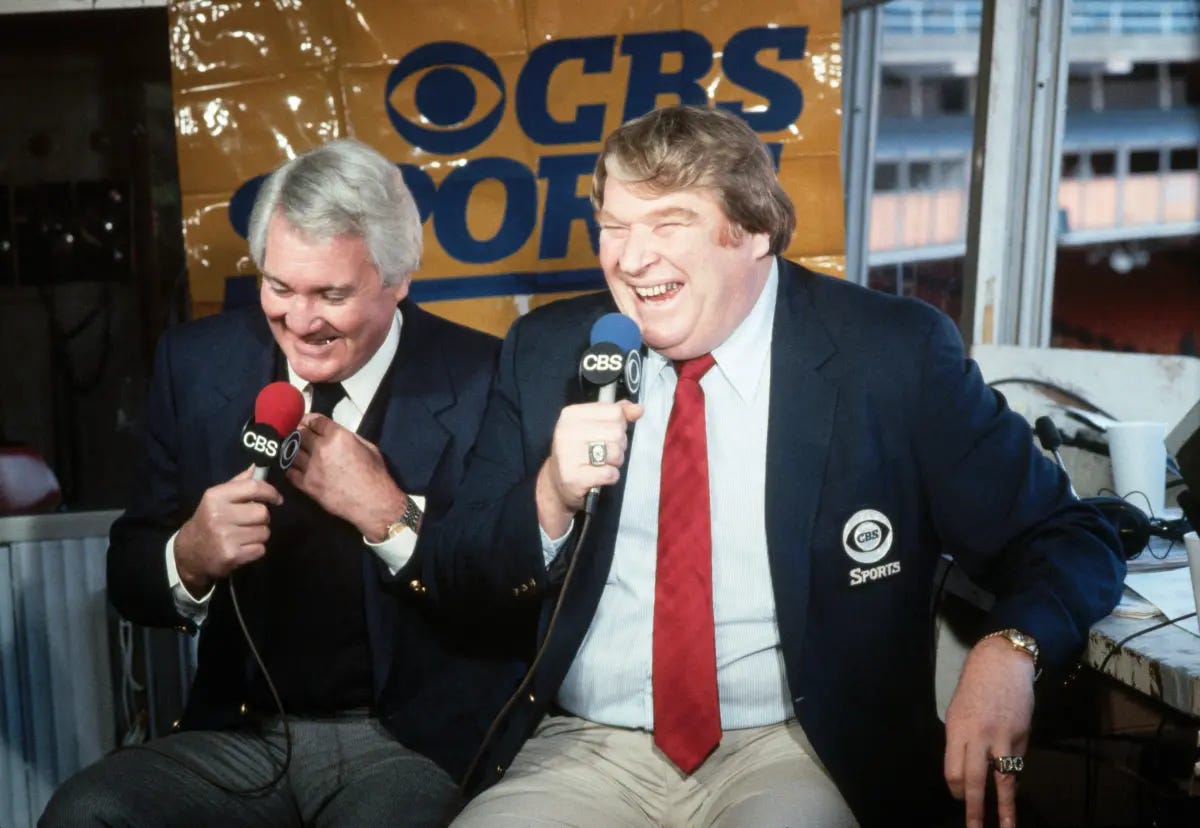
After leaving coaching, Madden entered the broadcast booth in 1979.
Television revealed something that his players already understood: John Madden could teach.
He could identify the smallest detail on the field and explain why it mattered. Blocking schemes, formations, footwork, momentum, weather, fatigue—Madden understood the machinery beneath a football game.
More importantly, he could explain it without making the audience feel unwelcome.
He drew routes on the telestrator. He celebrated offensive linemen. He made strange sounds. He described enormous athletes colliding with the enthusiasm of someone who still could not believe he had the best seat in the stadium.
Madden eventually called games for CBS, Fox, ABC, and NBC, earned 16 Emmy Awards, and became one-half of one of football’s defining broadcast partnerships with Pat Summerall.
One generation knew him as the coach of the Raiders.
Another knew him as the voice of Sunday afternoon.
The next would know him from a controller.
The Man Becomes the Game
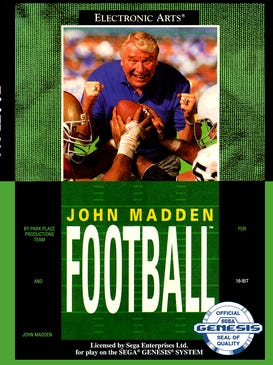
Electronic Arts founder Trip Hawkins approached Madden in 1984 about helping create a football simulation.
Madden had one major condition.
It needed to be real football.
The technology of the era made smaller teams easier to place on the screen, but Madden insisted upon eleven players against eleven players. He did not want a simplified arcade interpretation wearing football’s uniform.
He wanted the game itself.
Madden believed a video game could help people learn football and participate in it at a sophisticated level. That philosophy delayed development, complicated the project, and ultimately gave the franchise its identity.
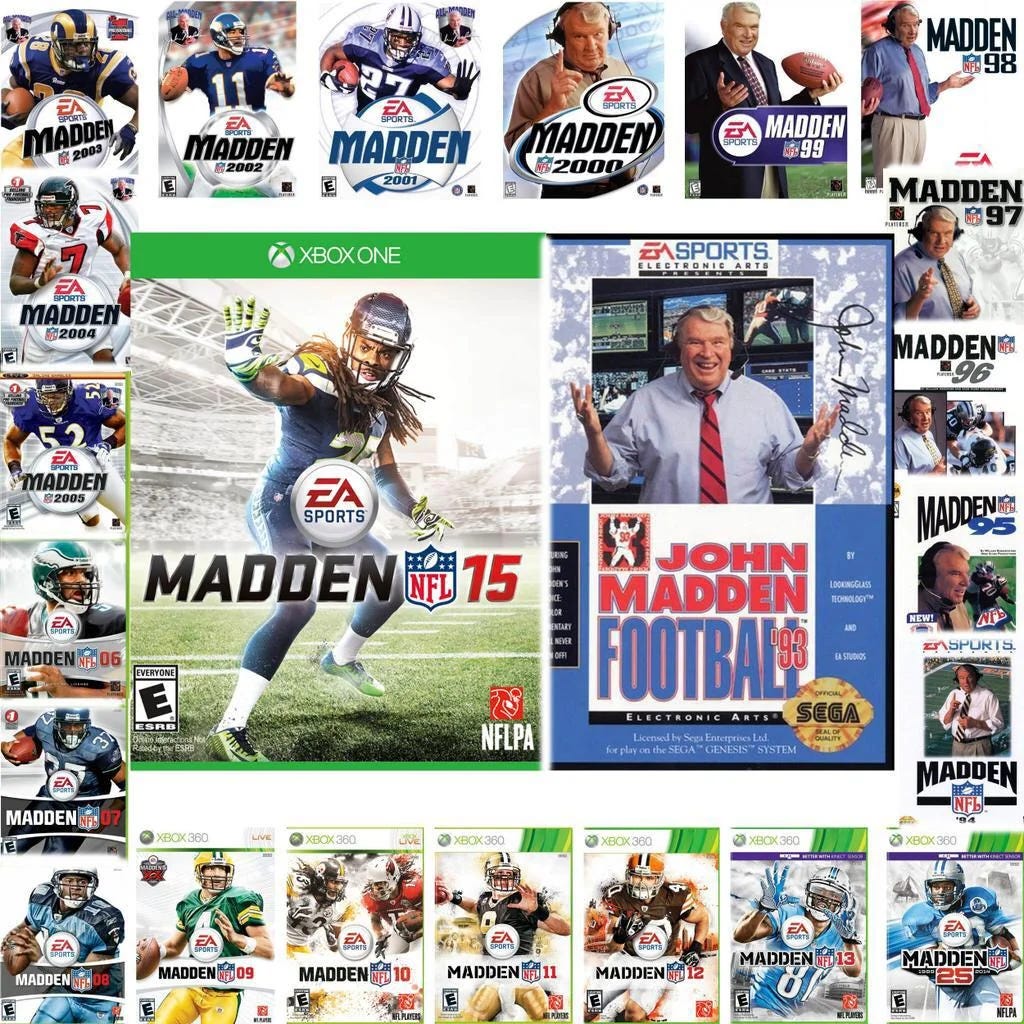
The first John Madden Football arrived in 1988.
What began as a game on computer disks and cartridges grew across the Sega Genesis, Super Nintendo, PlayStation, Xbox, and every major generation of hardware that followed. The series acquired the NFL license for Madden NFL ’94, then added real player names in Madden NFL ’95.
Eventually, Madden stopped being only the man on the cover.
Madden became the game.
The Game That Taught Us Football
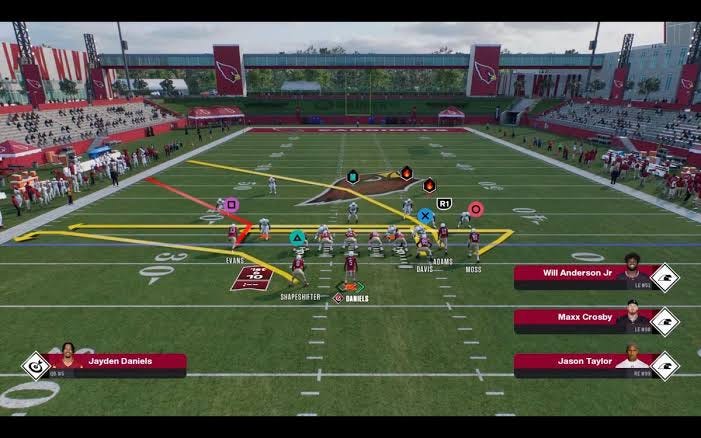
Plenty of people learned football by watching their parents or playing the sport.
Plenty of others learned it by playing Madden.
The game taught us that third-and-two and third-and-twelve require completely different decisions.
It taught us what nickel and dime packages were.
It introduced us to play-action, zone coverage, safety blitzes, audibles, hot routes, clock management, depth charts, free agency, salary caps, and the terrible consequences of throwing across your body into double coverage.
Madden let us experiment.
What happens if the defense expects a blitz? Why does a running game become more valuable late in the fourth quarter? How do you attack Cover 2? Why does the offensive tackle matter when the quarterback is the one holding the football?
The game transformed those questions into something players could see.
John Madden learned football as a player. He taught it as a coach. He explained it as a broadcaster.
Through the video game, he let millions of people experience it for themselves.
His greatest coaching tree may not exist on an NFL sideline.
It may be the generations of people who understand football better because they played the game carrying his name.
Everybody Has Their Madden
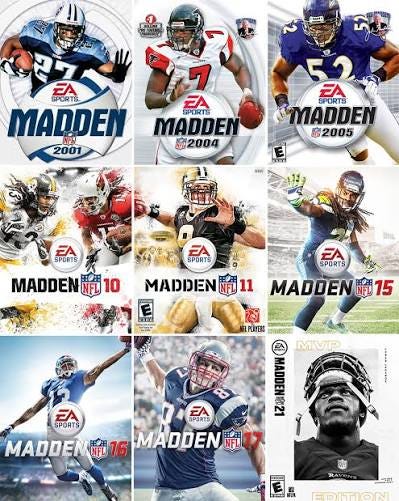
Ask longtime players which Madden belongs to them and you will receive completely different answers.
Some remember the simplicity of the Genesis and Super Nintendo years.
Some remember playing on the original PlayStation, when polygonal players and television-style presentation made the game feel impossibly advanced.
For others, the PlayStation 2 era represents Madden’s creative peak.
Madden 2004 gave players Michael Vick, whose combination of speed and arm strength transformed couch multiplayer into a test of friendship.
Madden 2005 put Ray Lewis on the cover and introduced the Hit Stick, making defense feel as aggressive and exciting as offense.
Madden 06 experimented with the QB Vision Cone and introduced Superstar Mode, allowing players to experience a career from the perspective of one athlete.
Not every experiment worked. That was part of the fun.
Each annual release could introduce a mechanic that became essential, a feature everyone wanted removed, or one strange idea players would passionately defend twenty years later.
Then there was Franchise Mode.
Players could control a team across multiple seasons, manage contracts, scout rookies, navigate free agency, make trades, develop young players, and gradually shape an organization in their own image.
Winning a single game was satisfying. Building a team capable of winning for a decade was something else entirely.
Madden allowed us to play coach, general manager, scout, owner, and quarterback, sometimes badly, but always confidently.
The Sound of Football Season
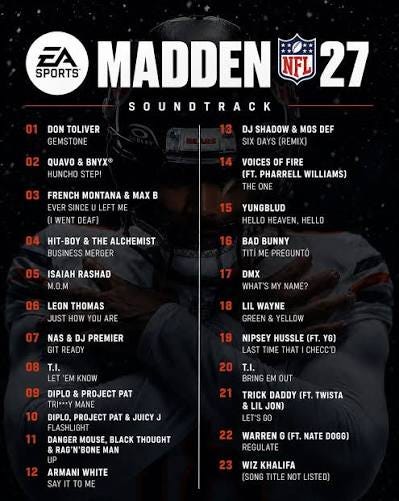
Madden did not only teach players what football looked like. It helped define what football sounded like.
There were the familiar announcers, crowd reactions, quarterback cadences, whistles, collisions, and orchestral NFL Films music that made an ordinary menu feel like the beginning of the Super Bowl.
Then came EA Trax.
During the 2000s, Madden soundtracks became locker-room mixtapes. Rock, punk, rap, metal, and alternative music accompanied roster management, practice sessions, and hours spent navigating Franchise menus.
Players discovered artists through Madden and carried those songs with them long after the console was turned off. EA eventually described the soundtracks as a combination of a locker-room playlist and an in-stadium hype mix. Madden NFL 27 continues that tradition with an 80-song soundtrack.
Sometimes a song does more than remind you of a game.
It reminds you of the room where you played it. The friend sitting beside you. The team you selected. The version of yourself holding the controller.
An Annual Family Argument
Loving Madden does not require pretending the franchise has always fulfilled its potential.
Its exclusive position as the NFL’s licensed simulation game removed the direct competition that once came from franchises like NFL 2K. EA and the NFL extended that exclusive simulation partnership again in 2025.
The yearly development schedule creates its own pressure.
Franchise players have questioned whether their preferred mode receives enough attention. Features have disappeared, returned, or been reintroduced years later. Technical problems have frustrated players. Ultimate Team’s prominence has changed the series’ priorities and business model.
Every August brings excitement. It also brings arguments.
- Is the gameplay better?
- Are the ratings fair?
- Did Franchise Mode improve?
- Is the new mechanic meaningful?
- Was something fixed—or merely renamed?
Those criticisms do not erase Madden’s importance. They demonstrate it.
Players demand more because they remember how ambitious the franchise could be. They have spent years building teams, creating athletes, playing friends, and attaching memories to individual editions.
This is not a funeral for Madden. It is a family argument.
You can love the franchise, appreciate what it gave you, and still demand that it honor the standard attached to John Madden’s name.
WHY IT MATTERS
Last week, Free Play Friday celebrated the return of EA Sports College Football.
That series disappeared for eleven years, teaching players how much an annual gaming tradition could mean once it was taken away.
Madden presents the opposite story.
It never left.
Every year brought another cover athlete. Another ratings debate. Another rookie class. Another Franchise. Another opportunity to call Four Verticals when every reasonable football decision suggested otherwise.
Because Madden remained so dependable, it became easy to take for granted.
But annual sports games are more than roster updates. They are markers on the calendar.
Madden arrives while training camps are ending, fantasy drafts are beginning, and fans are talking themselves into another season of hope. It serves as the digital opening ceremony for the NFL year.
The football season begins on television. But for millions of players, it starts when they press Start.
MODERN CONNECTION
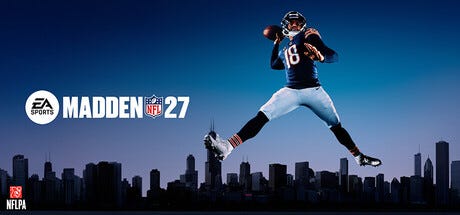
Madden NFL 27 carries that tradition into the 2026 NFL season.
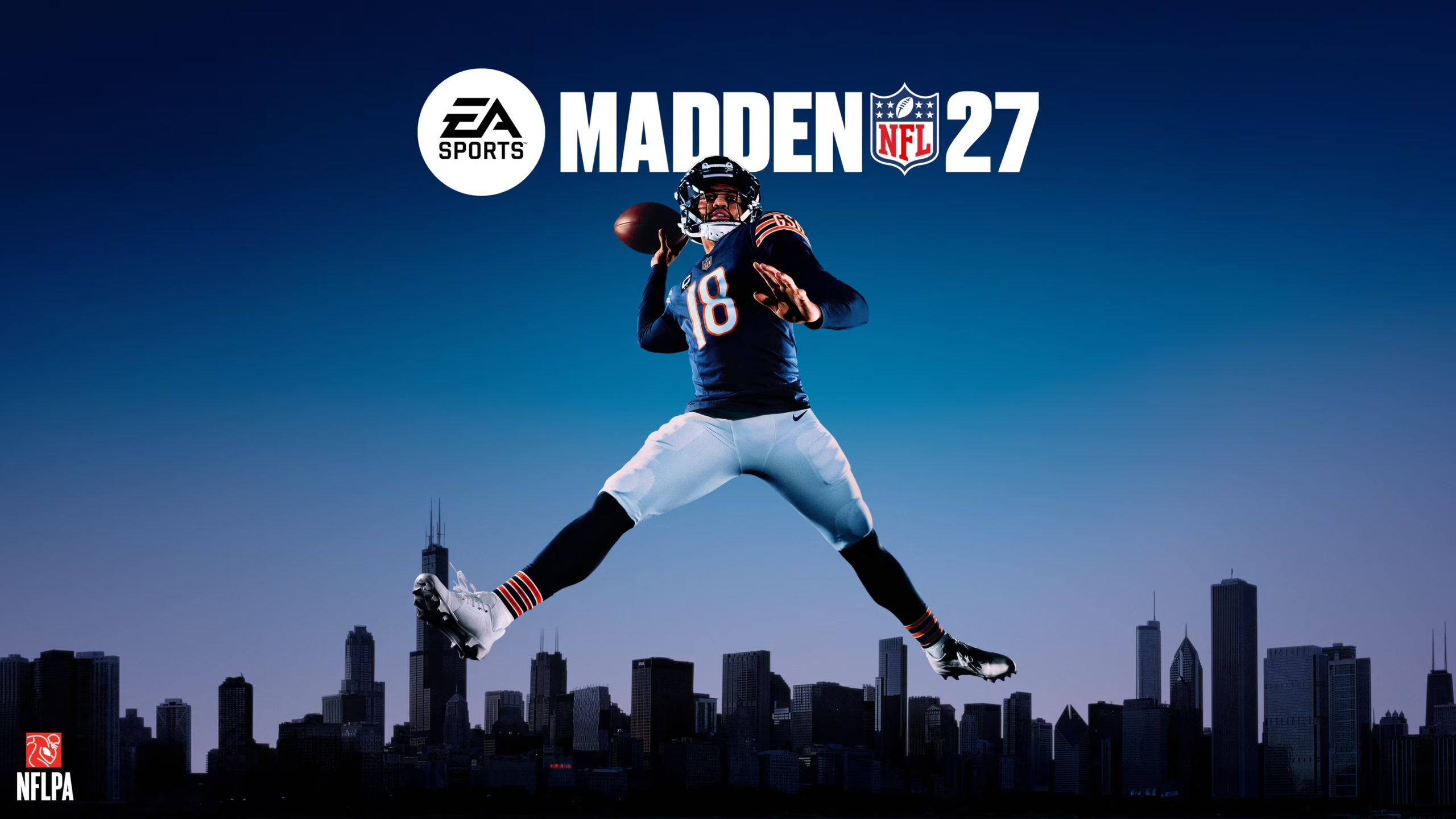
Chicago Bears quarterback Caleb Williams appears on the cover, becoming the latest athlete to occupy a space once held exclusively by Madden himself. The game launched on August 13 for PlayStation 5, Xbox Series X|S, PC, and Nintendo Switch 2.
Its expanded Franchise Mode includes more detailed contract structures, no-trade clauses, incentives, franchise and transition tags, restricted free agents, and a more active free-agency period. The tools are more complicated because the NFL has become more complicated.
But beneath the technology, Madden’s original philosophy remains recognizable.
Represent football authentically. Teach people how it works. Let them participate.
Nearly four decades after the original game, John Madden is still coaching.
The classroom simply has millions of controllers.
QUESTION
Which Madden was your Madden? And, what memory, mode, player, soundtrack, or friendship made it yours?
A FINAL THOUGHT
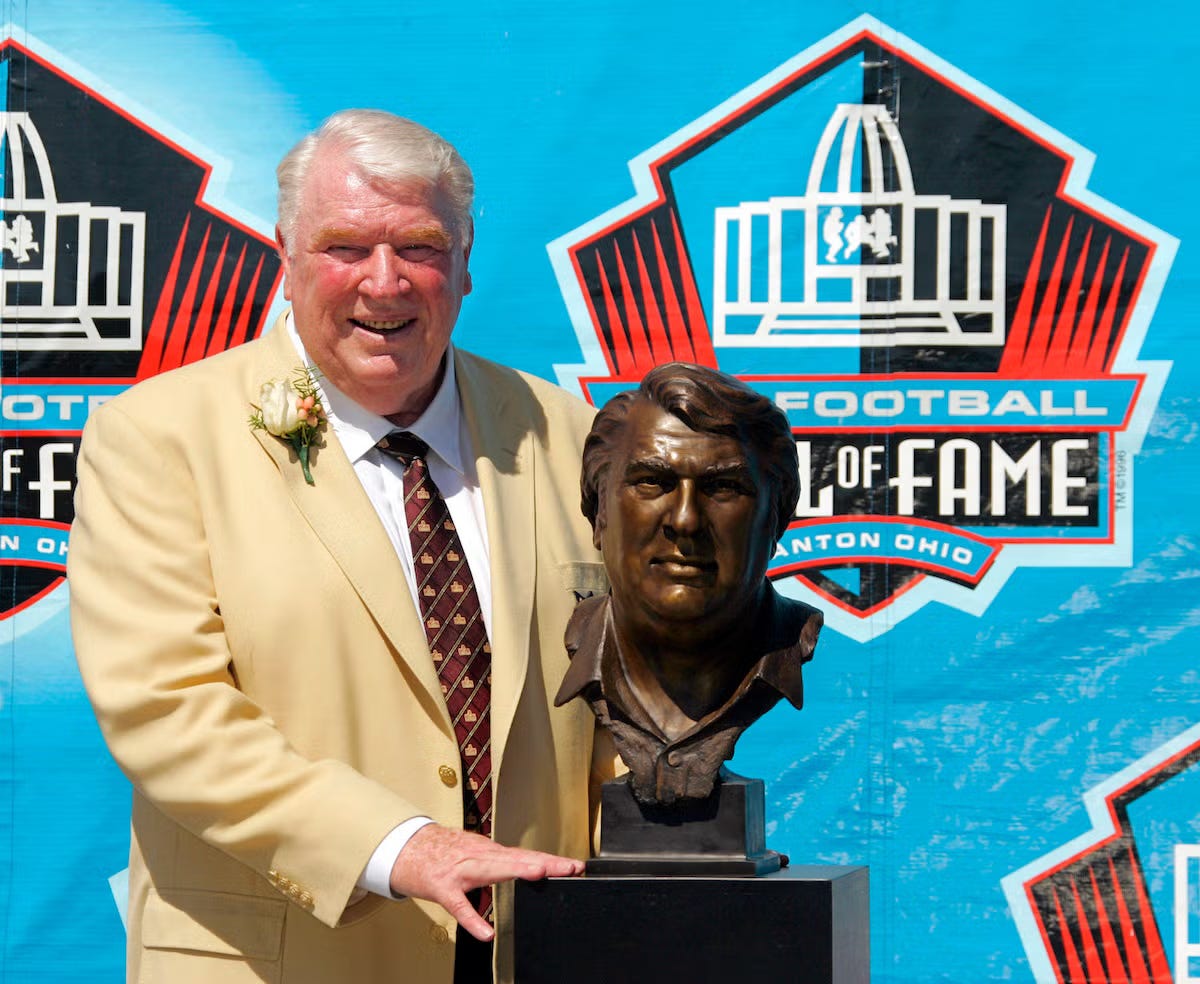
One generation remembers John Madden patrolling the Raiders’ sideline.
Another remembers him standing beside Pat Summerall and circling offensive linemen on a telestrator.
Another knows him as a name on a loading screen.
Coach. Broadcaster. Video-game icon.
Different generations met him in different ways, but all of them reached the same conclusion: Madden means football.
He did not simply lend his name to a successful product.
The game allowed his life’s work to continue.
Every time someone recognizes a defensive formation, manages a two-minute drill, builds a Franchise, or explains football to a friend using something they learned while playing Madden, the old coach is still teaching.
Last week, we celebrated the tradition football fans finally got back.
This week, we celebrate the man, and the game, that never left.
The NFL is back. The new Madden is waiting. It is time to press Start again.
And thanks Coach, from a fan that spent many a day making memories playing the game you helped create.