You know the scene before you ever reach the gate.
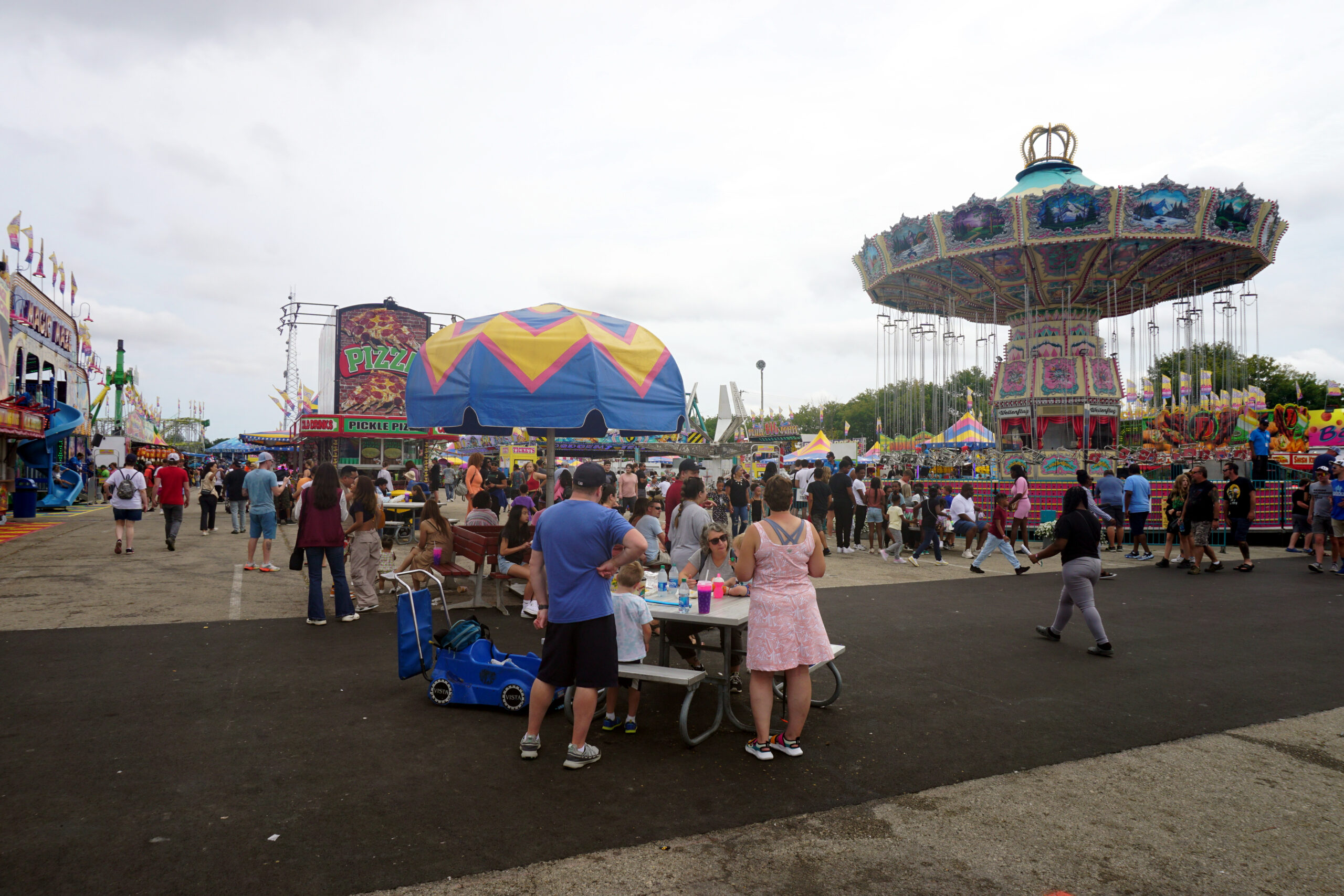
The Ferris wheel turns against the evening sky. Music collides with the roar of tractor pulls and demolition derbies. Somewhere nearby, a child is negotiating for an animal that absolutely cannot come home. The air smells like livestock, dust, funnel cake, and at least one food that should never have been deep-fried—but humanity persevered.
This is the state or county fair.
It feels nostalgic. Almost deliberately old-fashioned.
But the fair was not originally created to preserve the past.
Would you believe it was where rural America went to see the future?
The Fair We Think We Know
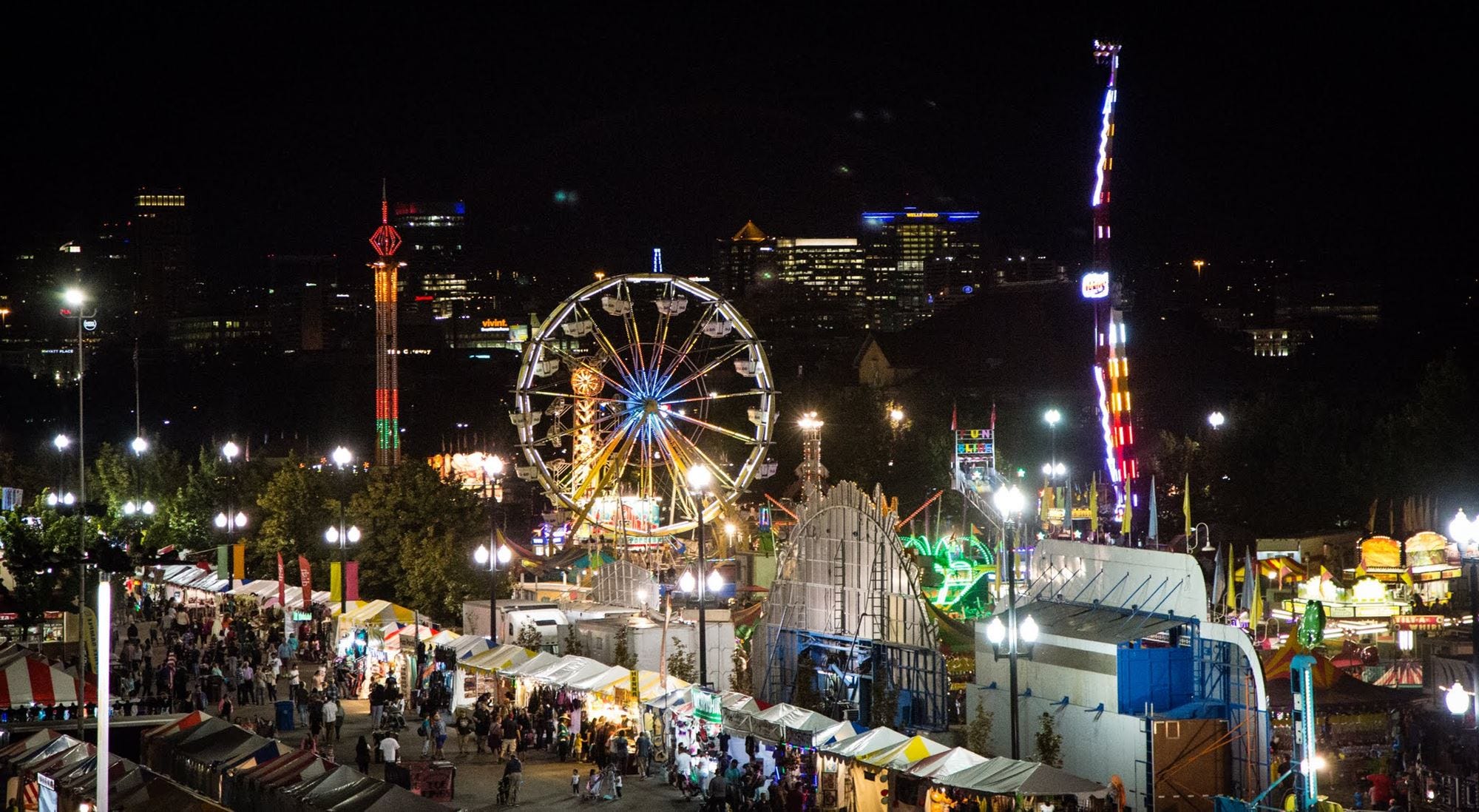
Today, fairs are enormous community celebrations.
There are livestock competitions, produce displays, quilts, pies, concerts, carnival games, beauty pageants, rodeos, truck pulls, and rides assembled with a speed you probably should not think about while boarding them.
At the county level, the fair belongs to the people who live nearby. Local children show animals. Neighbors compete over tomatoes, preserves, photography, and baked goods. Families return every year because their parents brought them and their grandparents probably did the same for their parents.
State fairs take that same formula and turn up the volume. Bigger crowds. Bigger exhibits. Bigger entertainment. Bigger food.
Everything we grow, raise, build, cook, sew, and occasionally launch into the air gets a place somewhere on the grounds.
That is the version we recognize.
But it began with sheep.
Hold On—It Began With Sheep?
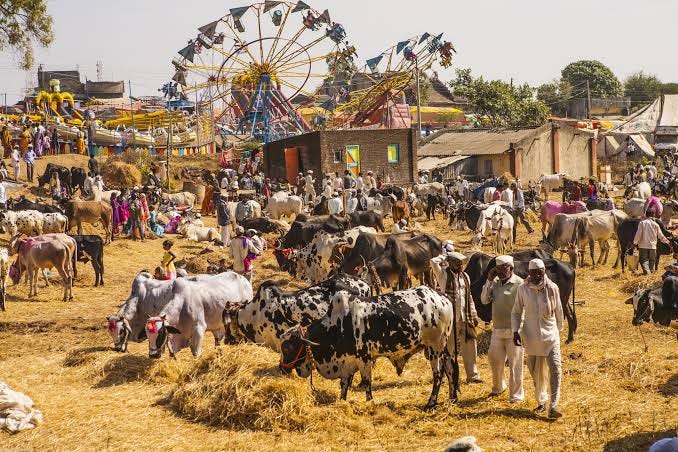
Fairs themselves are far older than the United States. Communities around the world had gathered for seasonal markets, religious festivals, harvest celebrations, and trade for centuries.
The distinctly American agricultural fair began taking shape during the early 1800s.
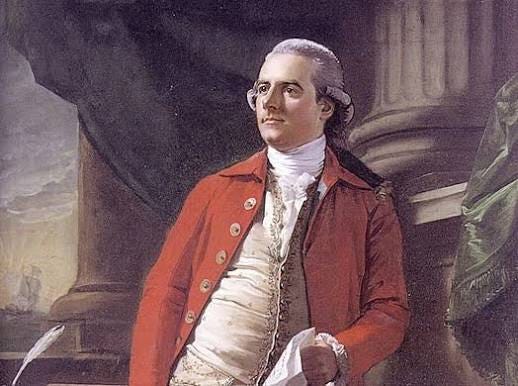
In Massachusetts, businessman and aspiring gentleman farmer Elkanah Watson used public sheep and livestock exhibitions to promote better breeds and improved agricultural practices. He understood something important: farmers might come for useful information, but a little spectacle certainly wouldn’t hurt.
By 1811, the Berkshire Agricultural Society was holding a fair with livestock competitions, cash prizes, a parade, music, farm products, and machinery. Education had been wrapped inside a community event.
Watson was apparently better at promotion than farming. According to one wonderfully strange story, he once fell for a joke about specially bred chickens that could pick potatoes.
Nevertheless, his larger idea worked.
Give people a reason to gather. Let them compare their work. Reward excellence. Make the entire thing entertaining enough that they want to return next year.
The American agricultural fair had found its formula.
From County Competition to Statewide Showcase
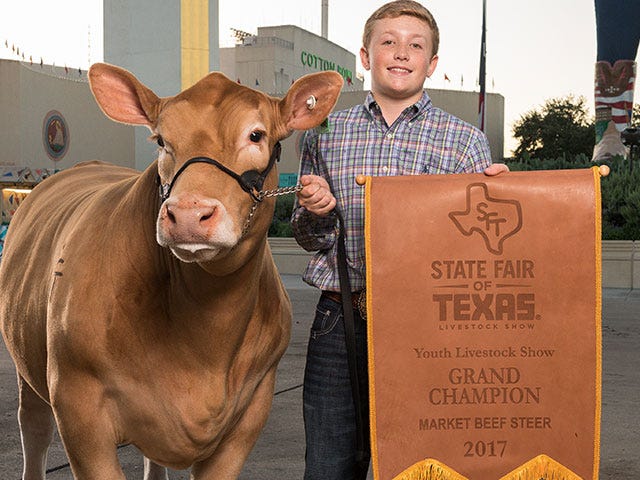
Agricultural societies spread across the country, organizing local exhibitions where farmers could compare animals, crops, equipment, and techniques.
Then New York went bigger.
On September 29 and 30, 1841, Syracuse hosted what is generally recognized as America’s first state fair. Somewhere between 10,000 and 15,000 people attended to hear speeches and examine livestock, household goods, farm equipment, and a plowing competition.
That sounds quaint now.
At the time, it was an information network.
A farmer could examine a healthier breed of cattle, see a new plow in action, compare crops, study manufactured goods, and return home with ideas capable of changing the next harvest. Before agricultural television, extension websites, or YouTube channels run by a suspiciously enthusiastic tractor expert, fairs allowed practical knowledge to travel.
The fair was a trade show, classroom, social network, and community festival rolled into one.
The Community Scoreboard
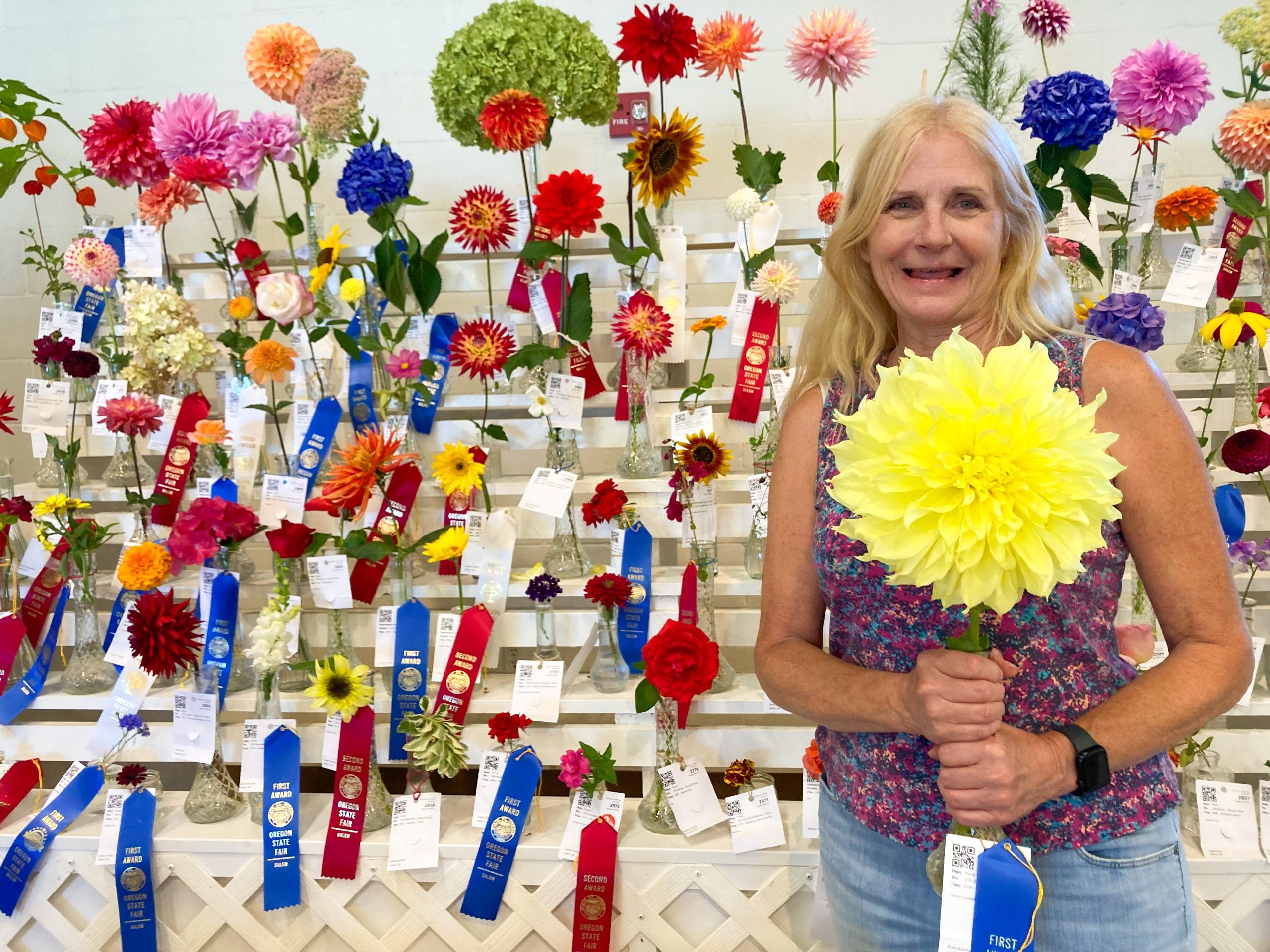
The ribbon mattered because it said something.
A winning animal reflected years of breeding, feeding, training, and care. A prize-winning crop represented knowledge of the soil, weather, and growing season. A blue ribbon attached to a quilt, jar of preserves, loaf of bread, or piece of needlework publicly recognized skills that were essential to everyday life.
Those categories also created rare public opportunities for women’s work to be displayed and rewarded. At the 1813 Berkshire fair, prizes were offered for domestic manufacturing by women. As state fairs expanded, competitions for weaving, sewing, quilting, cooking, canning, and decorative arts became permanent parts of the fairground.
The recognition was still shaped by the gender divisions of its time. Men’s agricultural labor and women’s domestic labor were often separated and valued differently.
But the fair preserved something the larger historical record frequently ignored: the names, techniques, creativity, and accomplishments of people whose work might otherwise have remained inside the home.
Eventually, youth agricultural clubs added another layer.
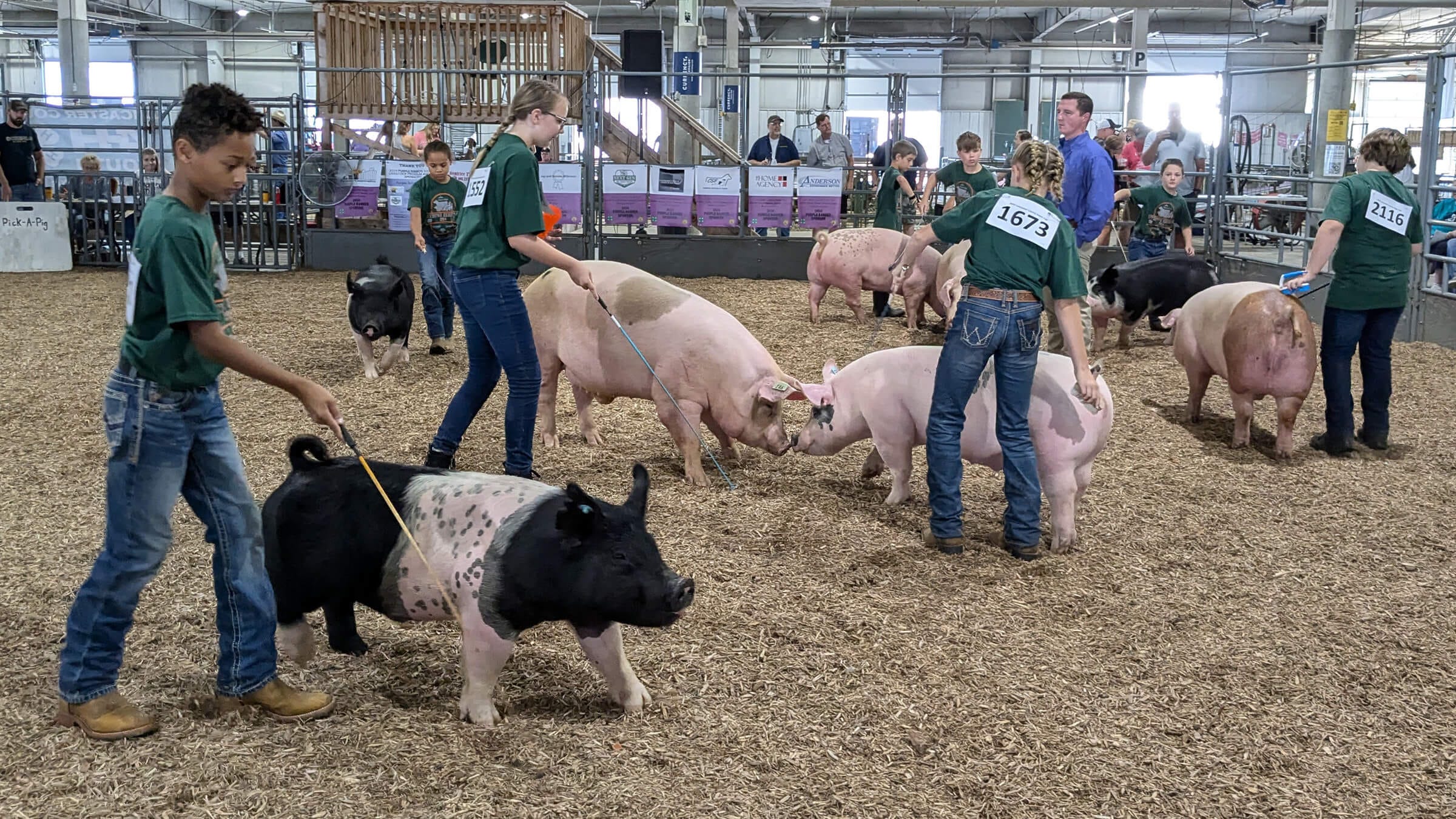
The movement that became 4-H began growing during the early 1900s, teaching young people agricultural science, food preservation, animal care, leadership, and responsibility. County fairs gave those lessons a public stage.
Raising an animal for the fair was never just about standing beside it in the show ring.
It meant months of feeding, cleaning, recordkeeping, training, worrying, and learning that living creatures do not particularly care about your schedule.
The ribbon came at the end.
The work happened long before anyone entered the barn.
Then Came the Midway
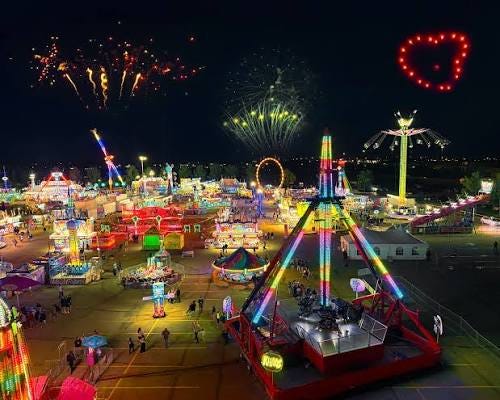
Education may have built the fair, but spectacle helped it survive.
Parades and horse races appeared early. Mechanical rides followed. The enormous World’s Columbian Exposition in Chicago in 1893 helped popularize the midway as the fair’s entertainment district and introduced the original Ferris Wheel.
Traveling carnival companies eventually brought portable rides, games, performers, and sideshows directly to fairgrounds across the country.
The agricultural exhibition and the carnival became unlikely roommates.
One side of the grounds demonstrated advances in farming, machinery, and household production.
The other asked whether you could throw a ring around a bottle while someone yelled at you.
Fair food followed a similar transformation. Baking competitions, preserves, produce, and community dining never disappeared, but the midway encouraged food that could be carried while walking.
Then America did what America does.
It put the food on a stick.
Then it battered the stick.
Then it deep-fried the entire concept.
Why the Fair Mattered
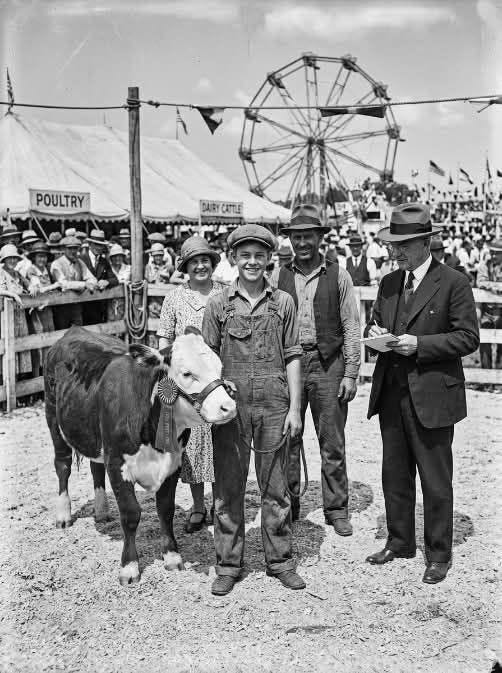
State and county fairs helped modernize rural America.
They spread agricultural knowledge, encouraged experimentation, rewarded craftsmanship, promoted new machinery, and created markets for farmers and manufacturers. They gave young people a place to demonstrate what they had learned and communities a yearly opportunity to measure their progress.
They also became mirrors of the places that hosted them.
That includes the good—the skill, ingenuity, cooperation, and pride—and the exclusions, prejudices, and exploitative entertainment that appeared on some historic fairgrounds. The fair has never existed outside its culture. It has displayed that culture, sometimes more honestly than intended.
Most importantly, it made progress communal.
A new invention described in print was one thing.
Seeing it operate in front of you, surrounded by thousands of neighbors, was something else entirely.
The Tradition Continues
Modern fairs still perform their original job.
The tractors are newer. The livestock science has advanced. Exhibits now include robotics, renewable energy, photography, digital art, and projects the earliest agricultural societies could never have imagined.
But people still bring the best things they grew, raised, cooked, built, and created.
They still stand beside their work.
Judges still examine it.
Someone still goes home with a blue ribbon.
The fair looks like a celebration of the past because generations of memories have accumulated around it. Beneath that nostalgia, however, is an institution originally built around improvement.
The fair did not begin by asking communities to remember what they had been.
It asked them to imagine what they could become.
Then it added a Ferris wheel and handed everyone a corn dog.
The Ctrl+Binge Question
What is the one attraction, competition, or food your local fair simply cannot exist without?