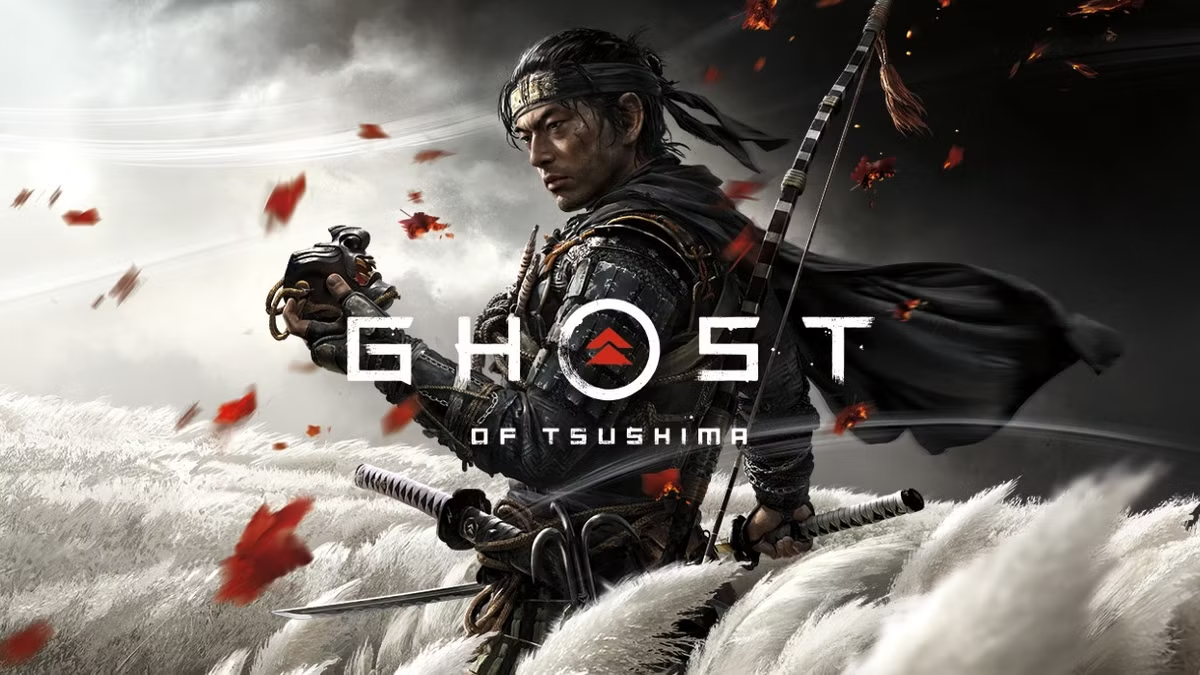
The wind bends a field of white pampas grass.
A fox disappears between the trees.
Somewhere beyond the ridge, a village is burning.
And Jin Sakai is beginning to understand that the man who rode onto Komoda Beach cannot be the man who saves Tsushima.
FAMILIAR VERSION
Most people know Ghost of Tsushima as the beautiful samurai game.
It is the one with cinematic sword fights, Kurosawa Mode, drifting leaves, dramatic standoffs, and enough Photo Mode opportunities to turn a thirty-hour adventure into a seventy-hour sightseeing trip.
Even people who have never played it recognize the image: Jin Sakai standing alone in a field, one hand near his katana, while the wind tells him where to go.
That reputation is deserved.
Sucker Punch built one of the most visually striking open worlds of its generation, then filled it with clean, lethal combat that lets players feel like the hero of a samurai film. You can challenge an entire patrol face-to-face, wait for the first twitch of an enemy’s blade, and cut him down before the others realize the duel has begun.
But Ghost of Tsushima is not only a samurai fantasy. It is the story of what happens when the fantasy stops working.
Jin does not become the Ghost because he forgets what it means to be a samurai.
He becomes the Ghost because he remembers exactly what a samurai is supposed to protect—and decides the people matter more than the code.
The Man Who Survived Komoda Beach
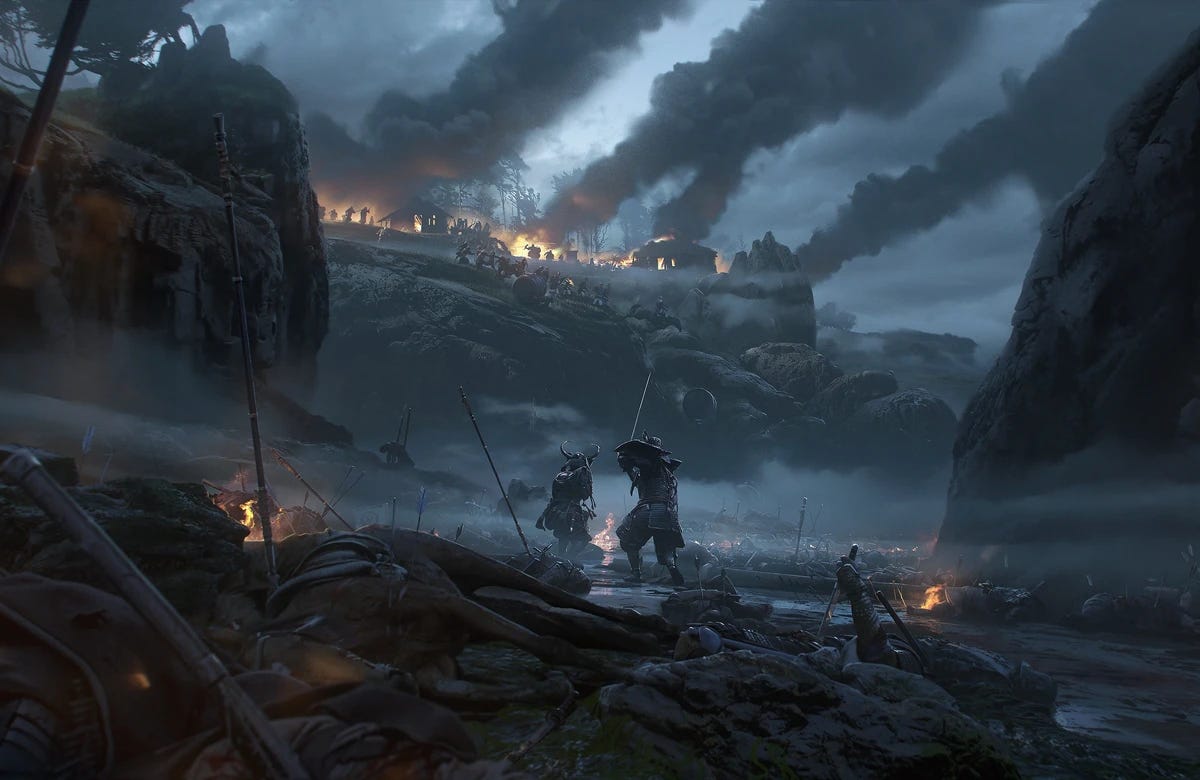
Ghost of Tsushima begins in 1274, during the first Mongol invasion of Japan.
Jin rides into the Battle of Komoda Beach beside Lord Shimura, his uncle, mentor, and closest thing to a father. They meet an overwhelming force with ceremony, courage, and the belief that a warrior should look his enemy in the eye.
The Mongols answer by burning the samurai’s messenger alive and annihilating nearly everyone on the beach.
That defeat is not merely the opening disaster. It is the argument the entire game spends the next several dozen hours answering.
Lord Shimura believes the samurai must remain examples even when the enemy refuses to follow the same rules. Jin sees villages destroyed, prisoners executed, and friends sacrificed while honorable plans keep sending good people into predictable deaths.
Khotun Khan does not overpower the samurai only with numbers.
He studies them.
He understands that a code can become a weakness when an enemy knows exactly what you will never allow yourself to do.
The Ghost Is Built One Compromise at a Time
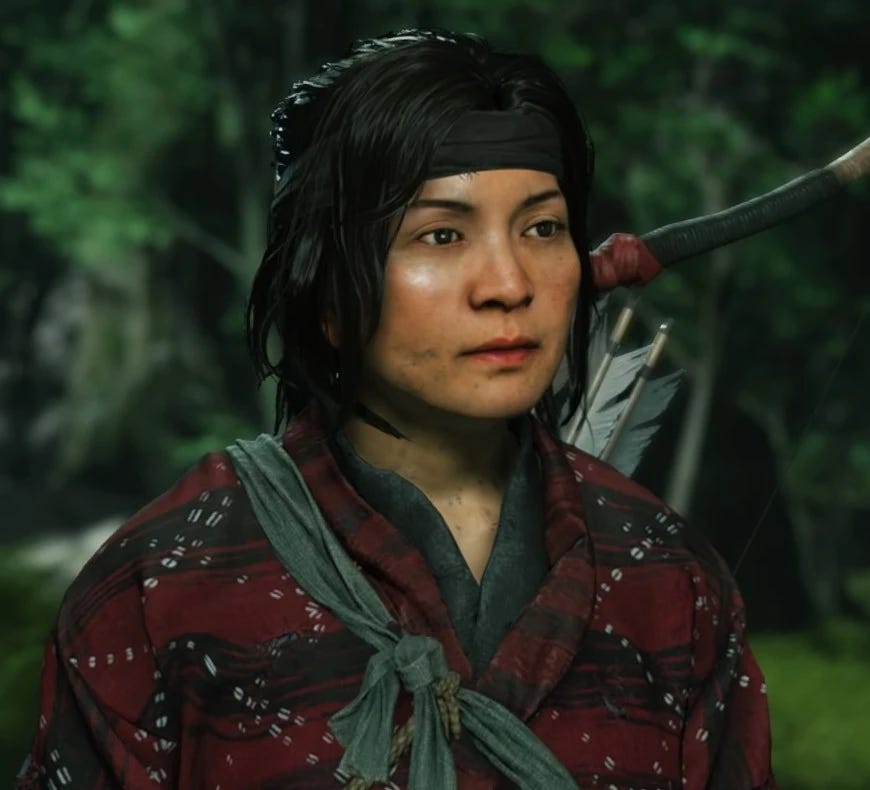
Yuna, the thief who rescues Jin, teaches him the first lesson Lord Shimura never could: Survival is not a duel.
Sometimes you crawl through the grass. Sometimes you strike from behind. Sometimes a kunai, smoke bomb, firecracker, or poisoned drink saves more lives than a glorious charge through the front gate.
The brilliance of Jin’s transformation is that it does not happen with one costume change. The game makes him cross the line piece by piece.
The first assassination feels ugly because Jin believes it is ugly. He remembers Shimura’s teachings. He hesitates.
Then another hostage is about to die, and hesitation becomes a luxury the island cannot afford.
Eventually, the people of Tsushima begin telling stories.
The warrior who survived Komoda Beach is no longer merely Jin Sakai. He is a spirit returned to punish the invaders. The Ghost can appear anywhere. He cannot be frightened. He cannot be killed.
None of that is entirely true, of course.
Jin bleeds, grieves, doubts, and fails.
But folklore has never required the person inside the story to feel as powerful as the story makes him sound.
Samurai Steel, Ghost Tactics
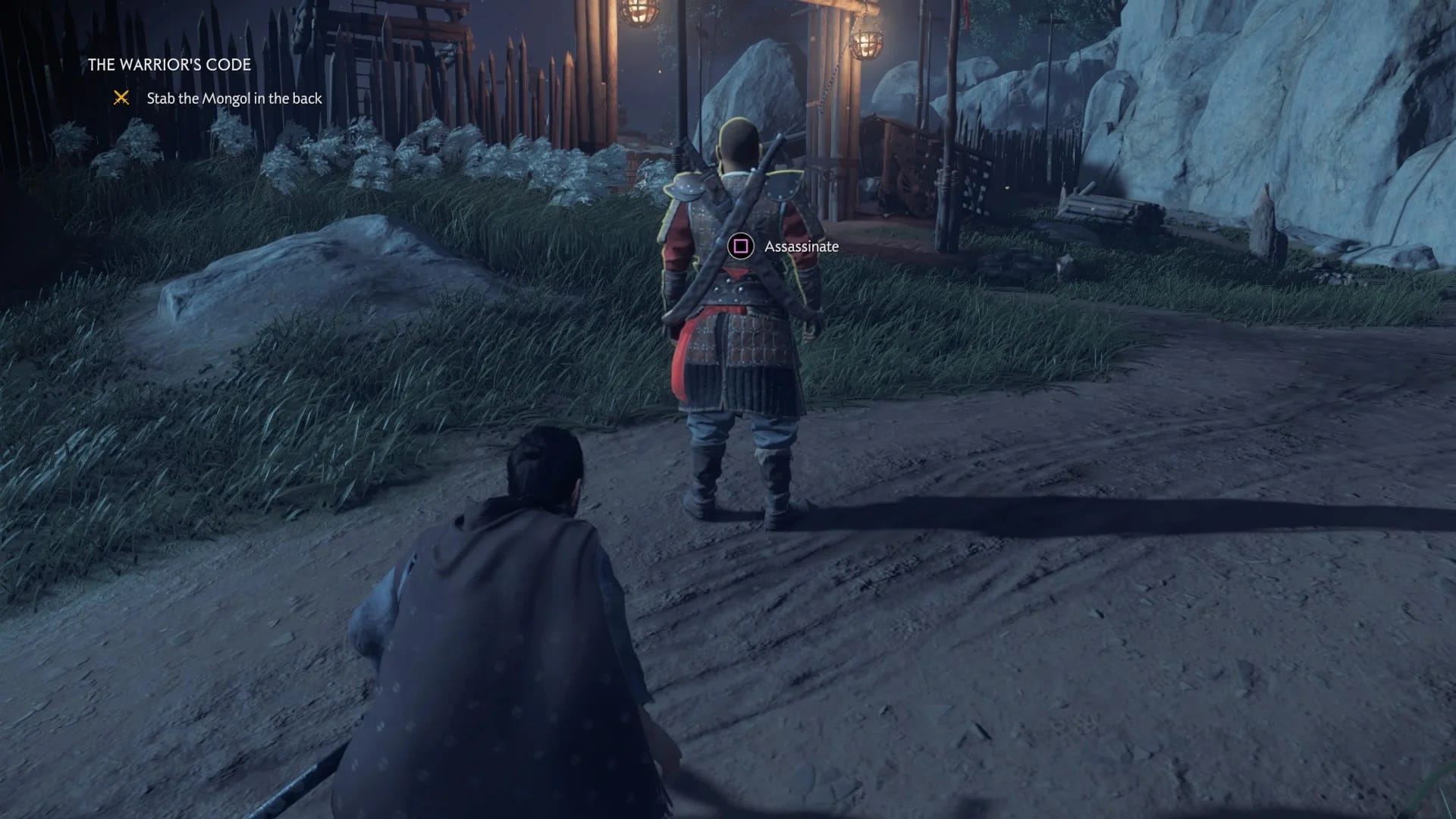
The combat system keeps both halves of Jin alive.
In the open, he changes stances to answer swordsmen, shield-bearers, spearmen, and brutes. Parries are sharp. Dodges are deliberate. A well-timed standoff can end a fight before it properly begins.
The katana remains lethal, and Jin never stops being the swordsman Shimura trained.
Stealth changes the feeling.
Jin slips through tall grass, climbs rooftops, uses wind chimes to separate guards, and turns fear into a weapon. By the time he earns the Ghost Stance, his reputation enters the fight before he does.
Enemies can break simply because they have realized who is standing in front of them.
Sucker Punch is clearly having fun with a proto-ninja idea here.
The game is set centuries before the popular image of the black-clad ninja became established, so Jin can feel like a legendary precursor: the samurai who starts doing what audiences now recognize as ninja work before anyone has a tidy name for it.
Historically, covert tactics, ambushes, and espionage were not inventions waiting for one man to discover them, and the game’s rigid samurai-versus-stealth divide is heightened for drama.
But as folklore, it works beautifully.
Jin is not founding a profession. He is creating a story people will use to explain a new kind of warrior.
Jin and Shimura: The Cost Beneath the Code
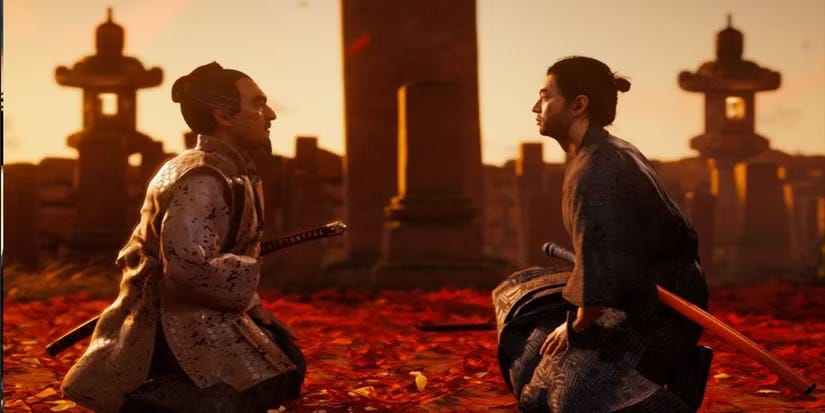
The true heartbreak is that Lord Shimura is not a cartoonishly stubborn obstacle.
He loves Jin.
He raised him. He wants to adopt him as his son and preserve Clan Sakai’s place in the world. When he tells Jin to abandon the Ghost, he is trying to save the only family he has left.
Jin loves him too. That is what makes every disagreement hurt.
This is not rebellion for rebellion’s sake. Jin is not trying to embarrass the samurai or prove that honor is meaningless.
He is making the argument that a code meant to guide people should not become more sacred than the lives it was created to defend.
The further Jin travels, the more impossible it becomes to keep both identities.
To remain Lord Shimura’s son, he must deny what Tsushima needs him to be.
To become the Ghost, he must accept that saving his home may cost him his name, his clan, and the future he once believed was waiting for him.
An Island Worth Getting Lost In
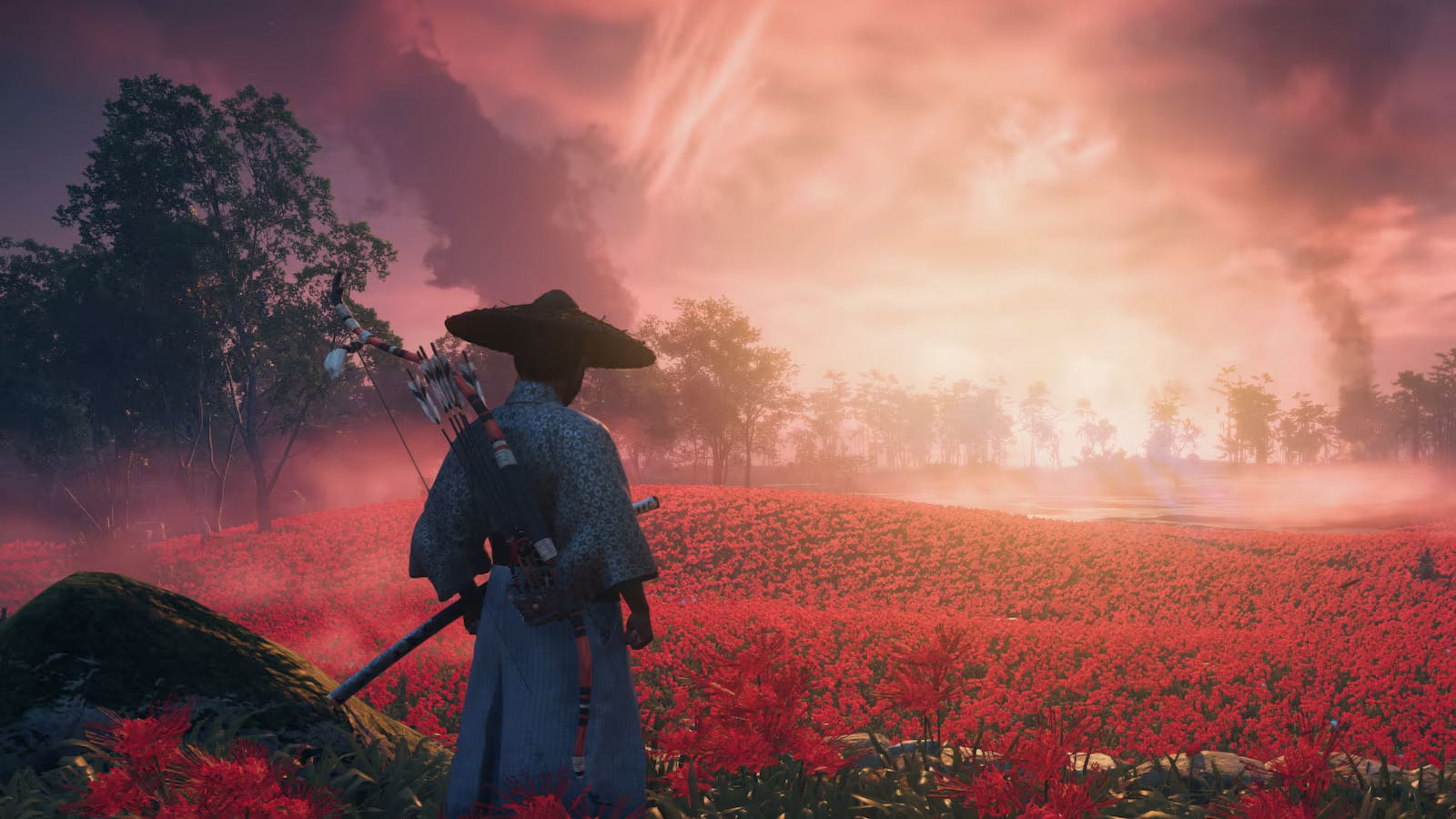
That sacrifice lands because Tsushima never feels like a map waiting to be cleared. It feels like a home worth losing everything to protect.
You can spend an hour making almost no progress and never feel as if the game wasted your time.
Ride through fields of white pampas as the grass parts around Jin and his horse. Follow a fox into the woods. Climb beneath weathered torii gates toward a shrine that seems determined to test whether devotion includes a dangerous amount of rock climbing. Stop beside a waterfall to compose a haiku. Rest at a hot spring long enough for Jin to think about the people he has lost.
Even navigation protects the illusion.
Instead of covering the screen with arrows, Ghost of Tsushima lets the Guiding Wind bend trees, scatter leaves, and pull the landscape toward your destination.
The world does not step aside to reveal the interface. The world becomes the interface.
Sucker Punch described its Tsushima as a love letter rather than a one-to-one recreation of the real island.
That choice gives every region a heightened personality: golden forests, red spider lilies, misty wetlands, bright coastlines, cedar groves, and the frozen north.
It is composed like memory—more vivid than reality, because every place needs to feel worth remembering.
The Sound of a Legend Taking Shape
The score by Ilan Eshkeri and Shigeru Umebayashi understands that this is both a war story and a private tragedy.
Taiko drums can give a battle enormous weight, while shakuhachi, koto, shamisen, biwa, and voices make the quieter moments feel ancient, mournful, and intimate.
The music does not simply celebrate Jin. It carries the distance between the hero Tsushima believes in and the man who must live with everything that hero has done.
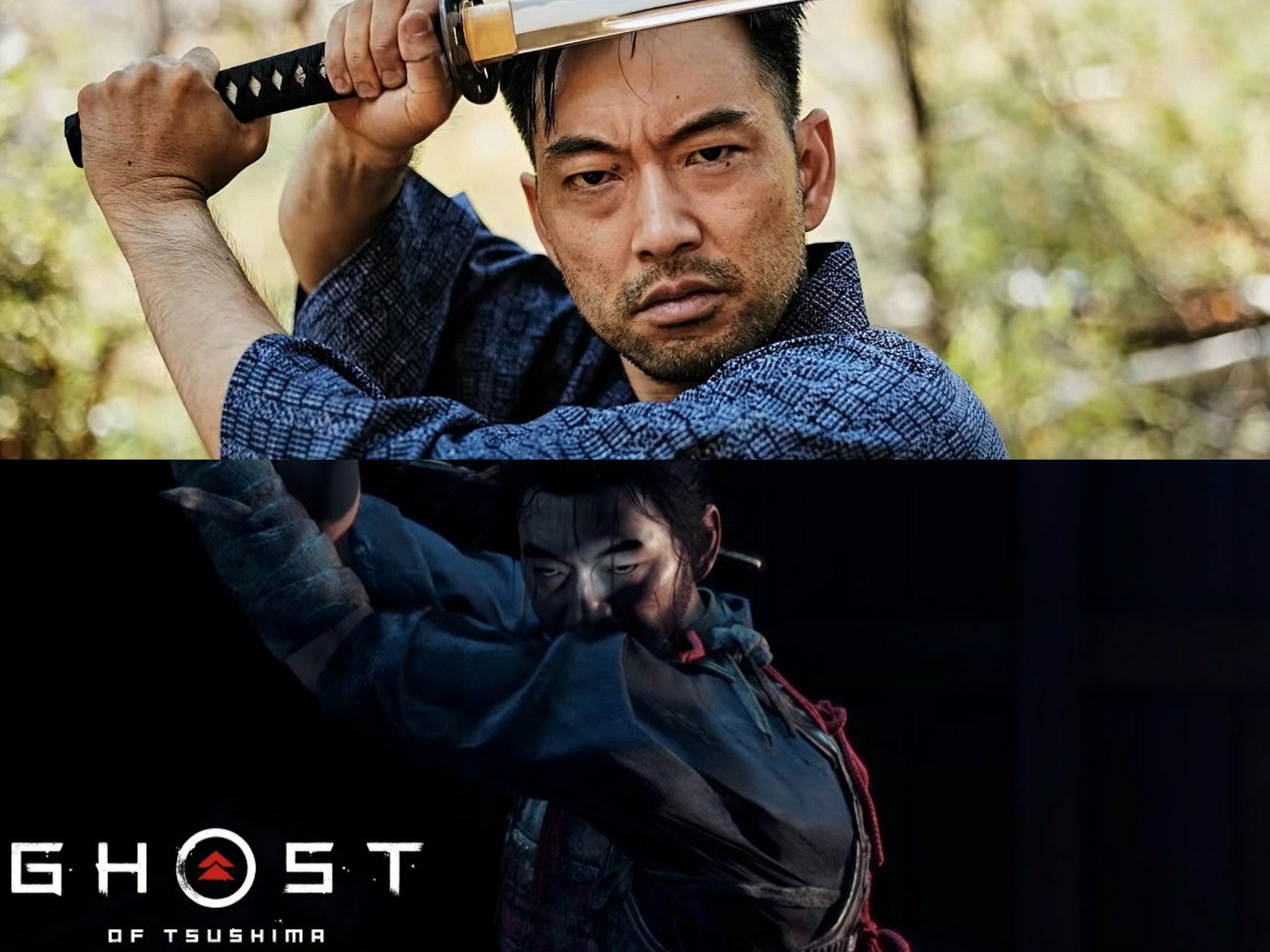
Daisuke Tsuji’s English performance gives Jin a restraint that fits the character perfectly. He rarely needs to shout his conflict.
You hear it in the pause before he answers Shimura, in the exhaustion beneath his certainty, and in the way his voice hardens as “the Ghost” becomes less of a rumor and more of a decision.
WHY IT MATTERS
Ghost of Tsushima arrived in 2020 looking, at first glance, like the last great PlayStation 4 open-world epic.
It had camps to liberate, skills to unlock, armor to collect, and a huge landscape dotted with discoveries. The familiar structure could have made it disappear into a crowded genre.
Instead, it found a way to make nearly every major system reinforce the same idea: Identity is something we perform until circumstances force us to decide what it actually means.
Standoffs preserve the man Jin was taught to be. Ghost weapons reveal the man war requires. The weather, the mask, the frightened whispers of enemies, and the stories told by villagers transform a gameplay style into a legend growing in real time.
Most games ask whether you are willing to become stronger. Ghost of Tsushima asks what you are willing to surrender in order to become strong enough.
Jin wins because he adapts. He becomes beloved because people need hope. He becomes dangerous to the shogun for the same reason.
Once ordinary people believe a single man can defy an army and protect them without permission, the Ghost is no longer merely a weapon against the Mongols. He is an idea that authority cannot easily put back into its sheath.
MODERN CONNECTION
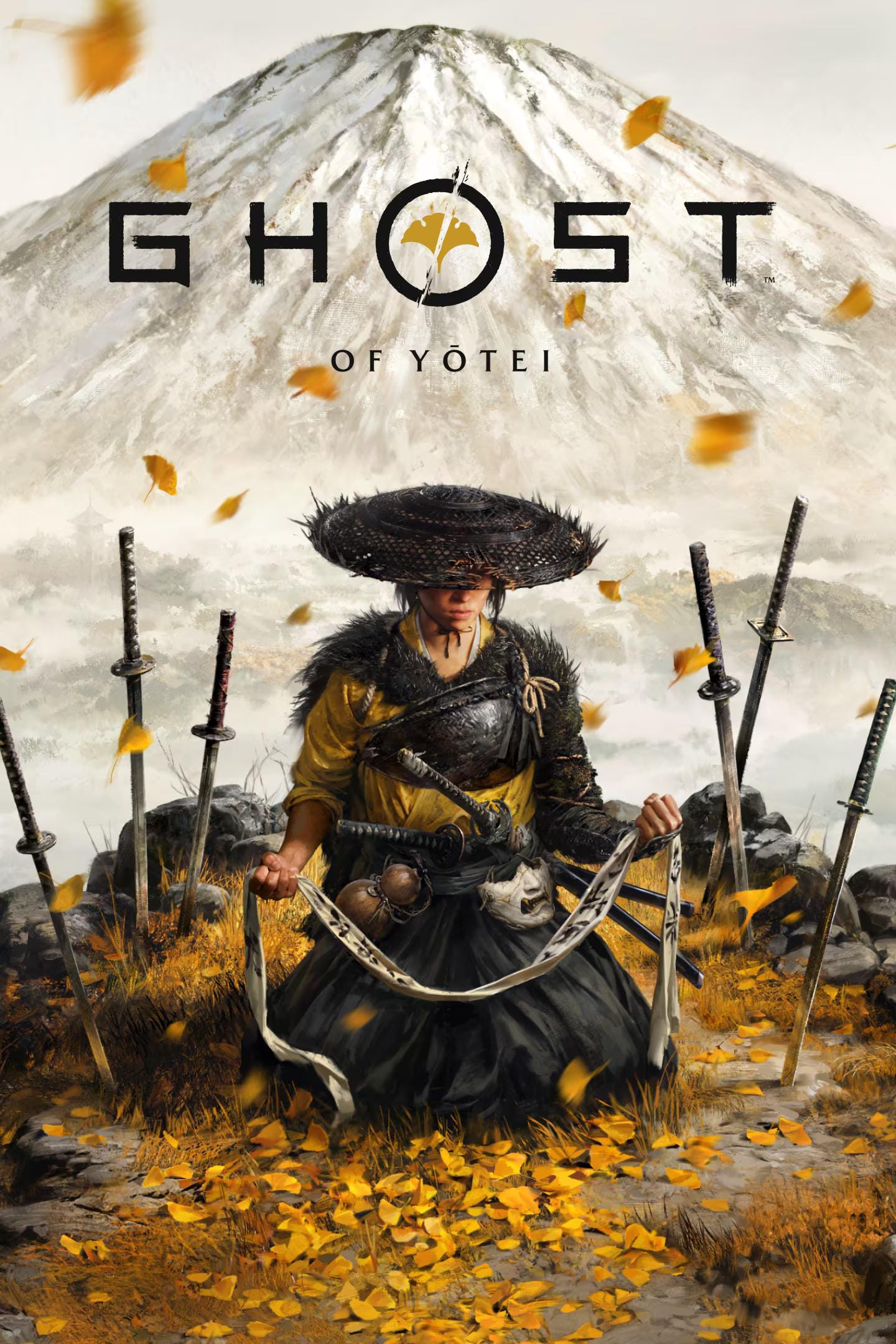
That is why Sucker Punch did not need to turn Jin’s story into an endless chain of direct sequels.
In Ghost of Yōtei, released in 2025 and set more than three centuries later, the studio shifted its focus from one man’s biography to the idea of the Ghost itself.
Atsu is a new warrior in a new region, but the inheritance is clear: A wandering fighter. A beautiful land. Another legend waiting to be made.
That may be the most fitting legacy Jin Sakai could receive.
History remembers names. Folklore remembers shapes: the mask, the wind, the silhouette in the grass, the enemy who falls before he ever sees the blade.
Jin began as a samurai trying to save his uncle. He ended as something an entire island could believe in.
A man can be hunted. A clan can be dissolved. A title can be taken away. But once a Ghost becomes a legend, he belongs to everyone.
QUESTION
Did Jin choose to become the Ghost? Or did Tsushima’s people turn him into one because they needed something to believe in?