What is Shonen?
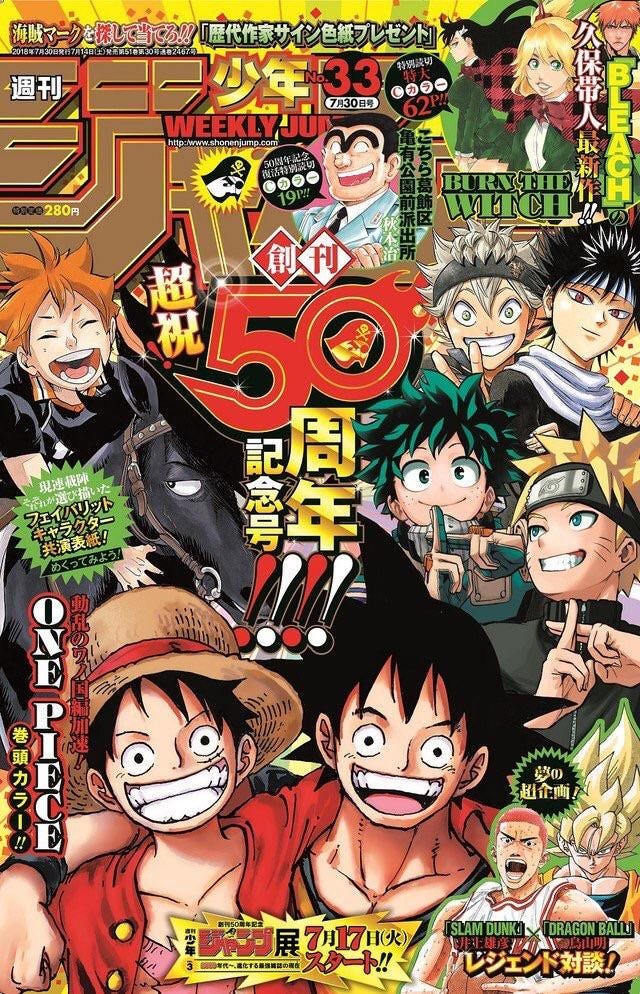
If you’ve ever watched anime and thought:
- “This kid just unlocked a new form.”
- “He’s going to surpass his limits.”
- “The rival is low-key cooler than the main character.”
You’ve probably experienced shonen.
But here’s the important part:
Shonen (少年) doesn’t mean “battle anime.”
It literally means “young boy.”
It’s a demographic label — manga and anime primarily marketed toward boys roughly ages 12–18.
And yet, some of the biggest entertainment franchises on Earth fall under that label.
The Titans of Shonen
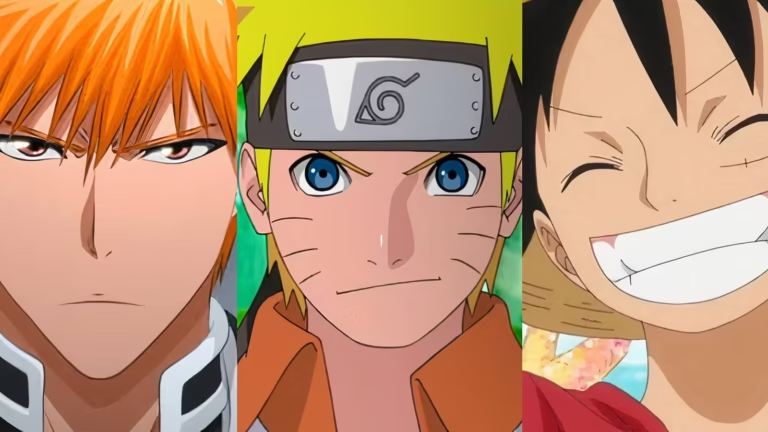
Some of the most globally recognized titles are shonen:
And the sales numbers are staggering:
- One Piece – 520+ million copies sold worldwide
- Dragon Ball – 260+ million copies
- Naruto – 250+ million copies
That’s not niche fandom.
That’s global dominance.
The Core DNA of Shonen
Even if the setting changes — ninjas, pirates, superheroes, alien martial artists — the structure tends to share common threads.
Growth Through Struggle
The protagonist starts inexperienced, overlooked, or limited.
They train.
They fail.
They adapt.
They evolve.
This cycle is central to shonen storytelling.
Goku trains in 100x gravity.
Naruto masters shadow clones through brute-force repetition.
Deku breaks his own bones learning to control power.
Improvement isn’t instant.
It’s earned.
The Rival
Shonen almost always includes a rival who reflects a different path:
- Goku / Vegeta
- Naruto / Sasuke
- Deku / Bakugo
The rival often:
- Starts ahead.
- Has more natural talent.
- Or embodies a different philosophy.
This dynamic fuels tension long after villains rotate in and out.
Friendship & Found Family
Shonen reinforces bonds:
- Team 7.
- The Straw Hat Pirates.
- Class 1-A.
The hero rarely succeeds alone.
Even in stories centered on individual growth, community matters.
Escalation & Spectacle
Tournament arcs.
New transformations.
Stronger antagonists.
Shonen is built to escalate.
It’s serialized storytelling designed to climb.
And serialization builds loyalty.
The Engine Behind It: Weekly Shonen Jump
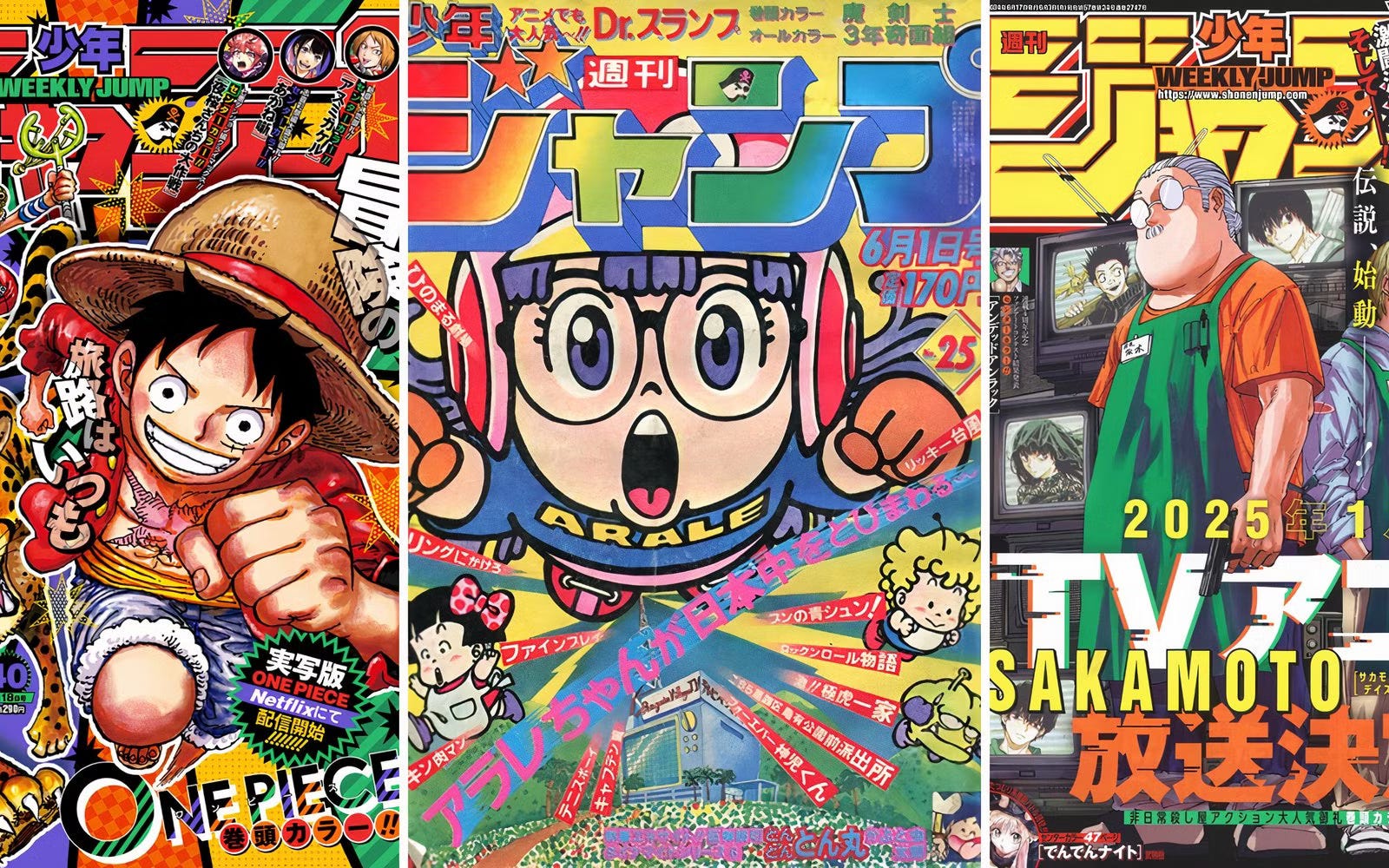
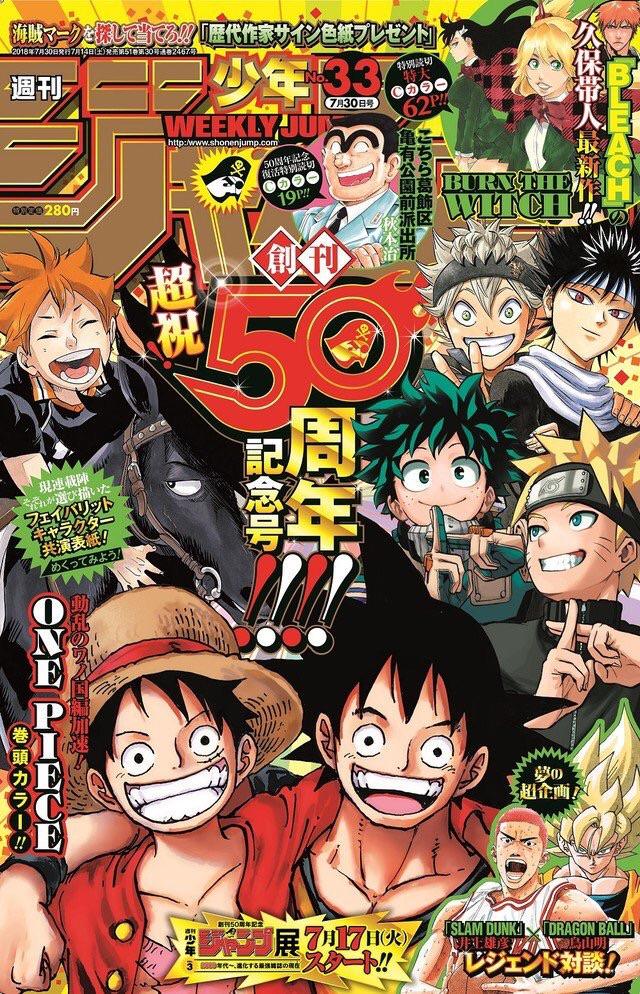
Many iconic shonen series originated in Weekly Shonen Jump.
At its height in the 1990s and 2000s, the magazine sold 2–3 million physical copies per week.
Every week.
Readers filled out popularity surveys.
Low rankings meant cancellation.
High rankings meant color pages and promotion.
That pressure forged long-running giants.
Shonen wasn’t just creative.
It was competitive.
Toonami: The Western Gateway
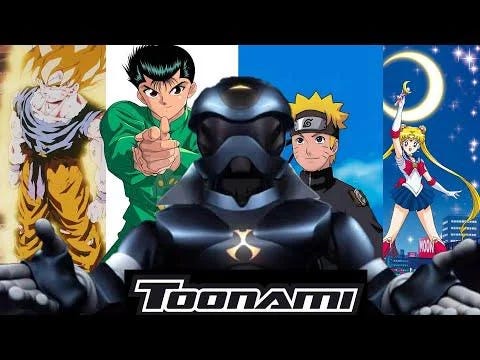
For many Western fans, shonen didn’t arrive through bookstores.
It arrived after school.
Toonami became the gateway.
In the late ’90s and early 2000s, Toonami introduced audiences to:
- Dragon Ball Z
- Naruto
- One Piece
- Yu Yu Hakusho
For many kids, this wasn’t “foreign animation.”
It was just what came on at 4 PM.
Dragon Ball Z, in particular, became a ratings powerhouse. It turned anime from a niche interest into a mainstream after-school ritual.
Toonami normalized:
- Ongoing story arcs.
- Multi-episode fights.
- Serialized storytelling.
And once shonen built that foundation in the West, it opened the door for all anime.
Shonen wasn’t just popular.
It was accessible.
Is Pokémon Shonen?
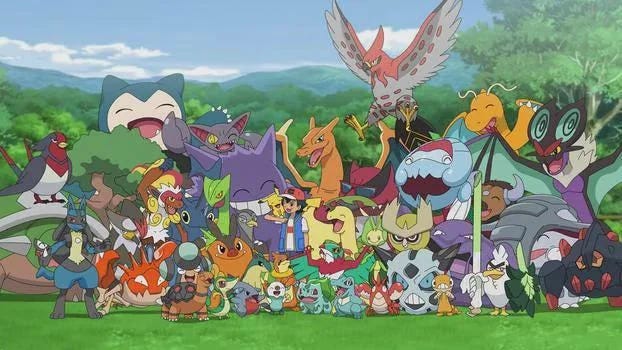
This is where it gets interesting.
Pokémon shares many shonen traits:
- A young male protagonist.
- Growth through training.
- Rival characters.
- Tournament-style competitions.
- Emphasis on bonds.
And yes — the Pokémon manga adaptations were published in shonen magazines.
So, by demographic classification?
Yes, Pokémon can fall under shonen.
But culturally, it occupies a broader category.
Pokémon is designed for a wide age range and often skews younger than typical battle-heavy shonen.
It overlaps with shonen themes — but it also functions as a general youth franchise.
It’s shonen-adjacent at minimum, and often shonen by publication.
Is Sailor Moon Shonen?
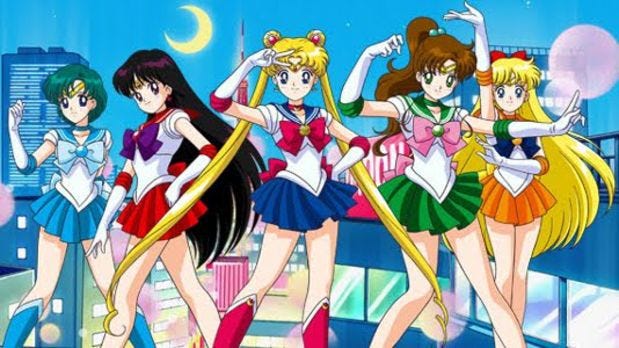
Now here’s the flip side.
Sailor Moon is often grouped in conversations about action anime.
It has:
- Transformations.
- Team-based combat.
- Escalating villains.
- Emotional bonds.
That sounds shonen, right?
But it’s not.
Sailor Moon was serialized in a shojo magazine — meaning it was marketed toward young girls.
Shojo (少女) means “young girl.”
The difference isn’t the presence of action.
It’s emphasis.
Sailor Moon centers:
- Romance.
- Emotional interiority.
- Personal relationships.
- Feminine identity.
It proves something important:
Demographic labels aren’t about who can enjoy something.
They’re about who it was marketed toward.
A series can feature combat and still be shojo.
A series can be lighthearted and still be shonen.
So Why Does Shonen Feel So Dominant?
Because it scales well.
Shonen storytelling:
- Rewards long serialization.
- Encourages hype cycles.
- Builds weekly anticipation.
- Supports merchandise and adaptations.
And when combined with global broadcasting through Toonami and later streaming platforms, it became the most visible face of anime internationally.
For many people, shonen wasn’t just their first anime.
It was anime.
When you think back to the first series that pulled you in…
Was it shonen?
And did you even realize that’s what it was at the time?