Wait… Are The Men in Black Real?
If you’ve heard “Men in Black,” your mind probably goes straight to:
Suits.
Sunglasses.
Secret agents.
Maybe Men in Black and a neuralyzer flash.
But the original Men in Black weren’t funny.
They weren’t charming.
And they definitely weren’t Will Smith.
They were something else entirely.
And people claimed they were real.
The Story as It’s Told
The Men in Black are described as mysterious individuals who appear after UFO sightings or paranormal encounters.
They usually show up unannounced.
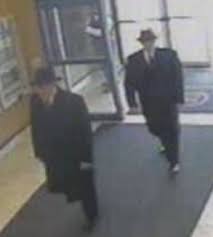
Always in black suits.
Often with hats.
Almost always in pairs or small groups.
And they ask questions.
Witnesses describe them as:
- Emotionless or robotic
- Pale, with strange or unnatural features
- Speaking in stiff, rehearsed patterns
- Seemingly unfamiliar with basic human behavior
Their purpose?
To silence.
They warn people not to talk about what they saw.
Sometimes politely.
Sometimes… not.
And then they leave.
No names.
No records.
No trace.
Where the Story Comes From
The Men in Black legend doesn’t come from ancient folklore.
It starts in the 1950s — right alongside the rise of UFO sightings in America.
One of the earliest and most important cases involves a man named Albert K. Bender.
Bender ran a civilian UFO research group and claimed that in 1953, he was visited by three men dressed in black.
According to his account:
- They appeared suddenly in his home
- They knew details he hadn’t shared publicly
- They warned him to stop investigating UFOs
Shortly after, Bender shut down his organization.
And just like that…
The Men in Black entered modern mythology.
What Makes Them Different
Unlike ghosts or monsters, the Men in Black don’t feel ancient.
They feel modern.
Government-adjacent.
Organized.
Intentional.
And that’s what makes them unsettling.
They don’t just exist.
They intervene.
They show up after something strange happens — not before.
Which flips the script.
The mystery isn’t just the UFO.
It’s who’s trying to cover it up.
Common Traits Across Sightings
Over time, reports of the Men in Black began to follow patterns.
Witnesses often described:
- Identical black suits, sometimes outdated
- Old-fashioned cars (often black sedans)
- Strange speech patterns, like they’re imitating humans
- Lack of normal social awareness
Some even reported:
- Glowing eyes
- Mechanical movements
- Odd reactions to simple things like food or conversation
It’s less “secret agent.”
More… something pretending to be one.
Could There Be a Real Explanation?
As always, there are grounded possibilities:
Government Agents
During the Cold War, the U.S. government was investigating UFO reports.
Programs like Project Blue Book documented sightings and sometimes interviewed witnesses.
It’s possible that some Men in Black encounters were simply officials trying to control information — especially during a time of high paranoia.
Social Contagion
Once the idea of mysterious agents existed, people began to interpret strange encounters through that lens.
A weird visitor becomes a Men in Black.
An odd conversation becomes a warning.
Stories reinforce stories.
Psychological Interpretation
Sleep paralysis, stress, and heightened fear can create extremely vivid experiences.
And when someone already believes they’ve seen something unexplainable…
Their brain may try to “complete the story.”
Something Stranger
And then there’s the possibility people don’t like to dismiss.
What if the Men in Black aren’t human?
Some theories suggest they’re:
- Extraterrestrial themselves
- Interdimensional observers
- Something we don’t have language for yet
There’s no evidence.
But the consistency of the stories keeps the idea alive.
From Fear to Pop Culture
Eventually, the Men in Black shifted from terrifying to entertaining.
The concept was reimagined in Men in Black, turning them into a secret organization that manages alien activity on Earth.
It flipped the tone completely:
From:
“They’re here to silence you.”
To:
“They’re here to protect you.”
That shift says a lot.
It turned fear into fun.
Why the Men in Black Work
The Men in Black tap into a very specific kind of fear:
Not monsters in the dark.
Not creatures in the woods.
But people in power who know more than you.
They represent:
- Hidden knowledge
- Controlled narratives
- The idea that truth can be taken from you
And that’s a fear that doesn’t belong to the past.
So… Are They Real?
There’s no confirmed evidence that a coordinated group like the Men in Black exists exactly as described.
But the stories persist.
Across decades.
Across locations.
Across completely unrelated witnesses.
That doesn’t prove they’re real.
But it does make you wonder why the same story keeps showing up.
Question for readers:
If someone knocked on your door tomorrow…
Dressed in black.
Asking questions about something you saw…
Would you tell them everything?
Or nothing at all? 🕶️