Touchdown Tuesday: Miracle on Ice, 1980 VS. 2026
“Do you believe in miracles? YES!”
![Do you believe in miracles?"-Al Michaels [1024x686] : r/QuotesPorn](https://substackcdn.com/image/fetch/$s_!uP8_!,f_auto,q_auto:good,fl_progressive:steep/https%3A%2F%2Fsubstack-post-media.s3.amazonaws.com%2Fpublic%2Fimages%2Fea64a7d6-e45d-4a2e-a0f9-b5164b074791_640x428.jpeg "Do you believe in miracles?\"-Al Michaels [1024x686] : r/QuotesPorn")
That quote was delivered by Al Michaels on ABC 46 years ago last Sunday.
The famed “Miracle on Ice” Game.
USA VS. USSR
Ironically, 46 years to the day. USA was in another titanic matchup.
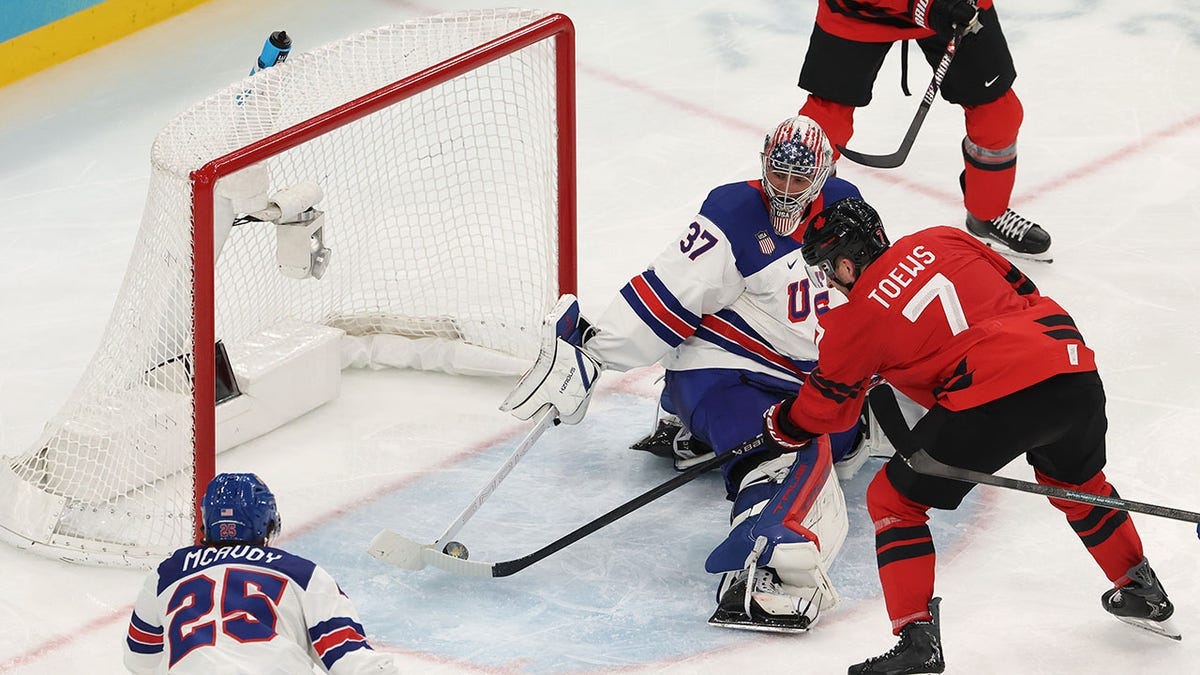
(Pictured: USA Goalie Connor Hellebuyck saving a shot against Canada Defensemen Devon Toews)
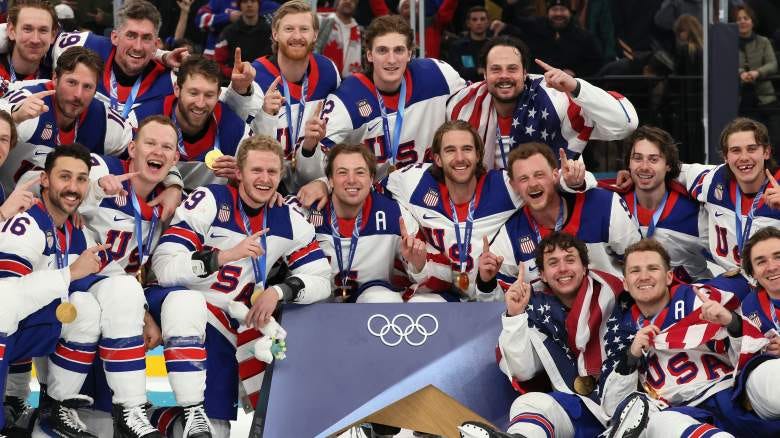
Sunday morning, Team USA beat Team Canada, the odds-on favorite, for the Gold Medal at the 2026 Winter Olympics.
When people talk about the Miracle on Ice, they talk about belief.
But belief wasn’t the only difference.
The roster construction in 1980 and today tells two completely different stories about American hockey — and about how underdogs evolve.
1980: The College Kids
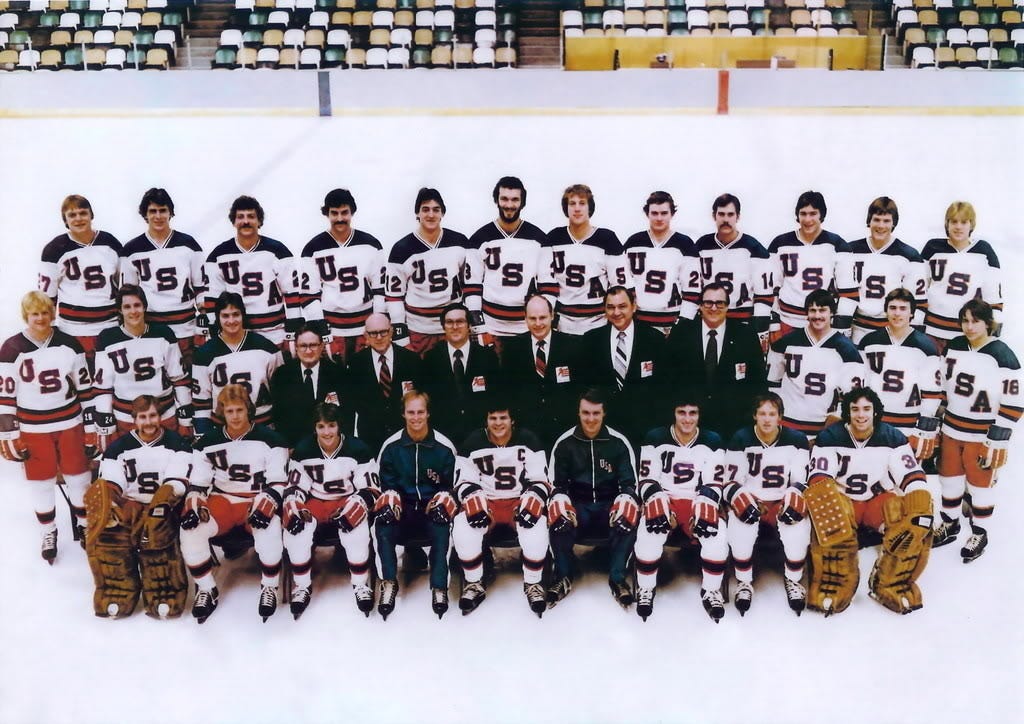
The 1980 U.S. team was not an NHL all-star squad.
It was made up of:
- College players
- Amateurs
- Young athletes without major professional contracts
The Soviet Union, meanwhile, was “amateur” in name only. Their players trained together year-round. They played in a centralized league. They had already dominated international hockey for years.
This wasn’t just USA vs. USSR.
It was:
- Youth vs. experience
- Scrappy cohesion vs. institutional precision
- Developmental talent vs. global dynasty
Relatively unknown players like Captain Mike Eruzione, Goalie Jim Craig, and Defenseman Jack O’Callahan anchored a roster built on hunger.
Coach Herb Brooks didn’t chase stars. He engineered chemistry. He blended players from rival college programs and forced them to become one unit.
It was engineered cohesion.
They weren’t the most talented team in the tournament.
But they were:
- Younger
- Faster
- Less burdened by expectation
They played with pressure.
Not legacy.
2026: The NHL Generation
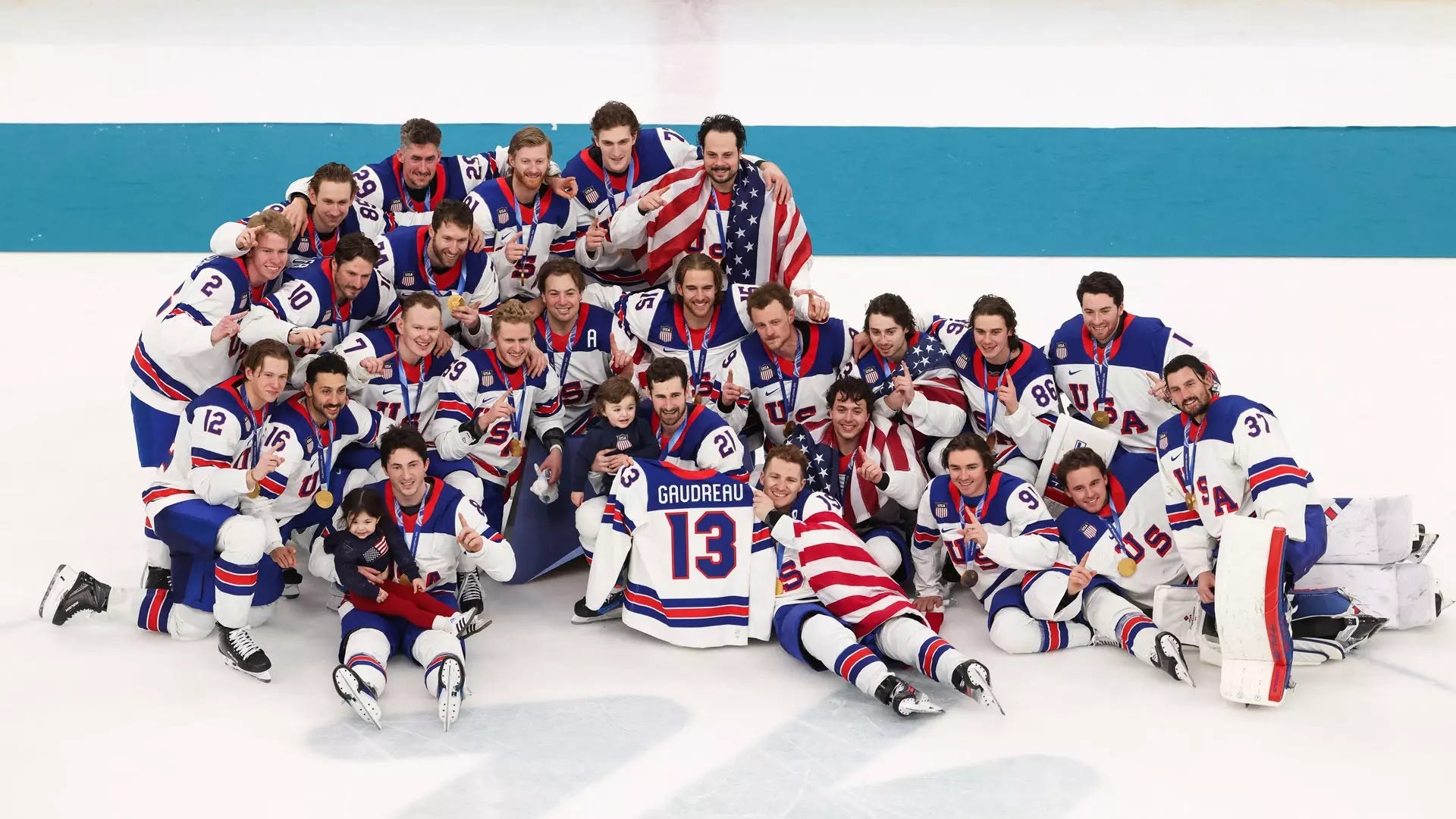
Now look at the modern U.S. roster.
This team isn’t built from hopefuls.
It’s built from:
- Established NHL stars
- Franchise players
- Athletes raised in elite development systems
Players like Jack Hughes, Quinn Hughes, Connor Hellebuyck, and Jake Oettinger represent something different.
1980 was a breakthrough.
2026 is infrastructure.
The American hockey pipeline now includes:
- Tier 1 junior systems
- NCAA programs feeding directly into the NHL
- Development academies modeled after European systems
This is no longer a miracle roster.
It’s a professional one.
The Opponent: Then and Now
In 1980, the Soviet team was centralized and state supported. Their identity was collective. Their cohesion was systemic.
Canada today is different — but still a giant.
They draw from the deepest NHL talent pool in the world. Superstars. Depth scorers. Elite defensemen. Household names like Connor McDavid, Nathan MacKinnon, and Cale Makar.
So, when the modern U.S. beats Canada, it isn’t amateur over professional.
It’s elite over elite.
That changes the story.
Style Differences
1980 USA
- Relentless skating
- Counterattack pressure
- Emotional momentum
- Survive the waves
2026 USA
- Structured defensive systems
- Elite goaltending
- Controlled zone entries
- Special teams precision
The 1980 team disrupted rhythm.
The 2026 team dictates pace.
One was chaos weaponized.
The other is discipline mastered.
The Psychological Shift
In 1980, the U.S. stepped onto the ice hoping to prove something.
In 2026, they stepped onto the ice expecting to belong.
That’s the generational shift.
Then:
- Underdog identity fueled them.
Now:
- Expectation fuels them.
Miracles build foundations.
Foundations build contenders.
The Coaching Evolution
Herb Brooks (1980): Speed as a Weapon
The Soviets were bigger, older, and more experienced. Brooks knew he couldn’t out-muscle them.
So, he chose to out-skate them.
His philosophy:
- Relentless conditioning
- Continuous motion
- Hybrid European puck movement with North American grit
- Short shifts, high tempo
He bag-skated his players into elite condition. He wanted them comfortable being uncomfortable.
Tactically:
- Pressure through skating lanes
- Counterattack instead of sustained possession
- Trust speed over intimidation
He didn’t ask them to dominate.
He asked them to endure long enough for doubt to appear.
Controlled chaos.
Mike Sullivan (Modern Era): Structure Over Chaos
Today’s U.S. roster is made of NHL veterans. Conditioning is assumed.
Sullivan’s edge isn’t raw preparation.
It’s structure.
His emphasis:
- Layered defensive coverage
- Neutral zone control
- Quick transition offense
- Responsible puck management
1980: “We have to shock them.”
2026: “We have to execute better than them.”
Brooks built hunger.
Sullivan manages expectation.
Conditioning vs. Systems
Brooks’ advantage was preparation.
Sullivan’s advantage is sophistication.
1980 hockey was survival driven.
Modern hockey is data driven.
But the principle is the same:
Against giants, discipline wins.
The Real Difference
In 1980, the U.S. needed a miracle.
In 2026, they needed execution.
Brooks proved it was possible.
Sullivan proved it was sustainable.
Question for readers:
Which coaching style wins more often — the disruptive innovator or the disciplined tactician?