The Myth of European Dragons
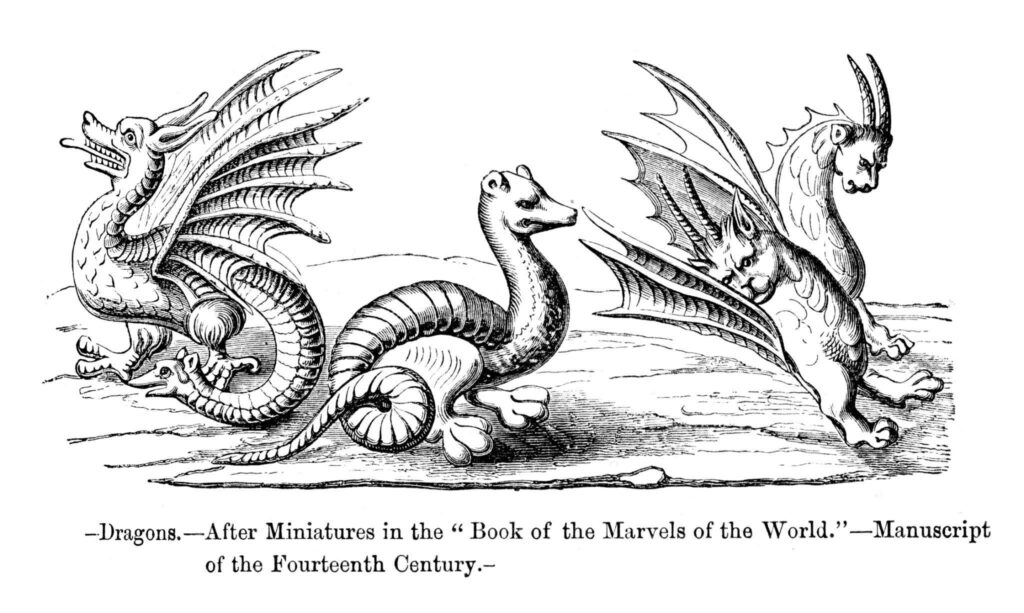
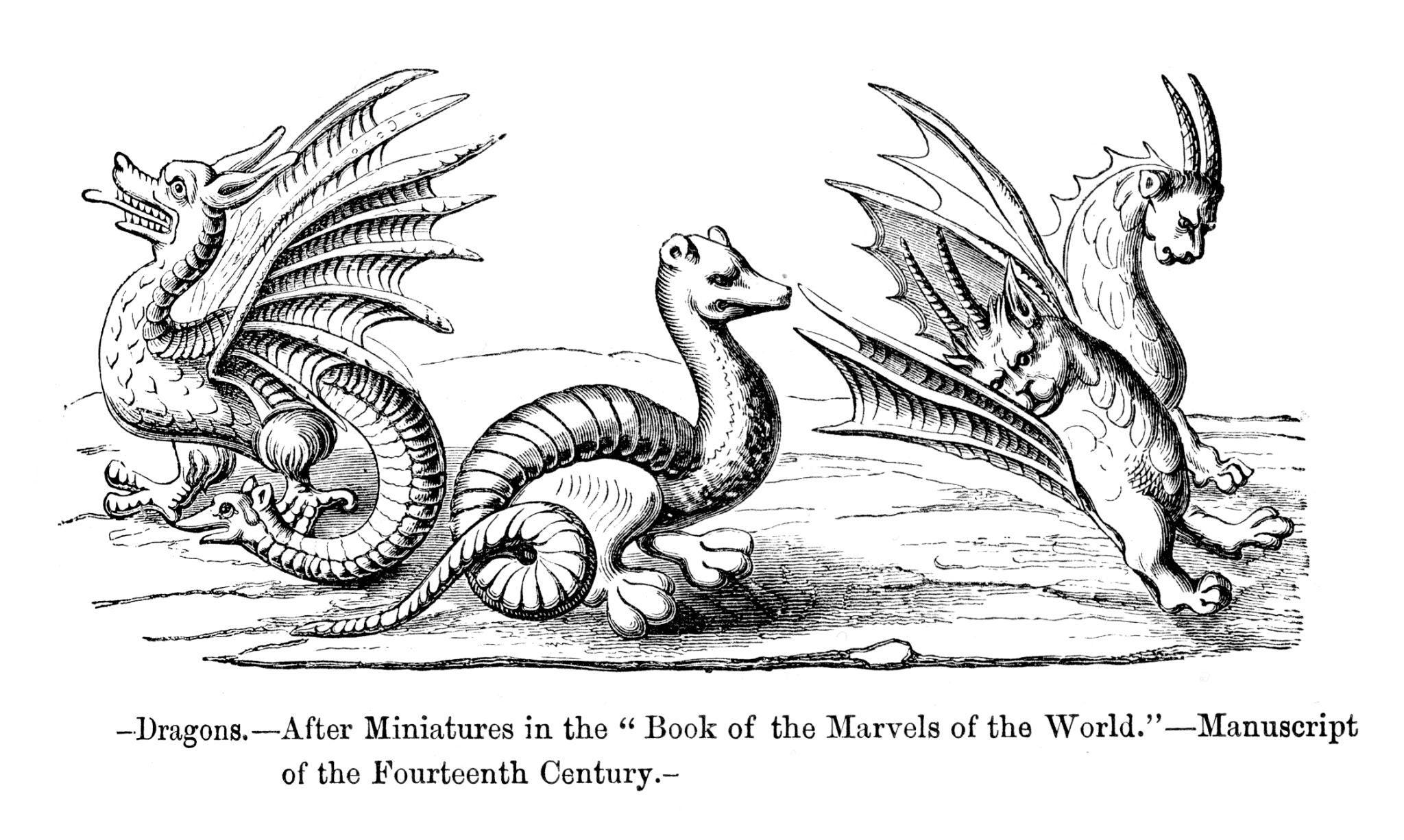
If you’ve ever heard the word dragon and immediately pictured a massive, fire-breathing monster guarding treasure in a cave, congratulations — you’re thinking of a European dragon.
That image didn’t come out of nowhere. Like most long-lasting myths, it’s a mix of old stories, misunderstood discoveries, and people trying to explain a scary world without modern science.
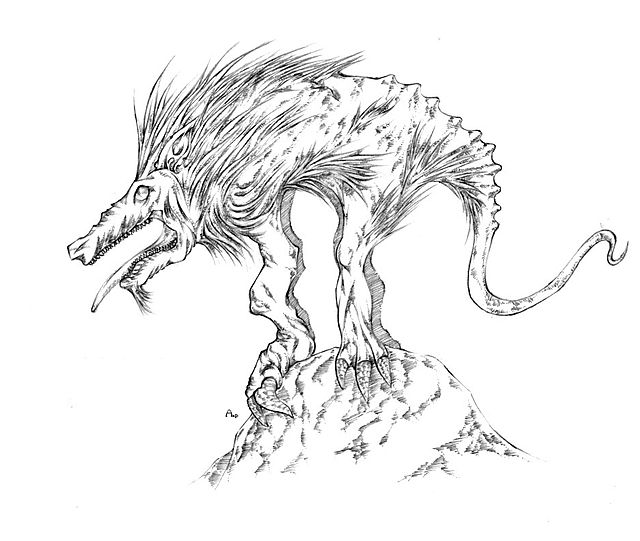
At its simplest, European dragons are mythical creatures described as large, reptilian beasts — often with wings — that breathe fire, hoard gold, and terrorize the countryside. They show up in folklore, religious stories, medieval art, and eventually modern fantasy.
But where did the idea actually come from?
Where the Story Started
Europe didn’t invent dragons from scratch. Stories of giant serpents and monster-creatures existed long before medieval knights ever showed up.
Ancient cultures in the Near East and Mediterranean told stories about enormous snake-like beings that represented chaos or danger. As trade routes expanded and armies traveled, those stories spread. Over time, they were reshaped to fit local fears and beliefs.
By the Middle Ages, Europe had taken these older ideas and turned the dragon into something very specific:
a creature that embodied danger, destruction, and evil — something that had to be confronted.
Were There Real Animals Behind the Myth?
Not fire-breathing ones — but there were some convincing inspirations.
People in medieval Europe regularly discovered large bones buried in the ground. They didn’t know about dinosaurs or extinct mammals, so when they found massive skeletons, they filled in the blanks.
To them, the conclusion was obvious:
these were the remains of dragons.
Add to that, occasional encounters with crocodiles or large reptiles brought back from distant lands, and the stories grew quickly. A big lizard becomes a monster. A monster becomes a legend. A legend gets wings.
Why Fire?
Fire-breathing dragons weren’t really about biology — they were about symbolism.
Fire represented destruction, plague, war, and divine punishment. When villages burned or crops failed, people didn’t have scientific explanations. Dragons became a way to personify disaster and fear.
The dragon wasn’t just dangerous.
It explained why the world felt dangerous.
Dragons in Medieval Stories
By the Middle Ages, dragons had a very clear role: they were obstacles to be overcome.
Stories like Saint George and the Dragon framed the creature as a symbol of chaos or sin, and the hero as order and righteousness. Killing the dragon wasn’t just bravery — it was moral victory.
That framing stuck. For centuries, European dragons were meant to be feared, hunted, and defeated.
Dragons in Modern Fantasy
As storytelling evolved, dragons changed with it.
Smaug
Smaug isn’t just a monster guarding treasure — he is greed given a voice. He talks, schemes, and understands exactly how terrifying he is.
Balerion
Balerion the Black Dread represents absolute power. He’s less a creature and more a force — the kind of thing that makes kingdoms possible and resistance pointless.
Drogon
Drogon isn’t good or evil. He’s what happens when power exists without restraint. He doesn’t judge — he just burns.
Modern dragons aren’t always villains. Sometimes they’re reflections of ambition, fear, or consequence.
What Makes Dragons Endure
Even if you’ve never read a medieval text or watched a fantasy series, dragons stick around because they work on multiple levels.
They’re:
- A symbol of fear
- A test for heroes
- A stand-in for power
- A reminder that some things can’t be controlled
Dragons became bigger than their origins. They’re no longer just stories — they’re cultural shorthand.
You don’t need to know the rules to recognize when one shows up.
Question for readers:
When you think of dragons, do you picture a monster to be slain — or a force to be feared and respected?