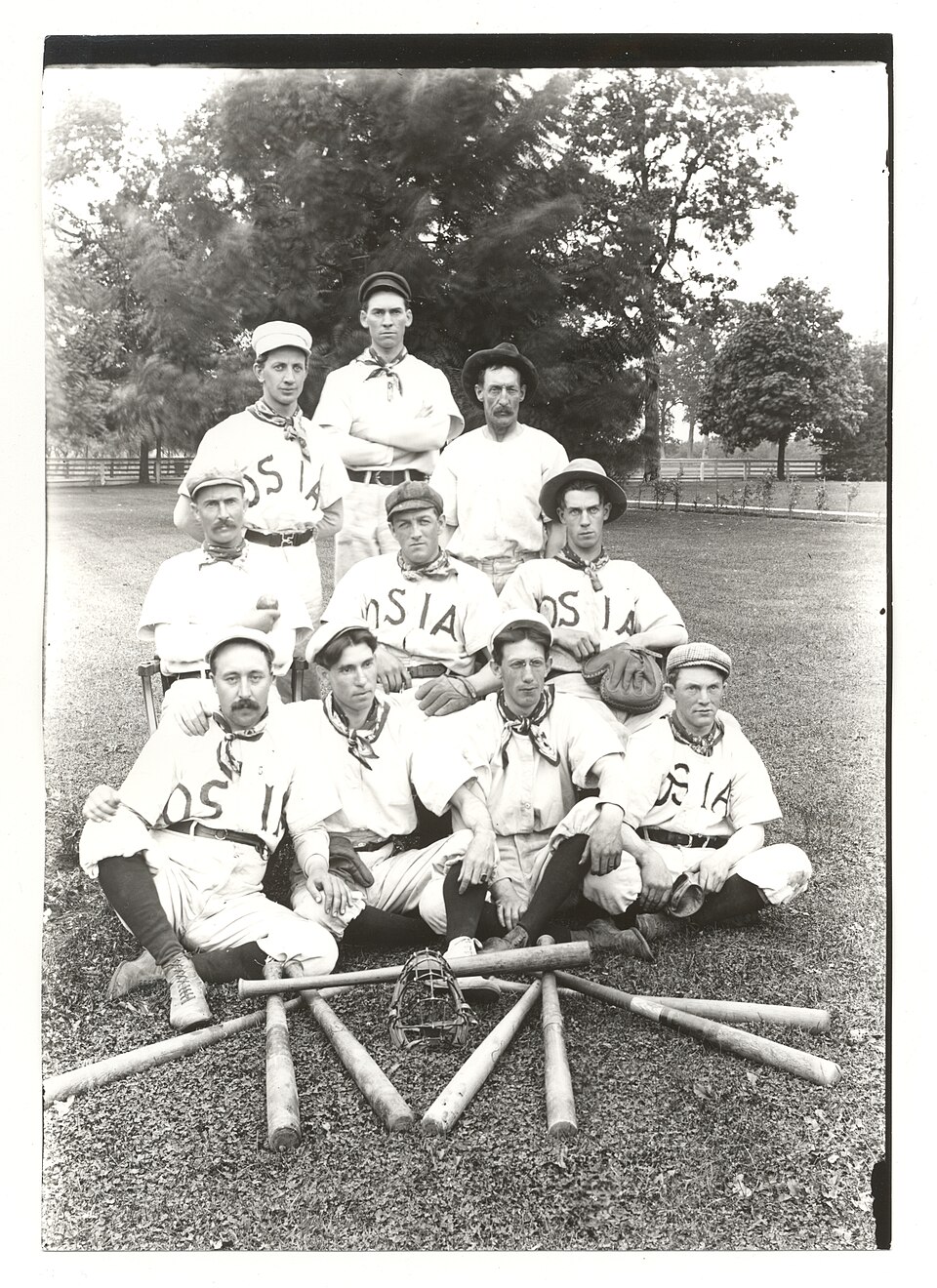
The History of Baseball
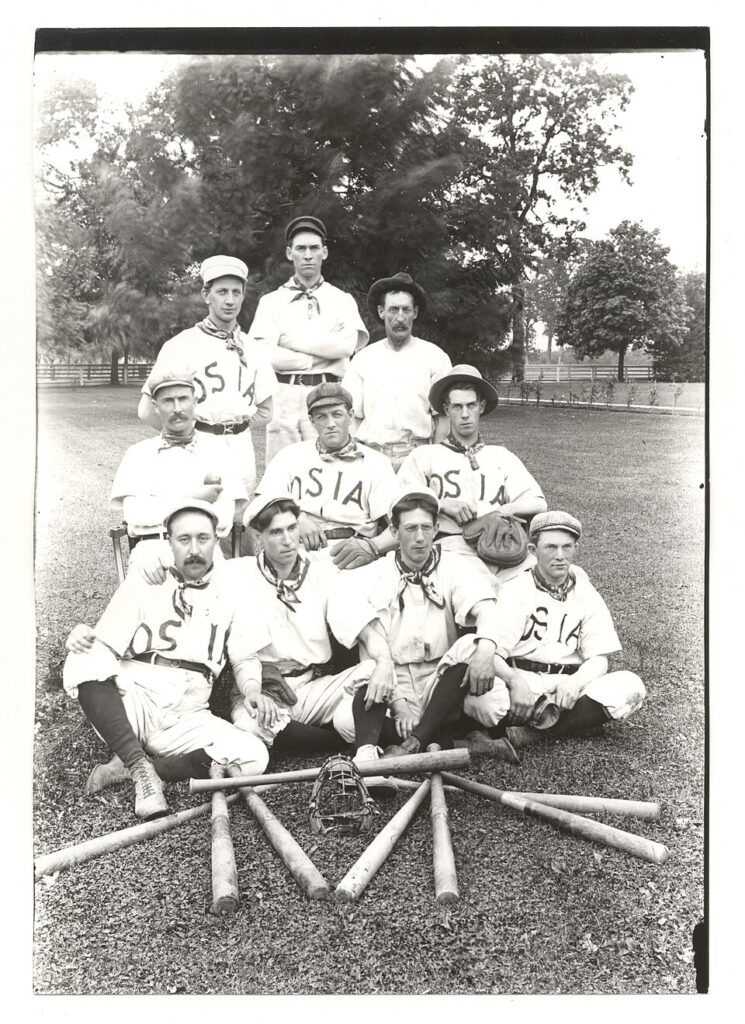
Before the lights.
Before the crowds.
Before the million-dollar contracts.
There was just a bat, a ball…
and a game still trying to become itself.
Most people know the story like this:
Baseball is America’s pastime. It was invented in the 1800s — maybe by Abner Doubleday — and quickly became the sport of the country.
From sandlots to stadiums, it grew into something generational. You think of the New York Yankees, legends like Babe Ruth, and the rhythm of summer afternoons.
It feels timeless.
Like it’s always been there.
Baseball didn’t start in America, but it evolved here.
Its roots trace back to European bat-and-ball games like rounders and cricket. Immigrants brought those games to the United States, where they slowly transformed into something new. By the 1840s, clubs in New York began organizing and standardizing the rules.
One of the most important early groups, the New York Knickerbockers, helped shape the modern game — introducing foul territory, limiting players per side, and helping move away from chaotic, anything-goes versions of earlier play.
Then came a key moment: the first recorded game under these rules in 1846.
From there, baseball spread fast.
The Civil War played a huge role. Soldiers from different regions played the game in camps, teaching each other and carrying it across the country. When the war ended, baseball wasn’t just local anymore.
It was national.
By 1869, the Cincinnati Red Stockings became the first fully professional team — meaning players were paid to play. That changed everything. The game was no longer just recreation.
It was business.
Leagues followed. The National League formed in 1876. The American League followed in 1901. And in 1903, the first World Series brought the two together into a national spectacle.
But baseball’s history isn’t just growth.
It’s conflict.
For decades, Major League Baseball was segregated. Black players were excluded, leading to the rise of the Negro Leagues — which were filled with elite talent, innovation, and cultural impact that MLB refused to acknowledge at the time.
That changed in 1947 when Jackie Robinson stepped onto the field for the Brooklyn Dodgers.
That moment wasn’t just about baseball.
It was about America confronting itself.
And the game kept evolving.
- The “Dead Ball Era” (early 1900s) emphasized pitching and small ball
- The “Live Ball Era” began with players like Babe Ruth redefining power hitting
- Expansion in the mid-20th century spread teams across the country
- Television turned players into national icons
- The steroid era of the late 1990s and early 2000s complicated the record books
- Modern analytics (sabermetrics) reshaped how teams build rosters and play the game
Even the rules are still changing today — pitch clocks, shifts, pace of play — all trying to balance tradition with a modern audience.
Baseball has never stood still.
It just moves… slower than everything else.
Baseball endures because it mirrors the country that built it.
It grew through war.
It struggled through segregation.
It adapted through technology.
It reinvented itself without losing its core.
There’s no clock.
That matters.
It’s one of the only major sports where time doesn’t run out — you have to finish the game. You have to earn the final out.
There’s something almost poetic about that.
Baseball isn’t just about winning.
It’s about endurance. Patience. Moments that build instead of explode.
Opening Day still feels like a reset button.
Every team starts fresh.
Every fan believes.
Every storyline begins again.
It’s like the start of a new season of your favorite show, or booting up a new game save — hope is undefeated.
And even if you don’t follow every inning, you know the symbols:
Walk-up songs.
Home runs into the night.
A kid with a glove waiting for a foul ball.
Baseball lives in culture as much as it does on the field.
QUESTION
Do you think baseball’s slow pace is what makes it timeless…
Or what makes it hard to keep up with today?
Because the game hasn’t stopped evolving —
we’re just trying to decide how much it should change.
Happy Opening Day to those who celebrate.