The Big Three. What They Were About. Why They Exploded. Why It Hasn’t Happened Again.
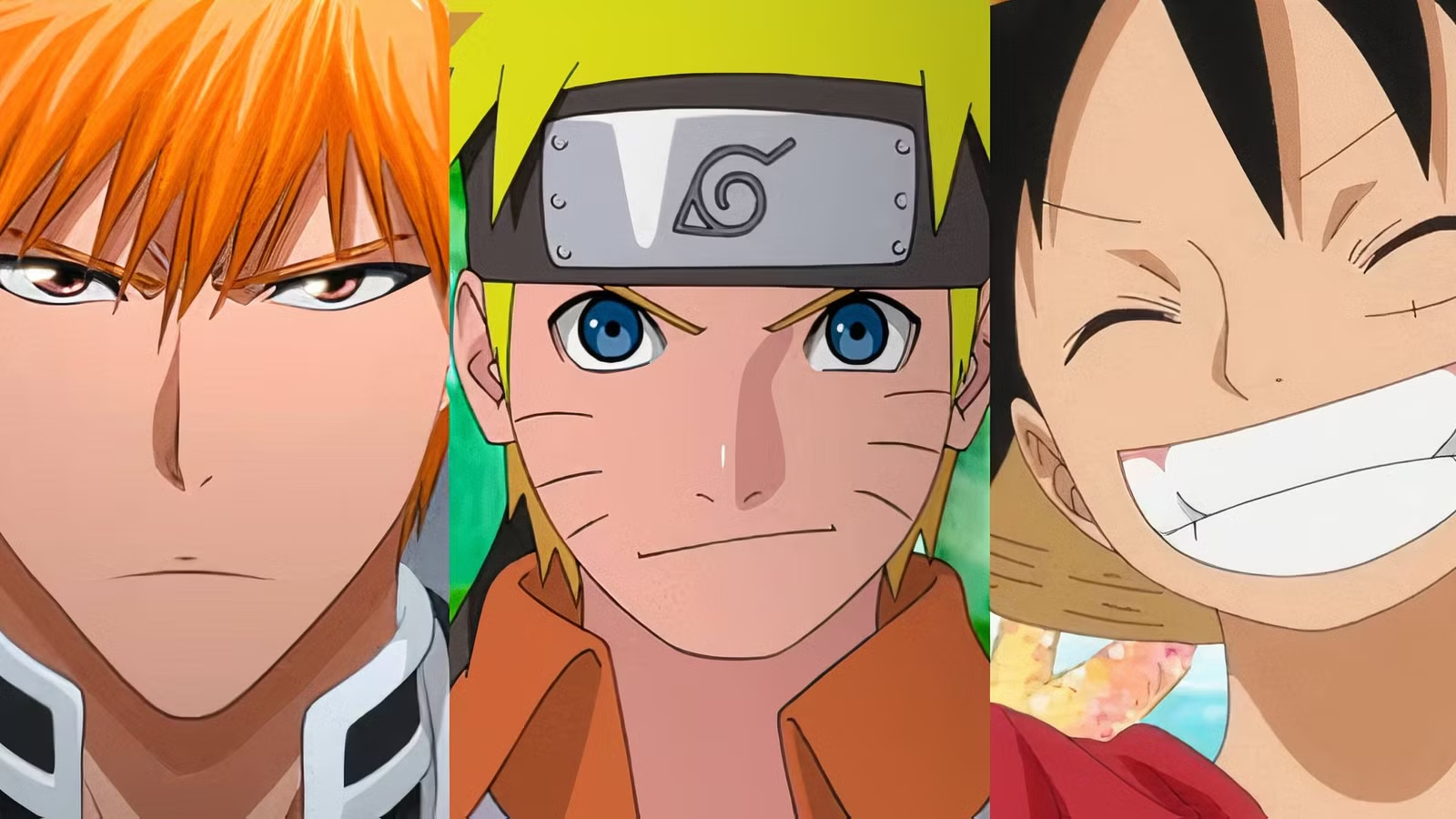
There was a stretch in the 2000s where three series didn’t just dominate anime conversations — they defined them:
- Naruto
- One Piece
- Bleach
If you were a casual fan, you probably watched at least one.
If you were deep in it? You were arguing about all three.
But here’s what made the era special:
Each series told a very different kind of story.
And all three were breaking sales records at the same time.
Let’s break them down properly.
Naruto – The Underdog Who Refused to Be Ignored
What It’s About
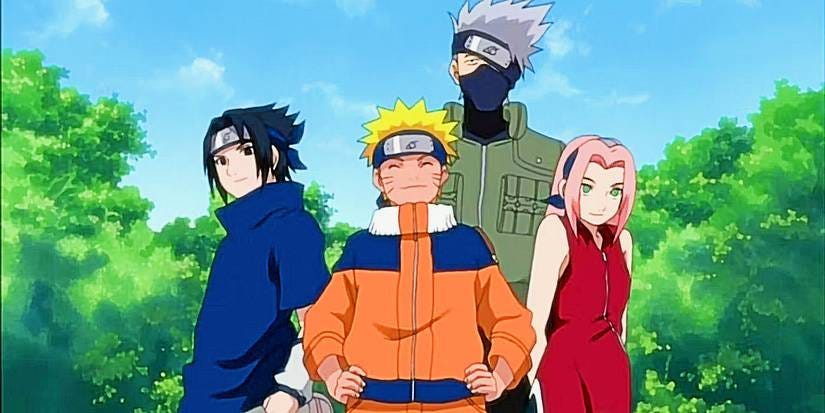
Naruto follows Naruto Uzumaki, a loud, ostracized orphan in a ninja village who dreams of becoming Hokage — the strongest and most respected ninja in town.
What casual fans sometimes forget:
Naruto starts small.
It’s about:
- Kids training to become ninja
- Rivalries between classmates
- Village politics
Then it scales:
- Secret organizations
- International conflict
- A full-scale ninja world war
At its core, though?
It’s about loneliness.
Naruto’s entire journey revolves around being seen, acknowledged, and chosen — especially by his rival, Sasuke.
Why It Exploded
- Relatable underdog energy
- Emotional rival dynamic
- Structured arc escalation (Chunin Exams → Akatsuki → War)
And the numbers?
- 250+ million manga copies sold worldwide
- Over 700 combined anime episodes
- One of Toonami’s strongest Western performers in the 2000s
Naruto didn’t just sell.
It created headband-wearing generations.
One Piece – The Longest Running Modern Myth
What It’s About
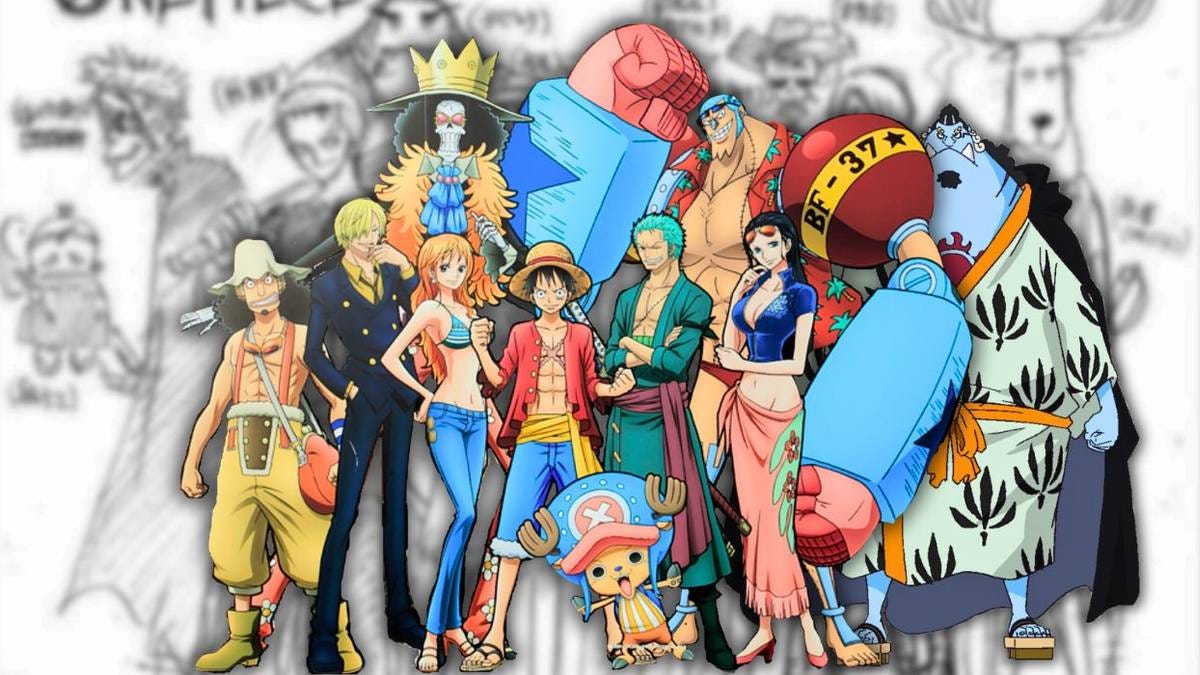
One Piece follows Monkey D. Luffy, a rubber-bodied pirate chasing the legendary treasure known as the “One Piece” to become King of the Pirates.
But that summary undersells it.
This is a story about:
- Freedom
- Found family
- Government corruption
- Buried history
Each arc introduces a new island, culture, and conflict — but everything ties into a deeper world mystery.
Unlike Naruto’s rivalry-driven core, One Piece is adventure-first.
It feels like a myth unfolding in real time.
Why It Dominated
- Expansive world-building
- Emotional backstories that hit unexpectedly hard
- Long-term payoff storytelling
The numbers are staggering:
- 520+ million copies sold worldwide
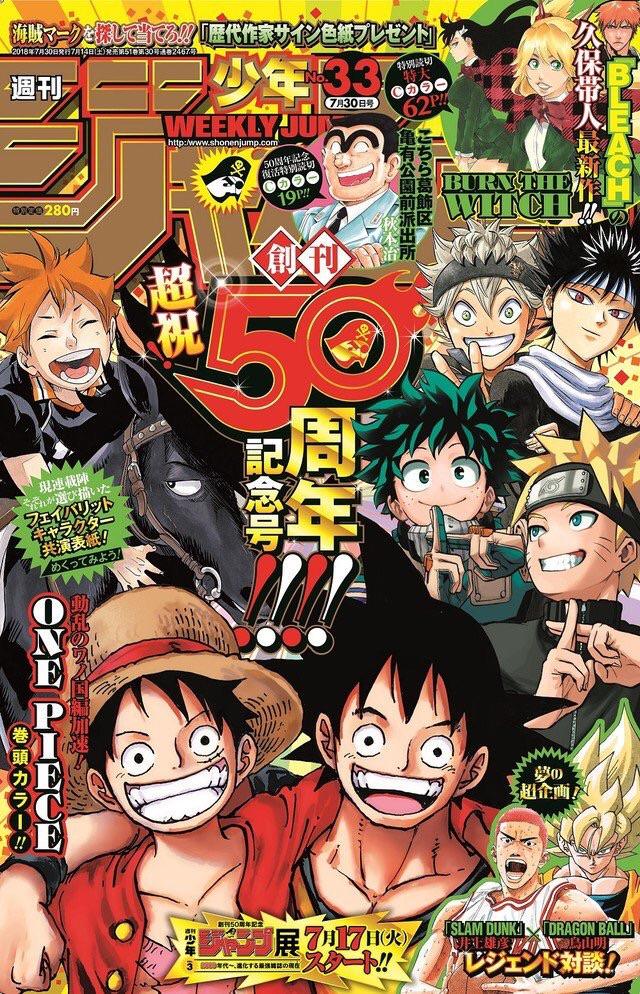
(The best-selling manga series of all time.) - Weekly Shonen Jump circulation during its peak years: 2.5–3 million copies per week
- Major anime arcs regularly pulled 10%+ Japanese TV household ratings
- The anime has aired continuously since 1999
One Piece isn’t just popular.
In Japan, it’s cultural infrastructure.
Bleach – The Cool Factor That Became a Phenomenon
What It’s About
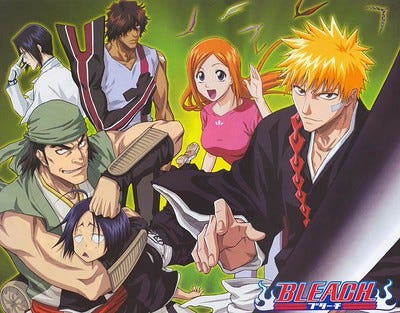
Bleach follows Ichigo Kurosaki, a teenager who gains the powers of a Soul Reaper — a spiritual warrior who protects the living world from monstrous spirits and guides souls to the afterlife.
At first, it feels episodic:
- Monster of the week
- Urban fantasy setup
Then it explodes into:
- The Soul Society arc
- Elaborate power systems
- Captain hierarchies
- Secret conspiracies
Bleach is about identity.
Power in Bleach reflects personality.
Bankai isn’t just stronger — it’s symbolic.
Why It Hit So Hard
- Distinctive art style
- Clean panel composition
- Fashion-forward character design
- A tightly constructed Soul Society arc that hooked everyone
Sales?
- 130+ million copies sold worldwide
- One of the top-selling manga annually during its peak years
- Anime ran for 366 episodes in its original run
- A revival arc years later proved the fandom never left
Bleach had aura.
And aura travels fast.
Why These Three, At The Same Time?
Between roughly 2004 and 2012:
- All three were running weekly in Weekly Shonen Jump
- All three had ongoing anime adaptations
- All three were top sellers annually
They didn’t replace each other.
They coexisted.
And they filled different emotional lanes
Naruto = Recognition and rivalry
One Piece = Freedom and myth
Bleach = Identity and style
Different flavors. Same generation.
The Media Environment Helped
This mattered.
- Toonami centralized Western anime viewing
- Physical manga dominated bookstores
- Forums and early YouTube amplified shared hype
Everyone was watching the same three things.
Now? Streaming fragments audiences.
Back then? Fandom was concentrated.
Which created momentum.
Why There Isn’t a “New Big Three”
Modern hits like Demon Slayer and Jujutsu Kaisen have massive peaks.
But the Big Three:
- Ran weekly for over a decade
- Maintained high sales for years
- Sustained cultural relevance simultaneously
It wasn’t just popularity.
It was endurance under pressure.
The Bottom Line
They became “The Big Three” because:
- They told different kinds of stories.
- They hooked readers quickly.
- They sustained quality long enough to overlap at full strength.
- The industry structure amplified them globally.
It was timing.
It was talent.
It was magazine dominance.
And it was lightning in a bottle.
Alright.
When you think back to that era…
Which one did you rush home to watch first?