Shojo…More than Romance

Shojo (少女) literally means “young girl.”
It’s manga and anime primarily marketed toward a female audience — usually teens. And for a lot of people, that immediately brings one idea to mind:
Romance.
Soft colors. Sparkles. Emotional confessions under the stars.
Series like:
- Sailor Moon
- Fruits Basket
- Ouran High School Host Club
help define that image.
And to be fair — shojo does romance really well.
It leans into:
- Feelings over fights
- Relationships over rivalries
- Emotional growth over power scaling
For many fans, shojo is where anime slows down and lets characters breathe.
But shojo was never just about romance.
At its core, shojo is about emotional perspective.
Where shonen often externalizes conflict — fights, tournaments, enemies — shojo internalizes it.
The battles are:
- Self-worth
- Identity
- Belonging
- Love, in all its messy forms
Take Fruits Basket.
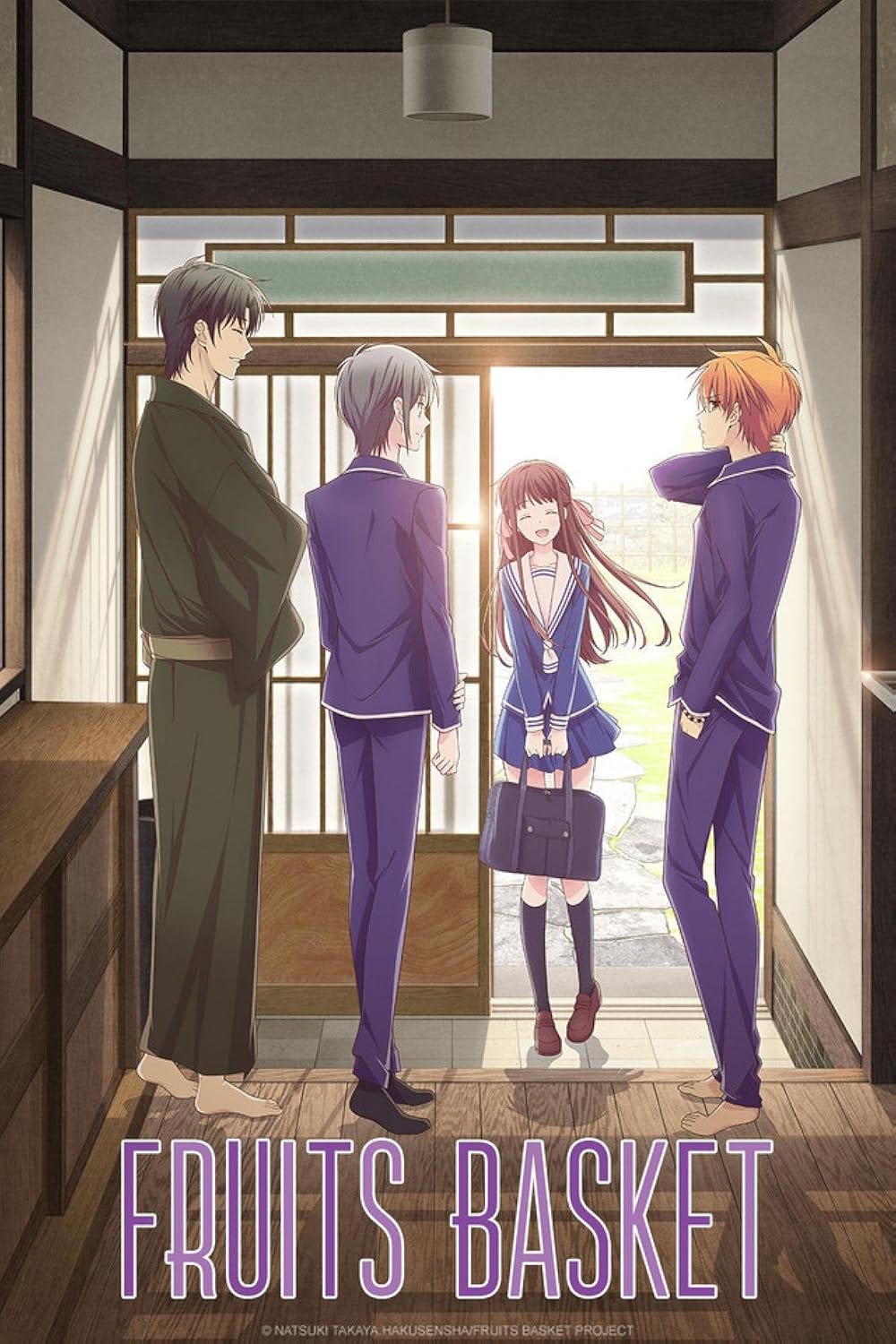
On the surface, it’s about a girl living with a family cursed to turn into animals of the zodiac. But underneath? It’s about trauma, abuse, healing, and what it means to be accepted when you feel broken.
Or Sailor Moon
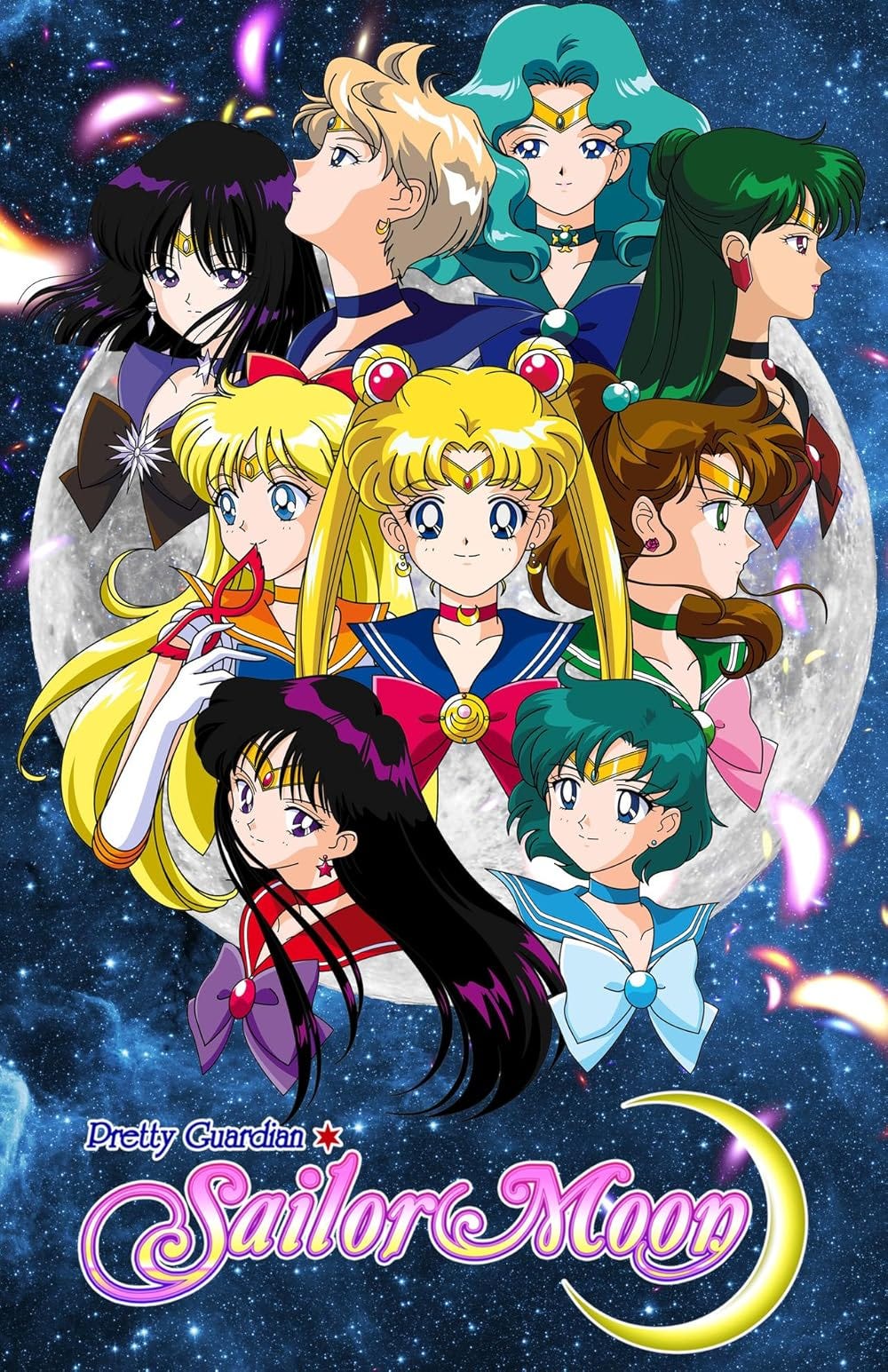
Which, for a lot of us in the West, wasn’t just a shojo series… it was a gateway.
Right there alongside Dragon Ball Z and Ronin Warriors on Toonami, Sailor Moon introduced an entire generation to anime without them even realizing it.
It had the transformations. The action. The villains of the week.
But it also brought something different:
- Team-based action
- Romance
- Female friendship
- Emotional vulnerability
And it didn’t treat those things as secondary.
It made them the point.
Sailor Moon helped define the magical girl genre as something powerful, emotional, and character-driven — not passive.
It deserves to be mentioned in the same breath as the titans of that era.
Because for a lot of us?
That was the moment anime stopped being just “cool fights” … and started being something more.
Historically, shojo manga has been shaped heavily by female creators — especially groups like the Year 24 Group in the 1970s, who pushed storytelling into deeper, more psychological territory. They introduced complex characters, layered relationships, and themes that went far beyond simple love stories.
Shojo didn’t just tell softer stories.
It told more intimate ones.
Shojo endures because it validates something a lot of stories overlook:
That emotions are the story.
Not a side plot. Not a break between action scenes.
The story.
It treats:
- A confession
- A heartbreak
- A moment of vulnerability
with the same weight a shonen might give to a final battle.
And that matters.
Because for a lot of people, those moments are the battles.
Shojo reminds us that growth isn’t always loud.
Sometimes it’s quiet.
Sometimes it’s internal.
Sometimes it’s choosing to open up when it would be easier to shut down.
You can see shojo’s influence everywhere now.
Romance-driven anime are more popular than ever.
Character-driven storytelling dominates streaming.
Even outside anime, audiences are gravitating toward emotional authenticity.
Shows, games, even social media trends are leaning into:
- Vulnerability
- Relationship dynamics
- “Soft” storytelling that still hits hard
And interestingly?
A lot of modern shonen and seinen series have started borrowing from shojo — giving more space to character emotions, relationships, and internal conflict.
The lines are blurring.
Because people want stories that feel something.
QUESTION
So here’s the real question:
What was the first shojo story that caught you off guard?
The one that made you realize…
this genre hits just as hard as any fight scene?