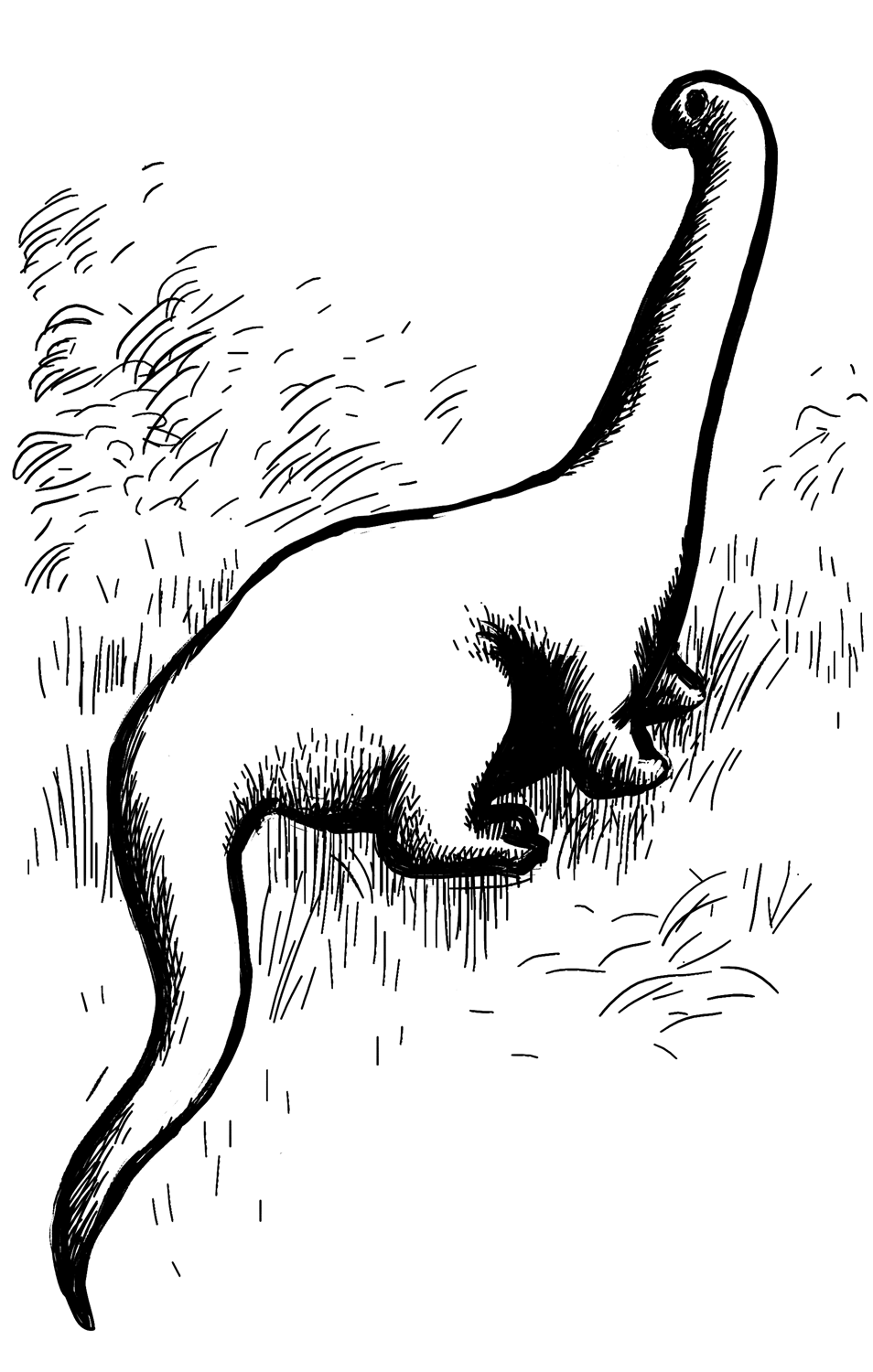
Mokele-Mbembe – The Dinosaur Still living in Africa?
Picture this.
It’s the early 1900s.
An explorer pushes through the Congo Basin — heat, insects, water everywhere.
The river is still.
Then something moves.
Not a ripple.
Not a crocodile.
Something massive.
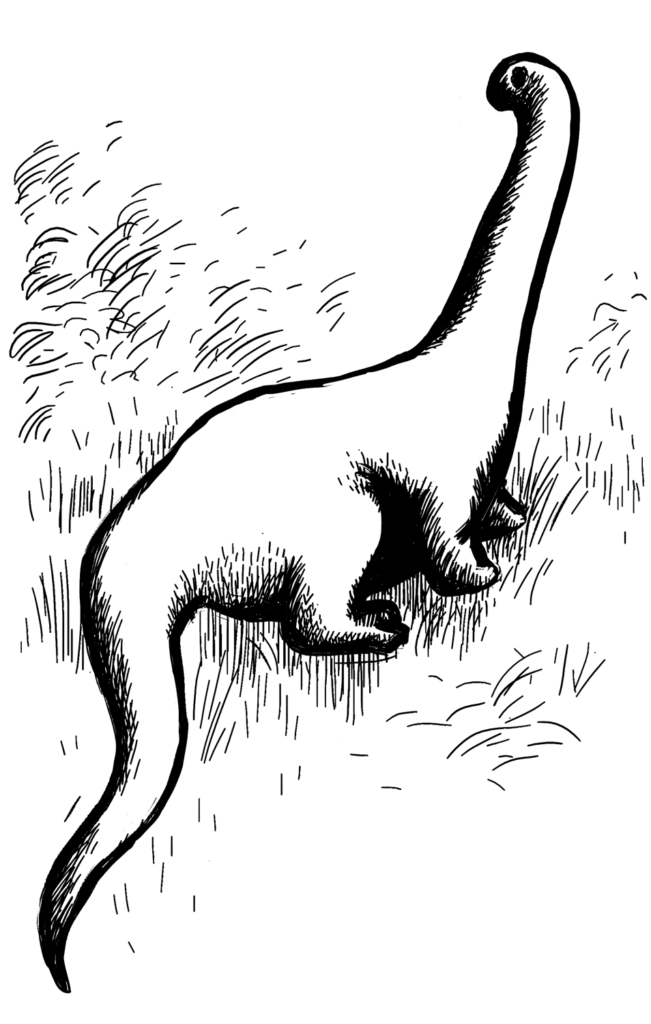
Long neck. Small head.
A body too big to belong to anything we know.
The locals don’t panic.
They just say the name.
Mokele-Mbembe.
And depending on who you ask…
It might still be out there.
The Story as It’s Told
Across parts of Central Africa — especially in the Congo Basin — there are long-standing stories of a creature that lives in rivers, swamps, and deep jungle waterways.
Descriptions are surprisingly consistent:
- Long neck
- Small head
- Large, heavy body
- Four thick legs
- Plant-eating
- Semi-aquatic
To modern ears?
It sounds a lot like a sauropod dinosaur.
And that’s the hook.
Not a monster.
Not a spirit.
Something… prehistoric.
Where the Legend Comes From
Ancient Local Accounts
Indigenous groups like the Baka and Bantu have passed down stories of Mokele-Mbembe for generations.
In these stories, it’s not mythical in the “dragon” sense.
It’s treated like an animal.
Something real.
Something dangerous.
Something to avoid.
Descriptions often include:
- It lives in remote rivers and swamps
- It eats vegetation
- It can overturn boats
- It shakes the ground when it moves
It’s not a legend of imagination.
It’s a legend of coexistence.
Early Western Reports
Western explorers began documenting the story as early as the late 1700s.
By the early 1900s, German and French expeditions recorded local descriptions and even attempted sketches.
And here’s where things get interesting:
Those sketches started to resemble dinosaurs — specifically long-necked sauropods like Apatosaurus or Brachiosaurus.
Now, to be fair…
This was happening right as dinosaurs were becoming widely known in Western science.
So the question becomes:
Were explorers identifying something real?
Or projecting what they already knew?
Eyewitness Sightings
Unlike older myths, Mokele-Mbembe has something a little different:
Ongoing reports.
20th Century Expeditions
In the 1970s and 1980s, researchers like Roy Mackal and James Powell traveled to the Congo to investigate.
They didn’t find a dinosaur.
But they did find:
- Dozens of consistent local testimonies
- Descriptions that matched across different villages
- Reports of large, unidentified tracks
One commonly cited detail?
Villagers rejecting pictures of known animals… but pointing to dinosaur illustrations as the closest match.
That’s the kind of detail that keeps the legend alive.
Modern Sightings
Even into the 2000s and 2020s, stories haven’t stopped.
Reports still place the creature near:
- Remote swamp systems
- Rivers like the Likouala
- Areas around Lake Télé
There are occasional claims of:
- Large disturbances in water
- Unusual movement patterns
- Something too big to be a crocodile… but not clearly anything else
No clear footage.
No confirmed specimen.
Just… consistency.
Expeditions and Evidence
People have gone looking.
A lot.
Earlier Expeditions
1970s–80s expeditions reported:
- Sonar readings of large underwater shapes
- Tracks that didn’t match known animals
- Stories of encounters just out of reach
Nothing definitive.
But enough to keep funding the next trip.
Modern Technology
More recent attempts have used:
- Satellite imagery
- Drones
- Remote cameras
And still…
Nothing conclusive.
Which leads to the big divide.
The Theories
The “Living Dinosaur” Theory
This is the exciting one.
The idea that:
- The Congo Basin is vast and difficult to explore
- Some regions are still largely untouched
- Unknown species are discovered every year
So… why not one more?
Supporters often point to the Coelacanth — a fish thought extinct for millions of years, rediscovered alive in 1938.
If one “living fossil” exists…
Why not another?
The Skeptical View
Most scientists land here.
Common explanations include:
- Misidentified elephants or hippos
- Large snakes
- Cultural storytelling reinforced over time
- Confirmation bias from explorers expecting something
And the big one:
No fossil evidence of surviving sauropods beyond 66 million years ago.
Which is a pretty strong argument.
Why the Legend Survives
Mokele-Mbembe sits in a unique space.
It’s not ancient like dragons.
Not modern like the Chupacabra.
It lives right in between.
It feels possible.
Because the Congo Basin is one of the least explored ecosystems on Earth.
And every year, scientists still discover:
- New species
- New behaviors
- New ecosystems
So the door never fully closes.
So… Is It Out There?
There’s no confirmed evidence of a living dinosaur in Africa.
But there is:
- Hundreds of years of consistent stories
- A region still largely unexplored
- A human tendency to keep looking just a little longer
Mokele-Mbembe might not be a dinosaur.
But it represents something very real:
The idea that we don’t know everything yet.
Question for readers:
If something massive moved beneath the surface of a river…
Would you assume:
- A known animal you just didn’t recognize?
- A story passed down too well?
- Or something we haven’t officially discovered yet?