Do We Remember the Alamo?
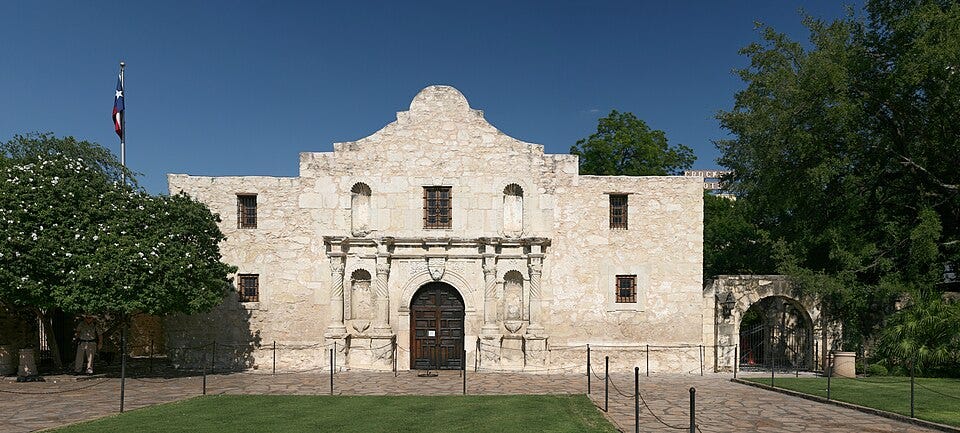
A mission in Texas.
Thirteen days of siege.
No survivors on one side.
And a phrase that still echoes:
“Remember the Alamo.”
Most people know the outline.
In 1836, a small group of Texan defenders held a former Spanish mission — the Alamo — against a much larger Mexican army led by General Antonio López de Santa Anna.
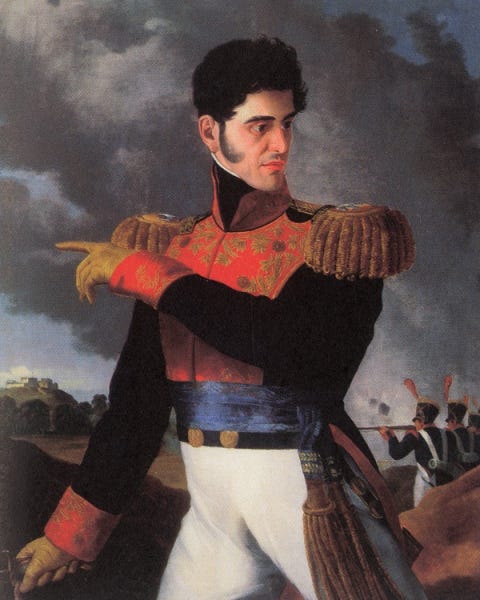
(Santa Anna pointing at Davy Crockett’s Hat)
The defenders included names that feel almost mythic now:
Davy Crockett,
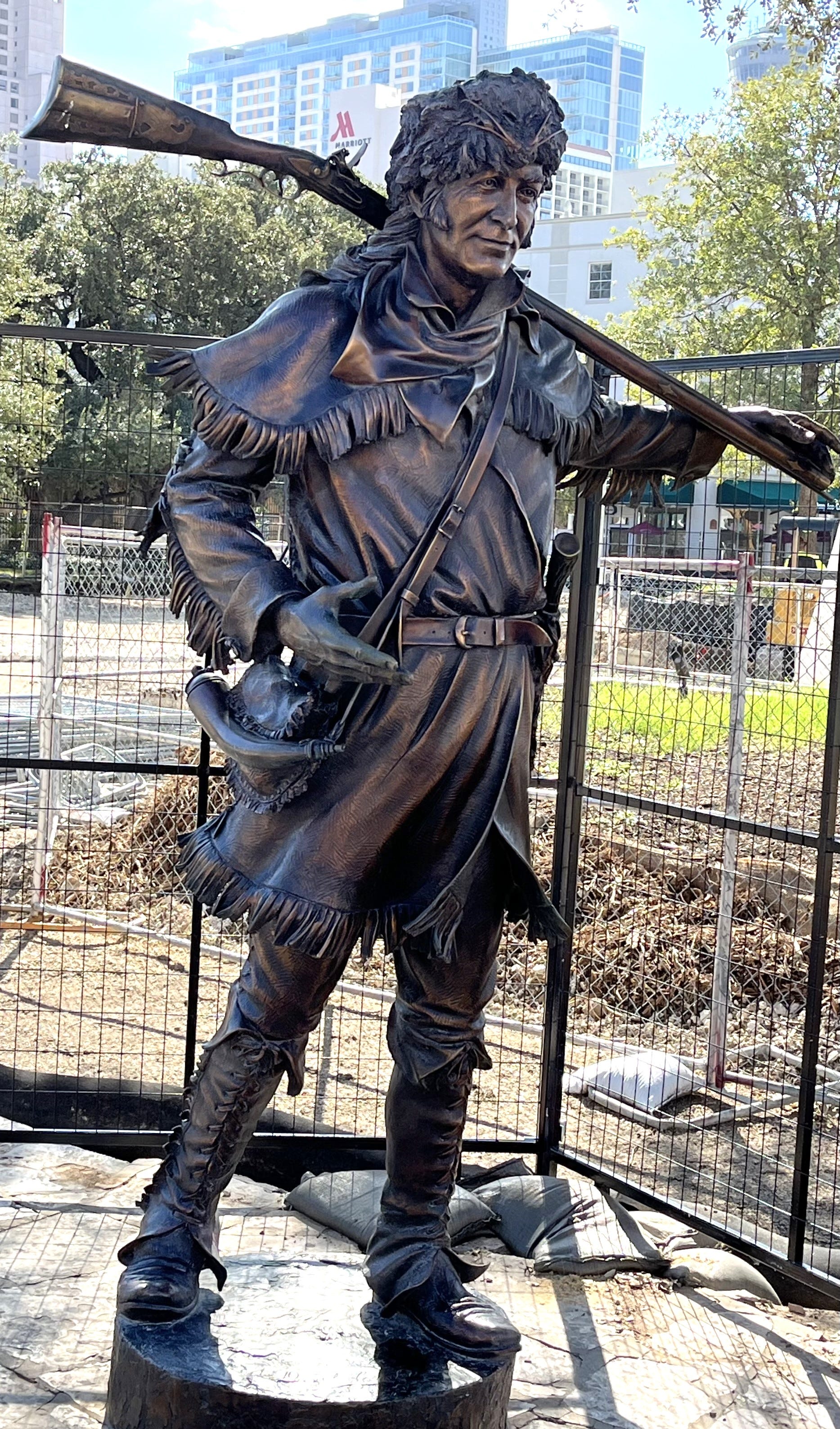
(Crockett Statue in front of the Alamo, with the hat that General Santa Anna wanted)
James (Jim) Bowie,
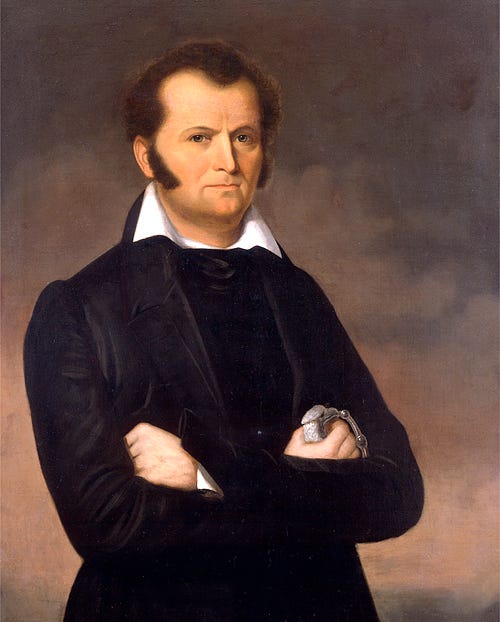
(Man, if you liked knives, Bowie HAD one for you!)
and William B. “Buck” Travis.
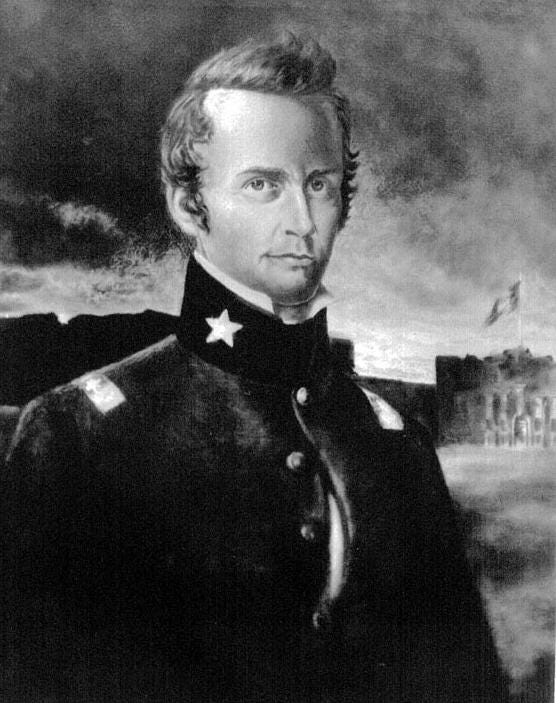
(Travis wrote the famous “Victory or Death” letter, which later helped renew support for Texan Independence)
They were outnumbered.
They refused to surrender.
They were killed when Mexican forces stormed the compound.
Weeks later, Texan forces shouted “Remember the Alamo!” at the Battle of San Jacinto — and won independence.
Small band of heroes.
Overwhelming enemy.
Last stand for freedom.
That’s the version we remember.
But that’s not the whole story.
The Alamo wasn’t originally about “American freedom” in the way it’s often framed today.
It was part of the Texas Revolution — a rebellion by Anglo-American settlers (and some Tejanos, or Texans of Mexican heritage) against the Mexican government. Tensions had been building for years over immigration, cultural control, federalism vs. centralism, and — quietly but importantly — slavery.
Mexico had abolished slavery in 1829. Many Anglo settlers in Texas had not.
When Antonio López de Santa Anna centralized power and cracked down on rebellion, fighting broke out. The Alamo became a symbolic defensive stand — but strategically, it was a delay tactic. The Texan defenders knew reinforcements were unlikely. Holding the position slowed Santa Anna down.
The siege lasted 13 days. On March 6, 1836, Mexican forces overwhelmed the compound. Estimates vary, but roughly 180–200 defenders were killed. Mexican casualties were significant too.
Here’s where it gets messy:
- Not all defenders were unified patriots. Some were adventurers. Some were land speculators.
- Tejano defenders fought alongside Anglo settlers.
- Davy Crockett’s death is still debated — did he die fighting, or was he executed after capture?
- Santa Anna wasn’t a cartoon villain; he was a complex political figure trying to hold together a fractured nation.
The Alamo was both a tragedy and a propaganda victory.
Because while it was a military defeat, it became a rallying cry.
“Remember the Alamo” wasn’t just grief.
It was fuel.
What Happened After the Alamo?
The Alamo fell on March 6, 1836.
But the story didn’t end there.
Just weeks later, Texan forces under Sam Houston retreated east, buying time and training recruits while public outrage over the Alamo spread.
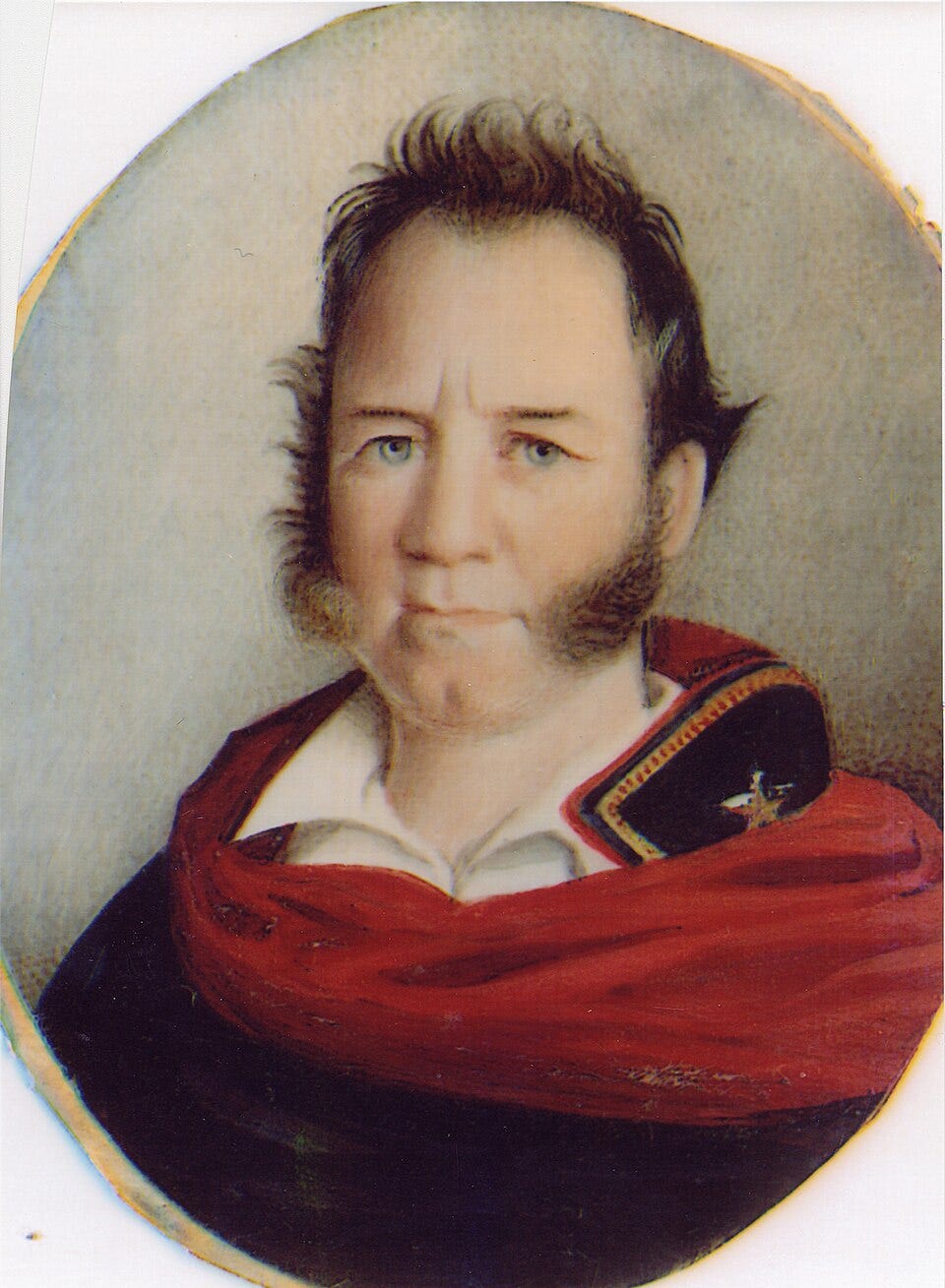
(Sam “Sideburns” Houston)
Then came April 21, 1836.
At the Battle of San Jacinto, Houston launched a surprise afternoon attack on Antonio López de Santa Anna’s camp.
It lasted about 18 minutes.
Texan forces shouted “Remember the Alamo!” as they charged.
Santa Anna’s army collapsed. Hundreds were killed or captured. Santa Anna himself was captured the next day while trying to escape.
Under pressure, he signed agreements that effectively ended major fighting and paved the way for Texas to become an independent republic.
So, the Alamo — a crushing military loss — became the emotional spark that helped win the war.
A defeat that turned into momentum.
And that’s why we still remember it.
The Alamo endures because it fits a narrative we love:
The doomed stand.
The sacrifice.
The idea that dying for something makes it immortal.
But it also forces us to confront something deeper:
History isn’t just about heroes and villains. It’s about competing visions of freedom. Competing identities. Competing futures.
The Alamo became mythology almost immediately. And mythology shapes nations.
The story we tell about it says as much about modern Texas — and modern America — as it does about 1836.
The Alamo has been retold in films, textbooks, and pop culture for decades.
From John Wayne’s version to the 2004 film The Alamo, the tone shifts depending on the era — patriotic epic, tragic drama, revisionist history.
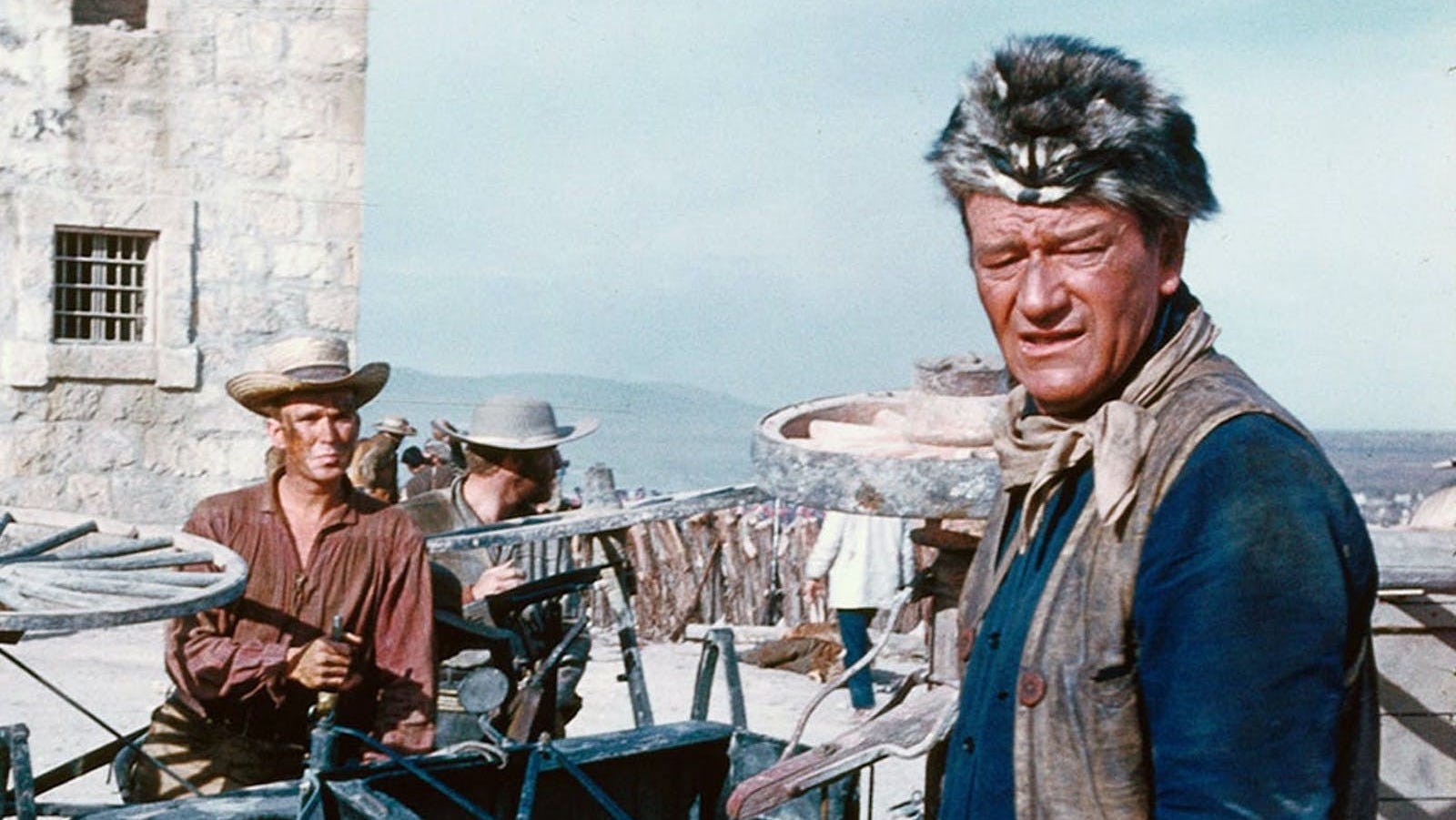
(John Wayne as Davy Crockett in 1960’s The Alamo, also wearing the hat Santa Anna wanted.)
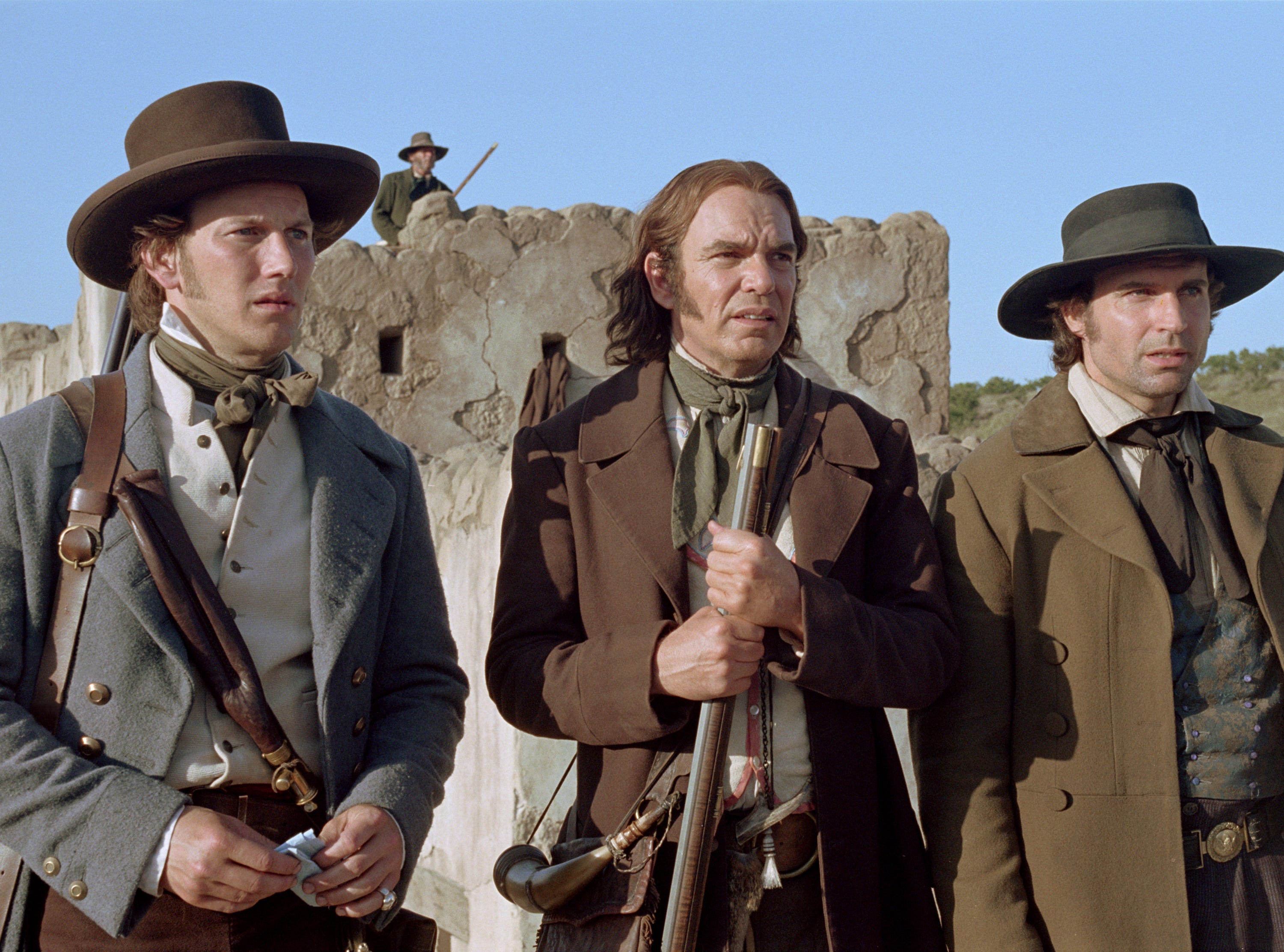
(Patrick Wilson as William Travis, Billy Bob Thornton as Davy Crockett and Jason Patric as Jim Bowie in 2004’s The Alamo)
It’s basically the historical version of a “last stand” trope you see in anime, war movies, and video games.
Outnumbered squad.
No reinforcements coming.
Hold the line anyway.
The Alamo became America’s medieval siege story.
And like any story retold long enough, it evolves with the times.
QUESTION
When you hear “Remember the Alamo,” do you picture heroic sacrifice…
Or complicated history wrapped in a powerful slogan?
Because sometimes the slogan outlives the story.