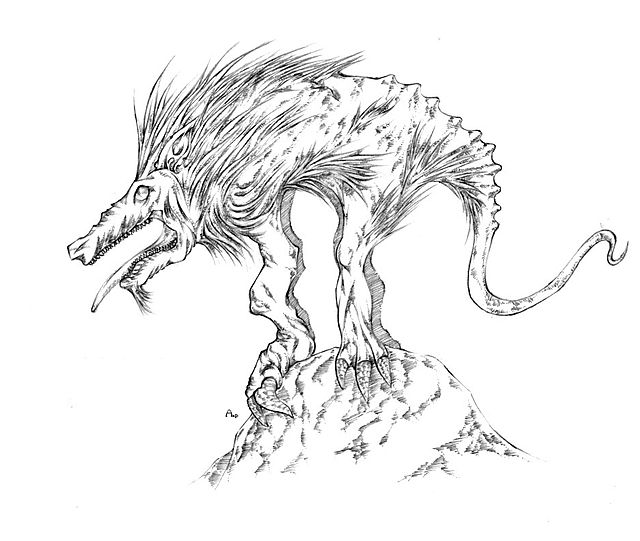
Beware El Chupacabra?
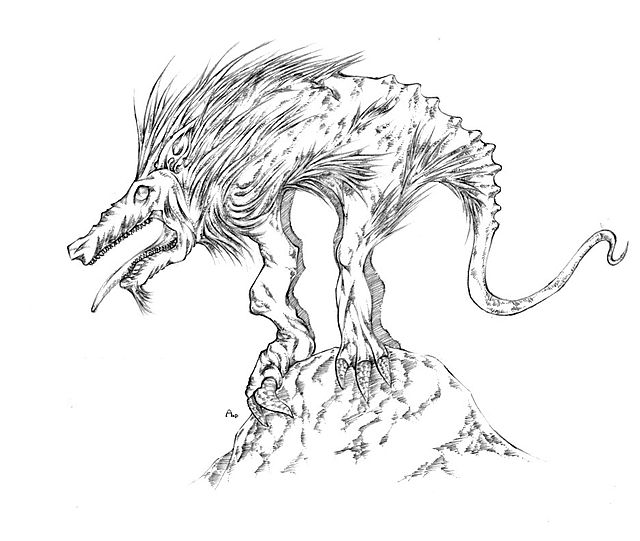
If you’ve never heard of the Chupacabra, the name alone tells you something strange is happening.
Chupa means “to suck.”
Cabra means “goat.”
Literally:
“Goat sucker.”
The legend says a mysterious creature stalks farms at night, attacking livestock — especially goats — and leaving them drained of blood.
No torn flesh.
No scattered remains.
Just small puncture wounds and a very confused farmer the next morning.
It sounds like something out of a horror movie.
But the story didn’t start that long ago.
The Story as It’s Told
The modern Chupacabra legend begins in the mid-1990s in Puerto Rico.
Farmers started reporting strange livestock deaths. Goats, chickens, and other animals were found dead with mysterious wounds and little blood at the scene.
Soon, eyewitness reports followed.
People claimed to see a creature that was:
- About the size of a small dog or large monkey
- Standing upright or crouched low
- With spines or ridges running down its back
- Glowing red eyes
- Leaping or moving in strange bursts
It became known as El Chupacabra.
Within a few years the story spread far beyond Puerto Rico — appearing in Mexico, Texas, and throughout Latin America.
And like all good legends, the creature began to change depending on who saw it.
Where the Story Came From
The first major wave of sightings came in 1995 in Puerto Rico.
One of the most famous witnesses described a creature that looked almost alien — gray skin, spines along its back, and large dark eyes.
But here’s where things get interesting.
Years later, the same witness admitted that the creature she described looked strikingly similar to the alien monster in the film Species, which had been playing in Puerto Rico theaters shortly before the sightings began.
Memory is a strange thing.
Sometimes our brains fill in gaps with images we’ve already seen.
Still, the livestock deaths were real — and the story spread fast.
Why the Creature Changed
Over time, the Chupacabra developed two completely different forms.
The “Original” Puerto Rican Version
This is the strange one people picture first:
- Spiny back
- Smooth gray skin
- Large eyes
- Almost reptilian or alien
It looks less like a natural animal and more like something from science fiction.
The “Texas Chupacabra”
In the American Southwest, the creature looks very different.
Instead of an alien-like monster, people report something closer to:
- A hairless canine
- Thin body
- Long snout
- Patchy skin
Photos taken by ranchers often show animals that look suspiciously like coyotes or dogs suffering from severe mange.
In other words: real animals that look incredibly strange when sick.
Could There Be a Real Explanation?
Like many monster stories, the Chupacabra may be rooted in real events mixed with interpretation.
Here are the most common explanations.
Animals With Mange
Many supposed “Chupacabras” captured in Texas have turned out to be coyotes with mange.
Mange is a skin disease caused by mites that leads to:
- Hair loss
- Thickened skin
- Unusual appearance
A mangy coyote can look frighteningly unfamiliar, especially at night.
And if livestock were already dying from illness or predators, the legend practically writes itself.
Predator Misidentification
When animals are killed by predators, blood often drains internally or into the ground.
This can make carcasses appear “bloodless,” even when nothing supernatural happened.
Combine that with nighttime sightings and fear — and the story grows quickly.
A Modern Folk Legend
Unlike dragons or werewolves, the Chupacabra is a modern legend.
It spread through:
- Television news
- Word of mouth
- Early internet forums
In other words, the Chupacabra grew at the same time as the modern media cycle.
The story didn’t just travel village to village.
It traveled continent to continent.
Why the Chupacabra Stuck Around
The Chupacabra hits a perfect cultural sweet spot.
It’s:
- Modern enough to feel plausible
- Strange enough to feel mysterious
- Grounded in real rural experiences
Farmers really do lose livestock.
Strange animals really do appear in the dark.
The legend fills the gap between explanation and imagination.
And once people start looking for monsters…
They sometimes find them.
The Chupacabra Today
Today the Chupacabra lives in a strange place between folklore and pop culture.
It shows up in:
- Horror stories
- Cryptid documentaries
- Video games
- Halloween costumes
Unlike ancient legends, this one grew up in the modern world — which means we watched it evolve in real time.
It’s a reminder that folklore isn’t just something from the distant past.
Sometimes we create new monsters ourselves.
Why It Works
The Chupacabra isn’t a dragon or a werewolf.
It doesn’t guard treasure.
It doesn’t stalk castles.
It creeps around farms.
It lives where the lights don’t quite reach.
And maybe that’s why the story works.
Because most legends live far away in time.
The Chupacabra feels like it could walk across your backyard tonight.
Question for readers:
If farmers started reporting strange livestock deaths near you…
Would you assume:
- Sick wildlife?
- A misunderstood predator?
- Or something we still haven’t identified yet? 👀