Luck of the Irish?
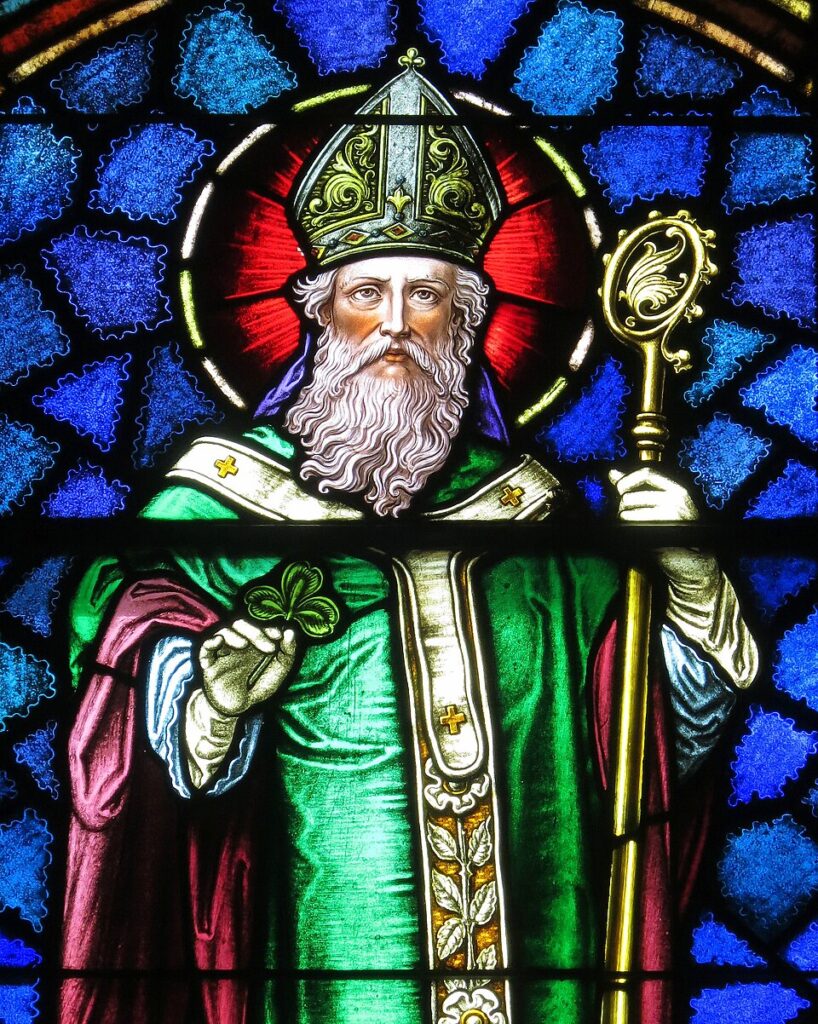
He’s the guy in green.
Shamrocks.
Snakes driven out of Ireland.
A holiday built on parades and pints.
But the real Saint Patrick?
Way more intense than that.
Most people know the basics.
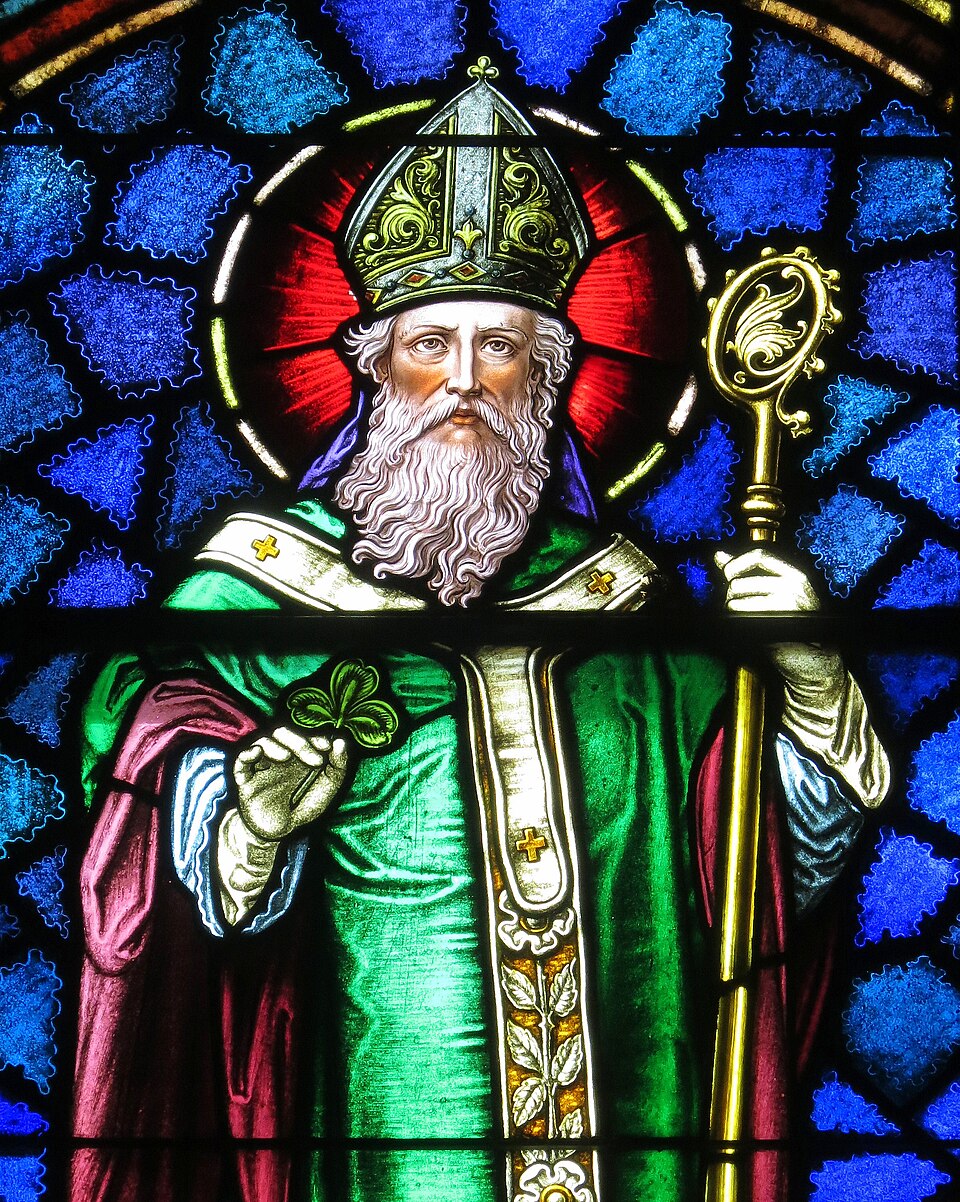
St. Patrick is the patron saint of Ireland. He brought Christianity to the island, used a shamrock to explain the Trinity, and — somehow — drove all the snakes out of Ireland.
Every March 17th, people celebrate him with green everything, Irish pride, and a whole lot of festivities.
He’s remembered as a missionary. A symbol of Ireland. A cultural icon.
That’s the version we all grew up with.
That’s the version we remember.
Patrick wasn’t even Irish.
He was born in Roman Britain sometime in the late 300s or early 400s CE. His family was Christian, but by his own admission, he wasn’t particularly religious growing up.
At around 16 years old, everything changed.
He was kidnapped by Irish raiders and taken across the sea as a slave.
For six years, he worked as a shepherd — isolated, cold, and alone. And that’s where his faith took hold. He later wrote that he prayed constantly, day and night.
Eventually, he escaped.
According to his own account, he had a vision telling him how to flee. He made his way to the coast, found passage on a ship, and returned home.
That could’ve been the end of the story.
It wasn’t.
Patrick later had another vision — this time calling him back to Ireland.
Back to the place where he had been enslaved.
He trained as a Christian cleric and returned as a missionary.
Now here’s where things get more complicated.
Ireland at the time wasn’t some empty spiritual landscape waiting to be “saved.” It had its own deeply rooted belief systems, led by druids and local traditions.
Patrick didn’t “convert Ireland overnight.”
It was a slow, uneven process involving:
- Preaching
- Negotiation with local leaders
- Cultural blending
And yes, tension.
As for the snakes?
There’s no evidence Ireland ever had native snakes after the last Ice Age.
The “snakes” Patrick supposedly drove out were likely symbolic — representing pagan beliefs being pushed aside as Christianity spread.
So no dramatic reptile exodus.
Just metaphor that stuck.
Patrick’s story endures because it hits something deeper than legend.
He wasn’t a conqueror.
He was someone who:
- was taken from his home
- survived hardship
- chose to go back
Not for revenge.
For purpose.
That’s a different kind of strength.
And over time, his story became something bigger — a symbol of Irish identity, resilience, and transformation.
But like most history, it got simplified.
Cleaned up.
Mythologized.
Turned into something easier to celebrate.
The real story is messier.
And honestly, more human.
St. Patrick’s Day today is a global event.
Parades in New York.
Chicago dyeing its river green.
People with zero Irish ancestry suddenly 100% committed for 24 hours.
It’s part cultural pride, part celebration, part full-on meme.
But underneath all of that?
There’s still the story of a real person whose life took a brutal turn — and who chose to walk back into it.
That’s the part that doesn’t trend.
But probably should.
QUESTION
When you think of St. Patrick…
Do you picture the legend?
Or the man who went back to the place that once broke him?
Because those are two very different stories.